


In the vast and ever-evolving landscape of tomorrow’s technology, few innovations command as much attention and promise as blockchain technology. Often misunderstood yet profoundly transformative, blockchain is more than just the backbone of cryptocurrencies; it’s a foundational shift in how we record, verify, and share information securely and transparently. As we chart the course of tomorrow’s technology, understanding blockchain is paramount to grasping the future of digital trust, finance, supply chains, and beyond.
💡 Key Takeaways
- Understand blockchain’s fundamental principles including decentralization, immutability, and cryptography.
- Explore diverse applications of blockchain beyond cryptocurrencies, from supply chain to healthcare.
- Learn about the different types of blockchain networks and their respective use cases.
- Grasp the security implications and challenges associated with blockchain technology.
“Blockchain isn’t just about digital currency; it’s a foundational shift towards verifiable trust and transparent systems, paving the way for entirely new societal structures and ethical considerations in the digital age.”
— Kira Chen, Futurist & AI Ethics Advocate
This comprehensive guide will demystify blockchain, exploring its core principles, diverse applications, and the tools that allow us to navigate its intricate networks. Prepare to delve into the technology shaping the next generation of digital interaction, a key component in the broader discussion of Future Perfect?: Charting the Course of Tomorrow’s Technology.
In This Article
- — 💡 Key Takeaways
- → What is Blockchain Technology?
- — ⚙️ The Concept of a Decentralized Ledger
- — 🔗 How Blocks are Formed and Chained
- → The Core Principles of Blockchain
- → Key Components of a Blockchain Transaction
- — ⚡ The Lifecycle of Blockchain Transactions
- — 🔐 Cryptography and Consensus Mechanisms
- → Different Types of Blockchains
- — 🌎 Public Blockchains
- — 🔒 Private and Consortium Blockchains
- → Navigating the Blockchain: Understanding Block Explorers
- — 🔍 What is a Block Explorer?
- — 🗺️ Popular Block Explorers in Action
- → Real-World Applications and Beyond
- — 💰 Finance & Supply Chain
- — 🆔 Digital Identity & Healthcare
- → Conclusion: The Future is Chained
What is Blockchain Technology?
At its heart, a blockchain is a distributed, immutable ledger that records transactions in a secure and transparent manner. Imagine a digital notebook where every page (a “block”) is filled with information, timestamped, and cryptographically linked to the previous page, forming an unbreakable “chain.” Once a page is added, it cannot be altered or removed, creating a permanent record.
⚙️ The Concept of a Decentralized Ledger
Unlike traditional databases controlled by a single entity, blockchain operates as a decentralized ledger. This means no single person, company, or government has control over the entire network. Instead, copies of the ledger are distributed across thousands of computers (nodes) worldwide. This decentralization offers significant advantages:
- ✅ Increased Security: Eliminates single points of failure, making it incredibly difficult for malicious actors to tamper with data.
- ➡️ Enhanced Transparency: All participants can view the ledger, though specific identities might be pseudonymous.
- 💡 Resilience: The network continues to operate even if some nodes go offline.
🔗 How Blocks are Formed and Chained
The process of creating a new block involves several steps:
- 🔢 New transactions are collected and bundled into a block.
- 🔒 Cryptographic hashes link the new block to the previous one, forming a chronological chain.
- 🤝 Network participants (miners or validators) verify the block through a consensus mechanism (e.g., Proof of Work or Proof of Stake).
- ➕ Once verified, the new block is added to the chain and propagated across the network, becoming part of the permanent record.
This chaining mechanism ensures immutability; changing one block would require changing all subsequent blocks, an almost impossible feat on a large, active network.
The Core Principles of Blockchain

The power of blockchain stems from a few fundamental principles that differentiate it from conventional data management systems:
- ✅ Decentralization: As discussed, control is distributed across a network, eliminating the need for a central authority.
- 🔒 Immutability: Once a transaction or data entry is recorded on the blockchain, it cannot be altered or deleted. This creates an unchangeable audit trail.
- 🤝 Transparency: While participant identities can be pseudonymous, all transactions on public blockchains are visible to anyone on the network. This fosters trust without requiring intermediaries.
- 🛡️ Security: Cryptography is used to secure individual transactions and link blocks, ensuring data integrity and protecting against fraud.
Key Components of a Blockchain Transaction
Understanding how blockchain transactions function is crucial to appreciating the technology’s security and efficiency.
Blockchain Technology: Benefits and Challenges
Pros
- ✔Enhanced Security and Immutability: Data is cryptographically secured and unalterable.
- ✔Decentralization: No single point of failure or control, increasing resilience.
- ✔Increased Transparency and Traceability: All participants can view transactions, making tracking easier.
- ✔Potential for Reduced Intermediaries and Costs: Can streamline processes by removing third parties.
Cons
- ✖Scalability Limitations: Can struggle with high transaction volumes and speed.
- ✖High Energy Consumption: Certain consensus mechanisms require significant power.
- ✖Complexity and Integration Challenges: Difficult to implement and integrate with existing systems.
- ✖Regulatory and Legal Ambiguity: Evolving legal landscape creates uncertainty for adoption.
⚡ The Lifecycle of Blockchain Transactions
Every interaction on a blockchain, from sending cryptocurrency to updating a supply chain record, is a transaction. Here’s a simplified lifecycle:
- ✍️ A user initiates a transaction (e.g., sending Bitcoin).
- 🔑 The transaction is digitally signed by the sender using their private key.
- 📡 The signed transaction is broadcast to the network’s mempool, a waiting area for unconfirmed transactions. For a deeper dive into this concept, explore our article on Mempool Explained: Understanding Blockchain Transaction Processing.
- 👷 Miners or validators pick up transactions from the mempool and include them in a new block.
- ✔️ Once the block is verified and added to the chain, the transaction is confirmed and considered final.
🔐 Cryptography and Consensus Mechanisms
Cryptography is fundamental to blockchain security. Each block contains a cryptographic hash of the previous block, ensuring that any tampering with past data would invalidate subsequent blocks. Transactions are also secured with digital signatures, ensuring authenticity.
Consensus mechanisms (like Proof of Work used by the Bitcoin Blockchain or Proof of Stake adopted by the Ethereum Blockchain) are algorithms that ensure all participants agree on the state of the ledger. They prevent fraudulent transactions and maintain the integrity of the decentralized network.
Different Types of Blockchains
While the core principles remain consistent, not all blockchains are created equal. They typically fall into a few categories:
Global Gourmet Distributors: 25% Cost Savings & Enhanced Trust via Blockchain
❓The Challenge
Global Gourmet Distributors struggled with pervasive trust issues and high verification costs in their fragmented, opaque supply chain for premium artisanal food products, making it difficult to assure customers of authenticity and ethical sourcing.
💡The Solution
Inspired by the principles of blockchain technology, they implemented a permissioned blockchain solution that provided a decentralized and immutable ledger for every product’s journey. This allowed for real-time tracking and verification of origin, quality, and handling by all stakeholders, from producers to final retailers.
🏆The Result
Within 12 months of deployment, Global Gourmet Distributors saw a 25% reduction in supply chain auditing and verification costs, alongside a measurable increase in customer confidence and brand loyalty.
🌎 Public Blockchains
These are permissionless networks, meaning anyone can join, participate in the consensus process, and view transactions. They prioritize decentralization and transparency.
- 🪙 Bitcoin Blockchain: The original and most well-known public blockchain, primarily used for peer-to-peer electronic cash.
- ✨ Ethereum Blockchain: A pioneering public blockchain that introduced smart contracts, enabling a vast array of decentralized applications (dApps) beyond simple currency transfers.
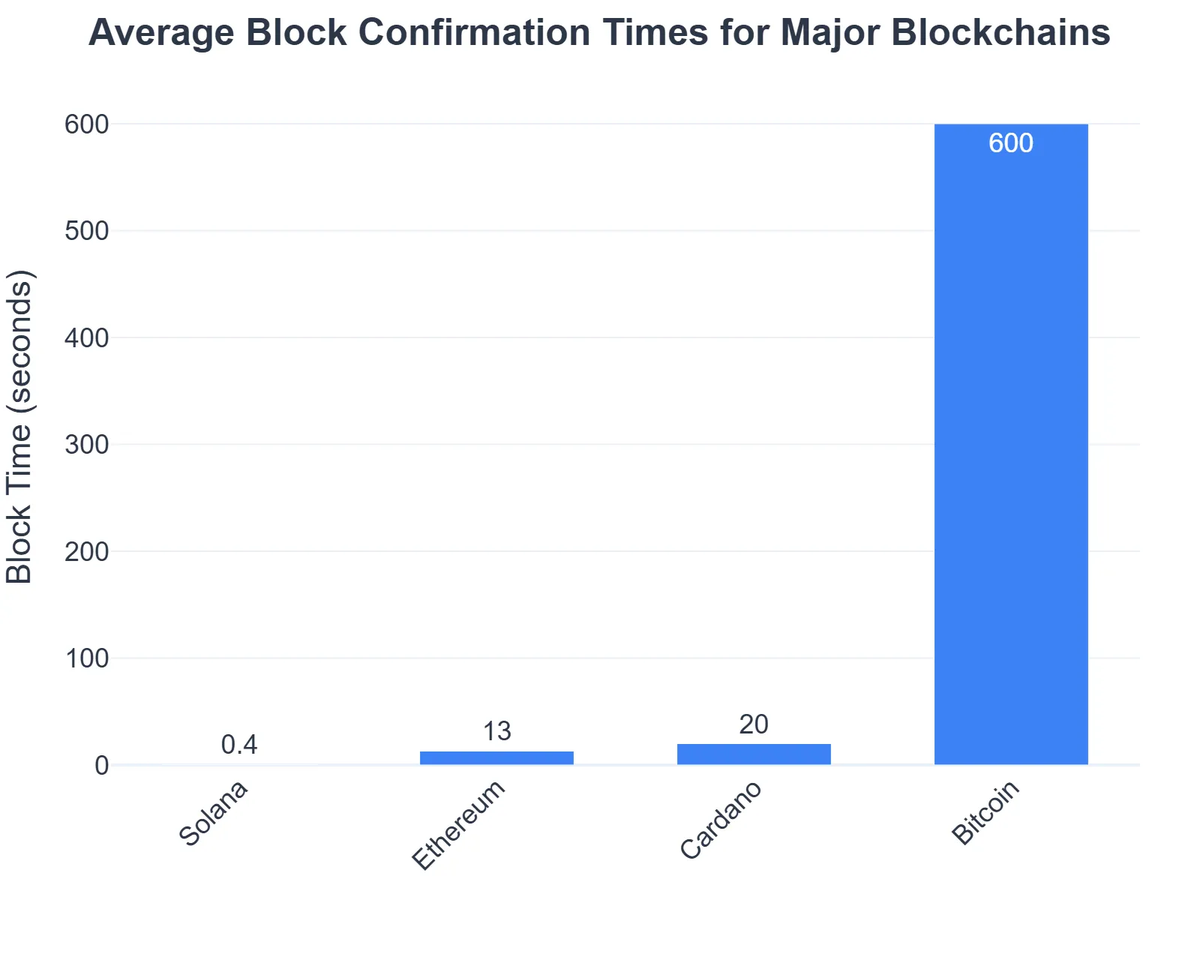
- 🚀 Solana: A newer public blockchain known for its high transaction throughput and low fees, aiming for scalability.
🔒 Private and Consortium Blockchains
These are permissioned networks, where participation is restricted. While they use blockchain principles, they offer more control and privacy, often suited for enterprise use cases.
- 🏢 Private Blockchains: Controlled by a single organization that dictates who can participate and validate transactions.
- 🤝 Consortium Blockchains: Governed by a group of organizations, offering a balance between decentralization and control.
It’s important to note that blockchain is a subset of a broader category called Distributed Ledger Technology (DLT). To learn more about how DLT extends beyond traditional blockchain structures, check out our guide on Distributed Ledger Technology (DLT): Beyond Blockchain.
Navigating the Blockchain: Understanding Block Explorers
Given the transparency of public blockchains, how do you actually “see” the transactions and blocks? This is where Block Explorers come in.
🔍 What is a Block Explorer?
A block explorer is a web-based tool that allows users to view data on a blockchain network. Think of it as a search engine for the blockchain. You can look up:
- ✅ Individual transactions by their hash.
- ➡️ Specific blocks by their number or hash.
- 💡 Wallet addresses and their balances or transaction history.
- 📈 Network statistics, such as hash rate, difficulty, and transaction volume.
These tools are indispensable for anyone interacting with or analyzing blockchain data, offering a real-time window into the network’s activity.
🗺️ Popular Block Explorers in Action
Each major blockchain usually has one or more dedicated explorers:
- 🔵 Etherscan: The most widely used Block Explorer for the Ethereum Blockchain, providing detailed insights into smart contracts, tokens, and transactions.
- 🔗 Blockchain.com Explorer: A popular explorer that supports multiple blockchains, including the Bitcoin Blockchain, offering a user-friendly interface for tracking BTC transactions.
- ☀️ Solana Explorer: Designed for the Solana network, this explorer allows users to track high-speed transactions and network activity specific to Solana.
To master the art of navigating these powerful tools, refer to our comprehensive article: How to Use a Blockchain Explorer: Your Guide to On-Chain Data.
Real-World Applications and Beyond
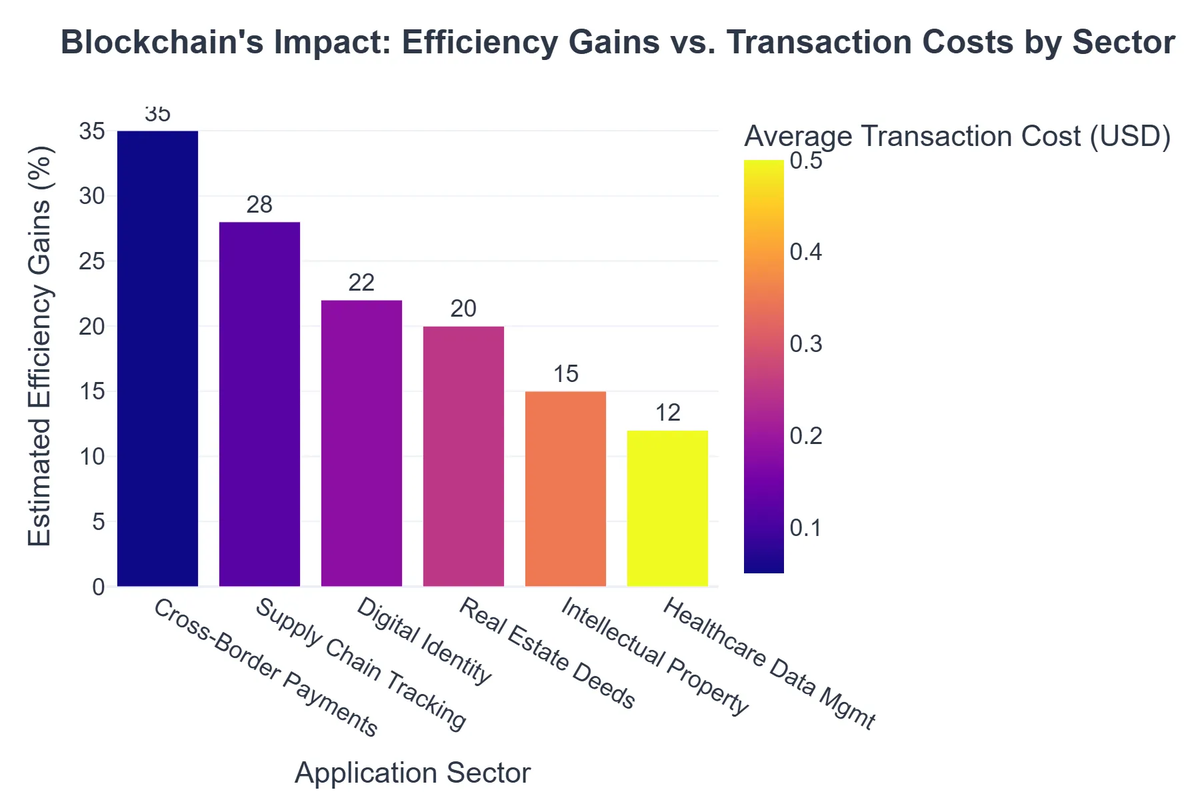
Beyond cryptocurrencies, blockchain technology is poised to revolutionize numerous industries. Its ability to create immutable, transparent, and secure records makes it ideal for a vast array of applications.
💰 Finance & Supply Chain
- 🌐 Decentralized Finance (DeFi): Blockchain underpins a new financial ecosystem, offering lending, borrowing, and trading without traditional intermediaries.
- 💵 Cross-Border Payments: Enables faster, cheaper, and more transparent international money transfers.
- 📦 Supply Chain Management: Provides an immutable record of product journeys from origin to consumer, enhancing transparency, traceability, and combating counterfeiting.
🆔 Digital Identity & Healthcare
- 👤 Self-Sovereign Identity: Users can control their digital identities, granting access to specific data without relying on central authorities.
- 🏥 Healthcare Records: Securely manage and share patient data, improving interoperability and privacy while maintaining an auditable trail.
The applications extend to digital collectibles (NFTs), voting systems, real estate, energy grids, and more. For further reading on the broader impact of this technology, “The Comprehensive Guide to NFTs, Digital Artwork, and Blockchain Technology” provides valuable insights into specific use cases in the digital asset space. From securing digital assets to transforming enterprise operations, blockchain’s footprint is rapidly expanding.
Recommended Video
Conclusion: The Future is Chained
Blockchain technology is not merely a passing fad; it’s a fundamental innovation that promises to reshape the digital landscape. Its principles of decentralization, immutability, and transparency are laying the groundwork for a more secure, efficient, and trustworthy internet. From the groundbreaking Bitcoin Blockchain to the versatile Ethereum Blockchain, and the analytical power of Block Explorers like Etherscan and Blockchain.com Explorer, we are only beginning to scratch the surface of what blockchain can achieve.
As we continue to navigate the complexities of tomorrow’s technology, blockchain stands out as a critical enabler of new possibilities. Its ongoing evolution will undoubtedly drive unprecedented levels of trust and innovation across industries, truly charting a course for a “future perfect” digital world.
Frequently Asked Questions
What is blockchain technology?
Blockchain is a decentralized, distributed ledger technology that securely records transactions across a network of computers. Each ‘block’ contains a list of transactions, and once recorded, it’s virtually impossible to alter.
How does blockchain ensure security?
Blockchain uses cryptographic hashing to link blocks, making them immutable. Any attempt to alter a block would change its hash, breaking the chain and being immediately detectable by the network.
What are the main types of blockchain?
The main types are public (permissionless, like Bitcoin), private (permissioned), consortium (hybrid), and hybrid blockchains, each suited for different levels of access and control.
Can blockchain be used for things other than cryptocurrency?
Absolutely. Blockchain has applications in supply chain management, healthcare records, digital identity, voting systems, intellectual property rights, real estate, and more, enabling transparency and efficiency.