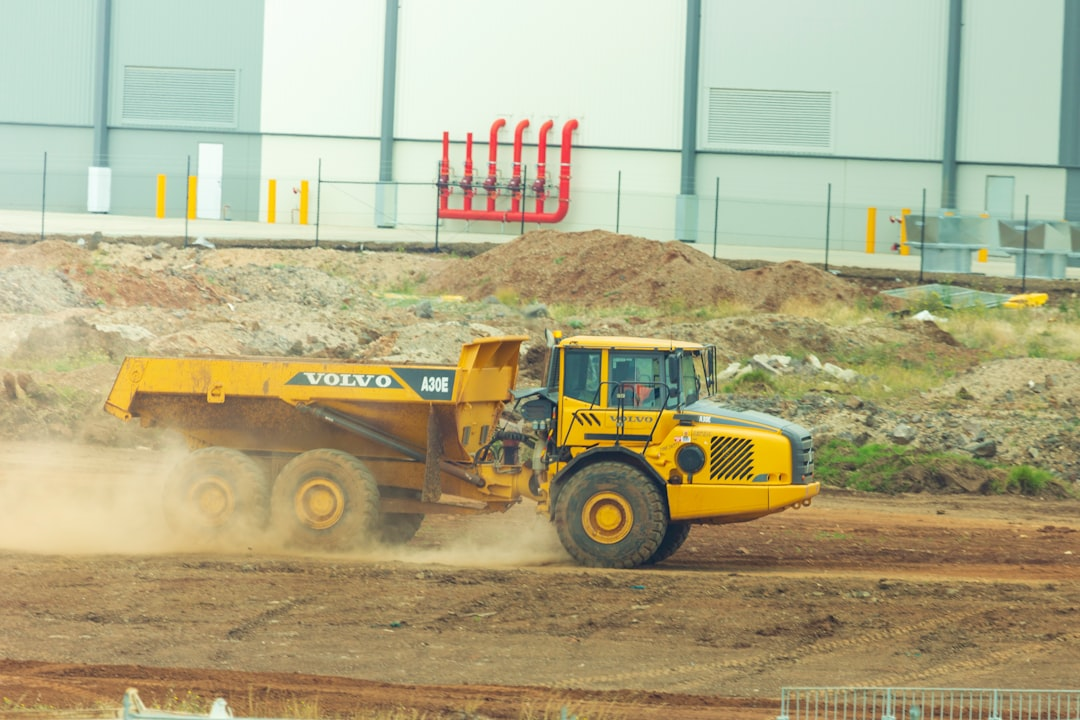
Human Geology: How We Reshape the Earth’s Surface
For millennia, geological processes unfolded on scales far beyond human comprehension or intervention. Volcanoes erupted, continents drifted, mountains rose and fell, and glaciers carved landscapes, all dictated by the planet’s immense internal and external forces. Yet, in a remarkably short span of time, humanity has emerged as a significant, even dominant, geological agent. The concept of human geology explores the profound and accelerating ways our species directly and indirectly alters the Earth’s surface, its crust, and its systems.
💡 Key Takeaways
- Human activities now rival natural forces in shaping Earth’s landforms and geological processes.
- Major drivers include urbanization, agriculture, resource extraction, and infrastructure development.
- The concept of the Anthropocene highlights humanity’s significant, lasting geological footprint.
- Understanding these impacts is crucial for sustainable planetary management.
“Our planet’s geological record will unmistakably show a distinct human layer. We’re not just living on Earth; we’re actively redesigning its very geomorphology, a profound shift in planetary dynamics.”
— Marcus Sterling, Geophysical Explorer & Climate Dynamics Analyst
This comprehensive guide delves into the mechanisms, manifestations, and implications of human activities as a powerful, emergent force, shaping the planet in ways that will be detectable in the geological record for millions of years to come. Understanding this ‘Anthropocene geology’ is not just academic; it’s crucial for navigating our present and future relationship with the Earth.
In This Article
- → Human Geology: How We Reshape the Earth’s Surface
- — 💡 Key Takeaways
- → 🌍 Defining the Anthropocene: A New Geological Epoch
- — What is the Anthropocene?
- — Why is it Controversial?
- → ⛏️ Direct Reshaping: Excavation and Construction
- — Mining and Quarrying: Massive Material Extraction
- — Urbanization and Infrastructure: Cities as New Landforms
- → 💨 Atmospheric and Climatic Alterations: Indirect Geological Forces
- — Greenhouse Gas Emissions and Climate Change
- — Changing Precipitation Patterns and Water Cycles
- → 🌊 Modifying Water Systems and Sediment Transport
- — Damming Rivers: Altering Sediment Flow
- — Coastal Engineering: Beaches and Shorelines
- → 🌲 Land Use Change: Vegetation, Soil, and Stability
- — Deforestation and Soil Erosion
- — Agriculture and Accelerated Weathering
- → 🧪 Novel Materials and Stratigraphic Signatures
- — Plastics and Technofossils: Future Geological Markers
- — Human-Induced Seismicity
- → 🔮 The Long-Term Geological Legacy of Humanity
- — Permanent Scarring: Irreversible Changes
- — A Call to Action for Geological Stewardship
- → Conclusion
🌍 Defining the Anthropocene: A New Geological Epoch
The term “Anthropocene” has gained considerable traction among scientists and the public alike, representing a proposed new geological epoch characterized by profound human impact on Earth’s geology and ecosystems.
What is the Anthropocene?
- ✅ Human-Dominated Era: It signifies a period in Earth’s history where human activities have become the primary driver of global environmental change, surpassing natural geological forces in their speed and scale.
- ➡️ Distinct Geological Signature: Proponents argue that human actions leave a distinct and pervasive geological signature, evident in sediments, ice cores, and landforms across the planet.
- 💡 Start Date Debate: While broadly accepted conceptually, the precise start date for the Anthropocene is a subject of ongoing debate, with proposals ranging from the dawn of agriculture to the Industrial Revolution or the mid-20th century’s “Great Acceleration.”
Why is it Controversial?
Despite its widespread use, the formal declaration of the Anthropocene as an official geological epoch by the International Commission on Stratigraphy remains contentious.
- ✅ Boundary Definition: Establishing a clear, globally synchronous boundary marker (like the iridium layer marking the end of the Cretaceous) is challenging due to the varied and diffused nature of human impacts.
- ➡️ Duration: Geologists typically define epochs over millions of years, whereas the period of significant human impact is incredibly brief in geological terms, raising questions about whether it qualifies as a distinct epoch.
- 💡 Implications: Formally naming an epoch after humanity carries significant scientific and philosophical implications about our species’ responsibility for planetary change.
⛏️ Direct Reshaping: Excavation and Construction
Perhaps the most immediate and visible aspects of human geology are the direct physical alterations we make to the Earth’s surface through excavation, construction, and resource extraction.
Mining and Quarrying: Massive Material Extraction
The global demand for minerals, metals, and aggregates has led to unprecedented rates of excavation. Open-pit mines, for instance, are among the largest human-made structures visible from space, transforming entire landscapes.
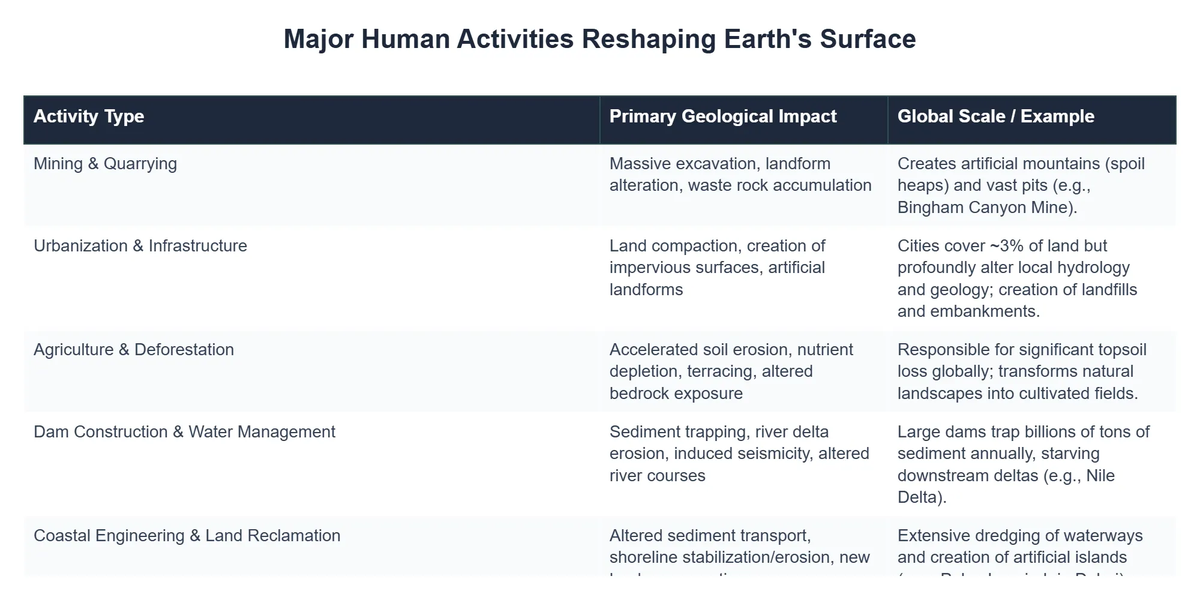
- ✅ Resource Depletion: Extraction of coal, iron ore, copper, gold, and other materials drastically alters subsurface geology and creates vast voids or spoil heaps.
- ➡️ Landscape Transformation: Mountains are leveled, valleys are filled, and vast quantities of rock and soil are moved, fundamentally changing topography and drainage patterns.
- 💡 Sediment Generation: Mining activities can accelerate erosion and generate enormous volumes of sediment, which are then transported and deposited elsewhere, creating new geological layers. For more on geological resource distribution, explore China’s Geology: Ancient Tectonics and Abundant Resources.
Urbanization and Infrastructure: Cities as New Landforms
Our cities, roads, and dams are not merely human constructs; they are increasingly recognized as novel geological formations. Urban areas create unique ‘urban strata’ composed of concrete, asphalt, rebar, pipes, and other artificial materials.
- ✅ Impervious Surfaces: Vast areas covered by buildings and roads prevent natural infiltration of water, altering local hydrology and increasing runoff and erosion in some areas.
- ➡️ Artificial Ground: Landfills, often built on reclaimed land, create entirely new geological profiles filled with anthropogenic waste, which can persist for geological timescales.
- 💡 Mass Movement: Construction projects involve massive earthmoving, grading, and compacting, leading to localized subsidence or uplift and changing the stability of slopes.
💨 Atmospheric and Climatic Alterations: Indirect Geological Forces
While less direct than excavation, humanity’s impact on the atmosphere and climate system has profound and accelerating effects on fundamental geological processes like weathering, erosion, and sedimentation.
Greenhouse Gas Emissions and Climate Change
The burning of fossil fuels, deforestation, and industrial processes have significantly increased concentrations of greenhouse gases (like CO2, methane) in the atmosphere. This enhanced greenhouse effect is warming the planet, with geological consequences.
- ✅ Accelerated Weathering: Changes in temperature and precipitation patterns can alter the rates of chemical and physical weathering of rocks and minerals. For a detailed explanation, see The greenhouse effect – British Geological Survey.
- ➡️ Glacial Retreat: Warming temperatures cause glaciers and ice sheets to melt at an accelerated rate, contributing to sea-level rise and changing patterns of erosion and sediment deposition in glacial regions.
- 💡 Permafrost Thaw: Thawing permafrost destabilizes vast land areas, leading to increased erosion, landslides, and the release of trapped greenhouse gases, creating feedback loops.
Changing Precipitation Patterns and Water Cycles
Climate change is altering the global hydrological cycle, leading to more intense rainfall events in some regions and prolonged droughts in others. These shifts have direct geological implications.
- ✅ Increased Erosion: More frequent and intense rainfall events can lead to accelerated soil erosion, increased sediment transport by rivers, and higher incidence of flash floods. Understanding these processes is key to fields like Flood Geology: Science and Religious Perspectives.
- ➡️ Desertification: Prolonged droughts, exacerbated by human land use, can lead to desertification, loss of topsoil, and increased wind erosion, transforming fertile lands into barren ones.
- 💡 Groundwater Depletion: Over-extraction of groundwater for agriculture and human consumption causes land subsidence in many areas, a slow but significant geological change.
🌊 Modifying Water Systems and Sediment Transport
Human engineering of rivers, lakes, and coastal zones has drastically altered natural water flow and sediment dynamics, reshaping landscapes far beyond the immediate vicinity of the structures themselves.
Damming Rivers: Altering Sediment Flow
Thousands of large dams worldwide regulate water flow, generate power, and provide irrigation. However, they also act as significant geological barriers.
TerraForm Solutions: Navigating the Anthropocene for Faster Project Approvals
❓The Challenge
TerraForm Solutions Inc. faced increasing scrutiny over the long-term environmental impacts of their clients’ large-scale infrastructure projects, struggling to articulate and mitigate the irreversible geological changes caused by human activities, leading to frequent project delays.
💡The Solution
By embracing the core insights of ‘Human Geology’ and the Anthropocene epoch, TerraForm developed a comprehensive ‘Geological Legacy Assessment’ service. This allowed them to guide clients in understanding their projects’ potential to leave a distinct and lasting geological signature, fostering more responsible land transformation strategies.
🏆The Result
This proactive understanding of human-driven geological impact led to a 40% reduction in regulatory approval times for their clients’ major land development projects and a 25% increase in TerraForm’s contract acquisition rate within the first year.
- ✅ Sediment Trapping: Dams trap vast quantities of sediment that would naturally flow downstream to nourish deltas and coastlines. This leads to reservoir infilling and sediment starvation downstream.
- ➡️ Delta Subsidence: Deltas, built up by riverine sediment deposition, begin to subside and become more vulnerable to sea-level rise and coastal erosion when sediment supply is cut off.
- 💡 Altered River Morphology: Reduced sediment load and altered flow regimes below dams change river channels, often leading to incision and degradation of riverbeds.
Coastal Engineering: Beaches and Shorelines
Coastal populations often implement measures like seawalls, breakwaters, and artificial beach nourishment to protect infrastructure from erosion and storms. These interventions have significant geological consequences.
- ✅ Erosion Redistribution: Hard coastal structures often exacerbate erosion on adjacent unprotected stretches of coastline by altering wave energy and sediment transport pathways.
- ➡️ Artificial Beaches: Beach nourishment projects involve dredging and moving vast quantities of sand, creating new, albeit temporary, sedimentary deposits. This influences the Sorting in Geology: How Sediments Reveal Earth’s Past in coastal zones.
- 💡 Land Reclamation: Creating new land from the sea or wetlands alters coastal morphology, destroys natural habitats, and can influence tidal currents and sediment deposition patterns.
🌲 Land Use Change: Vegetation, Soil, and Stability
The way humans use land, from agriculture to forestry, fundamentally transforms surface geology by impacting soil health, erosion rates, and the stability of slopes.
Deforestation and Soil Erosion
The clearing of forests for agriculture, logging, and urbanization removes the protective cover that vegetation provides, leading to accelerated erosion.
- ✅ Loss of Topsoil: Tree roots bind soil, and canopy cover reduces the erosive impact of rainfall. Deforestation exposes bare soil to wind and water, leading to massive topsoil loss.
- ➡️ Increased Runoff: Without vegetation, water runs off more quickly, increasing flash flooding and the transport of sediment into rivers and streams.
- 💡 Landslides: On slopes, the removal of stabilizing tree roots can significantly increase the risk of landslides and mudslides, rapidly reshaping terrain.
Agriculture and Accelerated Weathering
Modern agricultural practices, while feeding billions, also have geological consequences.
- ✅ Plowing and Soil Structure: Plowing exposes deeper soil layers, breaks down natural soil structure, and makes soil more susceptible to erosion by wind and water.
- ➡️ Chemical Inputs: The widespread use of fertilizers and pesticides can alter soil chemistry and affect microbial activity, which in turn influences the rate of chemical weathering in soils.
- 💡 Drainage Alterations: Extensive drainage systems installed for agriculture can alter local water tables and affect the geological stability of the land. The long-term geological response to these changes is a key area of study in earth surface processes, as discussed in publications like Forecasting the response of Earth’s surface to future climatic and ….
🧪 Novel Materials and Stratigraphic Signatures
One of the most compelling arguments for the Anthropocene is the emergence of entirely new materials and stratigraphic layers composed of substances created by humanity, which will persist in the geological record.
Plastics and Technofossils: Future Geological Markers
From microplastics in ocean sediments to concrete structures and aluminum cans, human-made materials are increasingly becoming integral components of Earth’s surface and near-surface geology.
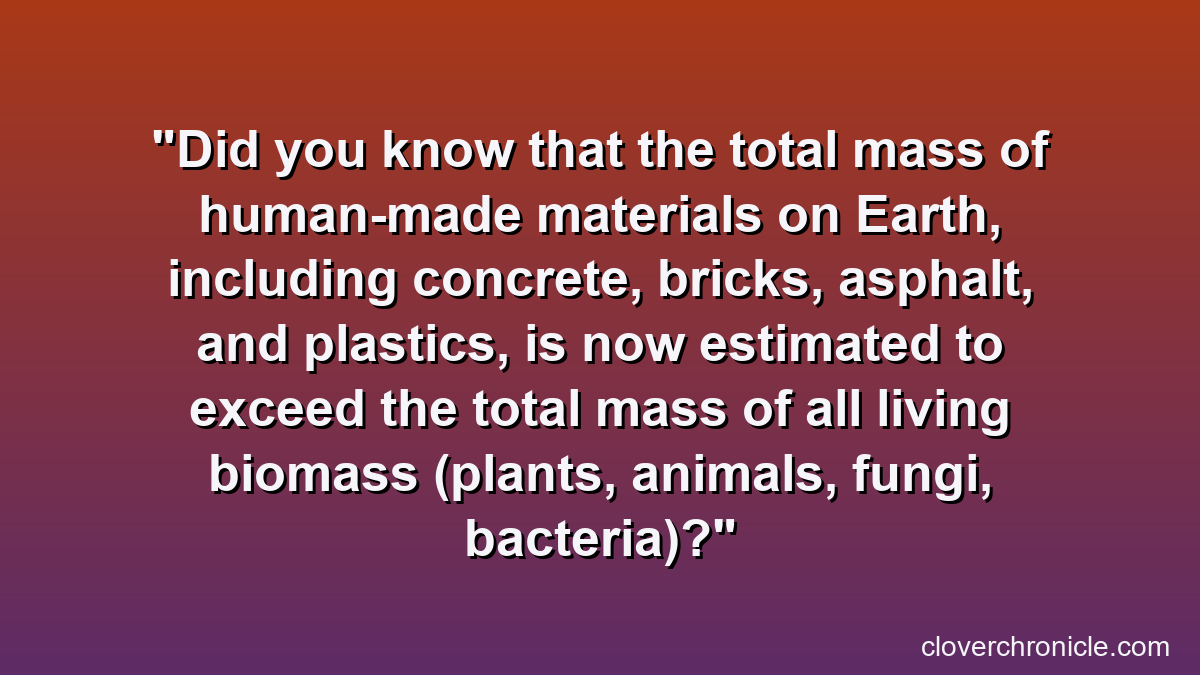
- ✅ Ubiquitous Plastics: Plastic particles are now found in virtually all environments, from the deepest ocean trenches to Arctic ice, forming a pervasive new “plastic layer” in future sedimentary rocks.
- ➡️ Concrete and Other Artificial Aggregates: The sheer volume of concrete, brick, and asphalt used in construction creates a distinct and massive artificial geological unit.
- 💡 Nuclear Signatures: Radionuclides from nuclear weapons testing in the mid-20th century have created a globally synchronous “spike” in isotopes, a potential stratigraphic marker for the Anthropocene boundary.
Human-Induced Seismicity
While natural tectonic forces dominate seismicity, certain human activities have been shown to induce earthquakes, adding another layer to our geological impact.
- ✅ Fracking: The injection of wastewater (a byproduct of hydraulic fracturing) into deep disposal wells has been linked to increased seismic activity in specific regions.
- ➡️ Reservoir-Induced Seismicity: The immense weight of water in large reservoirs behind dams can put pressure on faults, occasionally triggering earthquakes.
- 💡 Geothermal Energy Production: Injecting fluids into hot rock formations for geothermal energy extraction can also induce small earthquakes.
🔮 The Long-Term Geological Legacy of Humanity
The cumulative effects of human activities are not fleeting. They are establishing a permanent, detectable geological legacy that will inform future civilizations (or extraterrestrial geologists) about our presence on this planet.
Permanent Scarring: Irreversible Changes
- ✅ Altered Topography: Mountains removed by mining, new coastal configurations from land reclamation, and vast urban landscapes represent irreversible changes to the Earth’s surface.
- ➡️ Novel Deposits: Landfills, concrete layers, and plastic-rich sediments will form distinctive stratigraphic layers, unlike anything seen in previous geological epochs.
- 💡 Biogeochemical Shifts: Changes to atmospheric composition, ocean chemistry (e.g., acidification), and nutrient cycles will leave lasting geochemical signatures in the rock record. For a broader understanding of how life interacts with Earth systems, consider exploring Biogeology: Where Life Meets Earth Sciences.
A Call to Action for Geological Stewardship
Recognizing humanity as a geological force underscores our profound responsibility. Our actions today are writing the next chapter of Earth’s deep time. Understanding these dynamics is central to the broader field of Earth’s Unseen Forces: The Hidden Dynamics of Our Planet.
- ✅ Sustainable Resource Management: Minimizing our extractive footprint and promoting circular economies.
- ➡️ Climate Mitigation: Drastically reducing greenhouse gas emissions to slow human-induced climate change and its cascading geological effects.
- 💡 Environmental Restoration: Efforts to rehabilitate degraded landscapes, restore natural hydrological cycles, and re-establish ecosystems.
Recommended Video
Conclusion
The concept of human geology or anthropocene geology is not merely a scientific categorization; it’s a profound acknowledgment of our species’ unparalleled impact on the planet. From reshaping landforms with our infrastructure and mining operations to subtly altering atmospheric composition and ocean chemistry, humanity has emerged as a geological force, sculpting the Earth’s surface and subsurface in unprecedented ways.
The geological record of the future will bear our indelible mark – a layer rich in novel materials, altered sediment flows, and geochemical anomalies. Recognizing this reality is the first step toward embracing our role as stewards, rather than just inhabitants, of this dynamic planet. The choices we make today will determine the long-term geological legacy of humankind.
Frequently Asked Questions
What is ‘Human Geology’?
Human Geology, often linked to the Anthropocene, studies how human activities like construction, agriculture, and resource extraction significantly alter the Earth’s geological processes and landforms.
How do humans change landforms?
Humans change landforms through large-scale operations such as mining, dam building, creating artificial islands, deforestation, and extensive urbanization, leading to erosion, sedimentation, and new topographical features.
What is the Anthropocene Epoch?
The Anthropocene is a proposed new geological epoch characterized by profound and lasting human impact on Earth’s geology, ecosystems, and atmosphere, starting from roughly the Industrial Revolution.
Can these changes be reversed?
While some localized environmental damage can be mitigated or restored, many large-scale geological changes, like the creation of vast landfills or permanent land deformation, are irreversible on human timescales.