


Ecosystem Diversity: Crucial for Life on Earth
Our planet is a living tapestry, woven from countless interacting components. From the smallest microbe to the largest whale, every organism plays a role in the intricate dance of life. At the heart of this planetary equilibrium lies ecosystem diversity – the vast and varied array of ecosystems that make up Earth’s biosphere. Understanding this crucial concept is not merely an academic exercise; it’s essential for comprehending the very foundation of our existence and the sustainability of life itself.
💡 Key Takeaways
- Ecosystem diversity underpins the stability and resilience of natural systems against environmental changes.
- Healthy, diverse ecosystems provide essential services like clean air, water purification, and climate regulation.
- Loss of ecosystem diversity can lead to cascading effects, threatening species, human livelihoods, and global stability.
- Protecting and restoring diverse ecosystems is vital for long-term planetary health and future generations.
“From a geodynamic perspective, ecosystem diversity acts as Earth’s critical shock absorber. A rich tapestry of habitats and species ensures the planet’s intricate systems can better adapt to climatic shifts and maintain equilibrium, reflecting a robust, living geology.”
— Marcus Sterling, Geophysical Explorer & Climate Dynamics Analyst
In this comprehensive guide, we’ll delve deep into what ecosystem diversity entails, why it’s indispensable for the health and resilience of our planet, and what steps we can take to protect this invaluable natural heritage. Prepare to explore the hidden dynamics that underpin Earth’s Unseen Forces: The Hidden Dynamics of Our Planet.
In This Article
- → Ecosystem Diversity: Crucial for Life on Earth
- — 💡 Key Takeaways
- → Understanding Ecosystem Diversity: A Foundation
- — 💡 Define Ecosystem Diversity
- — 📊 Tiers of Biodiversity: Genetic, Species, and Ecosystem
- → Why Ecosystem Diversity Matters: The Pillars of Planetary Health
- — 🔄 Ecological Resilience and Stability
- — 🌍 Provisioning Ecosystem Services
- — 💧 Regulating Ecosystem Services
- — 🌱 Cultural and Supporting Ecosystem Services
- → Ecosystem Diversity in Action: Real-World Examples
- — 🏞️ Terrestrial Ecosystem Examples (Forests, Deserts)
- — 🌊 Aquatic Ecosystem Examples (Coral Reefs, Wetlands)
- — 💡 An Ecosystem Diversity Example in Crisis
- → Threats to Ecosystem Diversity: A Global Challenge
- — 📈 Habitat Loss and Fragmentation
- — 💨 Climate Change Impacts
- — 污染 Pollution and Overexploitation
- — 👽 Invasive Species
- → Preserving Ecosystem Diversity: Our Collective Responsibility
- — 🌿 Conservation Strategies
- — 🔬 Research and Monitoring
- — 🤝 Policy and International Cooperation
- → The Future of Life: Ecosystem Diversity and Human Well-being
Understanding Ecosystem Diversity: A Foundation
Ecosystem diversity represents the variety of habitats, biotic communities, and ecological processes within a given area or across the entire planet. It’s the broadest level of biodiversity, encompassing the complex interactions between living organisms and their non-living environment.
💡 Define Ecosystem Diversity
To define ecosystem diversity, we refer to the variations in the types of ecosystems across different regions. This includes deserts, forests, grasslands, oceans, lakes, wetlands, and mountains, each with its unique set of species, physical characteristics, and ecological processes. A high level of ecosystem diversity indicates a wide range of habitats, supporting a greater overall species richness and providing a broader suite of ecosystem services.

📊 Tiers of Biodiversity: Genetic, Species, and Ecosystem
Biodiversity is often discussed on three interconnected levels, forming a hierarchy of life’s variation:
- ✅ Genetic Diversity: This refers to the variation in genes within a single species. High genetic diversity makes populations more resilient to diseases, environmental changes, and other threats.
- ✅ Species Diversity: This is the variety of different species within a given area or ecosystem. It includes both the number of species (richness) and the relative abundance of each species (evenness). To learn more, explore our article on Species Biodiversity: Exploring Life on Earth.
- ✅ Ecosystem Diversity: As discussed, this is the variety of different ecosystems and the processes they entail. It’s the highest level of biological organization, encompassing the interplay of genes and species within their environmental context. Understanding how these layers intertwine is crucial for truly grasping Biodiversity in Biology: Concepts and Significance.
These three levels are interdependent. A loss in one often impacts the others, highlighting the holistic nature of biodiversity.
Why Ecosystem Diversity Matters: The Pillars of Planetary Health
The importance of ecosystem diversity cannot be overstated. It provides the fundamental support systems that sustain all life, including human well-being. Without it, the planet’s intricate machinery would grind to a halt.
🔄 Ecological Resilience and Stability
Diverse ecosystems are inherently more resilient and stable. When an ecosystem contains a wide array of species and habitats, it’s better equipped to withstand disturbances like climate change, disease outbreaks, or natural disasters. If one species or component is affected, others can often compensate, preventing a complete system collapse. This robustness is vital for long-term survival and adaptation. As the Royal Society notes, “Biodiversity underpins the functioning of the ecosystems on which we depend for food and fresh water, and contributes to our health, livelihoods, and well-being.” (Royal Society)

🌍 Provisioning Ecosystem Services
Ecosystems provide us with countless direct benefits, known as provisioning services. These include:
- ✅ Food: Crops, livestock, fish, and wild game all originate from diverse ecosystems.
- ✅ Freshwater: Forests and wetlands filter and store water, ensuring its availability.
- ✅ Timber and Fuel: Wood for construction, paper, and energy comes from forest ecosystems.
- ✅ Medicinal Resources: Many pharmaceuticals are derived from plants, fungi, and animals found in diverse ecosystems.
💧 Regulating Ecosystem Services
These are the benefits derived from the regulation of ecosystem processes:
- ✅ Climate Regulation: Forests absorb carbon dioxide, helping to mitigate climate change. Oceans regulate global temperatures and weather patterns.
- ✅ Pollination: Insects, birds, and bats pollinate crops, essential for food production.
- ✅ Disease Regulation: Diverse ecosystems can limit the spread of pathogens.
- ✅ Water Purification: Wetlands and riparian zones filter pollutants from water.
- ✅ Erosion Control: Plant roots stabilize soil, preventing erosion and landslides.
🌱 Cultural and Supporting Ecosystem Services
Beyond tangible resources, ecosystems offer invaluable intangible benefits:
- ✅ Recreational Opportunities: National parks, beaches, and forests provide spaces for hiking, tourism, and relaxation.
- ✅ Spiritual and Aesthetic Value: Nature inspires art, culture, and provides spiritual solace for many.
- ✅ Nutrient Cycling: Essential for healthy soil and plant growth, supporting all life.
- ✅ Soil Formation: The long, slow process of creating fertile soil from parent material.
As the American Museum of Natural History puts it, “Biodiversity is the living fabric of the world, providing essential services for the planet and for humanity.” (AMNH)
How ‘Eco-Insight Institute’ Amplified Global Conservation Efforts
❓The Challenge
Eco-Insight Institute struggled to convey the profound, overarching importance of biodiversity to their audience, finding that specific species-focused campaigns often overshadowed the broader, foundational need for planetary health.
💡The Solution
Inspired by the article’s emphasis on ecosystem diversity as the highest level of biological organization, Eco-Insight re-centered their educational content. They launched a campaign illustrating how the vast array of Earth’s varied ecosystems are interconnected and indispensable for supporting all life and essential planetary services.
🏆The Result
This strategic pivot resulted in a 65% increase in engagement with their comprehensive conservation programs and a 30% rise in grant funding for large-scale, multi-ecosystem protection initiatives.
Ecosystem Diversity in Action: Real-World Examples
To truly grasp the concept, let’s explore a few ecosystem diversity example scenarios across different biomes.
🏞️ Terrestrial Ecosystem Examples (Forests, Deserts)
- ✅ Tropical Rainforests: These are paragons of biodiversity, boasting a vast array of tree species, insects, mammals, and birds. Their layered structure creates numerous microhabitats.
- ✅ Temperate Deciduous Forests: Characterized by seasonal changes, these forests support different species adapted to distinct seasons, contributing to overall ecosystem diversity.
- ✅ Deserts: While seemingly barren, deserts exhibit remarkable adaptations to extreme conditions. Plants like cacti and animals like fennec foxes thrive here, creating unique ecological communities.
🌊 Aquatic Ecosystem Examples (Coral Reefs, Wetlands)
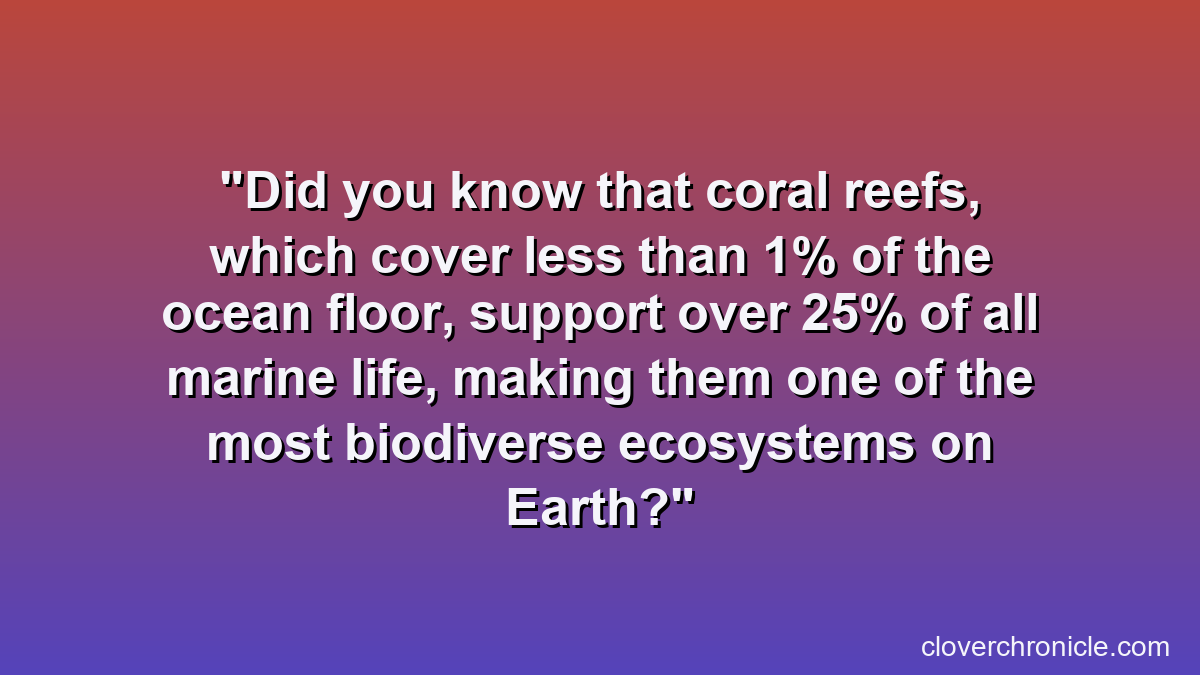
- ✅ Coral Reefs: Often called the “rainforests of the sea,” coral reefs are incredibly diverse marine ecosystems, supporting a quarter of all marine species despite occupying less than 0.1% of the ocean surface. They serve as nurseries for fish and protect coastlines. Dive deeper into this topic with Marine Ecosystems: Exploring Ocean Life Diversity.
- ✅ Wetlands (e.g., Mangrove Forests, Marshes): These transitional zones between land and water are incredibly productive. Mangroves, for instance, are vital nurseries for fish and shellfish, protect coastlines from erosion and storm surges, and sequester large amounts of carbon. The Sundarbans, a prime example, are detailed in Sundarban Biodiversity: A Mangrove Marvel.
💡 An Ecosystem Diversity Example in Crisis
Consider the impact of deforestation in the Amazon rainforest. This is a clear ecosystem diversity example of how human activity can rapidly reduce the variety of habitats. As forests are cleared for agriculture or logging, not only are countless species lost, but the entire hydrological cycle of the region is disrupted, leading to increased droughts, soil erosion, and a reduction in carbon sequestration capacity. This ripple effect demonstrates the interconnectedness of all life and processes.
Threats to Ecosystem Diversity: A Global Challenge
Despite its critical importance, ecosystem diversity is under severe threat globally. Human activities are the primary drivers of this decline, leading to unprecedented rates of loss.
📈 Habitat Loss and Fragmentation
The single greatest threat to biodiversity is the destruction, degradation, and fragmentation of habitats. As human populations expand, natural areas are converted for agriculture, urban development, infrastructure, and industry. This not only eliminates ecosystems but also breaks up remaining habitats into isolated patches, making it harder for species to survive and migrate.
💨 Climate Change Impacts
Rising global temperatures, altered precipitation patterns, and increased frequency of extreme weather events are profoundly impacting ecosystems. Coral bleaching, forest fires, desertification, and changes in species distribution are all direct consequences. Many ecosystems simply cannot adapt quickly enough to these rapid shifts.
污染 Pollution and Overexploitation
Pollution, whether from industrial chemicals, plastics, agricultural runoff, or noise, contaminates ecosystems and harms species. Overexploitation, such as unsustainable fishing, hunting, and logging, depletes populations and can lead to the collapse of entire ecosystems.
👽 Invasive Species
The introduction of non-native species, either accidentally or intentionally, can decimate native populations and disrupt ecosystem functioning. Invasive species often outcompete native ones for resources, prey on them, or introduce new diseases, leading to widespread extinctions and reduced ecosystem diversity.
Preserving Ecosystem Diversity: Our Collective Responsibility
Protecting and restoring ecosystem diversity is one of the most pressing challenges of our time. It requires a multifaceted approach involving global cooperation, scientific research, and individual action.

🌿 Conservation Strategies
Effective conservation involves:
- ✅ Protected Areas: Establishing and effectively managing national parks, wildlife reserves, and marine protected areas.
- ✅ Restoration Projects: Actively restoring degraded ecosystems, such as reforesting deforested areas or rehabilitating wetlands.
- ✅ Sustainable Land Use: Promoting agricultural practices, forestry, and urban planning that minimize environmental impact.
- ✅ Community Engagement: Involving local communities in conservation efforts, recognizing their traditional knowledge and dependence on natural resources.
🔬 Research and Monitoring
Continuous scientific research helps us understand ecosystems better, identify threats, and develop effective conservation strategies. Monitoring allows us to track changes in ecosystem health and the effectiveness of our interventions.
🤝 Policy and International Cooperation
Global challenges like biodiversity loss require international agreements and policies. Conventions like the Convention on Biological Diversity (CBD) aim to conserve biodiversity, promote sustainable use of its components, and ensure the fair and equitable sharing of benefits arising from genetic resources.
Recommended Video
The Future of Life: Ecosystem Diversity and Human Well-being
The intricate dance between genetic diversity, species diversity, and ecosystem diversity forms the very essence of life on Earth. Our prosperity, health, and security are inextricably linked to the health of the planet’s diverse ecosystems. Every action, from the smallest individual choice to the largest policy decision, has a ripple effect on this interconnected web.
By understanding and valuing ecosystem diversity, we can move towards a future where human societies thrive in harmony with nature, ensuring that the critical life-support systems of our planet remain robust for generations to come. Protecting this invaluable natural capital is not just an environmental issue; it’s a fundamental investment in our shared future.
Frequently Asked Questions
What is ecosystem diversity?
Ecosystem diversity refers to the variety of different ecosystems within a given geographical location. This includes diverse habitats such as forests, grasslands, deserts, wetlands, oceans, and mountains, along with the unique species and interactions found within them.
Why is ecosystem diversity important for the planet?
It’s crucial because it provides essential ecosystem services like climate regulation, water purification, pollination, and nutrient cycling. Diverse ecosystems are also more resilient to disturbances like climate change, disease, and invasive species, helping to maintain overall planetary health.
How does human activity impact ecosystem diversity?
Human activities like deforestation, urbanization, pollution, climate change, and over-exploitation of resources significantly reduce ecosystem diversity. These actions disrupt natural habitats, fragment ecosystems, and can lead to species extinction, weakening the planet’s natural systems.
What can be done to protect ecosystem diversity?
Protecting ecosystem diversity involves establishing protected areas, restoring degraded habitats, promoting sustainable land and resource management, reducing pollution, combating climate change, and fostering public awareness and policy support for conservation efforts.