

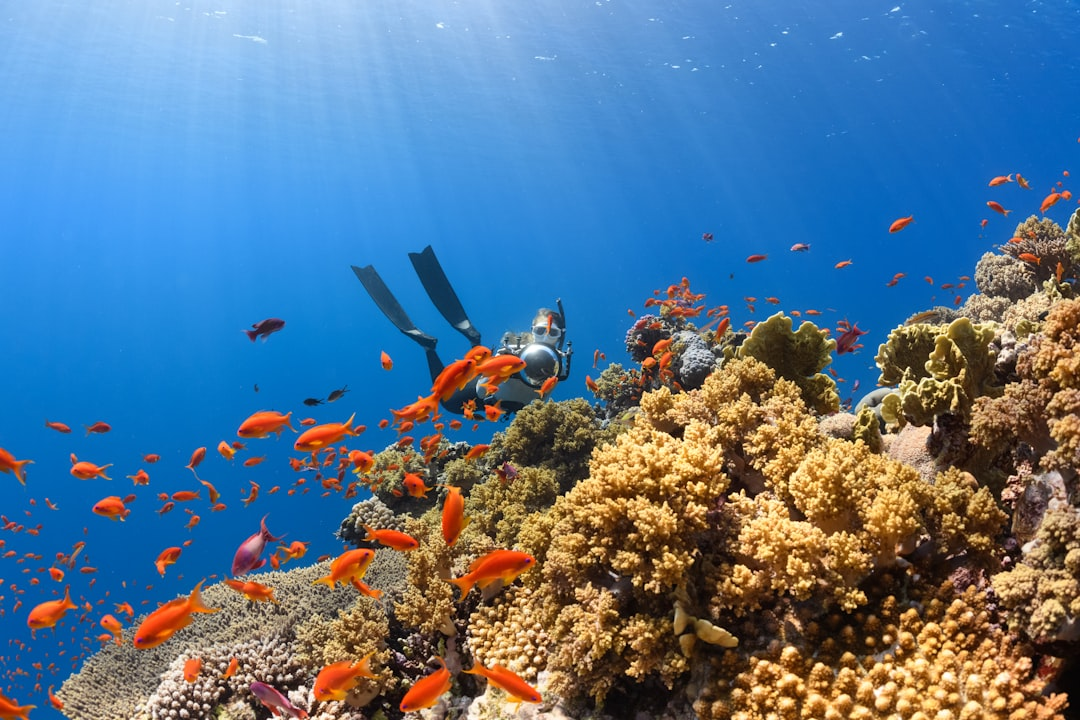
Our planet, often called the “Blue Planet,” is predominantly covered by water, harboring an astonishing array of life. Beneath the shimmering surface of oceans, seas, rivers, and lakes lies a vibrant, complex world teeming with creatures great and small. This intricate web of life is known as aquatic biodiversity.
💡 Key Takeaways
- Aquatic biodiversity encompasses all life forms in Earth’s oceans, lakes, and rivers.
- These ecosystems are vital for global climate regulation, food sources, and ecological balance.
- Threats like pollution, climate change, and overfishing pose significant risks to aquatic life.
- Conservation efforts are crucial to protect and restore these invaluable underwater environments.
“The intricate dance of life in our aquatic realms is a powerful indicator of planetary health. Every species, from microscopic plankton to colossal whales, plays a critical role in the complex climate dynamics that shape our world.”
— Marcus Sterling, Geophysical Explorer & Climate Dynamics Analyst
Understanding and preserving this unseen world is paramount to the health of our global ecosystem. This comprehensive guide will explore the depths of aquatic biodiversity, from its fundamental definitions to its critical importance, the threats it faces, and the vital conservation efforts underway to protect it for future generations.
In This Article
- — 💡 Key Takeaways
- → 🌊 What is Aquatic Biodiversity?
- — 💡 Key Components of Aquatic Biodiversity:
- → 🌍 Types of Aquatic Ecosystems: Marine and Freshwater Realms
- — 🐠 Marine Ecosystems: The Ocean’s Grand Tapestry
- — 🏞️ Freshwater Ecosystems: Rivers, Lakes, and Wetlands
- → 🐠 The Incredible Diversity of Aquatic Life Forms
- — 🔬 Microorganisms and Invertebrates: The Foundation of the Food Web
- — 🦈 Fish, Reptiles, Birds, and Mammals: Apex Predators and Iconic Species
- → 💡 Why Aquatic Biodiversity Matters: Ecosystem Services
- — 💧 Essential Services Provided by Aquatic Biodiversity:
- → Threats to Aquatic Biodiversity
- — 🏭 Major Drivers of Decline:
- → Guardians of the Deep: Conservation Efforts
- — 🌱 Key Conservation Strategies:
- → Conclusion: A Call to Protect Our Blue Heart
🌊 What is Aquatic Biodiversity?
Aquatic biodiversity refers to the variety of life forms, habitats, and ecological processes found in water-based environments. It encompasses all living organisms — from microscopic bacteria and algae to colossal whales and ancient fish — that call aquatic ecosystems home. This diversity is not just about the number of species, but also the genetic variation within those species and the diversity of the ecosystems themselves.
Ocean Guardians Foundation Boosts Engagement with Biodiversity Storytelling
❓The Challenge
The non-profit struggled with low engagement on their online educational content, failing to effectively convey the critical importance and complexity of aquatic life to their audience.
💡The Solution
By leveraging the guide’s comprehensive framework of aquatic biodiversity, Ocean Guardians revamped their storytelling, focusing on specific examples of species, genetic, and ecosystem diversity across varied marine habitats like vibrant coral reefs and the mysterious deep sea.
🏆The Result
This deeper, more illustrative approach led to a 55% increase in online course sign-ups and a 30% rise in monthly donor conversions within three months.
💡 Key Components of Aquatic Biodiversity:
- ✅ Species Diversity: The vast array of different species found in a particular aquatic environment. This includes everything from phytoplankton and zooplankton to fish, marine mammals, corals, and aquatic plants.
- ✅ Genetic Diversity: The variation in genes within a single species, which allows populations to adapt to changing environmental conditions and resist diseases.
- ✅ Ecosystem Diversity: The variety of aquatic habitats and ecological processes, such as coral reefs, kelp forests, estuaries, deep-sea vents, freshwater lakes, and river systems, each with its unique set of interacting species and environmental conditions.
🌍 Types of Aquatic Ecosystems: Marine and Freshwater Realms
Aquatic biodiversity thrives across two primary types of water bodies: marine (saltwater) and freshwater. Each realm presents unique challenges and opportunities for life, fostering distinct evolutionary pathways and ecological communities.
🐠 Marine Ecosystems: The Ocean’s Grand Tapestry
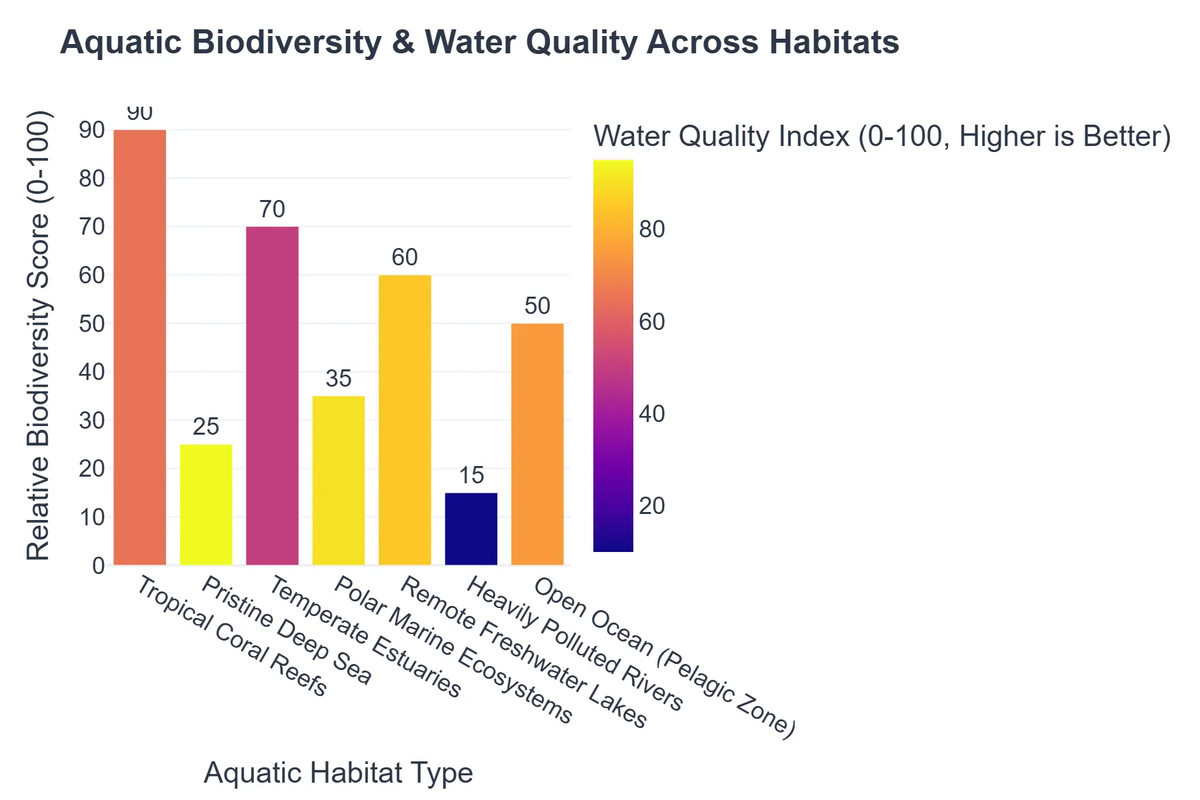
Covering over 70% of the Earth’s surface, marine ecosystems are the largest and most diverse aquatic environments. They range from the sunlit surface waters to the crushing depths of the abyssal plain. The sheer scale and variety of habitats contribute to an incredible density of life.
- ➡️ Coastal Zones: Highly productive areas including estuaries, mangroves, salt marshes, and coral reefs. These are often nurseries for many marine species and provide critical ecosystem services. For instance, coral reefs are vibrant underwater cities teeming with life.
- ➡️ Open Ocean (Pelagic Zone): The vast expanse of the open sea, characterized by different depth zones, from the epipelagic (sunlight zone) to the hadal (trenches).
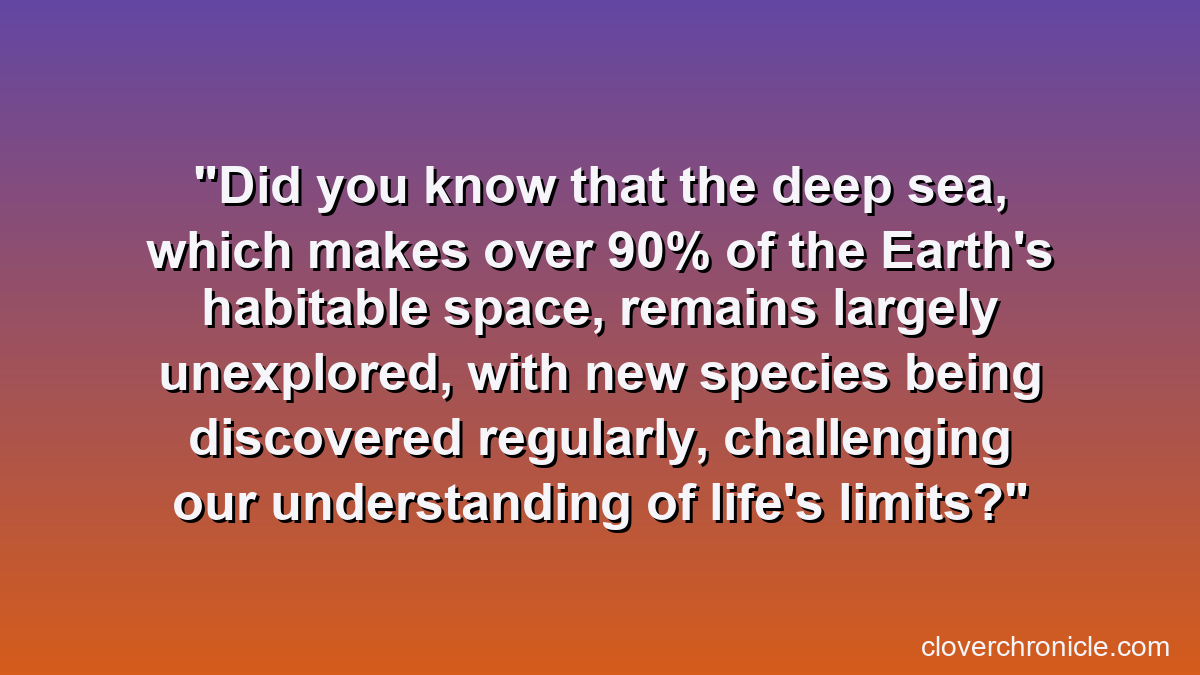
- ➡️ Deep Sea: A realm of extreme pressure, darkness, and cold, yet home to fascinating, often bioluminescent, creatures and unique ecosystems like hydrothermal vents and cold seeps, which support life independently of sunlight. Research into deep-sea marine life is ongoing, with new studies constantly revealing its secrets.
🏞️ Freshwater Ecosystems: Rivers, Lakes, and Wetlands
Though they cover a much smaller area than marine environments, freshwater ecosystems are disproportionately rich in species, supporting an enormous percentage of the world’s known fish species and a wide array of other aquatic life.
- ➡️ Lakes and Ponds: Still water bodies that vary greatly in size, depth, and nutrient levels, supporting diverse communities from phytoplankton to large fish and waterfowl.
- ➡️ Rivers and Streams: Flowing water systems that transport nutrients and sediment, creating diverse habitats from fast-flowing rapids to slow-moving meanders.
- ➡️ Wetlands: Areas where water covers the soil or is present either at or near the surface of the soil all year or for varying periods during the year, including marshes, swamps, and bogs. These are ecological powerhouses, providing flood control, water purification, and critical habitats.
🐠 The Incredible Diversity of Aquatic Life Forms
The sheer variety of life found in aquatic environments is awe-inspiring. From the smallest microorganisms to the largest mammals, each plays a vital role in maintaining the balance of its ecosystem.
🔬 Microorganisms and Invertebrates: The Foundation of the Food Web
- ✅ Phytoplankton: Microscopic plant-like organisms that photosynthesize, forming the base of nearly all marine and many freshwater food webs. They produce a significant portion of the Earth’s oxygen.
- ✅ Zooplankton: Tiny animals that feed on phytoplankton and are, in turn, a food source for larger aquatic creatures.
- ✅ Corals: Tiny polyps that build massive, complex reef structures, providing habitat and food for countless other species.
- ✅ Crustaceans and Mollusks: Lobsters, crabs, shrimp, clams, oysters, and snails represent a huge portion of aquatic invertebrates, essential for nutrient cycling and food chains.
- ✅ Jellyfish and Ctenophores: These gelatinous organisms are found throughout the water column, even beneath ice, playing important ecological roles. For instance, life beneath the ice in the Ross Sea includes various jellyfish and ctenophores.
🦈 Fish, Reptiles, Birds, and Mammals: Apex Predators and Iconic Species
- ✅ Fish: The most diverse group of vertebrates in aquatic environments, ranging from tiny minnows to colossal sharks, occupying almost every niche. For a broader understanding of life forms, consider exploring Species Biodiversity: Exploring Life on Earth.
- ✅ Aquatic Reptiles: Sea turtles, sea snakes, and crocodiles are critical components of certain aquatic ecosystems.
- ✅ Aquatic Birds: Seabirds, shorebirds, and waterfowl rely on aquatic environments for food and nesting, playing roles in nutrient cycling and seed dispersal.
- ✅ Marine Mammals: Whales, dolphins, seals, manatees, and otters are top predators and indicators of ecosystem health.
💡 Why Aquatic Biodiversity Matters: Ecosystem Services
The health and diversity of aquatic ecosystems provide invaluable services that underpin human well-being and global environmental stability. These are often called “ecosystem services” and contribute trillions of dollars to the global economy annually, as highlighted by resources like Marine Biodiversity: The Trillion-Dollar Economic Powerhouse Beneath the Waves.
💧 Essential Services Provided by Aquatic Biodiversity:
- ➡️ Oxygen Production: Phytoplankton in oceans produce a significant portion of the Earth’s atmospheric oxygen, essential for all aerobic life.
- ➡️ Climate Regulation: Oceans absorb vast amounts of CO2, acting as a crucial carbon sink, thereby regulating global climate patterns. Healthy marine ecosystems enhance this capacity.
- ➡️ Food Security: Aquatic environments are a primary source of protein for billions of people worldwide through fisheries and aquaculture.
- ➡️ Water Purification: Wetlands, mangroves, and other aquatic plants filter pollutants and excess nutrients from water, improving water quality.
- ➡️ Coastal Protection: Coral reefs, mangroves, and salt marshes act as natural barriers, protecting coastlines from storms, erosion, and tsunamis.
- ➡️ Economic Value: Beyond food, aquatic biodiversity supports tourism, recreation, pharmaceutical development, and provides raw materials for various industries.
- ➡️ Cultural and Aesthetic Value: The beauty and wonder of aquatic environments inspire art, science, and provide recreational opportunities that enhance human quality of life.
Threats to Aquatic Biodiversity
Despite its critical importance, aquatic biodiversity faces unprecedented threats, largely due to human activities. These challenges are interconnected and often exacerbate one another, leading to rapid declines in species populations and ecosystem degradation. For a broader understanding of such threats, refer to Earth’s Unseen Forces: The Hidden Dynamics of Our Planet.
🏭 Major Drivers of Decline:
- 🚫 Pollution:
- 🗑️ Plastic Pollution: Ingested by marine life, causing blockages and starvation, or entangling animals.
- 🧪 Chemical Pollution: Runoff from agriculture (pesticides, fertilizers), industrial waste, and pharmaceuticals contaminate water, leading to dead zones and ecosystem collapse.
- 🛢️ Oil Spills: Catastrophic events that devastate marine life and habitats for decades.
- 🎣 Overfishing and Destructive Fishing Practices:
- 📉 Depletion of fish stocks beyond sustainable levels, impacting entire food webs.
- 💥 Bottom trawling, dynamite fishing, and cyanide fishing destroy habitats like coral reefs and indiscriminately kill non-target species (bycatch).
- 🌡️ Climate Change:
- 🔥 Ocean Warming: Causes coral bleaching, alters species distribution, and disrupts reproductive cycles.
- 逍 Ocean Acidification: Increased absorption of CO2 by oceans leads to lower pH, making it harder for shell-forming organisms (like corals and mollusks) to build and maintain their shells.
- 🧊 Sea Level Rise: Threatens coastal habitats like mangroves and salt marshes. For specific impacts, read Climate Change: Impact on Arctic Biodiversity.
- 🚧 Habitat Destruction and Degradation:
- 🏗️ Coastal development, dredging, damming rivers, and urbanization destroy vital wetlands, estuaries, and riverine habitats.
- 🌳 Mangrove deforestation for aquaculture or development removes critical nurseries and protective barriers. The link between Deforestation and Biodiversity: The Devastating Link is not limited to land but impacts aquatic environments too.
- 🚢 Invasive Species:
- IntroduIntroduction of non-native species (often via ballast water) that outcompete native species, disrupt food webs, and introduce diseases.
Guardians of the Deep: Conservation Efforts
Recognizing the immense value and vulnerability of aquatic biodiversity, numerous conservation efforts are underway globally. These initiatives range from international agreements to grassroots community projects, all striving to protect and restore our aquatic treasures.
🌱 Key Conservation Strategies:
- Establishing Protected Areas:
- 🏞️ Marine Protected Areas (MPAs): Designated areas in oceans, estuaries, or Great Lakes where human activities are regulated or prohibited to protect marine life and habitats.
- 💧 Freshwater Reserves: Protecting critical stretches of rivers, lakes, and wetlands from pollution and development.
- Sustainable Fisheries Management:
- ⚖️ Implementing quotas, regulating fishing gear, enforcing seasonal closures, and promoting responsible aquaculture practices to ensure fish populations can recover and thrive.
- 🤝 Supporting certification programs (e.g., Marine Stewardship Council) that identify sustainably caught seafood.
- Pollution Reduction:
- 🚮 Reducing plastic production and improving waste management systems to prevent plastic from entering waterways.
- ♻️ Developing and implementing policies to reduce industrial and agricultural runoff.
- 🧼 Promoting eco-friendly products and responsible disposal of chemicals.
- Restoration Projects:
- 🌿 Reforesting mangroves, restoring coral reefs through transplantation, and rehabilitating degraded wetlands and riverbanks.
- 🌊 Projects aimed at cleaning up polluted areas and reintroducing native species.
- Research and Monitoring:
- 🔬 Continuously studying aquatic ecosystems to understand their health, identify threats, and inform conservation strategies.
- 📊 Tracking populations of key species and indicators of ecosystem health.
- Public Awareness and Education:
- 📢 Educating communities about the importance of aquatic biodiversity and encouraging sustainable practices.
- Schools and outreach programs play a vital role in fostering a sense of stewardship.
- International Cooperation:
- 🌎 Global agreements and treaties (e.g., Convention on Biological Diversity, CITES) are crucial for addressing transboundary issues like migratory species protection and pollution.
Recommended Video
Conclusion: A Call to Protect Our Blue Heart
Aquatic biodiversity is not merely a collection of species; it is the lifeblood of our planet. From generating the oxygen we breathe to regulating our climate and providing sustenance, the health of our aquatic ecosystems directly impacts every living being on Earth. The intricate balance beneath the waves, whether in the vast ocean or a quiet freshwater stream, is a testament to nature’s profound complexity and resilience.
However, this invaluable natural heritage is under severe pressure. Recognizing the threats and taking decisive action are no longer options but urgent necessities. Through continued research, stringent conservation policies, sustainable practices, and collective global effort, we can safeguard the richness of life beneath the waves. The future of our blue planet, and indeed our own, depends on our commitment to protecting its unseen forces and the vibrant biodiversity they sustain.
Frequently Asked Questions
What is aquatic biodiversity?
Aquatic biodiversity refers to the variety of life forms found in water, including all plants, animals, microorganisms, and their ecosystems in oceans, rivers, lakes, and wetlands.
Why is aquatic biodiversity important?
It provides essential ecosystem services such as climate regulation, oxygen production, food resources, water purification, and supports global ecological balance.
What are the biggest threats to aquatic biodiversity?
Major threats include pollution (plastic, chemical), climate change (ocean acidification, rising temperatures), overfishing, habitat destruction, and invasive species.
How can we protect aquatic biodiversity?
Protection involves reducing pollution, supporting sustainable fishing practices, establishing marine protected areas, combating climate change, and promoting public awareness and education.