
AWS Blockchain: Enterprise Development Solutions
In the rapidly evolving landscape of digital innovation, blockchain technology has emerged as a transformative force, promising unprecedented levels of transparency, security, and efficiency. For enterprises looking to harness this power without the complexities of infrastructure management, AWS Blockchain offers a compelling suite of services. This article dives deep into how Amazon Web Services (AWS) empowers businesses to build, deploy, and scale robust blockchain applications, charting the course for tomorrow’s technology within the enterprise.
💡 Key Takeaways
- AWS simplifies blockchain deployment with managed services, reducing operational overhead.
- Enterprises can build secure and scalable blockchain networks for various use cases.
- AWS Blockchain integrates seamlessly with other AWS services for comprehensive solutions.
- Managed Blockchain supports popular frameworks like Hyperledger Fabric and Ethereum.
“AWS Blockchain services are not just about technology; they’re about democratizing decentralized trust. As AI advances, combining it with enterprise blockchain on a robust cloud platform like AWS becomes crucial for ensuring ethical data provenance and a fair digital future.”
— Kira Chen, Futurist & AI Ethics Advocate
We’ll explore the core offerings, key benefits, and practical applications that make AWS an indispensable partner for modern enterprise development. Whether you’re aiming to streamline supply chains, manage digital assets, or enable secure inter-organizational data sharing, AWS provides the foundational solutions to turn your blockchain vision into reality. This aligns perfectly with our broader exploration into Future Perfect?: Charting the Course of Tomorrow’s Technology, where blockchain plays a pivotal role.
In This Article
- → AWS Blockchain: Enterprise Development Solutions
- — 💡 Key Takeaways
- → The Promise of AWS Blockchain in the Enterprise
- — Why Enterprises Need Blockchain
- — Overcoming Traditional Blockchain Hurdles
- → Core AWS Blockchain Services for Developers
- — 🛠️ Amazon Managed Blockchain: Your Go-To Service
- — 🚀 AWS Blockchain Templates: Accelerating Development
- → Key Benefits of Building on AWS Blockchain
- — Scalability and Performance
- — Enhanced Security and Compliance
- — Cost-Efficiency and Operational Simplicity
- → Common Enterprise Use Cases for AWS Blockchain
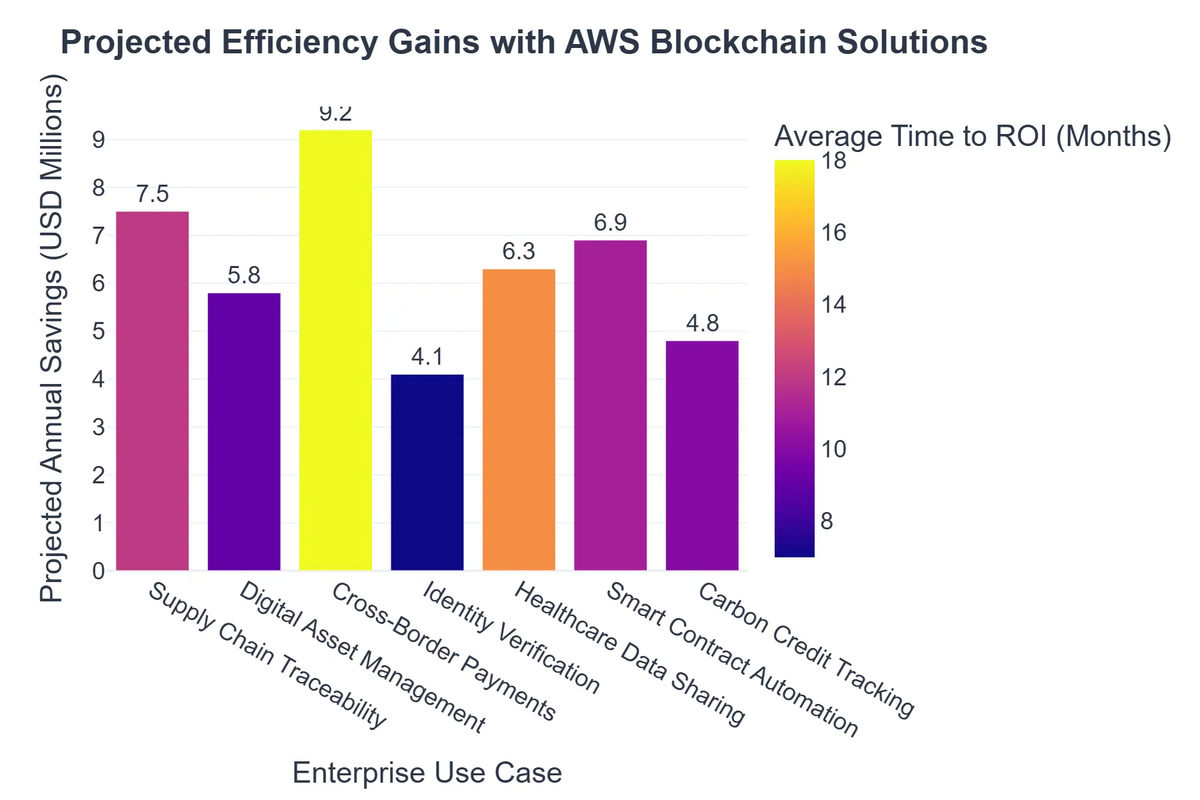
- — Supply Chain Transparency
- — Digital Asset Management
- — Inter-Organizational Data Sharing
- — Decentralized Finance (DeFi) Applications
- → Getting Started with AWS Blockchain Enterprise Development
- — Planning Your Blockchain Solution
- — Leveraging AWS Tools and Ecosystem
- — Best Practices for Deployment
- → Conclusion: Charting the Future with AWS Blockchain Solutions
The Promise of AWS Blockchain in the Enterprise
The allure of blockchain for businesses is undeniable: immutable ledgers, decentralized trust, and enhanced data integrity. However, the operational hurdles of setting up, managing, and scaling a blockchain network can be formidable. This is where cloud-based solutions, particularly those offered by AWS, become invaluable.
Why Enterprises Need Blockchain
- ✅ Enhanced Trust: Blockchain creates a shared, immutable record among participants, fostering trust in multi-party transactions and data exchanges.
- ➡️ Increased Transparency: All authorized participants have access to the same version of the truth, reducing disputes and improving auditability.
- 💡 Greater Security: Cryptographic principles protect data, making it resistant to tampering and unauthorized access.
- ⚙️ Improved Efficiency: Automation of processes via smart contracts can significantly reduce manual effort and intermediaries.
Overcoming Traditional Blockchain Hurdles
Historically, deploying and managing blockchain networks involved significant challenges:
- 💰 High Initial Costs: Setting up hardware, software, and skilled personnel.
- ⏳ Complex Configuration: Network setup, peer provisioning, certificate management, and more.
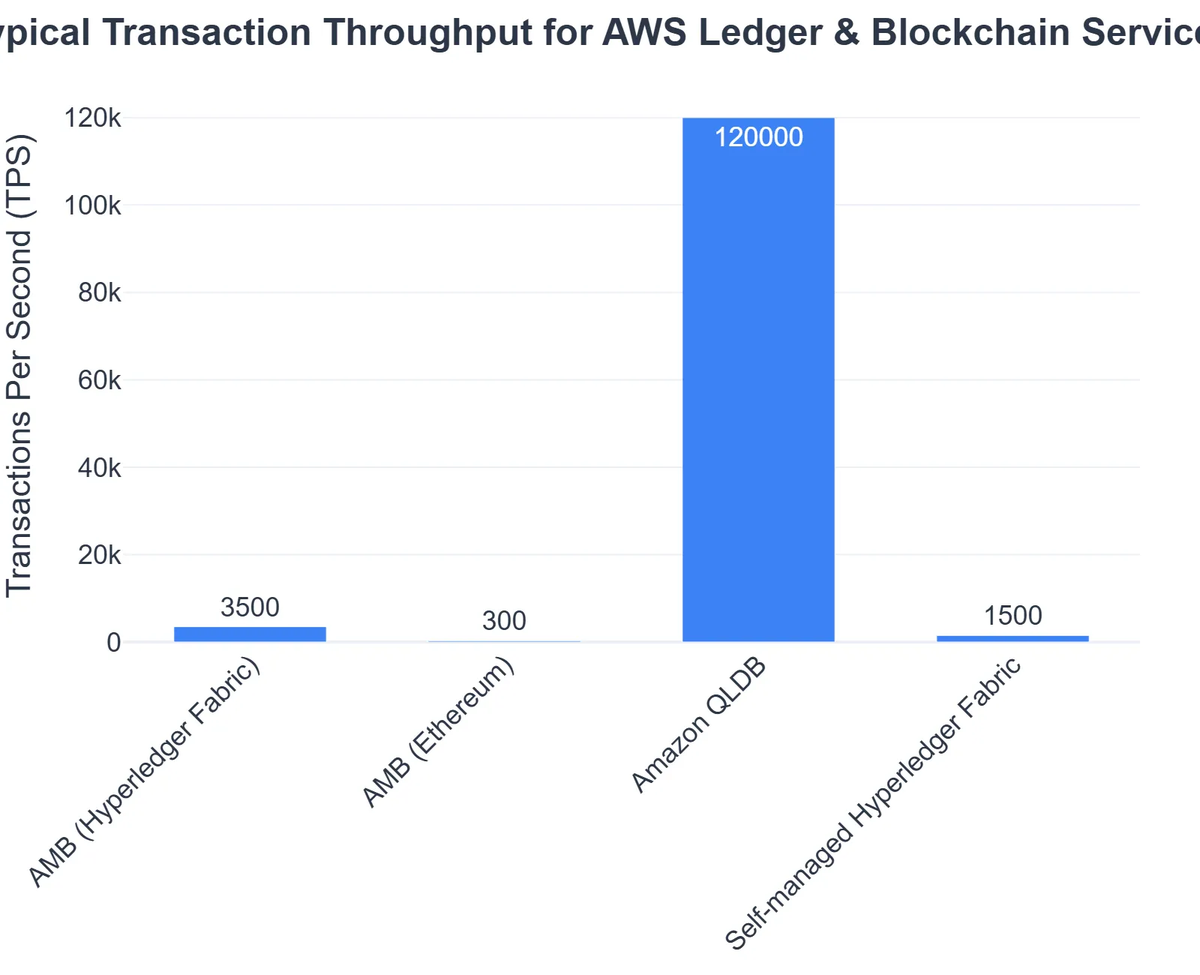
- 📈 Scalability Issues: Ensuring the network can handle growing transaction volumes and participant numbers.
- 🛡️ Operational Overhead: Ongoing maintenance, monitoring, and security patching.
AWS addresses these hurdles by abstracting away the underlying infrastructure, allowing enterprises to focus solely on their application logic and business value.
Core AWS Blockchain Services for Developers
AWS offers specialized services designed to simplify blockchain deployment and management. The two primary offerings for enterprise development are Amazon Managed Blockchain and AWS Blockchain Templates.
🛠️ Amazon Managed Blockchain: Your Go-To Service
Amazon Managed Blockchain is a fully managed service that makes it easy to create and manage scalable blockchain networks using popular open-source frameworks like Hyperledger Fabric and Ethereum. It automates the provisioning of hardware, setup of software, and configuration of network components, enabling developers to quickly get started without deep blockchain infrastructure expertise.
- ✅ Simplified Network Management: Automates node provisioning, certificate management, and network scaling.
- ➡️ Scalability: Easily scale your network up or down based on demand, accommodating growing transaction volumes and participants.
- 💡 Durability and Availability: Built on highly available AWS infrastructure, ensuring your blockchain network remains operational.
- 🛡️ Integrated Security: Leverages AWS security features for network access, data encryption, and identity management.
- 📊 Monitoring: Integration with Amazon CloudWatch allows for comprehensive monitoring of network performance.
For more details on its capabilities, you can refer to the official Amazon Managed Blockchain page.
🚀 AWS Blockchain Templates: Accelerating Development
Beyond the managed service, AWS provides AWS Blockchain Templates. These templates offer a quick way to deploy blockchain networks using cloud formation, automating the provisioning of all necessary AWS resources (EC2 instances, Docker images, etc.) required to launch a blockchain network. While Amazon Managed Blockchain is a truly “managed” service, templates offer a more hands-on approach for those who want more control over their underlying infrastructure while still leveraging AWS’s robust environment.
- ✅ Rapid Deployment: Launch a blockchain network in minutes with pre-configured settings.
- ➡️ Customization: Provides more flexibility for specific configurations compared to the fully managed service.
- 💡 Learning Tool: Excellent for understanding the underlying architecture of blockchain deployments on AWS.
These templates support frameworks like Ethereum and Hyperledger Fabric, serving as a powerful tool for developers looking for quick proofs-of-concept or customized deployments. Understanding different blockchain architectures is key here; for more information, consider our article on Blockchain Architectures: Exploring Different Types.
Key Benefits of Building on AWS Blockchain
Leveraging AWS for blockchain solutions extends beyond just the core services, tapping into the broader AWS ecosystem.
Scalability and Performance
AWS’s global infrastructure provides the foundation for highly scalable and performant blockchain networks. As your business grows, your blockchain solution can scale seamlessly to handle increasing transaction volumes and network participants without significant re-architecture or downtime. This is crucial for maintaining real-time operations and ensuring a smooth user experience.
AWS Blockchain: Enterprise Development Solutions – Pros & Cons
Pros
- ✔Simplified blockchain network deployment and management through managed services.
- ✔Leverages AWS’s scalable, secure, and reliable global infrastructure.
- ✔Seamless integration with a wide array of other AWS services for comprehensive solutions.
- ✔Reduces operational overhead and eliminates upfront infrastructure costs.
Cons
- ✖Potential for vendor lock-in with AWS-specific blockchain services.
- ✖Cost management can become complex, especially with data transfer and scaling.
- ✖Limited native support for a wide variety of blockchain protocols beyond Fabric and Ethereum.
- ✖Managed service abstraction might limit deep customization or control for niche requirements.
Enhanced Security and Compliance
Security is paramount for enterprise blockchain. AWS integrates robust security measures across its services, including identity and access management (IAM), network security, data encryption at rest and in transit, and continuous monitoring. This allows enterprises to build compliant blockchain solutions that adhere to industry regulations and internal security policies.
Cost-Efficiency and Operational Simplicity
By opting for managed services like Amazon Managed Blockchain, enterprises can significantly reduce the operational burden and costs associated with maintaining blockchain infrastructure. AWS handles the heavy lifting of patching, backups, and infrastructure scaling, allowing your teams to focus on developing innovative applications rather than managing underlying nodes. This shift from CapEx to OpEx makes blockchain adoption more accessible and cost-effective.
Common Enterprise Use Cases for AWS Blockchain
The versatility of blockchain, combined with the power of AWS, opens doors to a multitude of real-world enterprise applications. These `solutions` can revolutionize existing business processes.
Supply Chain Transparency
Trace products from origin to consumer, verify authenticity, and track logistics in real-time. This can reduce fraud, improve quality control, and provide customers with greater visibility into product journeys. This is a prime example of Blockchain Solutions for Real-World Business in action.

- 💡 Example: Tracking agricultural produce, pharmaceuticals, or luxury goods.
- ✅ Benefits: Reduced counterfeiting, enhanced food safety, improved recall management.
Digital Asset Management
Securely issue, transfer, and manage digital assets, including tokens representing real-world assets (e.g., real estate, art) or purely digital assets (e.g., in-game items, intellectual property).
- ➡️ Example: Tokenizing assets for fractional ownership or streamlined trading.
- ✅ Benefits: Increased liquidity, lower transaction costs, immutable ownership records.
Inter-Organizational Data Sharing
Create secure and auditable platforms for multiple organizations to share sensitive data without relying on a central intermediary, fostering trust and collaboration. This is critical for consortia and industry-wide initiatives.
- 💡 Example: Sharing KYC/AML data among financial institutions, or clinical trial data among research organizations.
- ✅ Benefits: Reduced data silos, enhanced privacy, faster data reconciliation.
Decentralized Finance (DeFi) Applications
While often associated with public blockchains, enterprises are increasingly exploring private or consortium blockchain networks for DeFi-like applications within controlled environments, such as interbank settlements or corporate bond issuance. AWS supports the underlying infrastructure for these innovative financial `enterprise development` initiatives. For insights into other enterprise blockchain platforms, you might find our article on ConsenSys Quorum: Understanding Enterprise Blockchain insightful. For a broader view on Web3 innovations, check out Web3 on AWS.
Getting Started with AWS Blockchain Enterprise Development
Embarking on your AWS Blockchain journey involves strategic planning and leveraging the right tools.
Planning Your Blockchain Solution
- ✅ Identify Use Cases: Pinpoint specific business problems that blockchain can solve.
- ➡️ Choose Your Framework: Decide between Hyperledger Fabric or Ethereum based on your project requirements (e.g., permissioned vs. public network needs, smart contract complexity).
- 💡 Define Network Participants: Clearly outline who will participate in your blockchain network and their roles.
- ⚙️ Security Strategy: Plan how you will manage identities, access controls, and data encryption.
Leveraging AWS Tools and Ecosystem
Beyond Amazon Managed Blockchain and AWS Blockchain Templates, you can integrate with other AWS services:
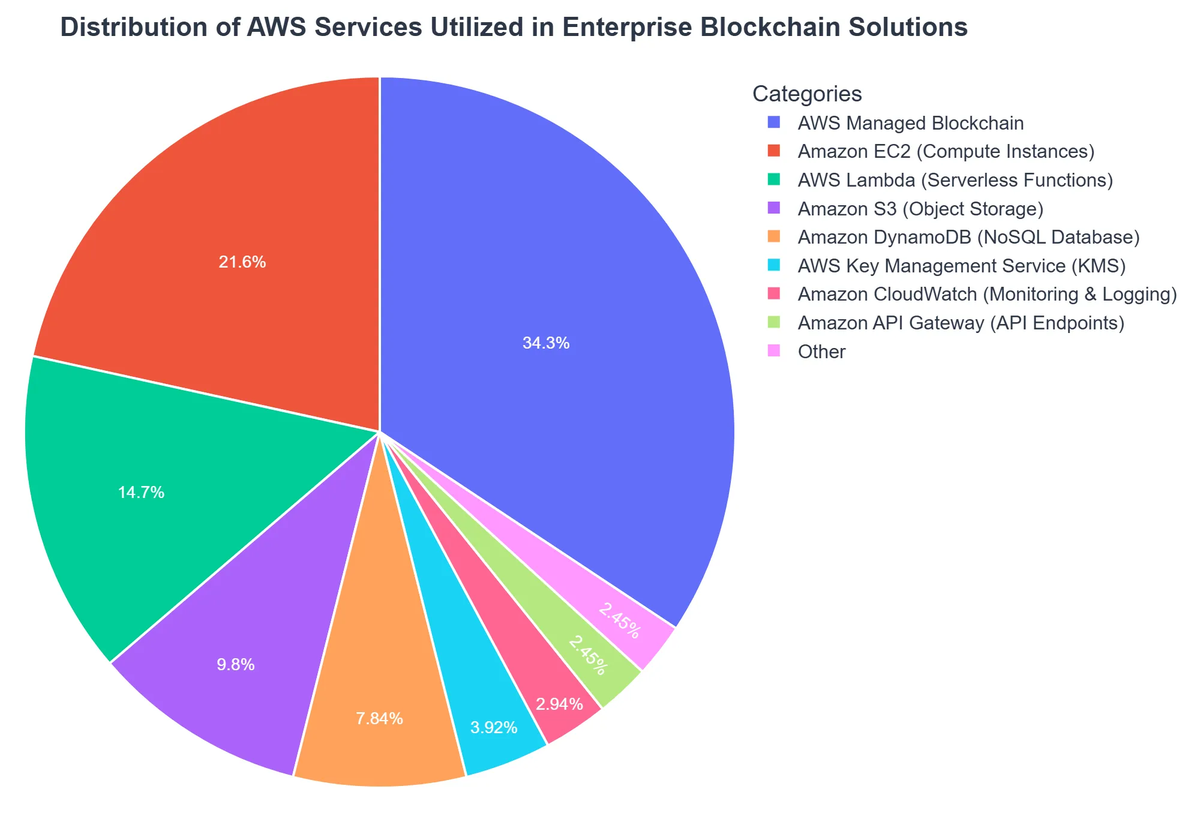
- ☁️ Amazon S3: For secure and scalable data storage.
- 🌐 AWS Lambda: For serverless execution of smart contract interactions.
- 📊 Amazon CloudWatch: For monitoring network health and performance.
- 🔑 AWS Key Management Service (KMS): For managing cryptographic keys.
- ⚙️ AWS IoT Core: For connecting physical devices to your blockchain for data capture (e.g., in supply chains).
Best Practices for Deployment
- ✅ Start Small: Begin with a proof-of-concept (PoC) to validate your use case and design.
- ➡️ Automate Everything: Use AWS CloudFormation or CDK to automate infrastructure provisioning.
- 💡 Monitor Continuously: Set up alerts and dashboards to keep an eye on network performance and security.
- 🛡️ Implement Strong Security: Follow AWS security best practices, including least privilege and encryption.
Recommended Video
Conclusion: Charting the Future with AWS Blockchain Solutions
AWS Blockchain stands as a powerful enabler for enterprises looking to integrate distributed ledger technology into their operations. By abstracting away much of the complexity, Amazon Managed Blockchain and AWS Blockchain Templates empower developers and businesses to focus on innovation, rapidly deploy solutions, and achieve tangible business value.
The journey into blockchain for `enterprise development` is not just about technology; it’s about reimagining trust, transparency, and efficiency in a connected world. AWS provides the robust, scalable, and secure foundation necessary to navigate this journey successfully, ensuring your enterprise is well-equipped to thrive in the decentralized future.
Frequently Asked Questions
What is AWS Managed Blockchain?
AWS Managed Blockchain is a fully managed service that makes it easy to join public networks or set up and manage scalable blockchain networks using popular open-source frameworks like Hyperledger Fabric and Ethereum.
What are the benefits of using AWS for enterprise blockchain?
AWS offers scalability, high availability, security, and integration with other cloud services, enabling enterprises to build robust, secure, and cost-effective blockchain solutions without managing infrastructure.
Which industries can benefit from AWS Blockchain solutions?
Industries such as supply chain, finance, healthcare, manufacturing, and media can benefit from AWS Blockchain for use cases like immutable record-keeping, secure data sharing, and digital asset management.