


Future of Work: Designing Work in the Digital Age
The landscape of work is undergoing a seismic shift, fundamentally reshaping how we approach careers, collaboration, and value creation. The advent of advanced technologies, evolving societal expectations, and global interconnectedness have converged to define the modern era of the future of work. This isn’t merely about remote work; it’s a comprehensive re-imagination of organizational structures, skill sets, and the very essence of employment.
💡 Key Takeaways
- The future of work demands agile, human-centric design, not just technology adoption.
- Upskilling and reskilling are critical for adapting to AI and automation in the workplace.
- Hybrid and distributed work models will redefine productivity and collaboration.
- Ethical AI implementation and digital well-being are paramount for sustainable work environments.
“The digital age isn’t just changing how we work; it’s challenging us to redefine the very purpose and ethics of labor. Our designs must prioritize human flourishing alongside technological advancement.”
— Kira Chen, Futurist & AI Ethics Advocate
As we navigate this transformative period, understanding and actively designing work for the digital age is paramount. Organizations that embrace agility, prioritize human-centric approaches, and strategically leverage technology will not only survive but thrive. This comprehensive guide will chart the course of tomorrow’s technology as it impacts our professional lives, helping you understand the forces at play and how to prepare for them.
In This Article
- → Future of Work: Designing Work in the Digital Age
- — 💡 Key Takeaways
- → The Digital Transformation Catalyst: AI, Automation, and Data
- — Embracing the Augmented Workforce
- → Redefining the Workplace: Hybrid Models and Beyond
- — Designing Spaces for Connection and Productivity
- → The Evolving Workforce: Skills for the Digital Age Work
- — Cultivating Essential Skills for Tomorrow
- → Designing Work: Principles for the Modern Organization
- — Key Principles of Modern Work Design
- → Leveraging Data: The Power of People Analytics
- — How People Analytics Transforms HR
- → Challenges and Opportunities Ahead
- — Navigating the Road Ahead
- → Conclusion
The Digital Transformation Catalyst: AI, Automation, and Data
At the heart of the evolving workplace lies digital transformation. Artificial Intelligence (AI), automation, and big data are no longer futuristic concepts; they are operational realities that are redefining roles, increasing efficiency, and demanding new competencies from the workforce.
- 🤖 AI and Automation: From robotic process automation (RPA) streamlining administrative tasks to AI-driven analytics informing strategic decisions, these technologies are taking over repetitive and data-intensive jobs, freeing human employees for higher-value, creative, and interpersonal work.
- 📊 Big Data and Analytics: The ability to collect, analyze, and interpret vast amounts of data is critical. This enables more informed decision-making, predictive insights into market trends, and a deeper understanding of employee performance and engagement.
- 🔗 Connectivity and Cloud Computing: These foundational technologies underpin the flexibility and scalability required for modern work models, enabling seamless collaboration across geographical boundaries and access to resources anytime, anywhere.
Embracing the Augmented Workforce
Rather than a replacement, technology is increasingly becoming an augmentation. The focus shifts to how humans and machines can collaborate most effectively. This involves understanding how automated systems handle routine processes, allowing human talent to focus on problem-solving, innovation, and strategic thinking. It’s about designing systems where the “how things work” involves a symbiotic relationship between human ingenuity and technological efficiency.
Redefining the Workplace: Hybrid Models and Beyond
The traditional office model is giving way to more flexible and distributed work arrangements. The pandemic accelerated trends already in motion, proving the viability and often the benefits of non-traditional setups. For more insights on this, explore our related article on Future of Workplace Design: Hybrid Models & Beyond.
- 🏠 Remote Work: Employees work entirely from outside a central office, often from home. This offers flexibility and can broaden talent pools.
- 🤝 Hybrid Work: A blend of remote and in-office work, allowing employees to split their time. This model aims to combine the benefits of flexibility with the advantages of in-person collaboration and company culture.
- 🌐 Distributed Teams: Teams are spread across multiple locations, sometimes even different countries, necessitating robust digital communication tools and clear processes.
Designing Spaces for Connection and Productivity
Even with distributed teams, the physical workspace remains relevant, albeit with a new purpose. Offices are transforming into hubs for collaboration, innovation, and social connection rather than just places for individual task execution. This requires thoughtful work design, focusing on:
How Synapse Solutions Transformed Operations & Retention Through Digital Work Design
❓The Challenge
Synapse Solutions faced stagnating project efficiency and high employee turnover, struggling with rigid work models and overwhelming manual tasks that led to burnout.
💡The Solution
Inspired by the guide, Synapse Solutions implemented a human-centric hybrid work model, strategically leveraged AI and automation for repetitive tasks, and redesigned roles to foster an ‘augmented workforce’ focused on high-value, strategic problem-solving.
🏆The Result
Within 18 months, employee retention improved by 35%, and operational efficiency increased, leading to a 20% reduction in average project delivery times.
- 💡 Flexible Layouts: Spaces that can be easily reconfigured for different activities – from quiet individual work to large team meetings.
- 💻 Technology Integration: Seamless video conferencing, smart meeting rooms, and robust connectivity to bridge the gap between physical and virtual attendees.
- 🧘♀️ Well-being Focus: Spaces designed to promote employee health, comfort, and mental well-being.
The Evolving Workforce: Skills for the Digital Age Work
The demands on the workforce are shifting from purely technical skills to a combination of digital literacy, critical thinking, creativity, and emotional intelligence. To thrive in the digital age work environment, continuous learning is not just an advantage; it’s a necessity.
Cultivating Essential Skills for Tomorrow
Employees must proactively develop skills that complement technology and enable them to adapt to new roles. Key areas include:
- 🧠 Critical Thinking and Problem-Solving: The ability to analyze complex situations and devise effective solutions remains paramount.
- 💬 Communication and Collaboration: With distributed teams, clear and effective communication, both written and verbal, is crucial.
- 🎨 Creativity and Innovation: As routine tasks are automated, the capacity for original thought and innovative solutions becomes highly valued.
- 🌱 Adaptability and Resilience: The pace of change demands a workforce that can quickly learn new tools, processes, and even entirely new career paths. Many professionals are turning to platforms like Coursera for specialized courses that prepare them for the future of work, offering certifications in areas like AI, data science, and agile methodologies.
- 🤖 Digital Literacy and Data Fluency: Understanding how to use digital tools, interpret data, and navigate cyber environments is fundamental.
Designing Work: Principles for the Modern Organization
Effective work design in the digital age moves beyond simple job descriptions to creating roles and environments that foster productivity, engagement, and well-being. This requires a holistic approach that considers technology, people, and processes.
Key Principles of Modern Work Design
Organizations must consciously craft roles and processes that leverage technology while empowering their human capital. According to insights from McKinsey, rethinking work in the digital age involves a deep dive into how value is created and how people can best contribute. You can read more about it here: Rethinking work in the digital age | McKinsey.
- ✅ Purpose-Driven Roles: Clearly defining the impact and purpose of each role, fostering a sense of meaning for employees.
- 🔄 Agile Methodologies: Implementing flexible, iterative approaches to projects and processes, allowing for rapid adaptation to change.
- 💡 Empowerment and Autonomy: Granting employees more control over how, when, and where they work, leading to increased satisfaction and productivity.
- 🤝 Cross-Functional Collaboration: Breaking down silos and encouraging teams to work across departments, fostering diverse perspectives and innovation.
- 📈 Performance-Based Outcomes: Shifting focus from hours worked to tangible results achieved, enabling greater flexibility.
Leveraging Data: The Power of People Analytics
In the digital age, Human Resources (HR) is no longer just about administration; it’s about strategic insight driven by data. People analytics involves using data-driven insights to improve talent management, optimize workforce planning, and enhance the employee experience.
How People Analytics Transforms HR
By collecting and analyzing data related to employee behavior, performance, and satisfaction, organizations can make more informed decisions.
- 📈 Recruitment and Retention: Identifying patterns that predict successful hires and understanding factors contributing to employee turnover.
- 🚀 Performance Management: Tailoring development programs based on individual and team performance data.
- 💖 Employee Engagement: Measuring sentiment and identifying areas for improving workplace culture and well-being. Platforms like LinkedIn Learning offer valuable courses on people analytics, equipping HR professionals with the skills to harness this data effectively.
- ⚖️ Diversity, Equity, and Inclusion (DEI): Analyzing demographic data to identify biases and ensure equitable opportunities across the organization.
Understanding data protection principles is also crucial here. For comprehensive guidance, consider reviewing our article on Data Protection in the Digital Future: A Guide.
Challenges and Opportunities Ahead
While the future of work presents immense opportunities, it also comes with significant challenges that leaders and employees must address proactively. As NTT DATA points out, the future may involve “work without jobs” as traditional roles evolve, requiring us to think differently about how we create value. Read their insights here: Work without jobs: The Future of Work in the Digital Age | NTT DATA.
Navigating the Road Ahead
- ⚖️ Ethical AI Use: Ensuring AI and automation are implemented responsibly, avoiding bias and promoting fairness.
- 🛡️ Cybersecurity Risks: A more distributed workforce expands the attack surface, making robust cybersecurity measures more critical than ever.
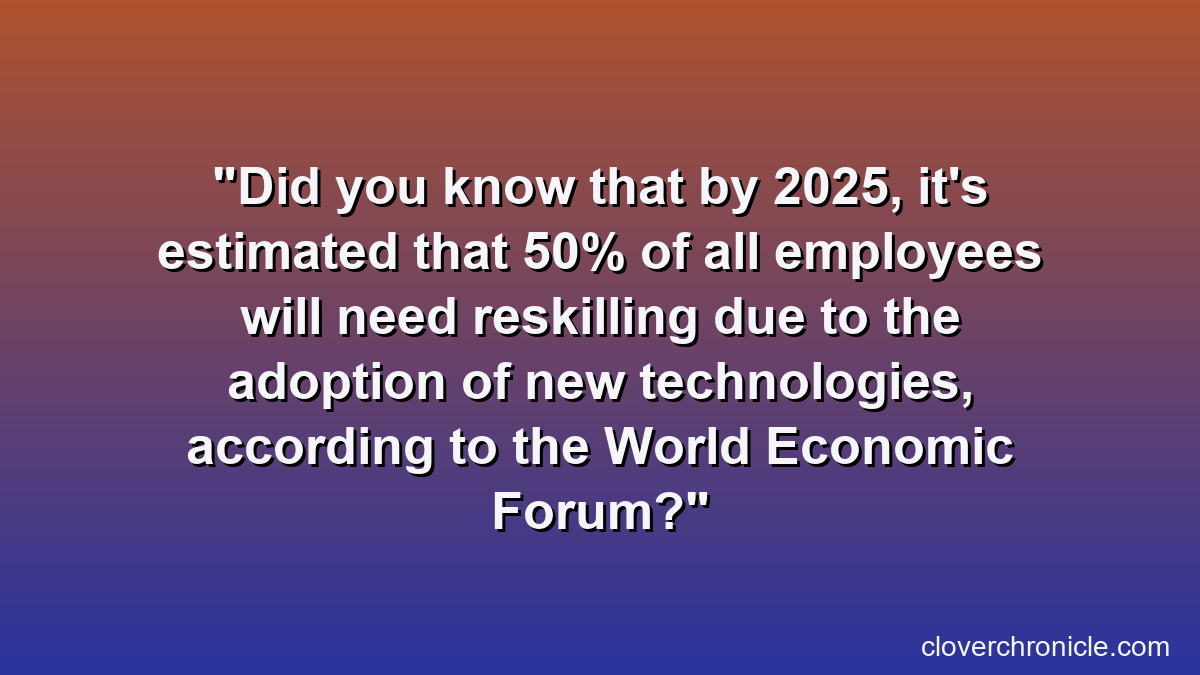
- 📉 Skill Gaps and Reskilling: The rapid evolution of technology means that existing skills can quickly become obsolete, necessitating continuous investment in reskilling and upskilling initiatives.
- 🤔 Mental Adaptation: Preparing mentally for a workforce that is more fragmented and digitally connected.
- 🤔 Maintaining Culture and Connection: In hybrid or fully remote models, fostering a strong company culture and maintaining personal connections among employees requires deliberate effort.
These challenges, however, open doors for innovation in HR tech, leadership development, and organizational design, paving the way for a more resilient and dynamic global workforce. For a broader context on how technology has shaped our present and future, delve into History of ICT: Exploring Past, Present, and Future Trends.
Recommended Video
Conclusion
The future of work is not a distant concept but an ongoing reality. Designing work effectively in the digital age requires a proactive, human-centric approach that embraces technological advancements while prioritizing the well-being and growth of the workforce. By focusing on flexible models, continuous learning, strategic people analytics, and thoughtful work design, organizations can build resilient, innovative, and thriving ecosystems ready for whatever tomorrow brings.
This journey demands a deep understanding of how technology charts the course of our professional lives, a theme extensively explored in our pillar content on Future Perfect?: Charting the Course of Tomorrow’s Technology. The organizations that master this blend of technology, strategy, and empathy will be the true leaders in the decades to come.
Frequently Asked Questions
How is AI impacting job roles in the digital age?
AI is automating repetitive tasks, creating new roles focused on AI management, data analysis, and creative problem-solving. It’s shifting the demand towards uniquely human skills.
What are the key challenges in designing future-ready workplaces?
Challenges include fostering digital literacy, maintaining employee well-being in hybrid models, ensuring data privacy, and adapting organizational culture to rapid technological change.
How can businesses prepare their workforce for the future?
Businesses should invest in continuous learning programs, promote a culture of adaptability, implement flexible work policies, and leverage technology to enhance employee experience rather than replace it.