Welcome to the definitive resource on one of Earth’s most precious assets: Biodiversity. This comprehensive guide delves deep into the intricate web of life that surrounds us, exploring its fundamental meaning, unparalleled importance, and the critical need for its preservation. As experts in “The Code of Life: Decoding Genetics, Evolution, and Existence”, we understand that biodiversity is not just about the number of species, but the entire complex system that sustains our planet.
💡 Key Takeaways
- Biodiversity encompasses the vast variety of life on Earth, from genes to ecosystems.
- It provides essential ecosystem services, including clean air, water, and food.
- Major threats include habitat loss, climate change, pollution, and invasive species.
- Conservation efforts require global collaboration and individual action to protect species and habitats.
“Biodiversity is the living library of evolution, holding the genetic blueprints that allow life to adapt and thrive. Protecting it isn’t just about species, it’s about safeguarding the future of all biological potential.”
— Julian Aris, Evolutionary Biologist & Geneticist
From the microscopic bacteria thriving in extreme environments to the majestic whales traversing vast oceans, biodiversity encompasses every living organism and the ecosystems they inhabit. Understanding this concept is crucial for comprehending the delicate balance of nature and our place within it. This article aims to provide you with a robust foundation, covering everything from the fundamental principles of what constitutes biodiversity to the actionable steps we can all take to protect it.
In This Article
- — 💡 Key Takeaways
- → What is Biodiversity? Understanding the Fabric of Life
- — 🧐 Biodiversity Meaning Explained
- → Why is Biodiversity Important? The Unseen Value of Nature
- — 🌱 Ecological Importance and Ecosystem Services
- — 💊 Economic and Medicinal Importance
- → Types of Biodiversity: A Deeper Dive into Life’s Variation
- — 🧬 Genetic Diversity
- — 🌳 Species Diversity
- — 🌎 Ecosystem Diversity
- → Threats to Biodiversity: A Call for Action
- — 🏭 Habitat Loss and Degradation
- — 🌡️ Climate Change
- — polluting_face️ Pollution
- — 🎣 Overexploitation
- — invasived_species️ Invasive Alien Species
- → Conservation Strategies for Biodiversity: Protecting Our Natural Heritage
- — 🏞️ In-situ and Ex-situ Conservation
- — ⚖️ Policy, Legislation, and International Cooperation
- → The Role of Biodiversity in Ecosystem Services
- → How You Can Contribute to Biodiversity Conservation
- → Conclusion: Embracing Our Role as Stewards of Biodiversity
What is Biodiversity? Understanding the Fabric of Life
At its core, biodiversity refers to the variety of life on Earth at all its levels, from genes to ecosystems. It’s the grand tapestry woven from millions of unique living forms interacting with each other and their environments. To truly grasp what is biodiversity, we need to look beyond just species count and appreciate the multifaceted layers of biological variation. For a more focused definition, consider our guide on Defining Biodiversity: A Comprehensive Guide.
🧐 Biodiversity Meaning Explained
The term “biodiversity” is a contraction of “biological diversity.” It’s not merely a list of plants and animals; it encompasses the variability among living organisms from all sources, including terrestrial, marine, and other aquatic ecosystems and the ecological complexes of which they are part. This includes diversity within species, between species, and of ecosystems.
- ✅ Genetic Diversity: The variation in genes within a single species. This is crucial for a species’ ability to adapt to changing environments.
- ✅ Species Diversity: The number and abundance of different species present in a particular area. A high number of distinct species typically indicates a healthy ecosystem.
- ✅ Ecosystem Diversity: The variety of habitats, biological communities, and ecological processes, as well as the diversity within ecosystems. Examples include forests, deserts, oceans, and wetlands.
Why is Biodiversity Important? The Unseen Value of Nature
The importance of biodiversity cannot be overstated. It underpins virtually every aspect of our existence, from the air we breathe to the food we eat. Its value extends beyond mere aesthetics, contributing profoundly to ecological stability, economic prosperity, and human well-being. Understanding this critical role helps us appreciate the intricate connections inherent in The Code of Life: Decoding Genetics, Evolution, and Existence.

🌱 Ecological Importance and Ecosystem Services
Biodiversity provides countless “ecosystem services” – the benefits that humans receive from ecosystems. These services are often taken for granted but are essential for life:
- ➡️ Pollination: Insects, birds, and other animals pollinate crops, vital for food production.
- ➡️ Water Purification: Healthy wetlands and forests filter pollutants, providing clean water.
- ➡️ Soil Formation and Nutrient Cycling: Microorganisms and fungi break down organic matter, enriching soil and supporting plant growth.
- ➡️ Climate Regulation: Forests absorb carbon dioxide, helping to mitigate climate change.
- ➡️ Pest Control: Natural predators keep agricultural pests in check, reducing the need for chemical pesticides.
For a deeper understanding of the various dimensions of its worth, explore our article on Biodiversity’s Value: Intrinsic and Economic Reasons.
💊 Economic and Medicinal Importance
Biodiversity is a vast reservoir of potential resources for medicine, agriculture, and industry:
- 💡 Drug Discovery: Many modern medicines are derived from plants, animals, and microorganisms (e.g., penicillin from fungi, aspirin from willow bark).
- 💡 Agricultural Resilience: Genetic diversity in crops and livestock provides resistance to diseases and allows adaptation to changing climates.
- 💡 Ecotourism: Diverse natural landscapes attract tourists, supporting local economies.
Types of Biodiversity: A Deeper Dive into Life’s Variation
As touched upon earlier, biodiversity is categorised into three primary levels. Exploring these types of biodiversity gives us a clearer picture of its immense complexity and significance.
🧬 Genetic Diversity
This refers to the variation in the genes within a particular species. High genetic diversity means a greater variety of traits within a population, enhancing its ability to adapt to new diseases, climate shifts, or other environmental changes. Low genetic diversity makes a species more vulnerable to extinction.
🌳 Species Diversity
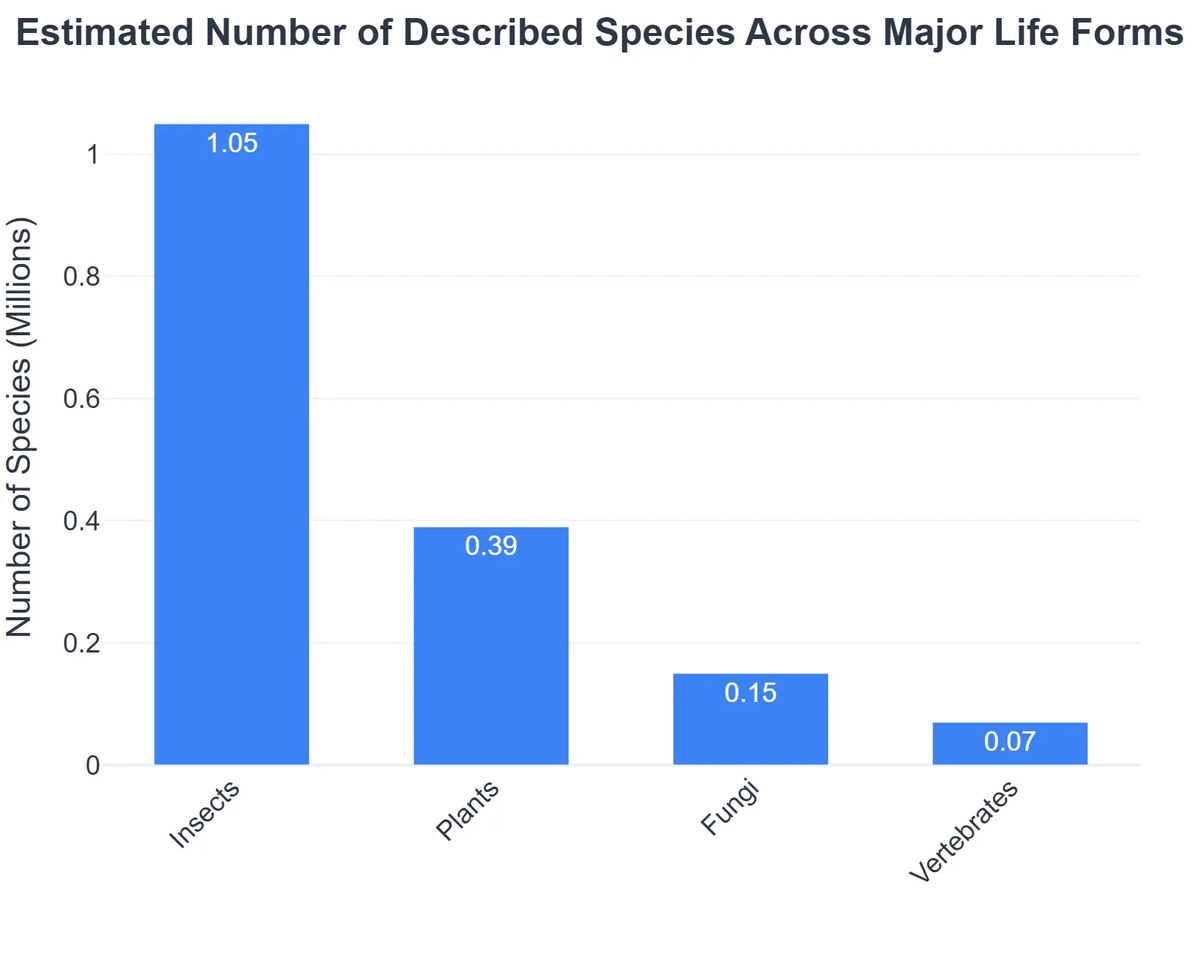
Species diversity is the variety of different species within an ecosystem or across the biosphere. It is often measured by species richness (the number of different species) and species evenness (the relative abundance of each species). Tropical rainforests and coral reefs are prime examples of ecosystems with exceptionally high species diversity.
🌎 Ecosystem Diversity
Ecosystem diversity refers to the variety of habitats, biotic communities, and ecological processes within the biosphere. This includes the diversity of landscapes (mountains, rivers, forests, deserts, oceans), and the variety of ecological interactions (e.g., predator-prey relationships, symbiosis) that occur within them. Each ecosystem performs unique functions and provides distinct services.
Threats to Biodiversity: A Call for Action
Despite its profound importance, global biodiversity is facing unprecedented threats, primarily driven by human activities. Understanding these challenges is the first step towards effective conservation.
🏭 Habitat Loss and Degradation
The single biggest threat to biodiversity is the destruction, fragmentation, and degradation of natural habitats. This occurs through deforestation, urbanization, agricultural expansion, mining, and dam construction. When habitats are lost, species lose their homes and food sources, often leading to population decline or extinction.
🌡️ Climate Change
Global warming alters ecosystems faster than species can adapt. Rising temperatures, altered precipitation patterns, and increased frequency of extreme weather events (like droughts, floods, and wildfires) disrupt natural cycles, shift species ranges, and increase extinction risks, particularly for sensitive ecosystems like coral reefs and polar regions.
How ‘EcoHorizon Consulting’ Transformed Client Engagement on Biodiversity
❓The Challenge
EcoHorizon Consulting faced challenges in convincing corporate clients of the deep, multifaceted value of biodiversity initiatives beyond basic regulatory compliance, leading to limited investment in impactful projects.
💡The Solution
By integrating the core tenets from ‘Biodiversity: A Comprehensive Guide,’ EcoHorizon restructured their proposals to highlight the specific importance of genetic, species, and ecosystem diversity. They educated clients on how safeguarding these elements directly impacts supply chain resilience, brand reputation, and long-term resource stability, reframing biodiversity as critical natural capital.
🏆The Result
This strategic shift led to a 40% increase in client uptake of advanced biodiversity programs and a 25% average uplift in dedicated project budgets within the first year.
polluting_face️ Pollution
Pollution of air, water, and soil contaminates habitats and directly harms organisms. Plastic pollution in oceans, chemical run-off from agriculture, industrial emissions, and nutrient loading (eutrophication) all have devastating effects on biodiversity.
🎣 Overexploitation
Unsustainable harvesting of natural resources, including overfishing, overhunting, and illegal wildlife trade, depletes populations faster than they can reproduce. This pushes many species, from large mammals to commercially valuable fish, towards endangerment or extinction.
invasived_species️ Invasive Alien Species
The introduction of non-native species (intentionally or unintentionally) into new ecosystems can wreak havoc on local biodiversity. Lacking natural predators or competitors, these invasive species can outcompete native species for resources, introduce diseases, or alter habitats, leading to declines or extinctions of native populations.
Conservation Strategies for Biodiversity: Protecting Our Natural Heritage
Protecting biodiversity requires a multi-faceted approach, involving global cooperation, policy changes, scientific research, and individual actions. Effective biodiversity conservation strategies aim to mitigate threats and restore ecological balance. For a detailed look at the interconnectedness of species and their habitats, our guide on Biodiversity and Wildlife Conservation: An Intertwined Fate offers valuable insights.
🏞️ In-situ and Ex-situ Conservation
- 🌍 In-situ Conservation: Protecting species in their natural habitats. This includes establishing national parks, wildlife sanctuaries, biosphere reserves, and protected areas. It’s considered the most effective way to conserve biodiversity as it preserves the entire ecosystem.
- 🔬 Ex-situ Conservation: Protecting species outside their natural habitats. This involves zoological parks, botanical gardens, seed banks, gene banks, and cryopreservation. While not ideal for ecosystem preservation, it’s crucial for critically endangered species.
⚖️ Policy, Legislation, and International Cooperation
Governments and international bodies play a vital role through:

- ➡️ Environmental Laws: Enacting and enforcing laws to protect endangered species and habitats.
- ➡️ International Agreements: Conventions like the Convention on Biological Diversity (CBD) promote global cooperation for conservation.
- ➡️ Sustainable Development Goals (SDGs): The UN’s SDGs, particularly Goal 15 (Life on Land) and Goal 14 (Life Below Water), highlight biodiversity conservation.
Further information on actionable steps can be found in resources like The Biodiversity Action Guide by The Nature Conservancy.
The Role of Biodiversity in Ecosystem Services
Revisiting the concept of ecosystem services emphasizes just how much we rely on the diversity of life. The seamless functioning of our planet depends on the intricate relationships between species and their environment, which is the very essence of biodiversity science.
- 💧 Water Regulation: Forests, wetlands, and healthy watersheds regulate water cycles, preventing floods and droughts and ensuring water availability.
- 💨 Air Quality: Plants absorb pollutants and release oxygen, improving air quality.
- 🍽️ Food Security: Genetic diversity in crops protects against pests and diseases, while diverse ecosystems support fisheries and provide wild food sources.
- 🎨 Cultural and Recreational Benefits: Nature provides spaces for recreation, spiritual fulfillment, and cultural inspiration, enhancing human well-being.
Understanding the value generated by nature’s processes is becoming increasingly important for financial institutions as well, as highlighted by guides on developing biodiversity policies for asset owners and investment managers.
How You Can Contribute to Biodiversity Conservation
While large-scale efforts are crucial, individual actions collectively make a significant impact. Every person has a role to play in protecting our planet’s rich biodiversity explained in practical terms.
- 🛒 Sustainable Consumption: Choose products that are sustainably sourced, certified (e.g., FSC for wood, MSC for seafood), and have minimal environmental impact.
- ♻️ Reduce, Reuse, Recycle: Minimize waste to lessen the demand on natural resources and reduce pollution.
- 🏡 Support Local Conservation: Volunteer for local conservation projects, support wildlife organizations, or participate in citizen science initiatives.
- 💧 Conserve Resources: Reduce water and energy consumption at home.
- 🌱 Support Eco-Friendly Policies: Advocate for policies that protect natural habitats and promote sustainable practices.
- Educate Yourself and Others: Learn more about local biodiversity and share your knowledge with friends and family.
Recommended Video
Conclusion: Embracing Our Role as Stewards of Biodiversity
Biodiversity is not merely a scientific concept; it is the living heritage of our planet, the intricate system that sustains all life, including our own. This comprehensive guide has explored its fundamental definitions, the immense value it provides through ecosystem services, the pressing threats it faces, and the diverse strategies employed for its conservation. As we look to the future, recognizing the environmental impact of biodiversity loss and acting decisively to reverse these trends is paramount.
The responsibility to protect this irreplaceable natural wealth lies with all of us. By understanding, appreciating, and actively contributing to its preservation, we ensure a healthier, more resilient planet for future generations. Our commitment to biodiversity is, in essence, a commitment to life itself.
Frequently Asked Questions
What is biodiversity?
Biodiversity refers to the variety of life on Earth at all its levels, from genes to ecosystems, encompassing the diversity within species, between species, and of ecosystems.
Why is biodiversity important?
Biodiversity is crucial for ecosystem stability, providing essential services like pollination, water purification, climate regulation, and food security, directly supporting human well-being.
What are the biggest threats to biodiversity?
The primary threats include habitat destruction, climate change, pollution, overexploitation of resources, and the spread of invasive species.
How can I help protect biodiversity?
You can help by reducing your carbon footprint, supporting sustainable practices, consuming responsibly, advocating for conservation, and participating in local preservation efforts.