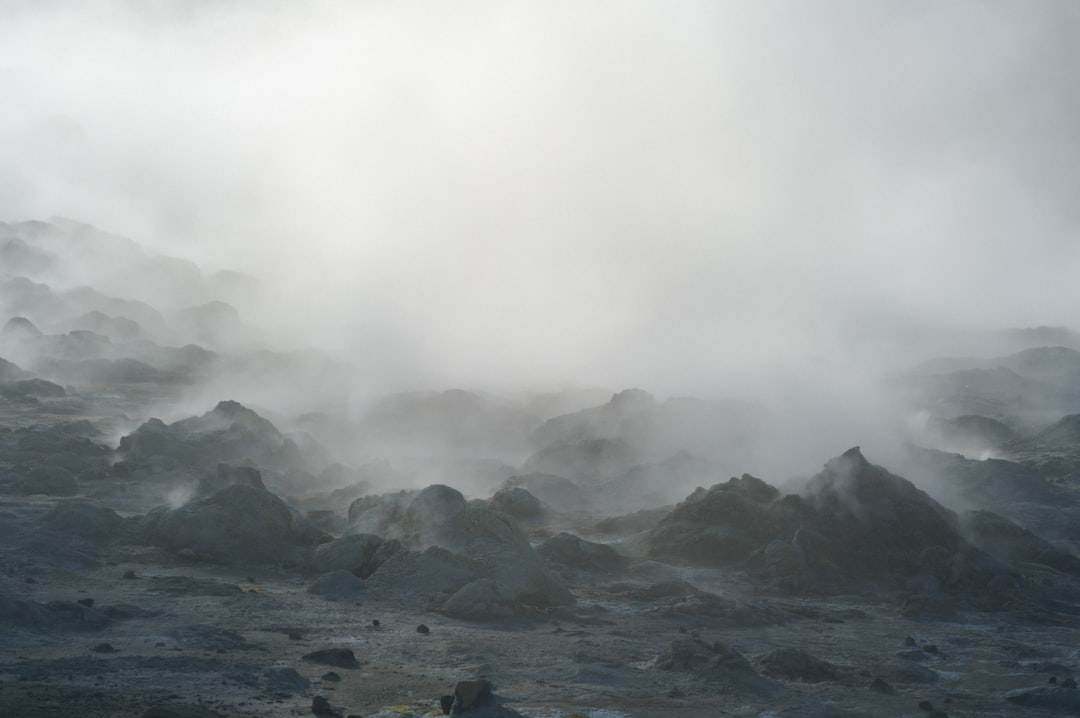
Our planet is a dynamic masterpiece, constantly sculpted by forces often hidden beneath vast oceans and towering mountains. Among these unseen forces, the genesis and evolution of Earth’s oceanic crust stand as a profound testament to our planet’s relentless activity. At the heart of this process lies a specific type of igneous rock that forms the bedrock of the ocean floor: Mid-Ocean Ridge Basalt, universally known as MORB geology.
💡 Key Takeaways
- MORB is Earth’s most common volcanic rock, generated at mid-ocean ridges.
- Its unique geochemical composition provides a window into the Earth’s upper mantle.
- Studying MORB helps scientists understand seafloor spreading and crustal formation processes.
- Variations in MORB chemistry can reveal insights into mantle plume interactions and heterogeneity.
“MORB is more than just rock; it’s a direct communiqué from the deep Earth. By decoding its isotopic signatures and trace elements, we’re not just mapping the ocean floor, but actively listening to the pulse of our planet’s mantle and its influence on global climate over geologic timescales.”
— Marcus Sterling, Geophysical Explorer & Climate Dynamics Analyst
Understanding MORB isn’t just about identifying a rock type; it’s about unlocking the fundamental mechanisms of plate tectonics, mantle dynamics, and the very creation of new crust. This comprehensive guide will decode the intricacies of MORB, revealing its formation, composition, unique characteristics, and the invaluable insights it provides into the deep Earth.
In This Article
- — 💡 Key Takeaways
- → What Exactly Is Mid-Ocean Ridge Basalt (MORB)?
- — 📍 Global Significance
- — 🪨 A Unique Igneous Rock
- → The Tectonic Forge: Where MORB is Born
- — 🌋 Mid-Ocean Ridges: Earth’s Spreading Centers
- — ⬆️ Mantle Upwelling and Decompression Melting
- → Compositional Fingerprints: Decoding MORB Chemistry
- — 🧪 Tholeiitic Basalt: The Dominant Type
- — 💎 Mineralogy and Trace Elements
- → Distinctive Characteristics and Textures of MORB
- — 🌊 Pillow Lavas: Signature Structures
- — 🧩 Alteration and Hydrothermal Activity
- → Geochemical Insights: What MORB Reveals About Our Planet
- — 🌍 Probing the Earth’s Mantle
- — 📈 Evolution of Oceanic Crust
- → Variations on a Theme: N-MORB, E-MORB, and T-MORB
- — 🔄 Normal (N-MORB)
- — ➕ Enriched (E-MORB)
- — 🤔 Transitional (T-MORB)
- → Why MORB Matters: Its Broader Geological Impact
- — 🔬 Window into Deep Earth Processes
- — 🔗 Connecting Geophysics and Geochemistry
- → Conclusion
What Exactly Is Mid-Ocean Ridge Basalt (MORB)?
Mid-Ocean Ridge Basalt (MORB) represents the most voluminous igneous rock produced on Earth, forming the vast majority of the oceanic crust. It’s a fine-grained, dark-colored extrusive igneous rock that erupts directly onto the seafloor at divergent plate boundaries.
📍 Global Significance
- ✅ Foundation of Oceanic Crust: MORB is the primary building block of the oceanic lithosphere, covering approximately 60% of Earth’s surface.
- ✅ Indicator of Plate Tectonics: Its presence and composition are direct evidence of seafloor spreading, a cornerstone of plate tectonics theory.
- ✅ Voluminous Production: Estimates suggest that about 20 cubic kilometers of MORB are produced annually, making it Earth’s dominant volcanic product.
🪨 A Unique Igneous Rock
While basalt is a common volcanic rock found in many terrestrial settings, MORB possesses distinct chemical and isotopic signatures that differentiate it from basalts erupted in other environments, such as island arcs or continental rifts. Its unique characteristics are a direct reflection of its deep mantle source and the specific conditions of its eruption.
The Tectonic Forge: Where MORB is Born
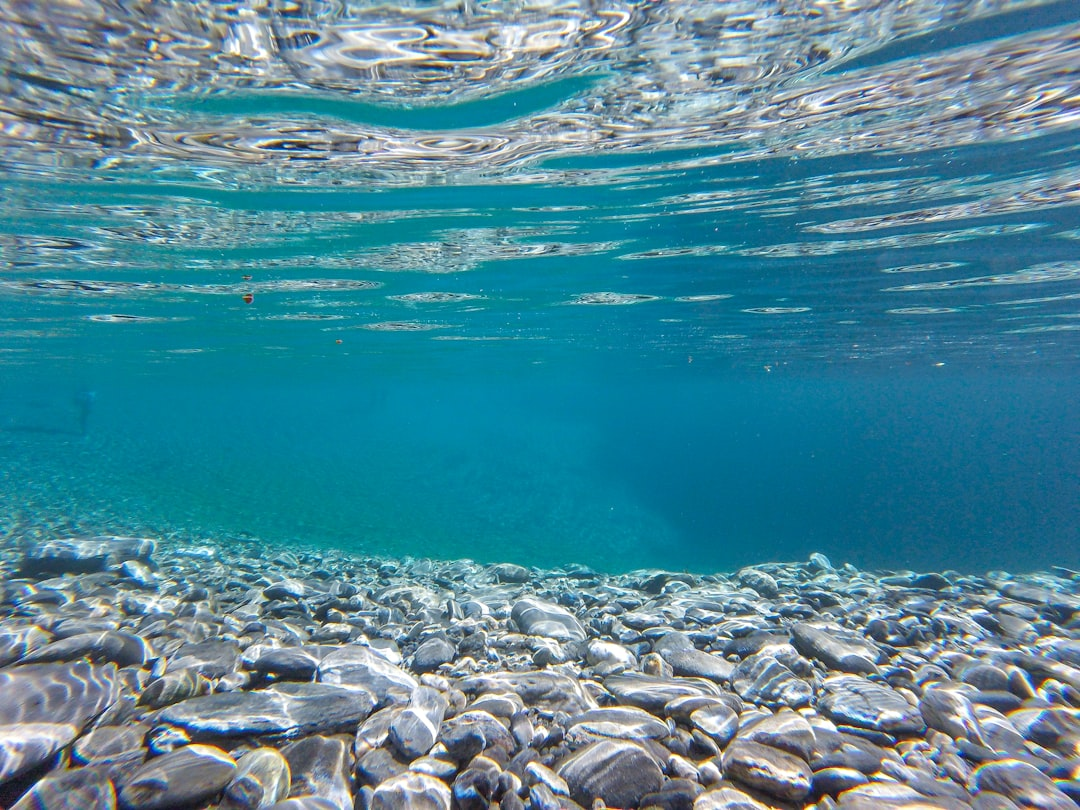
The creation of MORB is intricately linked to the process of seafloor spreading at mid-ocean ridges. These vast underwater mountain ranges are where Earth’s tectonic plates pull apart, allowing molten material from the mantle to rise to the surface.
🌋 Mid-Ocean Ridges: Earth’s Spreading Centers
Mid-ocean ridges are extensive, submarine mountain chains that snake across the global ocean basins, stretching for over 60,000 kilometers. They are the sites of active volcanism and seismic activity, marking the divergent boundaries where new oceanic crust is continuously generated.
- ➡️ Rift Valley Formation: At the crest of these ridges lies a rift valley, a deep depression where the plates are actively separating.
- ➡️ Magma Chambers: Beneath these rift valleys, shallow magma chambers accumulate molten rock, waiting to erupt.
- ➡️ Hydrothermal Vents: The interaction of hot MORB with cold seawater drives complex hydrothermal systems, leading to the formation of unique ecosystems and mineral deposits.
⬆️ Mantle Upwelling and Decompression Melting
The fundamental process behind MORB formation is the passive upwelling of the Earth’s mantle beneath mid-ocean ridges. As the mantle material rises, the pressure on it decreases, even though its temperature remains high. This reduction in pressure leads to a phenomenon called decompression melting.
Unlike melting caused by increasing temperature, decompression melting allows solid mantle rock to partially melt, forming basaltic magma. This magma then ascends through fractures and fissures to erupt onto the seafloor, solidifying to form new oceanic crust. This continuous process is a driving force behind Earth’s Unseen Forces: The Hidden Dynamics of Our Planet.
Compositional Fingerprints: Decoding MORB Chemistry
MORB’s chemical composition is one of its most defining features, providing crucial clues about its mantle source and the processes of magma generation and differentiation. Analyzing these geochemical signatures is key to understanding our planet’s deep interior.
🧪 Tholeiitic Basalt: The Dominant Type
MORB is almost exclusively a tholeiitic basalt. This classification refers to a specific chemical pathway of magma differentiation, characterized by:
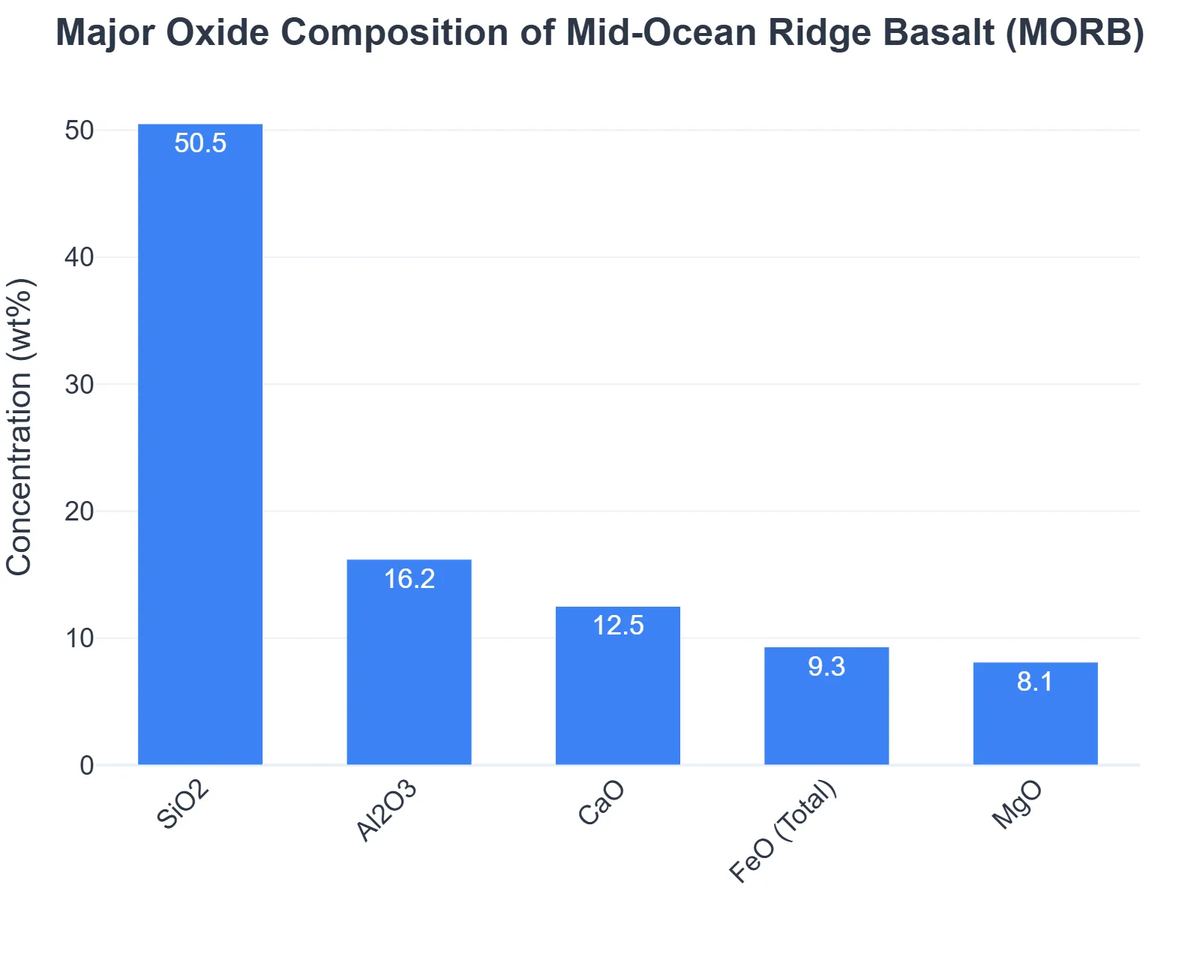
- 💡 Low Potassium (K) Content: Compared to other basalts, MORB is notably depleted in potassium and other large ion lithophile elements (LILEs).
- 💡 Low Volatile Content: It typically has low concentrations of water and other volatile components.
- 💡 Iron Enrichment: As magma differentiates, it tends to become enriched in iron rather than silica, a hallmark of tholeiitic series.
These characteristics indicate that MORB magmas are derived from a relatively depleted, shallow mantle source, which has previously undergone partial melting events (like those that formed continental crust over geological time).
💎 Mineralogy and Trace Elements
The primary minerals found in MORB include plagioclase feldspar and pyroxene (augite), with minor amounts of olivine. The textures and compositions of these minerals can reveal details about the magma’s cooling history and ascent (Springer Link: The significance of plagioclase textures in mid-ocean ridge basalt).
Trace elements and isotopic ratios (such as Nd, Sr, Pb, and Hf isotopes) are particularly valuable in MORB studies. They act as “fingerprints” of the mantle source, allowing geochemists to distinguish between different types of MORB and infer variations in mantle composition and dynamics (ScienceDirect: Radiogenic isotopes in enriched mid-ocean ridge basalts).
Distinctive Characteristics and Textures of MORB
Beyond its chemical makeup, MORB exhibits unique physical characteristics and textures directly related to its submarine environment and rapid cooling.
🌊 Pillow Lavas: Signature Structures
The most iconic feature of MORB is its tendency to form “pillow lavas.” These bulbous, pillow-shaped structures arise when hot magma erupts into cold seawater. The outer surface of the lava chills almost instantly, forming a glassy rind, while the interior remains molten and continues to flow, inflating the “pillow.”
- ✅ Rapid Cooling: The glassy rind indicates extremely rapid quenching.
- ✅ Characteristic Shape: The bulbous, interconnected shapes are unmistakable indicators of submarine volcanism.
- ✅ Interpillow Breccia: Spaces between pillows are often filled with glassy fragments and sediment, forming a type of volcanic Breccia: Decoding This Fascinating Geological Rock.
🧩 Alteration and Hydrothermal Activity
Once formed, MORB is constantly subjected to interaction with seawater. This interaction, especially at high temperatures near active vents, leads to significant hydrothermal alteration. Seawater penetrates the porous basalt, becomes heated, and reacts with the rock, altering its mineralogy and chemical composition. This process is crucial for understanding the circulation of Groundwater Geology: The Hidden World Beneath Our Feet within the oceanic crust.
This alteration can profoundly impact the magnetic properties of the seafloor (AGU Publications: Seafloor Magnetism under Hydrothermal Alteration) and plays a vital role in global geochemical cycles, particularly for elements like magnesium, calcium, and sulfur.
Geochemical Insights: What MORB Reveals About Our Planet
The study of MORB provides an unparalleled window into the workings of the Earth’s interior, offering direct evidence about mantle composition and the evolution of oceanic crust.
🌍 Probing the Earth’s Mantle
Because MORB originates from the upper mantle, its chemical and isotopic signatures are crucial for understanding the composition and heterogeneity of this vast layer of Earth. By analyzing MORB, scientists can infer:
- ➡️ Mantle Depletion: The generally “depleted” nature of MORB suggests that the source mantle has lost incompatible elements over geological time, likely due to previous melting events that formed continental crust.
- ➡️ Mantle Plumes: Variations in MORB chemistry (discussed in the next section) can indicate the influence of enriched mantle plumes, providing insights into deeper mantle convection.
- ➡️ Recycling of Crust: Some isotopic signatures in MORB hint at the recycling of ancient oceanic crust back into the mantle through subduction, a fundamental process in global geodynamics.
📈 Evolution of Oceanic Crust
MORB is the primary component of oceanic crust, and its study helps us understand how this crust forms, ages, and ultimately recycles. The layering of MORB lavas, dikes, and gabbros beneath the seafloor provides a natural laboratory for studying igneous processes in a large-scale, continuous setting.
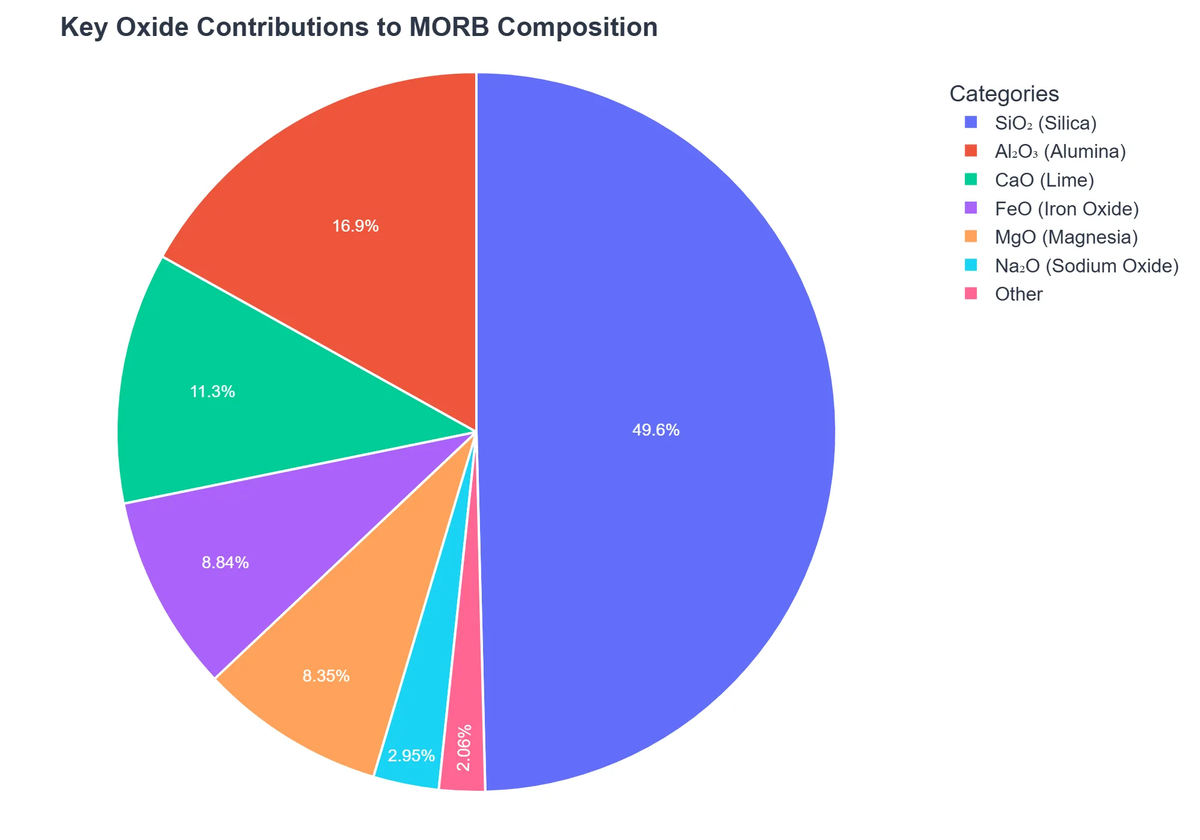
The continuous generation and destruction of oceanic crust via MORB volcanism and subduction is a cornerstone of the Earth’s thermal engine, driving global heat loss and shaping the planet’s surface.
Variations on a Theme: N-MORB, E-MORB, and T-MORB
While often described as a uniform rock type, there are subtle yet significant geochemical variations within MORB, providing further insights into mantle heterogeneity and magmatic processes.
🔄 Normal (N-MORB)
N-MORB is the most common type, representing the vast majority of basalts erupted at mid-ocean ridges. It is characterized by its depleted incompatible element signature, indicating derivation from a “normal” or depleted upper mantle source.
- ✅ Typical Locations: Found along most mid-ocean ridge segments away from hot spots or mantle plumes.
- ✅ Chemical Signature: Low concentrations of incompatible elements (e.g., K, Rb, Ba, Th, U) and distinct isotopic ratios.
➕ Enriched (E-MORB)
E-MORB exhibits higher concentrations of incompatible elements and distinct isotopic ratios compared to N-MORB. This enrichment suggests a source that is less depleted or has been influenced by a more “enriched” mantle component.
- ✅ Association with Plumes: Often found near mantle plumes or hot spots that interact with mid-ocean ridges (e.g., Iceland, Azores).
- ✅ Chemical Signature: Higher concentrations of incompatible elements and isotopic signatures indicative of a less-depleted or more primitive mantle source.
🤔 Transitional (T-MORB)
T-MORB represents an intermediate type, displaying geochemical characteristics between N-MORB and E-MORB. It suggests a mixing of depleted and enriched mantle sources or a spatial transition between these end-member types.
- ✅ Transitional Zones: Found in areas where the influence of a plume might be waning or where mantle flow patterns are complex.
- ✅ Chemical Signature: Intermediate incompatible element concentrations and isotopic ratios.
Why MORB Matters: Its Broader Geological Impact
The study of MORB extends far beyond the realm of petrology, influencing our understanding of global geophysics, oceanography, and even the history of Earth’s atmosphere and oceans.
🔬 Window into Deep Earth Processes
MORB provides the most direct sampling of the Earth’s upper mantle, allowing scientists to study its composition, temperature, and dynamics. This information is critical for modeling mantle convection, understanding the driving forces of plate tectonics, and unraveling the planet’s thermal evolution.
🔗 Connecting Geophysics and Geochemistry
The interplay between the physical processes of seafloor spreading and the chemical evolution of MORB allows geoscientists to integrate geophysical observations (like seismic data and magnetic anomalies) with geochemical analyses. This holistic approach helps build a more complete picture of our dynamic Earth.
From studying ancient ophiolites (fragments of oceanic crust preserved on continents) to deep-sea drilling campaigns, MORB continues to be a frontier of geological research, revealing the hidden dynamics that shape our world.
Recommended Video
Conclusion
Mid-Ocean Ridge Basalt (MORB) is far more than just a rock; it is a fundamental component of our planet’s engine, providing unparalleled insights into the dynamic processes occurring deep within the Earth. From its birth at spreading centers to its unique chemical fingerprints and iconic pillow lavas, every aspect of MORB tells a story of relentless creation and geological evolution.
By continually decoding the secrets held within MORB, scientists gain a deeper understanding of plate tectonics, mantle composition, the carbon cycle, and the very forces that have shaped Earth for billions of years. MORB remains a cornerstone of Earth science, a silent testament to the unseen, yet powerful, dynamics beneath our feet.
Frequently Asked Questions
What is MORB?
MORB stands for Mid-Ocean Ridge Basalt, a type of basaltic rock formed by volcanic activity along mid-ocean ridges, representing new oceanic crust.
Why is MORB important for understanding Earth’s geology?
MORB provides crucial data on mantle composition, seafloor spreading rates, and plate tectonics, as it represents material directly sourced from the Earth’s upper mantle.
How does MORB differ from other basalts?
MORB is characterized by its depleted incompatible element signature and specific isotopic ratios, reflecting its origin from a relatively shallow, depleted mantle source in an extensional tectonic setting, unlike arc or OIB basalts.
Where can MORB be found?
MORB is primarily found along the global network of mid-ocean ridges, which are underwater mountain ranges extending across Earth’s oceans.