

Protecting Your PII: Understanding Personally Identifiable Information
In our increasingly connected world, data is the new currency. Every click, every online purchase, every interaction leaves a digital footprint. At the heart of this data lies something profoundly personal: your personally identifiable information (PII). Understanding what PII is, why it matters, and how to protect it is no longer just a technical concern—it’s a fundamental aspect of navigating The Science of Everyday: How the World Really Works in the digital age.
💡 Key Takeaways
- PII encompasses any data that can identify an individual, directly or indirectly.
- Protecting PII is essential to prevent identity theft, financial fraud, and reputational damage.
- Strong passwords, encryption, multi-factor authentication, and secure browsing are key defenses.
- Regularly review privacy settings on platforms and remain vigilant against phishing attempts.
“From a foundational physics perspective, information is inherently a form of energy; and like energy, PII, once released, is incredibly difficult to contain. Our digital signatures are as unique and vulnerable as our physical fingerprints.”
— Leo Garrison, Applied Physicist & Science Communicator
This comprehensive guide will demystify PII, explore the threats it faces, and equip you with actionable strategies to safeguard your privacy and security. By the end, you’ll have a clear roadmap to becoming a more informed and protected digital citizen.
In This Article
- → Protecting Your PII: Understanding Personally Identifiable Information
- — 💡 Key Takeaways
- → What is Personally Identifiable Information (PII)?
- — Defining PII: Direct vs. Indirect Identifiers
- — The Spectrum of PII: From Obvious to Obscure
- → Why PII Protection Matters: The Imperative of Data Privacy
- — The Risks of PII Exposure
- — Regulatory Landscape and Compliance
- → Common Threats to Your PII
- — Cyberattacks and Data Breaches
- — Social Engineering and Phishing
- — Third-Party Data Sharing
- → Strategies for Protecting Your PII in Everyday Life
- — 🛡️ Fortifying Your Digital Defenses
- — 💡 Smart Online Habits
- — 🌐 Understanding Privacy Policies
- → PII in the Age of Data: Challenges and Opportunities
- — Balancing Convenience and Security
- — The Role of Technology in PII Safeguarding
- → Conclusion: Your Role in a Data-Driven World
What is Personally Identifiable Information (PII)?

Personally Identifiable Information (PII) refers to any data that can be used to identify a specific individual. It’s the digital equivalent of your fingerprint, capable of uniquely linking you to records, activities, and systems. PII can exist in many forms, ranging from the overtly personal to combinations of data points that, when put together, reveal your identity.
Defining PII: Direct vs. Indirect Identifiers
PII is generally categorized into two types:
- ✅ Direct Identifiers: These are pieces of information that directly and unambiguously point to a specific person. They are unique or nearly unique to an individual.
- ➡️ Indirect Identifiers (or Quasi-Identifiers): These are pieces of information that, on their own, might not identify an individual but can do so when combined with other available information.
The Spectrum of PII: From Obvious to Obscure
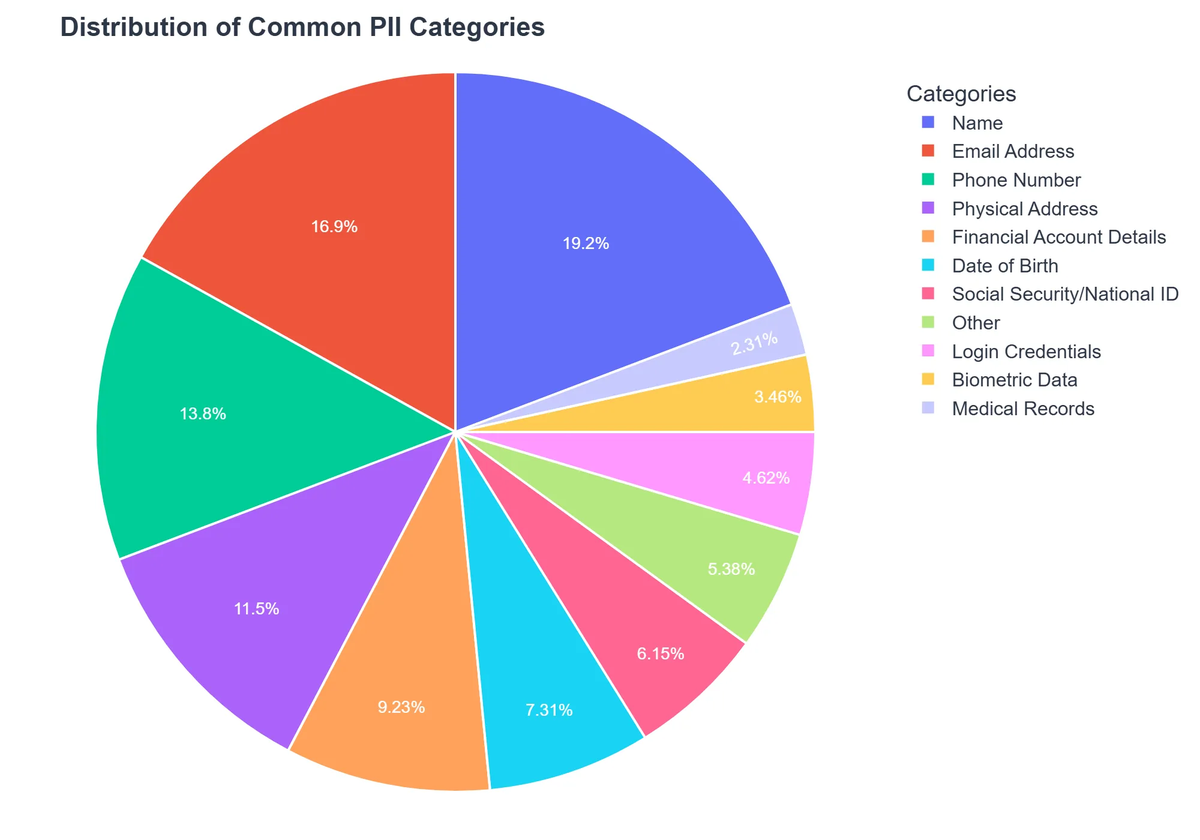
Let’s look at common examples across the spectrum:
- Obvious PII:
- ➡️ Full name (first, middle, last)
- ➡️ Social Security Number (SSN)
- ➡️ Driver’s license number
- ➡️ Passport number
- ➡️ Financial account numbers (bank accounts, credit cards)
- ➡️ Biometric data (fingerprints, facial scans)
- ➡️ Email address
- ➡️ Phone number
- Less Obvious (but still PII) or Indirect PII:
- ➡️ Date of birth
- ➡️ Place of birth
- ➡️ Mother’s maiden name
- ➡️ Medical information (health records, insurance numbers)
- ➡️ Geographic location (home address, GPS coordinates)
- ➡️ IP address
- ➡️ Vehicle identification number (VIN)
- ➡️ Employment information (employer, job title)
- ➡️ Educational information (school, grades)
- ➡️ Digital assets (online handles, unique device identifiers)
It’s crucial to understand that even seemingly innocuous data points can become PII when correlated. For a deeper dive into the specifics, consider exploring our article on PII Privacy: Protecting Personally Identifiable Information.
Why PII Protection Matters: The Imperative of Data Privacy
The protection of PII is paramount for individuals, organizations, and governments alike. Its compromise can lead to severe consequences, undermining trust and causing widespread harm.
The Risks of PII Exposure
When your PII falls into the wrong hands, the repercussions can be devastating:
- 🚨 Identity Theft: Malicious actors can use your PII to open fraudulent accounts, file false tax returns, or even commit crimes in your name.
- 💸 Financial Fraud: Bank account numbers, credit card details, or even just your name and address can be exploited for unauthorized transactions.
- 🚫 Reputational Damage: False information or activities conducted using your stolen identity can harm your reputation, credit score, and personal standing.
- 🗣️ Harassment or Stalking: Personal contact information or location data can expose individuals to unwanted attention or physical harm.
- 📉 Loss of Trust: For businesses, a PII breach can erode customer trust, lead to significant financial penalties, and damage brand reputation.
Regulatory Landscape and Compliance
Recognizing the critical nature of PII, governments and international bodies have established stringent regulations to govern its collection, storage, and processing. These laws aim to protect individuals’ data privacy rights and hold organizations accountable.
- 🇪🇺 GDPR (General Data Protection Regulation): A landmark law in the European Union that imposes strict rules on how personal data is collected, stored, and processed.
- 🇺🇸 CCPA (California Consumer Privacy Act): Grants California consumers extensive rights regarding their personal information.
- 🌐 HIPAA (Health Insurance Portability and Accountability Act): Specifically protects sensitive patient health information in the United States.
- 🏛️ Privacy Act of 1974: Governs the collection, maintenance, use, and dissemination of PII by federal agencies in the U.S. (See: Rules and Policies – Protecting PII – Privacy Act | GSA).
Compliance with these regulations is not just a legal obligation but a moral one, underscoring the universal recognition of PII’s importance.
Common Threats to Your PII
Understanding how your PII can be compromised is the first step towards effective protection. Threats evolve, but several common vectors remain consistent.
Cyberattacks and Data Breaches
Organizations store vast amounts of PII, making them prime targets for cybercriminals. Data breaches occur when unauthorized individuals gain access to this sensitive information due to vulnerabilities in systems, networks, or human error.
- 💻 Hacking: Exploiting software vulnerabilities, weak passwords, or misconfigured systems to gain access.
- 👾 Malware: Viruses, ransomware, or spyware designed to infiltrate systems and extract data.
- 🔓 Insider Threats: Disgruntled employees or negligent internal actors who intentionally or unintentionally expose PII.
Social Engineering and Phishing
These tactics manipulate individuals into revealing sensitive information or performing actions that compromise their security.
- 🎣 Phishing: Deceptive emails, messages, or websites designed to trick you into providing credentials or PII. They often mimic legitimate organizations.
- 📞 Vishing (Voice Phishing): Similar to phishing, but conducted over the phone.
- 💬 Smishing (SMS Phishing): Phishing attempts via text messages.
Third-Party Data Sharing
Many online services collect your PII and then share it with third parties, often for advertising or analytics. While sometimes legitimate, this practice introduces additional points of potential exposure if those third parties lack robust security measures. This is a significant consideration in the world of Big Data and Privacy: Navigating Ethical Considerations.
Understanding and Protecting PII: Benefits and Challenges
Pros
- ✔Minimizes risk of identity theft and fraud.
- ✔Enhances personal privacy and data control.
- ✔Empowers informed decision-making about data sharing.
- ✔Fosters trust in online interactions and services.
Cons
- ✖Requires continuous vigilance and effort.
- ✖Navigating complex data privacy regulations can be difficult.
- ✖Can sometimes lead to inconvenience (e.g., complex passwords, MFA).
- ✖Vulnerability to sophisticated data breaches remains.
Strategies for Protecting Your PII in Everyday Life
Protecting your PII requires a multi-layered approach, combining smart digital habits with the use of robust security tools.
🛡️ Fortifying Your Digital Defenses
- Strong, Unique Passwords: Use complex passwords for every online account. Combine uppercase and lowercase letters, numbers, and symbols.
- Password Managers: Tools like LastPass, 1Password, or Bitwarden securely store and generate unique, strong passwords for all your accounts, meaning you only need to remember one master password. This is an essential step in modern PII protection.
- Multi-Factor Authentication (MFA): Enable MFA wherever possible. This adds an extra layer of security, typically requiring a code from your phone or a biometric scan in addition to your password.
- Keep Software Updated: Regularly update your operating system, web browser, and all applications. Updates often include critical security patches.
- Antivirus/Anti-Malware Software: Install reputable security software and keep it updated to protect against malicious programs.
- VPN Services: A Virtual Private Network (VPN) encrypts your internet connection, masking your IP address and protecting your online activities from prying eyes, especially when using public Wi-Fi. It’s a key tool for enhancing your data privacy.
- Secure Wi-Fi Networks: Always ensure your home Wi-Fi is password-protected with WPA2/WPA3 encryption. Avoid conducting sensitive transactions on unsecured public Wi-Fi.
For more detailed guidelines on safeguarding information, official resources like the NIST publication NIST SP 800-122, Guide to Protecting the Confidentiality of… offer in-depth recommendations.
💡 Smart Online Habits
- Be Skeptical of Unsolicited Requests: Never click on suspicious links or open attachments from unknown senders. Verify the legitimacy of requests for PII directly with the organization via official channels.
- Limit Public Sharing: Be mindful of what PII you share on social media platforms or public forums. Oversharing can provide criminals with clues for identity theft or social engineering attacks.
- Shred Documents: Physically shred sensitive documents like bank statements, credit card offers, and utility bills before discarding them.
- Review Privacy Settings: Regularly check and adjust the privacy settings on your social media accounts, apps, and browsers to control what information is collected and shared.
- Monitor Financial Accounts: Regularly review your bank and credit card statements for any suspicious activity.
- Check Credit Reports: Periodically obtain your free credit reports to check for any unauthorized accounts or inquiries.
🌐 Understanding Privacy Policies
Before signing up for a new service or app, take a moment to understand its privacy policy. While often lengthy, these documents outline how your PII will be collected, used, shared, and protected. Look for clear statements on data retention, third-party sharing, and your rights as a data subject. Major tech companies, such as Apple, have made efforts to clarify their stances on Apple Data and Privacy: Protecting Your Information, setting an example for transparency.
PII in the Age of Data: Challenges and Opportunities
The ubiquity of PII poses both significant challenges and unique opportunities in the modern world.
Balancing Convenience and Security
One of the biggest dilemmas is the trade-off between convenience and security. Many services rely on collecting and processing PII to personalize experiences, streamline transactions, and offer tailored content. The challenge lies in enabling these conveniences without unduly compromising individual privacy. Companies are constantly innovating to minimize PII exposure while maximizing utility through techniques like data anonymization and differential privacy.
The Role of Technology in PII Safeguarding
Just as technology creates new PII risks, it also provides advanced solutions for protection. Blockchain, for instance, offers decentralized and immutable ways to store and verify data, potentially giving individuals more control over their own PII. AI and machine learning are being used to detect anomalous activities and potential threats in real-time, bolstering defensive capabilities against sophisticated attacks. The future of data privacy will undoubtedly be shaped by these evolving technological frontiers.
Recommended Video
Conclusion: Your Role in a Data-Driven World
Protecting your personally identifiable information (PII) is an ongoing commitment in a world that thrives on data. It requires vigilance, informed decision-making, and the adoption of robust digital hygiene practices. From understanding what constitutes PII to leveraging Password Managers and VPN services, every step you take contributes to a more secure digital footprint.
Remember, the power to protect your PII ultimately rests with you. By staying informed, embracing security tools, and adopting smart online habits, you not only safeguard your own identity but also contribute to a safer, more private digital ecosystem for everyone. Continue your journey of understanding how the world works by exploring more topics on The Science of Everyday: How the World Really Works.
Frequently Asked Questions
What exactly is PII?
PII, or Personally Identifiable Information, is any data that can be used to identify, contact, or locate an individual, either directly or indirectly, such as your name, address, or social security number.
Why is protecting PII so important?
Protecting PII is crucial to prevent identity theft, financial fraud, unauthorized access to personal accounts, and to safeguard your overall digital and personal privacy.
How can I protect my PII online?
Key strategies include using strong, unique passwords, enabling multi-factor authentication, being cautious of public Wi-Fi, regularly updating software, and learning to recognize phishing scams.
What’s the difference between PII and sensitive PII?
While PII broadly identifies an individual, sensitive PII (like medical records, financial data, or biometric information) typically requires a higher level of protection due to the significant harm that could result from its compromise.