


Understanding the intricate workings of our home planet is more crucial than ever. From the deep core to the vast reaches of space influencing Earth, a complex interplay of forces shapes our environment, climate, and very existence. This comprehensive guide will define and explore the fascinating field dedicated to this understanding: earth science.
💡 Key Takeaways
- Earth Science is the interdisciplinary study of our planet’s physical aspects, systems, and history.
- It encompasses major branches like geology, oceanography, meteorology, and environmental science.
- Understanding Earth Science is crucial for addressing natural hazards, climate change, and resource management.
- The field investigates the dynamic processes that continually shape Earth, both internally and externally.
“Earth science isn’t just about rocks and weather; it’s the fundamental quest to understand the intricate, interconnected processes that make our planet habitable and ever-evolving, from its ancient past to its uncertain future.”
— Marcus Sterling, Geophysical Explorer & Climate Dynamics Analyst
At its heart, earth science definition encompasses the multidisciplinary scientific study of our planet, its physical characteristics, its dynamic processes, and its natural phenomena. It’s the grand pursuit of unraveling the secrets held within rocks, oceans, atmosphere, and the very forces that have sculpted Earth over billions of years. For a deeper understanding of these underlying dynamics, explore our pillar guide on Earth’s Unseen Forces: The Hidden Dynamics of Our Planet.
In This Article
- — 💡 Key Takeaways
- → 🌎 What is Earth Science? The Scientific Study of Our Planet
- — Defining the Scope: More Than Just Rocks
- → 🌍 The Core Branches of Earth Science
- — Geology: The Study of Earth and Rocks
- — Oceanography: Exploring the Blue Planet
- — Meteorology: The Science of Atmosphere and Weather
- — Environmental Science: Understanding Our Planet’s Health
- → Why Study Earth Science? Importance and Applications
- → ⚙️ Tools and Technologies in Earth Science
- → ➡️ The Future of Earth Science: Interdisciplinary Frontiers
- → Conclusion: Earth Science – Our Planet, Our Future
🌎 What is Earth Science? The Scientific Study of Our Planet
Earth science is an umbrella term for all fields of natural science related to the planet Earth. It is a highly interdisciplinary field that seeks to understand Earth’s past, present, and future. The overarching goal is to decipher the complex systems that govern our planet, from its internal heat engine to the delicate balance of its atmosphere and oceans.
The scientific study of Earth involves observing, measuring, and modeling processes to predict future changes and mitigate risks. It’s about connecting the dots between seemingly disparate phenomena, like volcanic eruptions and climate patterns, or ocean currents and weather systems.
Defining the Scope: More Than Just Rocks
- ✅ Holistic View: Earth science doesn’t just focus on one aspect; it integrates knowledge from various scientific disciplines to form a complete picture of the Earth system.
- ➡️ Dynamic Processes: It investigates ongoing geological, hydrological, atmospheric, and biological processes that continuously shape our planet.
- 💡 Human Impact: Increasingly, earth science also examines the profound impact of human activities on natural systems and seeks sustainable solutions.
🌍 The Core Branches of Earth Science

While often treated as distinct disciplines, the branches of earth science are deeply interconnected, much like the Earth system itself. Here are the primary areas that contribute to our understanding of the planet:
Geology: The Study of Earth and Rocks
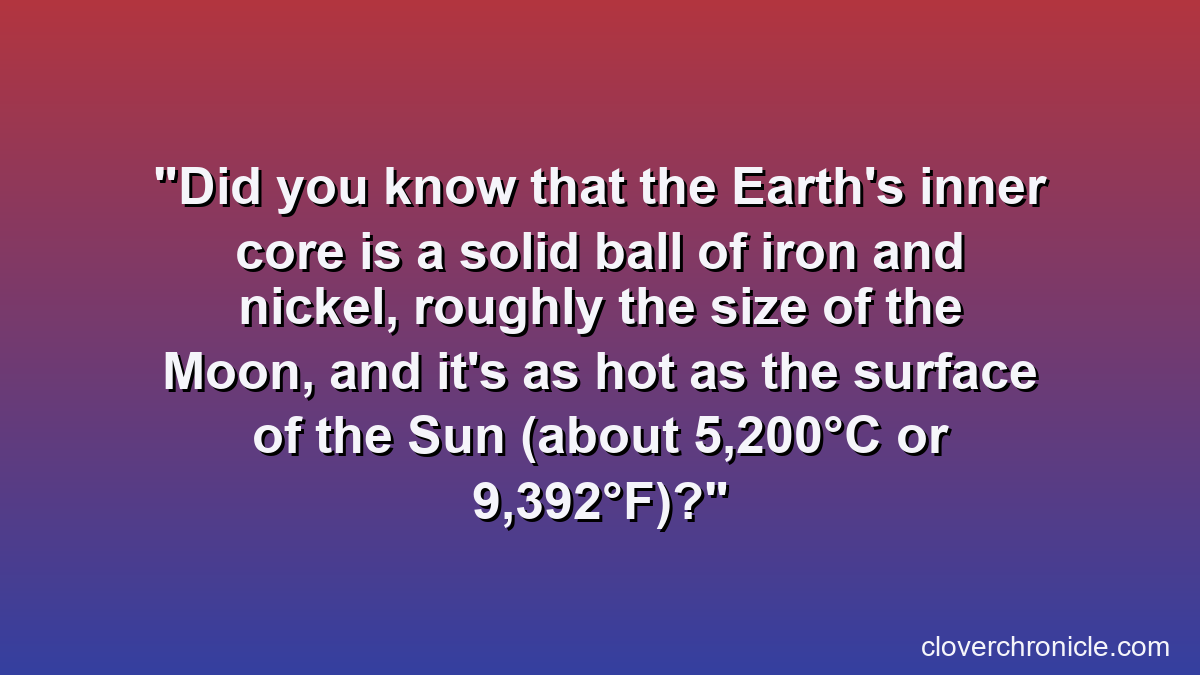
Geology is perhaps the most recognized facet of earth science. It focuses on the study of earth and rocks, encompassing the solid Earth, the rocks it is composed of, and the processes by which they change over time. Geologists investigate:
- ✅ Formation of Minerals and Rocks: Understanding their composition, structure, and how they form.
- ➡️ Plate Tectonics: The theory explaining the movement of Earth’s large crustal plates, responsible for earthquakes, volcanoes, and mountain building. For a closer look at a particularly fiery aspect, delve into Volcanology: A Deep Dive into the Science of Fire Mountains.
- 💡 Geological History: Reconstructing Earth’s past climate, environments, and life forms through the rock record.
Oceanography: Exploring the Blue Planet
As 70% of our planet is covered by water, oceanography is crucial. It is the scientific study of the oceans, including their physical, chemical, biological, and geological characteristics. Oceanographers analyze:
- ✅ Ocean Currents and Tides: Their patterns, causes, and effects on climate and marine life.
- ➡️ Marine Ecosystems: The diverse life forms inhabiting the oceans and their interactions.
- 💡 Seafloor Topography: Mapping the ocean floor, including trenches, ridges, and volcanoes.
Meteorology: The Science of Atmosphere and Weather
Meteorology is the scientific study of Earth’s atmosphere, focusing on weather processes and forecasting. Meteorologists use advanced models and observations to understand:
- ✅ Atmospheric Circulation: How air masses move around the globe, influencing weather patterns.
- ➡️ Climate Phenomena: Such as El Niño, La Niña, and the broader context of climate change. For more on this critical topic, NASA offers comprehensive resources on NASA Earth Science: Monitoring Our Planet from Space.
- 💡 Weather Prediction: Developing models and techniques to forecast weather conditions and warn about extreme events.
Environmental Science: Understanding Our Planet’s Health
Environmental science is an interdisciplinary academic field that integrates physical, biological, and information sciences to study the environment, and the solution of environmental problems. This branch often integrates with other earth sciences to assess and address global challenges like pollution, deforestation, and climate change. It emphasizes the study of earth surface systems and their interactions with living organisms, including humans. Understanding and Protecting Our Planet: Understanding Earth’s Environment is a central theme here.
Why Study Earth Science? Importance and Applications
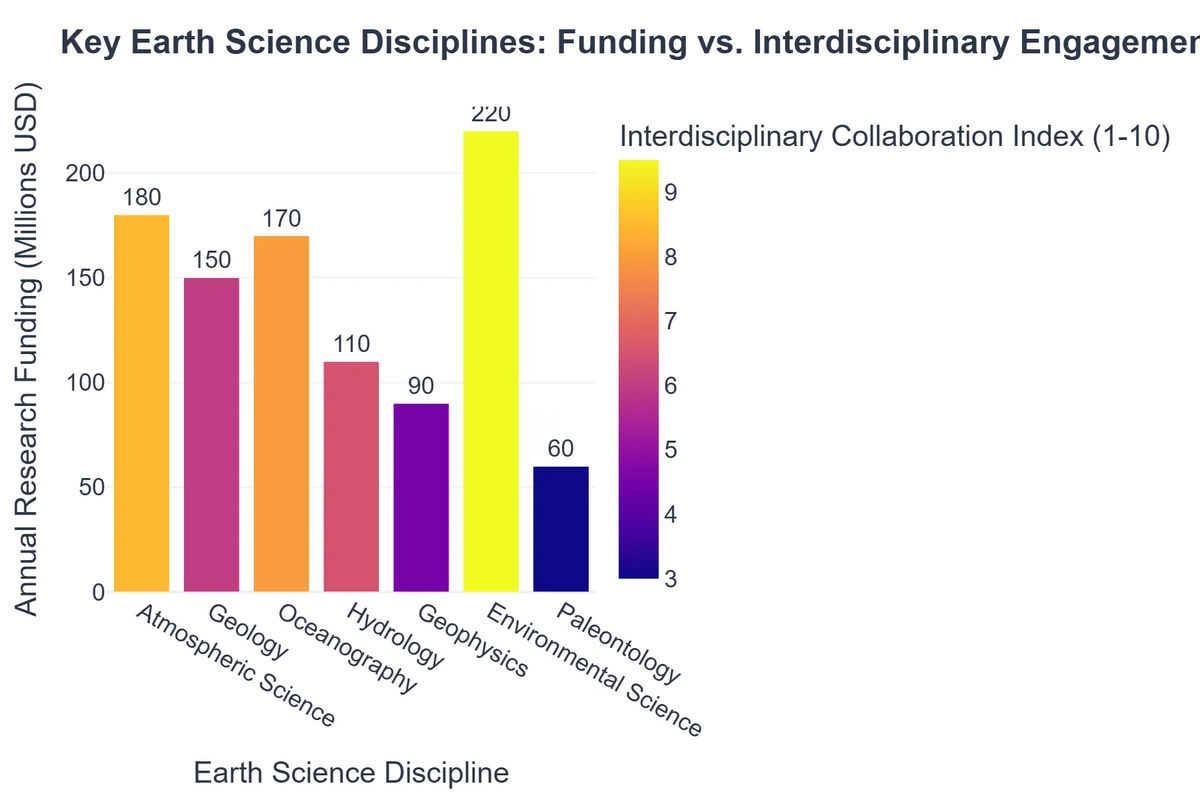
The relevance of earth science extends far beyond academic curiosity. It provides the fundamental knowledge needed to address some of humanity’s most pressing challenges:
- ✅ Natural Hazard Mitigation: Predicting and preparing for earthquakes, volcanic eruptions, tsunamis, floods, and severe weather.
- ➡️ Resource Management: Locating and managing vital natural resources such as water, fossil fuels, and minerals sustainably.
- 💡 Climate Change Understanding: Deciphering the causes and effects of climate change and developing strategies for adaptation and mitigation. The National Science Foundation (NSF) provides excellent insights into ongoing research in this area via their Division of Earth Sciences (GEO/EAR).
- ✅ Environmental Protection: Understanding ecosystems, pollution spread, and developing solutions for environmental degradation.
- ➡️ Urban Planning and Engineering: Informing safe construction and infrastructure development based on geological and hydrological conditions.
⚙️ Tools and Technologies in Earth Science
Modern earth science relies heavily on cutting-edge technology to collect data, analyze complex systems, and model future scenarios:
- ✅ Remote Sensing: Using satellites, drones, and aircraft to collect data about Earth’s surface and atmosphere without direct contact. This includes imagery, thermal data, and elevation models.
- ➡️ Geographic Information Systems (GIS): Software systems for capturing, storing, manipulating, analyzing, managing, and presenting all types of geographical data.
- 💡 Computer Modeling: Developing sophisticated numerical models to simulate complex Earth processes, from climate dynamics to groundwater flow.
- ✅ Seismographs & GPS: Measuring ground motion for earthquake monitoring and tracking crustal deformation.
- ➡️ Oceanographic Buoys & ROVs: Collecting data from the depths of the oceans.
➡️ The Future of Earth Science: Interdisciplinary Frontiers
The field of earth science continues to evolve, pushing the boundaries of knowledge and integrating new technologies. The trend is towards even greater interdisciplinarity, bridging gaps between traditionally separate fields to tackle complex, systemic issues. For instance, understanding what is climate change requires a holistic earth scientific approach.
Future research will increasingly focus on predictive capabilities for natural hazards, sustainable management of scarce resources, and the deep understanding of Earth’s response to anthropogenic changes. It’s a field brimming with opportunities for those passionate about understanding and safeguarding our planet.
Recommended Video
Conclusion: Earth Science – Our Planet, Our Future
Earth science is the study of our planet in all its magnificent complexity. It’s the critical discipline that empowers us to understand the forces shaping our world, from the ancient movements of continents to the daily changes in weather. By embracing the insights provided by geology, oceanography, meteorology, environmental science, and their countless sub-disciplines, we gain the knowledge necessary to live more harmoniously with Earth, mitigate risks, and build a sustainable future.
The journey of understanding our planet is ongoing, an exciting frontier that continuously reveals new insights into Earth’s past, present, and future. It’s a field essential for every global citizen.
Frequently Asked Questions
What exactly is Earth Science?
Earth Science is an umbrella term for the scientific study of the Earth, its composition, structure, physical aspects, atmosphere, oceans, and the processes that have shaped it over geological time.
What are the main branches of Earth Science?
The primary branches include Geology (study of Earth’s solid materials and processes), Oceanography (study of oceans), Meteorology (study of the atmosphere and weather), and Environmental Science (study of interactions between physical, chemical, and biological components of the environment).
Why is Earth Science important for daily life?
Earth Science is vital for understanding natural hazards like earthquakes, volcanoes, and hurricanes, managing natural resources, predicting weather and climate change, and guiding sustainable development and infrastructure planning.