

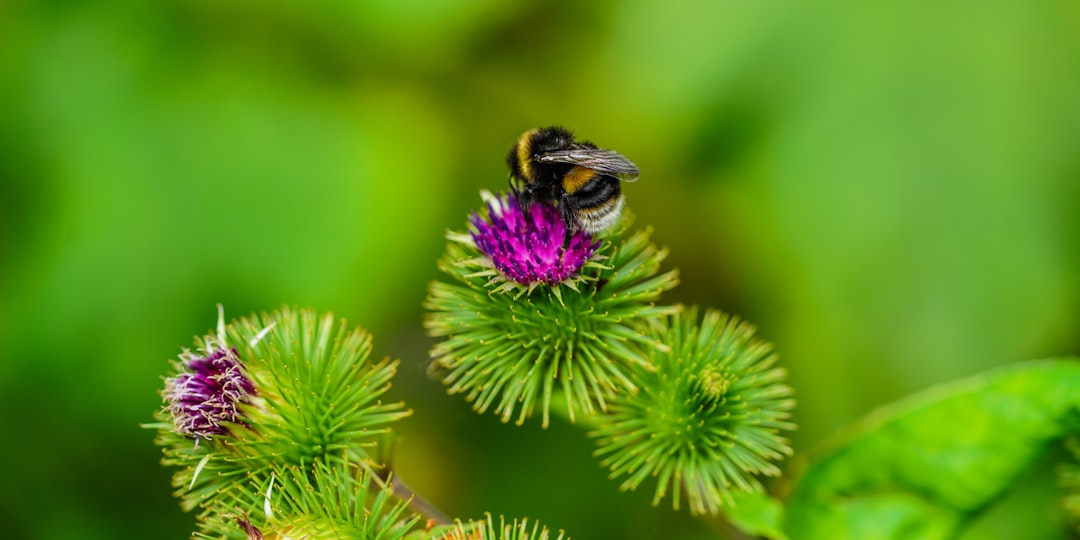
Life on Earth is an intricate tapestry woven from countless threads, each representing a unique species. This rich diversity, particularly in the plant and animal kingdoms, is fundamental to the stability and resilience of our planet’s ecosystems. Understanding biodiversity in plants and animals is not just an academic exercise; it’s crucial for appreciating the very foundations of our existence.
💡 Key Takeaways
- Biodiversity encompasses the vast variety of life on Earth, from genes to ecosystems.
- It is crucial for maintaining stable ecosystems, providing essential services like clean air and water.
- Human activities pose significant threats, leading to rapid species loss and ecological imbalance.
- Conservation efforts are vital to protect endangered species and preserve the planet’s living heritage.
“Biodiversity is not just a catalogue of species; it’s the profound evolutionary narrative written in the DNA of every living thing, revealing the resilience and interconnectedness that sustains life’s intricate dance across millennia.”
— Julian Aris, Evolutionary Biologist & Geneticist
From the microscopic organisms thriving in a single drop of water to the towering sequoia forests and the vast migratory herds across continents, the sheer variety of life forms is staggering. This article will delve into the depths of plant diversity and animal diversity, exploring their significance, the threats they face, and the vital efforts underway to protect them. It’s a journey into the living kingdom that sustains us all, highlighting the principles discussed in The Code of Life: Decoding Genetics, Evolution, and Existence.
In This Article
- — 💡 Key Takeaways
- → Understanding Biodiversity: The Foundation of Life
- — What Constitutes Biodiversity?
- → The Plant Kingdom (Plantae): Green Architects of Life
- — 🌿 Key Characteristics of Plant Diversity
- → The Animal Kingdom (Animalia): Diverse Life Forms
- — 🦁 Roles of Animal Diversity in Ecosystems
- → Why Biodiversity Matters: The Pillars of Existence
- — 🌱 Essential Ecosystem Services
- → Threats to Plant and Animal Biodiversity
- — ⚠️ Major Drivers of Biodiversity Loss
- → Conservation Efforts: Protecting Our Living Kingdom
- — 🌍 Key Conservation Approaches
- → Conclusion: A Shared Responsibility
Understanding Biodiversity: The Foundation of Life
Biodiversity, a portmanteau of “biological diversity,” refers to the variety of life on Earth at all its levels, from genes to ecosystems. It encompasses not just the number of species, but also the genetic variation within species, and the variety of ecosystems (forests, deserts, oceans, etc.) they inhabit. When we focus on plant diversity and animal diversity, we’re examining the two largest and most visibly complex kingdoms of life.
What Constitutes Biodiversity?
- ✅ Genetic Diversity: The variation of genes within a species. This allows species to adapt to changing environments.
- ✅ Species Diversity: The number and abundance of different species in a particular area. This is what most people typically think of when they hear “biodiversity.”
- ✅ Ecosystem Diversity: The variety of habitats, communities, and ecological processes in the biosphere.
For a more comprehensive overview, consider exploring Biodiversity Explained: A Deep Dive into Life’s Rich Tapestry.
The Plant Kingdom (Plantae): Green Architects of Life

The plant kingdom, or Plantae, is a cornerstone of nearly all terrestrial ecosystems. Plants are primary producers, converting sunlight into energy through photosynthesis, forming the base of almost every food web. Their diversity ranges from microscopic algae to colossal trees, each playing a vital role in maintaining ecological balance.

🌿 Key Characteristics of Plant Diversity
- ➡️ Foundation of Food Chains: All life, directly or indirectly, relies on plants for energy.
- ➡️ Oxygen Production: Plants release oxygen as a byproduct of photosynthesis, essential for aerobic life.
- ➡️ Habitat Provision: Forests, grasslands, and other plant communities provide homes and shelter for countless animal species.
- ➡️ Climate Regulation: Plants absorb carbon dioxide, helping to regulate global temperatures and rainfall patterns.
- ➡️ Medicinal and Economic Value: A vast array of medicines, foods, materials, and fuels are derived from plants.
Conservation efforts for plant diversity are spearheaded by organizations like Botanic Gardens Conservation International (BGCI), which works globally to save endangered plants and promote plant conservation in botanical gardens worldwide.
The Animal Kingdom (Animalia): Diverse Life Forms
The animal kingdom, Animalia, is perhaps the most captivating in its sheer variety of forms, behaviors, and adaptations. From invertebrates like insects and jellyfish to vertebrates like fish, birds, mammals, and reptiles, animal diversity is a testament to evolution’s creative power. Animals play critical roles as consumers, decomposers, pollinators, and seed dispersers, directly influencing the health and stability of ecosystems.
🦁 Roles of Animal Diversity in Ecosystems
- ✅ Pollination: Many plants rely on animals (insects, birds, bats) for pollination, essential for reproduction.
- ✅ Seed Dispersal: Animals help spread seeds, facilitating plant colonization and forest regeneration.
- ✅ Nutrient Cycling: Decomposers (e.g., worms, insects) break down organic matter, returning vital nutrients to the soil.
- ✅ Pest Control: Predators keep populations of herbivores in check, preventing overgrazing.
- ✅ Ecosystem Engineers: Species like beavers or elephants can significantly alter their environments, creating new habitats.
For a deeper understanding of how these two kingdoms interact, explore our article on Biodiversity in Flora and Fauna: The Interconnected Web.
Why Biodiversity Matters: The Pillars of Existence
The health of both plant and animal biodiversity is inextricably linked to human well-being and the planet’s overall stability. Losing biodiversity isn’t just about losing individual species; it undermines the very services ecosystems provide.
🌱 Essential Ecosystem Services
- 💡 Provisioning Services: Food, fresh water, timber, fiber, genetic resources, and medicines.
- 💡 Regulating Services: Climate regulation, flood control, disease regulation, water purification, and waste treatment.
- 💡 Cultural Services: Recreation, aesthetic beauty, spiritual enrichment, and educational opportunities.
- 💡 Supporting Services: Nutrient cycling, soil formation, and primary production (like photosynthesis).
The combined biomass of plants vastly outweighs that of animals. Research indicates that plants constitute over 80% of Earth’s biomass, emphasizing their foundational role. (Source: PNAS – The biomass distribution on Earth)
Threats to Plant and Animal Biodiversity
Despite its vital importance, biodiversity is under unprecedented threat. Human activities are driving species to extinction at an alarming rate, far exceeding natural background rates. The five major drivers of biodiversity loss are well-documented:
⚠️ Major Drivers of Biodiversity Loss
- Habitat Loss and Fragmentation: The destruction or division of natural habitats due to agriculture, urbanization, and infrastructure development is the leading cause.
- Overexploitation: Unsustainable hunting, fishing, and logging deplete populations faster than they can recover.
- Pollution: Air, water, and soil pollution (e.g., plastics, pesticides, industrial waste) directly harm species and ecosystems.
- Climate Change: Shifting temperatures and weather patterns push species beyond their adaptive capacities, leading to habitat shifts, reduced food availability, and increased stress.
- Invasive Alien Species: Non-native species introduced to new environments can outcompete native species, disrupt food webs, and introduce diseases.
Conservation Efforts: Protecting Our Living Kingdom
Addressing the biodiversity crisis requires concerted efforts at local, national, and global scales. Conservation strategies aim to protect species and their habitats, restore degraded ecosystems, and promote sustainable practices.
🌍 Key Conservation Approaches
- ✅ In-situ Conservation: Protecting species in their natural habitats. This includes establishing protected areas like national parks and wildlife reserves.
- ✅ Ex-situ Conservation: Protecting species outside their natural habitats. This involves facilities like seed banks, botanical gardens, and Zoological Parks and Aquariums, which play a crucial role in breeding programs and public education.
- ✅ Sustainable Resource Management: Implementing practices that ensure natural resources are used without depleting them for future generations. This can include sustainable agriculture practices discussed in Biodiversity in Sustainable Agriculture.
- ✅ Policy and Legislation: Enacting and enforcing laws that protect endangered species and their habitats.
- ✅ Education and Awareness: Raising public understanding of biodiversity’s importance and the threats it faces.
Organizations like the World Wildlife Fund (WWF) are at the forefront of global conservation efforts, working to protect endangered species, conserve critical habitats, and reduce the human footprint on the planet. Their work, alongside many others, is vital for the future of biodiversity in plants and animals.

Recommended Video
Conclusion: A Shared Responsibility
The immense and intricate web of biodiversity in plants and animals is the foundation of a healthy planet. From the smallest microbe to the largest whale, every living organism plays a role in the delicate balance of ecosystems. Our survival and prosperity are intrinsically linked to the vitality of this living kingdom.
Recognizing the profound value of plant diversity and animal diversity compels us to act. Whether through supporting conservation organizations like Botanic Gardens Conservation International, the World Wildlife Fund, and Zoological Parks and Aquariums, advocating for sustainable policies, or making conscious choices in our daily lives, each individual contributes to preserving this irreplaceable natural heritage. Protecting biodiversity is not merely an environmental issue; it is a critical investment in our future and the legacy we leave for generations to come.
Frequently Asked Questions
Why is biodiversity important?
It’s crucial for stable ecosystems, providing essential services like pollination, clean water, climate regulation, and contributing to human health and well-being.
What are the main threats to biodiversity?
Major threats include habitat loss and fragmentation, climate change, pollution, overexploitation of resources, and invasive alien species.
How can we protect biodiversity?
Protecting biodiversity involves conservation efforts, sustainable resource management, reducing pollution, combating climate change, and supporting policies that protect natural habitats and endangered species.