


Welcome, fellow explorers of our planet’s most astonishing wonders. Today, we embark on a journey deep into the heart of South America, to a place where life thrives in unparalleled abundance: the Amazon Rainforest. When we speak of amazon rainforest biodiversity, we’re not just talking about a collection of species; we’re describing a pulsating, interconnected web of life that represents a significant portion of all known life on Earth.
💡 Key Takeaways
- The Amazon hosts over 10% of the world’s known species, making it a critical biodiversity hotspot.
- Its diverse ecosystems, from floodplains to terra firme forests, support unique flora and fauna.
- The rainforest plays a crucial role in global climate regulation through carbon sequestration and hydrological cycles.
- Ongoing threats like deforestation and climate change endanger the Amazon’s delicate balance and its incredible life forms.
“The Amazon’s biodiversity isn’t just about species count; it’s about the profound ecological feedback loops that influence global weather patterns and atmospheric composition. Understanding these intricate connections is paramount for our planet’s future.”
— Marcus Sterling, Geophysical Explorer & Climate Dynamics Analyst
This magnificent biome, a true global treasure, is a vivid demonstration of Earth’s Unseen Forces: The Hidden Dynamics of Our Planet at their most potent. It’s a living laboratory, constantly evolving, teeming with creatures and plants found nowhere else.
In This Article
- — 💡 Key Takeaways
- → 🌱 What Makes Amazon Rainforest Biodiversity So Unique?
- — 🌳 The Sheer Scale of Life: Astonishing Numbers
- → 🦜 Iconic Flora & Fauna of the Amazon
- — 🍃 Remarkable Plant Life
- — 🐅 Diverse Animal Kingdoms
- → 💡 Why is Amazon Biodiversity So High?
- → ⚠️ Threats to Amazon Rainforest Biodiversity
- → 🤝 Conservation Efforts & The Path Forward
- — 🌍 Key Conservation Strategies
- → 💡 Conclusion: A Priceless Heritage
🌱 What Makes Amazon Rainforest Biodiversity So Unique?
The Amazon is not merely a large forest; it’s an intricate, multifaceted ecosystem with a complexity that scientists are still working to fully understand. Its biodiversity is a testament to millions of years of evolution, adaptation, and stable climatic conditions.
- ✅ Unrivaled Species Richness: The Amazon harbors an estimated 10% of the world’s known species, making it the most biodiverse terrestrial region on Earth.
- ✅ Endemism: Many species found here are endemic, meaning they exist naturally nowhere else on the planet.
- ✅ Stratified Ecosystems: Life flourishes from the forest floor to the towering canopy, each layer supporting a distinct community of organisms.
Understanding the sheer scale of life here is crucial for appreciating its global importance. It’s a prime example of biodiversity in tropical rainforest at its absolute zenith.

🌳 The Sheer Scale of Life: Astonishing Numbers
The statistics surrounding Amazonian life are truly mind-boggling, painting a picture of a vibrant, interconnected world.
- ➡️ Plants: Home to over 40,000 plant species, including countless medicinal plants, timber trees, and fruit-bearing plants. Many plants here have yet to be formally identified or studied. For fascinating insights into Amazonian flora, you might want to explore articles like Plants in the Rainforest: Unveiling the Top 10 Mind-boggling Facts….
- ➡️ Insects: It’s estimated that there are 2.5 million insect species, with many still undiscovered. Insects play vital roles as pollinators, decomposers, and food sources.
- ➡️ Fish: Over 3,000 species of freshwater fish, more than any other river system, including iconic piranhas and the massive arapaima.
- ➡️ Birds: Approximately 1,300 bird species, from colorful macaws to tiny hummingbirds.
- ➡️ Mammals: Around 430 mammal species, including jaguars, tapirs, monkeys, and sloths.
- ➡️ Amphibians & Reptiles: Over 1,000 species of amphibians and reptiles, including anacondas, tree frogs, and caimans.
This incredible density of life makes the Amazon a truly unique hidden wonder of the world.
🦜 Iconic Flora & Fauna of the Amazon
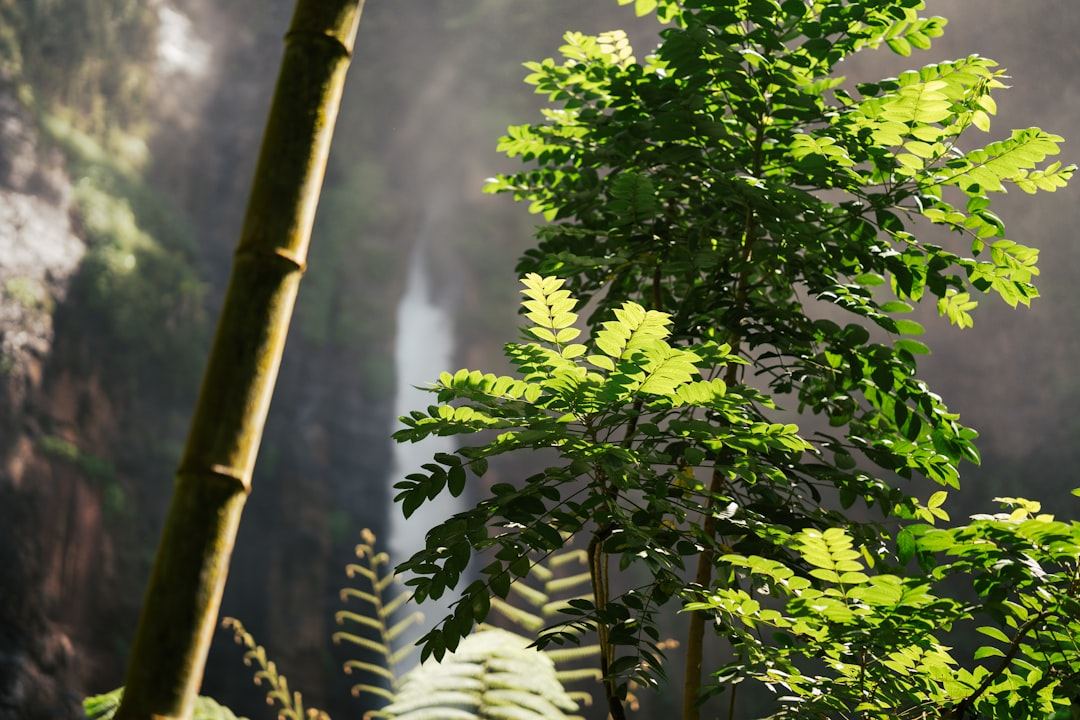
The Amazon’s vastness means it houses a breathtaking array of iconic species, many of which are synonymous with rainforest life. This is where rainforest biodiversity truly comes alive.
🍃 Remarkable Plant Life
The vegetation here is incredibly diverse, forming the structural basis of the entire ecosystem.
Amazon Rainforest Biodiversity: Benefits and Challenges
Pros
- ✔Global hotspot of unparalleled species richness and endemism.
- ✔Crucial source of vital ecosystem services, including climate regulation.
- ✔Immense potential for new scientific discoveries and medicinal compounds.
- ✔Sustains unique indigenous cultures and invaluable traditional knowledge.
Cons
- ✖Extreme vulnerability to rapid habitat loss and degradation.
- ✖High rates of species extinction, often before scientific discovery.
- ✖Challenges in effective monitoring and conservation over vast, remote areas.
- ✖Potential for zoonotic disease emergence due to complex human-wildlife interactions.
- 🌳 Victoria Amazonica: Giant water lilies with pads strong enough to support a small child.
- 🌳 Kapok Tree: One of the tallest trees in the Amazon, providing habitats for numerous animals.
- 🌳 Rubber Tree: Historically significant, the source of natural rubber.
- 🌳 Brazil Nut Tree: A keystone species, relying on specific bees for pollination and agoutis for seed dispersal.
🐅 Diverse Animal Kingdoms
From the smallest insects to apex predators, the Amazon’s animal life is a spectacle.
- 🐯 Jaguar: The largest cat in the Americas, a powerful and elusive predator.
- 🐒 Spider Monkeys: Highly arboreal primates known for their long, prehensile tails.
- 🐊 Black Caiman: One of the largest crocodilians, dominating the Amazonian waterways.
- 🐬 Pink River Dolphin (Boto): A unique freshwater dolphin species, adapted to the Amazon’s flooded forests.
- 🦋 Morpho Butterfly: Known for its iridescent blue wings, a common sight in the understory.
To learn more about the incredible creatures that call these environments home, consider our piece on Forest Biodiversity: A Rich Tapestry of Life.
💡 Why is Amazon Biodiversity So High?
Several interconnected factors contribute to the Amazon’s phenomenal biodiversity:
- ✅ Stable, Wet Climate: Consistent high temperatures and abundant rainfall provide ideal conditions for plant growth year-round, leading to high primary productivity.
- ✅ Geological History: The Amazon River Basin’s vast size and relatively stable geological history have allowed for long periods of uninterrupted evolution.
- ✅ Habitat Heterogeneity: The presence of diverse microclimates, soil types, and elevations, along with the dynamic nature of the river system (flooding, oxbow lakes), creates a mosaic of habitats.
- ✅ Nutrient Cycling: Efficient nutrient cycling, often involving fungi and decomposers, allows for the rapid re-utilization of organic matter, supporting dense life.
- ✅ Co-evolution: The long history of interactions between species, such as plants and their pollinators or predators and prey, has driven the evolution of highly specialized relationships.
The Amazon’s status as a biodiversity hotspot is undeniable. For more on such critical regions, explore Biodiversity Hotspots: Understanding Biodiversity Nodes.
⚠️ Threats to Amazon Rainforest Biodiversity
Despite its incredible resilience, the Amazon’s biodiversity faces severe threats, primarily driven by human activities.
- 🔥 Deforestation: Driven by cattle ranching, agriculture (soybean cultivation), logging, and infrastructure projects, deforestation is the primary threat. It destroys habitats and fragments ecosystems.
- ⛏️ Illegal Mining: Gold mining, in particular, leads to forest destruction and mercury contamination of rivers, poisoning wildlife and human communities.
- 🛣️ Infrastructure Projects: Roads, dams, and oil and gas exploration open up remote areas to further exploitation and development, disrupting natural patterns.
- 🌡️ Climate Change: Changes in rainfall patterns, increased temperatures, and more frequent droughts stress the ecosystem, making it more vulnerable to fires and species extinction.
- 🎣 Illegal Poaching & Fishing: Unsustainable hunting and fishing practices deplete animal populations.
These threats have far-reaching consequences, not just for the Amazon but for global climate regulation and the planet’s overall health.
🤝 Conservation Efforts & The Path Forward
Protecting the amazon rainforest biodiversity is a global imperative, requiring concerted efforts from governments, indigenous communities, NGOs, and individuals.
🌍 Key Conservation Strategies
- ✅ Establishing Protected Areas: Designating and effectively managing national parks and reserves.
- ✅ Supporting Indigenous Rights: Indigenous territories often have lower deforestation rates and are vital for conservation.
- ✅ Sustainable Land Use: Promoting sustainable agriculture, agroforestry, and responsible resource extraction.
- ✅ Combating Illegal Activities: Strengthening law enforcement against illegal logging, mining, and poaching.
- ✅ Restoration Projects: Reforestation and ecological restoration in degraded areas.
- ✅ Global Awareness & Advocacy: Educating the world about the Amazon’s importance and advocating for policy changes.
The battle to save the Amazon is a critical front for Biodiversity Warriors: Protecting Our Planet worldwide. The future of this unparalleled ecosystem depends on our collective action.

Recommended Video
💡 Conclusion: A Priceless Heritage
The amazon rainforest biodiversity is more than just an impressive statistic; it is a living, breathing testament to the power and beauty of nature. It regulates global climate, produces a significant portion of the world’s oxygen, and is a vast reservoir of potential medicinal compounds and genetic resources. Losing this biodiversity would be an irreparable blow to our planet, impacting everything from weather patterns to future scientific discoveries.
As experts in “Earth’s Unseen Forces,” we emphasize that the hidden dynamics of the Amazon are crucial for the health of our entire planet. Protecting it isn’t just an environmental issue; it’s a matter of global survival and a commitment to preserving an irreplaceable natural heritage for generations to come.
Frequently Asked Questions
How many species are estimated to live in the Amazon Rainforest?
It’s estimated that over 3 million species live in the Amazon, with new species being discovered regularly. This includes millions of insect species, hundreds of thousands of plant species, and tens of thousands of vertebrate species.
Why is the Amazon’s biodiversity so important globally?
The Amazon’s biodiversity is crucial for global ecological balance, acting as a massive carbon sink, regulating regional and global weather patterns, and providing numerous ecosystem services like water purification and medicinal resources.
What are the main threats to Amazonian biodiversity?
Major threats include deforestation (for agriculture, logging, mining), climate change, illegal wildlife trade, and dam construction, all of which contribute to habitat loss and species extinction.
What unique ecosystems are found within the Amazon?
Beyond its vast tropical rainforests, the Amazon encompasses diverse ecosystems like flooded forests (várzea and igapó), savannas, mountains, and river systems, each supporting distinct biological communities.