

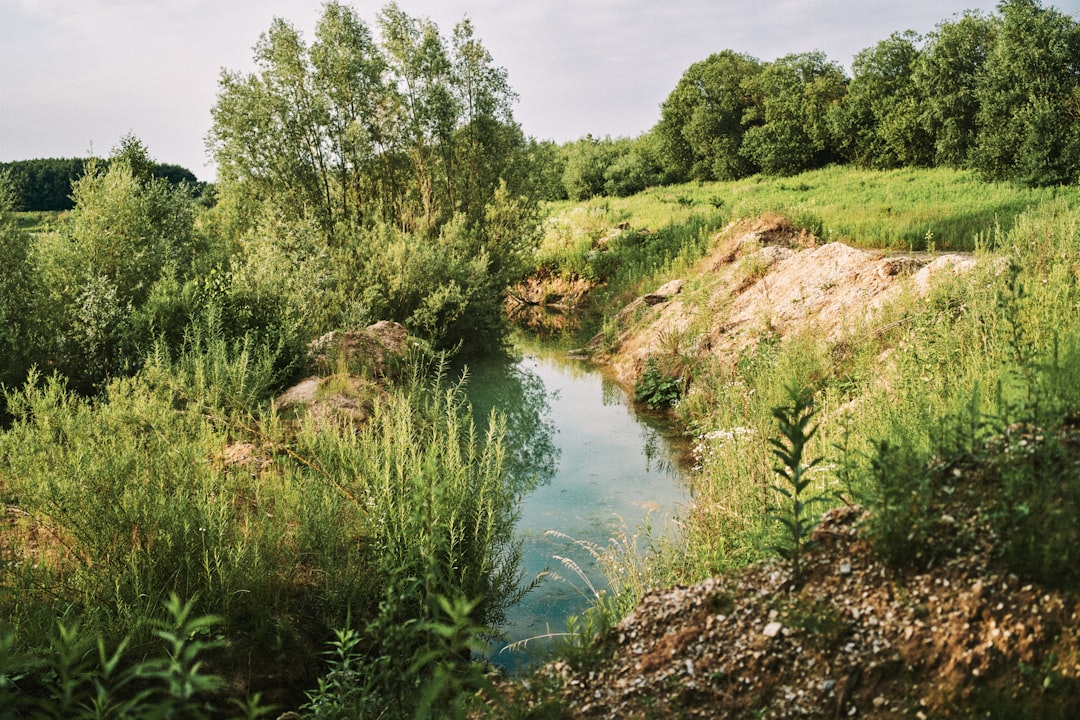
From the towering redwoods of temperate forests to the vibrant coral reefs beneath the ocean’s surface, Earth is a masterpiece of diverse environments, each teeming with unique life forms. These vast regions, characterized by their climate, vegetation, and the incredible array of species they support, are known as biomes. Understanding biomes and biodiversity is fundamental to grasping the intricate web that shapes life on our planet.
💡 Key Takeaways
- Biomes are large ecological regions defined by climate and dominant plant life.
- Biodiversity, the variety of life, is highest in biomes with stable climates and abundant resources.
- Each biome supports unique species adapted to its specific conditions, contributing to global ecological balance.
- Human activities significantly impact biome health and biodiversity, necessitating conservation efforts.
“The intricate dance between biome formation and species adaptation is a testament to evolution’s power, constantly reshaping life’s tapestry on our planet.”
— Julian Aris, Evolutionary Biologist & Geneticist
In this comprehensive guide, we’ll journey through the world’s major biomes, explore the multifaceted concept of biodiversity, and uncover the profound ways in which these two elements intertwine to create the rich tapestry of existence. Prepare to decode the very essence of nature’s architecture and its profound implications for all life, as explored further in The Code of Life: Decoding Genetics, Evolution, and Existence.
In This Article
- — 💡 Key Takeaways
- → What Are Biomes? Earth’s Major Ecosystem Types
- — 💡 Defining a Biome
- — ⚙️ Key Factors Shaping Biomes
- → The World’s Major Biomes: A Global Overview
- — 🌳 Terrestrial Biomes
- — 🌊 Aquatic Biomes
- → Understanding Biodiversity: The Tapestry of Life
- — 🧬 What is Biodiversity?
- — Why is Biodiversity Crucial?
- → The Interplay: How Biomes Shape Biodiversity
- — 🌧️ Climate as a Driver of Species Distribution
- — 🏞️ Habitat Diversity within Biomes
- → Human Impact on Biomes and Biodiversity
- — ⚠️ Threats to Ecosystems
- — 💚 Conservation Efforts and Sustainable Practices
- → The Future of Life on Earth
- — 🌱 Adaptation and Resilience
- — 🤝 Our Role in Preserving Biomes and Biodiversity
What Are Biomes? Earth’s Major Ecosystem Types
A biome is a large-scale ecological area defined by its dominant plant and animal life, which are in turn determined by climate, geography, and geology. Unlike an ecosystem, which can be any size (from a puddle to a forest), a biome is a much larger geographical region, encompassing many different ecosystems that share similar characteristics.
💡 Defining a Biome
Biomes are essentially large communities of flora and fauna occupying a major habitat. They are distinguishable from one another by key environmental factors that influence the types of organisms that can thrive within them. For a deeper understanding of these foundational concepts, many Environmental Science Textbooks often dedicate entire chapters to the classification and characteristics of biomes, similar to the resources provided by National Geographic.
⚙️ Key Factors Shaping Biomes
The distribution of earth’s biomes is primarily driven by:
- ✅ Climate: Temperature and precipitation are the most crucial factors. Different combinations of heat and moisture support different types of vegetation, which in turn support different animal species.
- ✅ Geography: Latitude, altitude, and proximity to large bodies of water significantly influence climate patterns. For instance, mountain ranges create rain shadows, and ocean currents can drastically affect coastal climates.
- ✅ Soil Type: The composition and fertility of the soil dictate which plants can grow, influencing the entire food web.
The World’s Major Biomes: A Global Overview
While there are various classification systems, most broadly categorize biomes into two main groups: terrestrial (land) and aquatic (water).

🌳 Terrestrial Biomes
These land-based biomes are primarily defined by their climate and dominant vegetation.
- Forests:
- ➡️ Tropical Rainforest: Hot, humid, high rainfall; immense biodiversity.
- ➡️ Temperate Forest: Distinct seasons, moderate rainfall; deciduous and coniferous trees.
- ➡️ Boreal Forest (Taiga): Cold, long winters, coniferous trees; significant carbon sink.
- Grasslands:
- ➡️ Savanna: Warm, distinct wet/dry seasons; scattered trees, tall grasses.
- ➡️ Temperate Grassland (Prairies, Steppes): Cold winters, hot summers; fertile soils, dominant grasses.
- Deserts:
- ➡️ Hot Desert: Hot days, cold nights, very low rainfall; specialized flora/fauna.
- ➡️ Cold Desert: Cold winters, short summers, low precipitation (often snow).
- Tundra:
- ➡️ Arctic Tundra: Permafrost, low-growing vegetation; very cold.
- ➡️ Alpine Tundra: High altitudes, similar conditions to arctic but without permafrost.
🌊 Aquatic Biomes
These water-based biomes are influenced by factors like salinity, water depth, flow, and temperature.
- Freshwater Biomes:
- ➡️ Lakes and Ponds: Standing water, varying sizes and depths.
- ➡️ Rivers and Streams: Flowing water, often with high oxygen levels.
- ➡️ Wetlands: Areas saturated with water (marshes, swamps, bogs); highly productive.
- Marine Biomes:
- ➡️ Oceans: Vast, saline water bodies; divided into zones (intertidal, pelagic, benthic, abyssal). You can explore how powerful forces like ocean currents shape these environments, as detailed by Marine Biodiversity Canada.
- ➡️ Coral Reefs: Underwater ecosystems built by coral polyps; incredibly biodiverse.
- ➡️ Estuaries: Where freshwater rivers meet the ocean; brackish water, high productivity.
Understanding Biodiversity: The Tapestry of Life
Biodiversity, short for biological diversity, refers to the variety of life on Earth at all its levels, from genes to ecosystems. It encompasses the millions of different species, the genetic variation within those species, and the multitude of ecosystems they form. To dive deeper into the varied forms life takes, explore our article on Biodiversity Examples: A Rich Tapestry of Life.
🧬 What is Biodiversity?
According to the American Museum of Natural History, biodiversity can be understood across three main levels:
- ✅ Genetic Diversity: The variation of genes within a species. This allows species to adapt to changing environments.
- ✅ Species Diversity: The number and abundance of different species in a particular area.
- ✅ Ecosystem Diversity: The variety of ecosystems in a region, which includes all the different habitats, communities, and ecological processes.
Understanding “What is Biodiversity?” is crucial for conservation efforts, as highlighted by AMNH’s Center for Biodiversity Conservation.
Why is Biodiversity Crucial?
Biodiversity is not just about the number of species; it’s about the resilience and health of our planet. It provides:
- 🌿 Ecosystem Services: These are the benefits humans receive from ecosystems, such as clean air and water, pollination of crops, soil formation, and climate regulation.
- 💊 Medicinal Resources: Many crucial medicines are derived from plants, fungi, and marine organisms.
- 🍔 Food Security: A wide range of crops and livestock ensures a stable food supply and adaptability to diseases.
- ♻️ Resilience: Diverse ecosystems are more robust and able to recover from disturbances like natural disasters or climate change.
The intricate link between environmental health and the variety of life is further detailed in our piece on Ecosystem Biodiversity: The Vital Link Between Life and Environment.
The Interplay: How Biomes Shape Biodiversity
The relationship between biomes and biodiversity is symbiotic and profound. Biomes, with their distinct environmental conditions, act as the fundamental containers that dictate which forms of life can flourish, thereby directly shaping the biodiversity found within them. The very definition of a biome is intrinsically linked to the life it supports.
🌧️ Climate as a Driver of Species Distribution
The climatic conditions characteristic of each biome (temperature, precipitation, seasonality) act as a filter, allowing only certain species to survive and reproduce. For example:
- ➡️ Tropical rainforests, with their consistent warmth and abundant rainfall, support an unparalleled diversity of tree species, insects, and primates that are adapted to a humid, high-canopy environment.
- ➡️ Deserts, conversely, host species with unique adaptations for water conservation, such as cacti with their succulent stems and camels with their ability to store water and withstand extreme temperatures.
🏞️ Habitat Diversity within Biomes
While biomes are large, they are not uniform. Within each biome, there exists a variety of microclimates and habitats that further contribute to biodiversity. A single forest biome, for instance, can contain wetlands, open clearings, riverbanks, and varying levels of canopy, each providing niches for different species. This concept is vital for understanding Biodiversity Habitats: Protecting Nature’s Homes and why conservation efforts must consider the smaller, unique spaces within larger biomes.
The physical structure of the dominant vegetation in a biome also creates diverse habitats. The complex layering of a rainforest (emergent layer, canopy, understory, forest floor) offers distinct living spaces, allowing a greater variety of species to coexist by occupying different ecological niches.
Human Impact on Biomes and Biodiversity
While natural forces continuously shape biomes and their associated biodiversity, human activities have become an overwhelming force, causing rapid and often irreversible changes. Our footprint is altering the very foundational elements of many ecosystem types, leading to significant challenges.

⚠️ Threats to Ecosystems
The primary threats include:
- 🏭 Habitat Destruction and Fragmentation: Deforestation for agriculture, urbanization, and resource extraction are leading causes. When natural habitats are destroyed or broken into smaller, isolated pieces, species lose their homes and migration routes.
- 💨 Pollution: Air, water, and soil pollution from industrial activities, agriculture, and waste disposal directly harm organisms and degrade ecosystem health.
- 🌡️ Climate Change: Altered temperature and precipitation patterns are forcing species to migrate or face extinction, and entire biomes are shifting. This interaction between climate and biodiversity is a critical area of study, as discussed in research like Interactions between changing climate and biodiversity: Shaping….
- 🎣 Overexploitation: Unsustainable fishing, hunting, and harvesting of natural resources deplete populations faster than they can replenish.
- 🌱 Invasive Species: Introduction of non-native species can outcompete native species, disrupt food webs, and alter habitats.
These threats contribute directly to Biodiversity Loss: Understanding Change and Drivers, a critical issue facing our planet.
💚 Conservation Efforts and Sustainable Practices
Protecting biomes and biodiversity requires concerted global and local efforts:
- 🌍 Protected Areas: Establishing national parks, wildlife refuges, and marine protected areas safeguards critical habitats.
- ♻️ Sustainable Resource Management: Implementing practices in forestry, agriculture, and fishing that ensure long-term viability of resources.
- 🤝 International Cooperation: Agreements like the Convention on Biological Diversity aim to conserve biodiversity globally.
- ✈️ Ecotourism: Responsible ecotourism operators promote travel that minimizes environmental impact and contributes to conservation efforts and the well-being of local communities. This provides economic incentives for preserving natural spaces.
- 💡 Restoration Projects: Reforestation, wetland restoration, and coral reef rehabilitation efforts aim to bring degraded ecosystems back to health.
The Future of Life on Earth
The ongoing interaction between biomes and biodiversity is a dynamic process, one that has been ongoing for billions of years. However, the current pace of change, largely driven by human activities, presents unprecedented challenges to life on Earth. Our understanding and actions today will profoundly shape the biomes and the biodiversity they harbor for generations to come.
🌱 Adaptation and Resilience
Species naturally adapt to changing conditions over time through evolution. However, the speed of current climate change and habitat loss often outpaces the natural adaptive capacities of many species. This highlights the importance of maintaining genetic diversity within populations, which provides the raw material for adaptation.
🤝 Our Role in Preserving Biomes and Biodiversity
As stewards of this planet, our role is crucial. Protecting biomes means protecting the vast array of life that calls them home. This involves:
- ➡️ Reducing our carbon footprint to mitigate climate change.
- ➡️ Supporting sustainable agriculture and responsible consumption.
- ➡️ Advocating for policy changes that prioritize conservation.
- ➡️ Educating ourselves and others about the value of biodiversity.

Recommended Video
Ultimately, the health of our planet’s biomes and the richness of its biodiversity are inextricably linked. They form the foundation for all life, including our own. By understanding these fundamental ecological structures and recognizing our impact, we can strive to be better caretakers, ensuring that the incredible diversity of life continues to thrive across all of Earth’s magnificent biomes.
Frequently Asked Questions
How do biomes relate to biodiversity?
Biomes provide the specific environmental conditions that allow certain species to thrive, thus directly influencing the diversity and distribution of life forms.
Why is it important to protect biomes?
Protecting biomes is crucial because they regulate global climate, provide essential ecosystem services, and are home to unique biodiversity vital for planetary health.
What are the main types of biomes?
The main types include aquatic (freshwater and marine) and terrestrial (forests, grasslands, deserts, tundra, taiga) biomes.