


Welcome to the fascinating realm of cognitive science, an expansive and truly interdisciplinary field dedicated to unraveling the profound mysteries of the human mind. This rigorous scientific pursuit brings together diverse academic disciplines to understand the fundamental nature of intelligent systems, both natural and artificial. By exploring how we perceive, think, remember, learn, speak, and solve problems, cognitive science offers unparalleled insights into what it means to be human.
💡 Key Takeaways
- Cognitive science is an interdisciplinary field studying mental processes like perception, memory, and language.
- It integrates insights from psychology, neuroscience, linguistics, computer science, and philosophy.
- Understanding cognitive principles is crucial for developing AI, improving education, and treating mental disorders.
- The field offers profound insights into the nature of human intelligence and consciousness.
“Cognitive science unveils the intricate dance between our neurons and our deepest thoughts, offering a profound understanding of what it truly means to be human and unlocking our potential.”
— Dr. Eleanor Vance, PhD, Cognitive Neuroscientist & Human Potential Researcher
In This Article
- — 💡 Key Takeaways
- → What is Cognitive Science? Defining the Core Discipline
- → The Interdisciplinary Pillars of Cognitive Science
- — 🧠 Psychology: The Study of Mental Processes
- — 💬 Linguistics: Language and Cognition
- — 🤖 Artificial Intelligence: Modeling the Mind
- — 🧠 Neuroscience: The Brain’s Role
- — 🤔 Philosophy: Conceptual Foundations
- — 🌍 Anthropology: Culture and Cognition
- → Key Areas of Study within Cognitive Science and the Human Mind
- → Research Methods and Approaches in Cog Sci
- → The Impact and Future of Cognitive Science
What is Cognitive Science? Defining the Core Discipline
Cognitive science is the scientific study of mind and its processes. It is not merely a single discipline but a vibrant, collaborative arena where researchers from various fields converge to investigate the nature of knowledge, thought, perception, memory, and consciousness. At its heart, cognitive science seeks to answer fundamental questions about how the mind works, how it emerges from the brain, and how it interacts with the world.
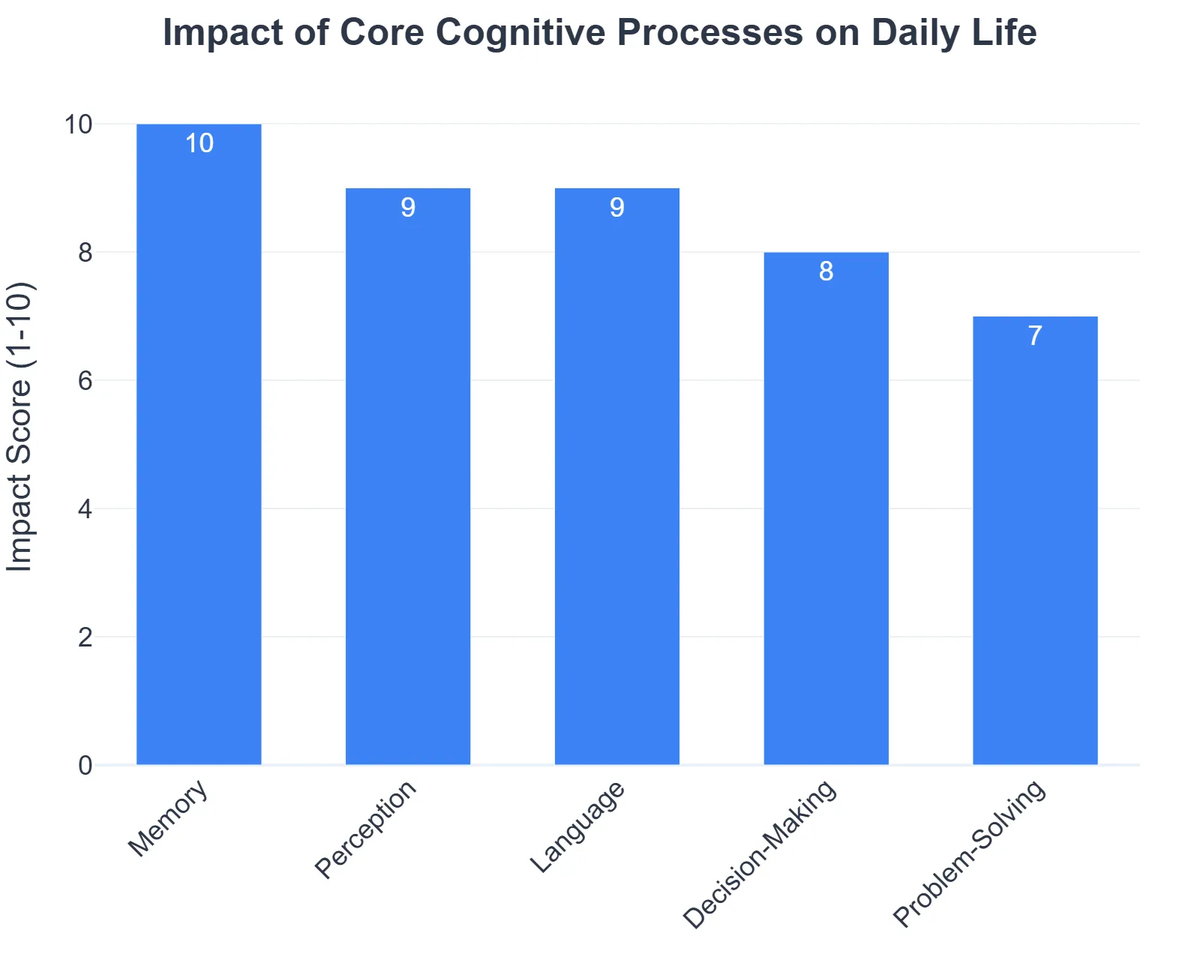
Unlike traditional psychology, which might focus on behavior or individual mental processes, cognitive science adopts a broader, more integrated approach. It views the mind as an information-processing system, examining the computational and representational aspects of mental phenomena. This perspective allows for a unified understanding of complex cognitive functions, from the most basic sensory inputs to abstract reasoning and decision-making.
- ✅ Interdisciplinary Nature: It draws heavily from psychology, linguistics, artificial intelligence, philosophy, neuroscience, and anthropology.
- ➡️ Core Focus: Understanding how mental processes like perception, memory, language acquisition, reasoning, and problem-solving occur.
- 💡 Goal: To develop theories and models of the human mind that are empirically testable and computationally plausible.
Understanding cognitive science is crucial for comprehending The Human Enigma: Unlocking the Secrets of Our Body and Mind, as it provides the foundational framework for analyzing our most complex internal workings.
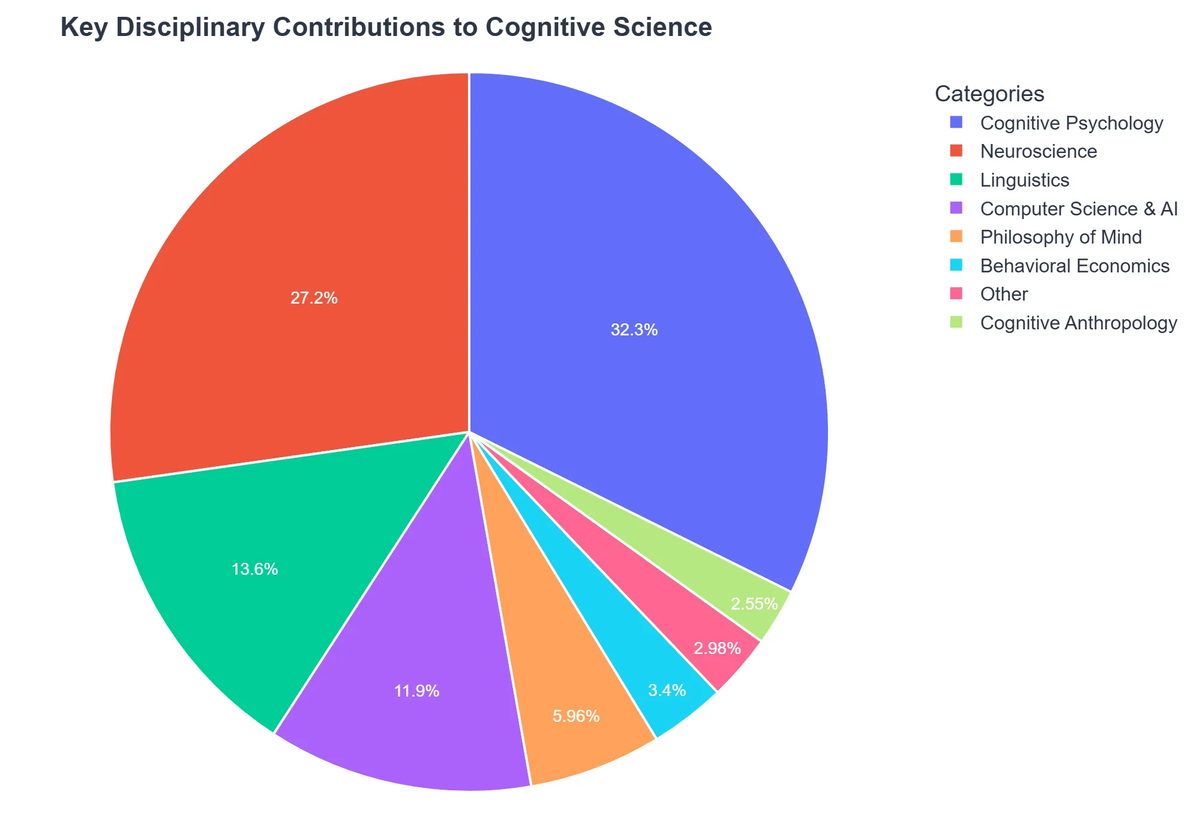
The Interdisciplinary Pillars of Cognitive Science
The strength of cognitive science lies in its unique integration of multiple disciplines, each contributing a vital perspective to the study of the mind. This synergy allows researchers to approach complex cognitive problems from diverse angles, leading to a richer and more comprehensive understanding.
🧠 Psychology: The Study of Mental Processes
Cognitive psychology forms the bedrock of much of cognitive science. It investigates internal mental processes such as problem-solving, memory, perception, and language, often through experimental methods. Psychologists design experiments to observe and measure how humans acquire, process, and store information, providing empirical data that informs theories across the field.
Cognitive Science: An Introduction – Pros and Cons
Pros
- ✔Provides a comprehensive, interdisciplinary view of the mind.
- ✔Offers fundamental insights into perception, memory, language, and reasoning.
- ✔Highly relevant to fields like AI, education, and human-computer interaction.
- ✔Encourages critical thinking about complex systems.
Cons
- ✖Can be overwhelming due to the breadth and diversity of its topics.
- ✖Many concepts are abstract and may require foundational knowledge in multiple fields.
- ✖As an introduction, it often lacks deep dives into specific sub-disciplines.
- ✖Rapidly evolving field means some introductory material can quickly become outdated.
💬 Linguistics: Language and Cognition
Linguistics explores the structure, acquisition, and use of language. Within cognitive science, it focuses on how language is represented in the mind, how we understand and produce speech, and the relationship between language and thought. Insights from linguistics are crucial for understanding the human capacity for complex communication.
🤖 Artificial Intelligence: Modeling the Mind
Artificial Intelligence (AI) plays a dual role: it provides computational models and tools to simulate cognitive processes, and it serves as a testing ground for theories about the mind. By attempting to build intelligent systems, AI researchers gain a deeper understanding of the challenges and complexities of human cognition. This collaboration helps illuminate how we can create intelligent systems, mirroring aspects of the human brain’s functions. For more, explore the insights offered in CS 6795: Introduction to Cognitive Science from Georgia Tech.
How ‘Innovate Minds’ Boosted App Retention by 40% Using Cognitive Science
❓The Challenge
Innovate Minds’ latest productivity app, FocusFlow, struggled with low user retention despite a strong feature set, as its complex interface didn’t align with intuitive user thought processes.
💡The Solution
By deeply integrating insights from cognitive science into their UX/UI design, Innovate Minds optimized FocusFlow. They focused on reducing cognitive load, streamlining information processing, and leveraging principles of memory and perception to create a truly intuitive user experience.
🏆The Result
This cognitive-informed redesign led to a 40% increase in FocusFlow’s 7-day user retention rate and a 25% improvement in in-app task completion.
🧠 Neuroscience: The Brain’s Role
Cognitive neuroscience investigates the neural bases of mental processes. Using techniques like fMRI and EEG, neuroscientists map brain activity during cognitive tasks, linking specific brain regions to particular functions. This helps ground cognitive theories in biological reality, revealing how the brain’s physical structure and processes give rise to the mind. The work of Cognitive Scientists: Unraveling the Human Mind often involves bridging these neural insights with psychological models.
🤔 Philosophy: Conceptual Foundations
Philosophy provides the conceptual framework and critical inquiry necessary for cognitive science. Philosophers explore fundamental questions about the nature of mind, consciousness, knowledge, and free will, challenging assumptions and clarifying theoretical constructs. Their role is essential for defining the scope and limitations of the field.

🌍 Anthropology: Culture and Cognition
Cognitive anthropology examines how cultural contexts shape mental processes and vice versa. It explores the diversity of human cognition across different societies, providing valuable insights into how culture influences perception, memory, and reasoning. This dimension adds a crucial understanding of the variability and universality of human cognitive abilities.
Key Areas of Study within Cognitive Science and the Human Mind
The vast landscape of cognitive science and the human mind encompasses numerous specific areas of investigation, each contributing to a holistic understanding of how we interact with and interpret the world.
- 💡 Perception: How do our senses (sight, sound, touch, taste, smell) gather information, and how does the brain process and interpret this sensory input to form a coherent understanding of our environment?
- ✅ Memory: This area explores how information is encoded, stored, and retrieved. It differentiates between types of memory (e.g., short-term, long-term, working, episodic) and investigates mechanisms of forgetting and recall.
- ➡️ Language: From phonetics and syntax to semantics and pragmatics, this examines how humans acquire, understand, and produce language. It also delves into the relationship between language and thought.
- ⚙️ Reasoning and Problem-Solving: This involves studying how we apply logic, make inferences, and devise strategies to overcome challenges. It looks at deductive, inductive, and abductive reasoning, as well as creative problem-solving.
- 🤔 Decision-Making: How do we make choices, especially under uncertainty? This area investigates the cognitive processes, biases, and heuristics that influence our decisions. Understanding these can help unmask common pitfalls, as discussed in Cognitive Biases: Unmasking Your Mind.
- 🎯 Attention: The study of how we selectively focus on certain stimuli while ignoring others, and how attention impacts performance and awareness.
- 🗣️ Emotion and Cognition: While traditionally studied separately, cognitive science increasingly explores the intricate interplay between emotions and cognitive processes, understanding how feelings influence thought and vice versa.
Research Methods and Approaches in Cog Sci
The interdisciplinary nature of cog sci is reflected in its diverse methodological toolkit. Researchers employ a variety of approaches to gather data and test hypotheses about mental processes.
- ✅ Experimental Psychology: This involves designing controlled experiments to manipulate variables and observe their effects on cognitive performance. Behavioral measures such as reaction time, accuracy, and eye movements are commonly used.
- ➡️ Computational Modeling: Researchers develop computer programs and algorithms that simulate cognitive processes. These models can test theories by demonstrating whether a proposed mechanism can produce the observed behavior.
- 💡 Neuroimaging Techniques: Tools like functional Magnetic Resonance Imaging (fMRI), Electroencephalography (EEG), and Magnetoencephalography (MEG) allow scientists to observe brain activity in real-time while individuals perform cognitive tasks, linking mental processes to specific brain regions.
- 📚 Linguistic Analysis: This includes corpus analysis (studying large bodies of text or speech), syntactic parsing, and semantic analysis to understand the structure and meaning of language and its cognitive underpinnings.
- 🧠 Lesion Studies: By studying individuals with brain damage, researchers can infer the function of specific brain areas based on the cognitive deficits observed.
- 📝 Philosophical Analysis: While not empirical, philosophical methods like conceptual analysis, logical argumentation, and thought experiments are crucial for clarifying terms, identifying theoretical issues, and guiding research questions.
These diverse methods allow cognitive scientists to build robust, multi-faceted understandings of the mind, driving significant advancements, as highlighted in Cognitive Science: Exploring Breakthroughs in Mind Science.
Recommended Video
The Impact and Future of Cognitive Science
The insights gleaned from cognitive science extend far beyond the academic realm, impacting numerous aspects of modern life. Its applications are transforming industries, improving education, and enhancing our understanding of human capabilities and limitations.
- 🚀 Artificial Intelligence and Robotics: Principles of human cognition are directly applied to develop more intelligent and intuitive AI systems, from natural language processing and computer vision to decision-making algorithms and robotic control.
- 📚 Education: Understanding how people learn, remember, and solve problems has revolutionized pedagogical approaches, leading to more effective teaching strategies and curriculum design. This directly informs subjects like Cognitive Development: Critical Thinking & Self-Reflection.
- 🖥️ Human-Computer Interaction (HCI): Cognitive science principles are essential for designing user-friendly interfaces and experiences, ensuring that technology aligns with human cognitive abilities and limitations.
- 🩺 Mental Health and Neurology: By unraveling the neural and cognitive underpinnings of mental processes, cognitive science contributes to better diagnosis and treatment of cognitive disorders, neurological conditions, and psychological illnesses.
- 💼 Business and Economics: Insights into decision-making, judgment, and cognitive biases are increasingly applied in areas like behavioral economics, marketing, and organizational design. You can learn more about its foundational principles from resources like Introduction to Cognitive Science | Plus.
As technology advances and our understanding of the brain deepens, the field of cognitive science and the human mind continues to evolve rapidly. Future breakthroughs are anticipated in areas like brain-computer interfaces, advanced AI systems that truly mimic human reasoning, and deeper insights into consciousness itself. The journey to unlock the secrets of our body and mind is ongoing, with cognitive science leading the charge.
What is cognitive science?
Cognitive science is an interdisciplinary field dedicated to the scientific study of the mind and its processes, including perception, memory, attention, language, and decision-making.
What disciplines contribute to cognitive science?
It draws from various fields such as psychology, neuroscience, linguistics, philosophy, computer science, and anthropology to understand cognitive functions.
Why is cognitive science important?
It helps us understand human intelligence, develop artificial intelligence, improve learning methods, and treat cognitive disorders, offering insights into how we think and interact with the world.
How does cognitive science differ from psychology?
While psychology broadly studies behavior and mental processes, cognitive science specifically focuses on the computational and representational aspects of cognition, often with a stronger emphasis on interdisciplinary integration and computational models of the mind.