


Medical Education: Tomo Riba Institute and Global Health Sciences
In an era defined by rapid scientific advancement and evolving global health challenges, the bedrock of a robust healthcare system remains high-quality medical education. It is the vital pipeline that prepares dedicated professionals to diagnose, treat, prevent diseases, and promote well-being across diverse populations. From foundational science to cutting-edge clinical practice, the journey of medical education is dynamic, demanding, and continuously adapting to the needs of society. Health sciences institutes worldwide stand as pillars in this endeavor, shaping the minds and skills of future healers.
💡 Key Takeaways
- Tomo Riba Institute integrates local healthcare needs with broader global health principles.
- The institute fosters a holistic and community-oriented approach to medical education.
- Its curriculum prepares graduates for diverse and evolving global health challenges.
- The institute plays a vital role in advancing regional healthcare standards and knowledge.
“Effective medical education, as championed by institutions like Tomo Riba, isn’t just about knowledge acquisition; it’s about cultivating cognitive flexibility and emotional intelligence, crucial for navigating the complex, interconnected challenges of global health.”
— Eleanor Vance, Neuroscience Communicator & Cognitive Psychologist
This comprehensive guide delves into the multifaceted world of medical education, highlighting its critical role in shaping global health outcomes. We’ll explore the significance of dedicated institutions, including regional players like the tomo riba institute of health and medical sciences, and how their contributions collectively impact the human enigma – our complex body and mind. For a broader understanding of this field, consider exploring The Human Enigma: Unlocking the Secrets of Our Body and Mind.
In This Article
- → Medical Education: Tomo Riba Institute and Global Health Sciences
- — 💡 Key Takeaways
- → The Foundation of Future Healthcare: Understanding Medical Education
- — 🩺 What is Medical Education? Beyond the Stethoscope
- — 🌐 The Evolving Landscape of Health Sciences
- → Pillars of Progress: Key Health Sciences Institutes
- — 🏥 Tomo Riba Institute and Regional Impact
- — 🌍 Diverse Contributions from Other Institutions
- → Global Health Challenges and the Role of Education
- — ⚖️ Addressing Health Disparities Through Training
- — 🤝 Interprofessional Collaboration: A Modern Imperative
- → Shaping the Workforce: Impact of Health Sciences Institutes
- — 🔬 From Theory to Practice: Clinical Training
- — 💡 Research and Innovation in Medical Sciences
- → The Future of Medical Education: Adaptation and Innovation
- — 🖥️ Technology’s Role in Learning
- — 📈 Continuous Professional Development
- → Conclusion: Nurturing the Healers of Tomorrow
The Foundation of Future Healthcare: Understanding Medical Education
At its core, medical education is more than just training doctors; it’s about cultivating a comprehensive understanding of human health, disease, and the art of caregiving. It encompasses a vast spectrum of disciplines, preparing professionals for roles that span clinical practice, research, public health, and administration.
🩺 What is Medical Education? Beyond the Stethoscope
- ✅ Comprehensive Scope: Medical education includes training for physicians, nurses, pharmacists, allied health professionals, public health specialists, and researchers.
- ➡️ Rigorous Curriculum: Programs typically involve a blend of theoretical knowledge (anatomy, physiology, pharmacology), practical skills (diagnostics, procedures), and ethical considerations.
- 💡 Lifelong Learning: The medical field is constantly evolving, necessitating continuous professional development and adaptation to new discoveries and technologies.
🌐 The Evolving Landscape of Health Sciences
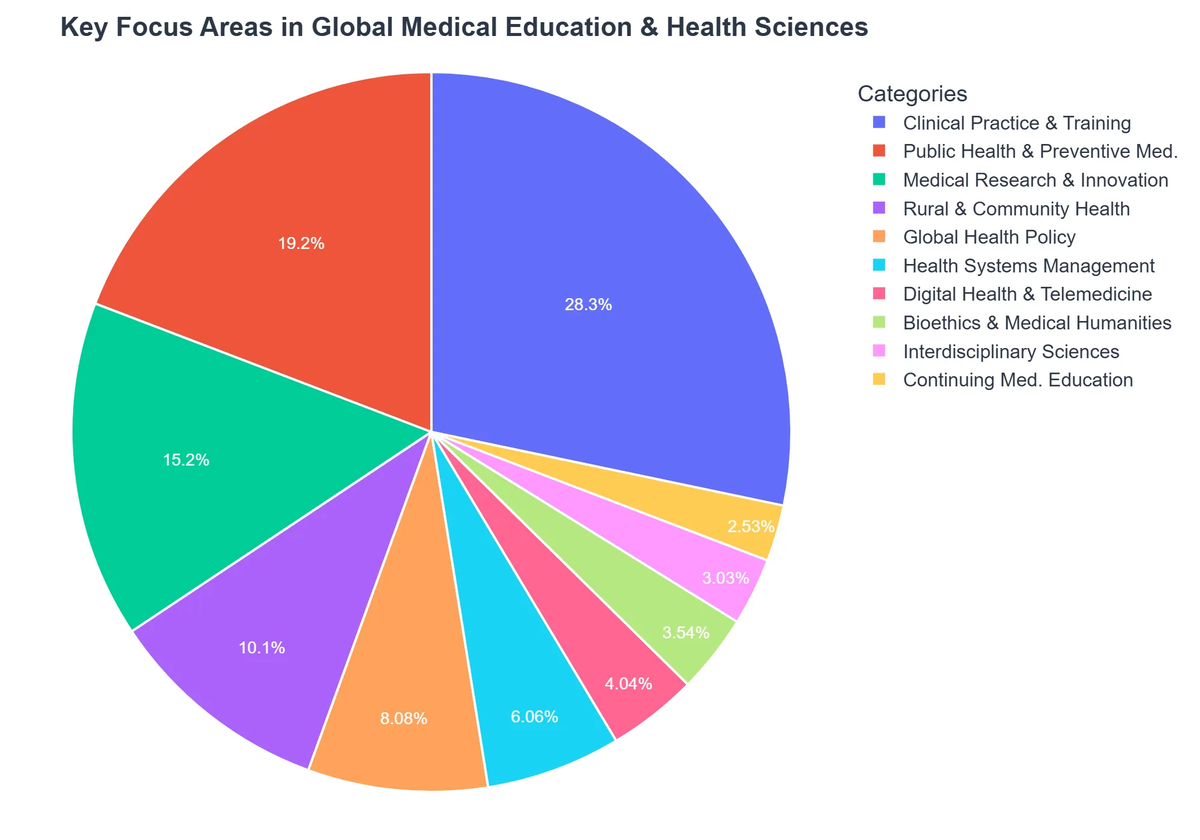
Modern health sciences have expanded far beyond traditional medicine. They now incorporate genetics, bioinformatics, public health policy, global health initiatives, and interdisciplinary approaches. This evolution demands educational institutions that can offer diverse programs and foster collaborative learning environments.
Pillars of Progress: Key Health Sciences Institutes
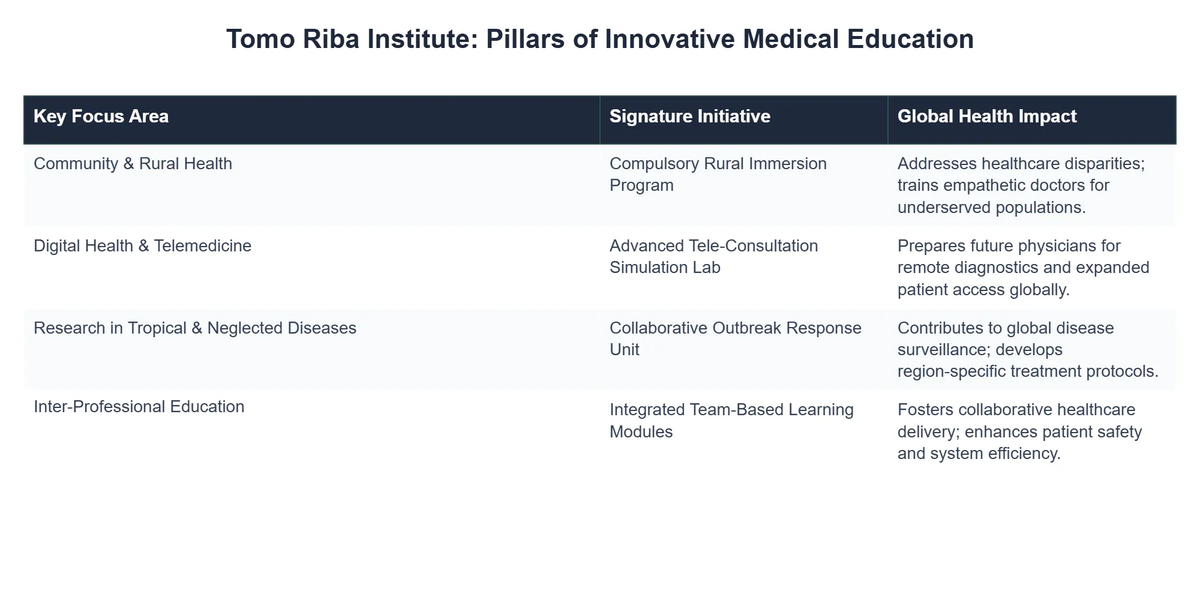
Across the globe, various health sciences institutes play crucial roles in delivering this essential education. They serve as centers of learning, research, and community engagement, tailored to meet regional and global healthcare demands.
🏥 Tomo Riba Institute and Regional Impact
Institutions like the tomo riba institute of health and medical sciences are vital for fostering healthcare capacity in specific regions. Such institutes often address unique local health challenges while adhering to international standards of medical education. They are instrumental in:
- ✅ Local Workforce Development: Training professionals who understand the specific cultural and environmental health contexts of their communities.
- ➡️ Addressing Regional Disparities: Helping to bridge gaps in healthcare access and quality by producing skilled practitioners where they are most needed.
- 💡 Community Health Initiatives: Engaging in public health campaigns, outreach programs, and research relevant to regional health issues.
🌍 Diverse Contributions from Other Institutions
Beyond specific regional examples, the global landscape of health sciences institutes is rich with diverse contributors. Institutions such as the dakson institute of health sciences, the mildmay institute of health sciences, and the nepalese army institute of health sciences each play a part in strengthening the healthcare workforce. While their specific focuses may vary—from nursing and allied health to military medicine and public health—their collective impact is profound:
- ✅ Specialized Training: Offering programs tailored to specific healthcare needs, whether in nursing, laboratory sciences, or public health.
- ➡️ Capacity Building: Increasing the number of qualified health professionals available to serve populations.
- 💡 Advancing Knowledge: Contributing to medical research and best practices.
These institutions, much like those discussed in Health Sciences Institutions: Rapti Academy and Beyond, form a network that underpins global health resilience.
Global Health Challenges and the Role of Education
Medical education is not just about imparting knowledge; it’s about equipping professionals to tackle the complex health challenges of our time, from pandemics and chronic diseases to healthcare inequities and mental health crises.
⚖️ Addressing Health Disparities Through Training
A key focus of modern medical education is preparing graduates to work in diverse settings and address health disparities. This involves understanding social determinants of health, cultural sensitivities, and the unique challenges faced by underserved populations. For instance, the challenges of providing specialized care, such as organ transplantation, in regions with developing healthcare infrastructure highlight the crucial need for well-trained personnel and robust educational frameworks. Insights into these challenges often emerge from dedicated research, as seen in studies discussing solutions for transplantation in Northeast India, a region where institutions like the Tomo Riba Institute could play a vital role. For more on this, refer to insights published in sources like Transplantation Direct.
🤝 Interprofessional Collaboration: A Modern Imperative
Modern healthcare demands teamwork. Medical education increasingly emphasizes interprofessional collaboration, teaching future doctors, nurses, and allied health professionals to work seamlessly together. This approach is critical for holistic patient care and addressing complex issues, including mental health challenges. Understanding the interplay between various health disciplines is key, as demonstrated by the need for interprofessional approaches to issues like childhood abuse and its link to anxiety and depression (see: PubMed). Such training ensures that patients receive comprehensive care that transcends the boundaries of individual specialties.
Shaping the Workforce: Impact of Health Sciences Institutes
The output of health sciences institutes directly shapes the healthcare workforce, influencing the quality of care, the accessibility of services, and the pace of medical innovation.
Medical Education: Tomo Riba Institute and Global Health Sciences – Pros and Cons
Pros
- ✔Blends practical clinical training with a global health perspective.
- ✔Prepares professionals for diverse health challenges, from local to international.
- ✔Fosters a holistic understanding of health determinants and systems.
- ✔Opens doors to varied career paths in both direct patient care and public health.
Cons
- ✖Risk of curriculum overload due to the breadth of topics covered.
- ✖Requires significant resources for both localized and global learning experiences.
- ✖Potential for a less specialized focus in specific medical disciplines.
- ✖Challenges in effectively integrating diverse pedagogical approaches.
🔬 From Theory to Practice: Clinical Training
A significant component of medical education is hands-on clinical training. Institutes often partner with hospitals and clinics to provide students with real-world experience, allowing them to apply theoretical knowledge, develop critical thinking skills, and learn empathy in patient interactions.
💡 Research and Innovation in Medical Sciences
Many health sciences institutes are also centers of research, contributing new knowledge and innovations that advance medical science. This research not only pushes the boundaries of understanding but also enriches the educational experience, exposing students to cutting-edge developments and fostering a spirit of inquiry. The broader field of healthcare offers diverse career paths, and exploring Allied Health Careers: Exploring Health Sciences Services can provide further insights into the varied roles that result from this comprehensive education.
The Future of Medical Education: Adaptation and Innovation
The landscape of medical education is continually evolving, driven by technological advancements, new scientific discoveries, and shifting global health priorities.
🖥️ Technology’s Role in Learning
- ✅ Telemedicine and Virtual Reality: Training incorporates digital platforms for remote consultations and immersive simulations for surgical or diagnostic practice.
- ➡️ Artificial Intelligence: AI tools assist in diagnostics, personalized treatment plans, and even medical research, becoming a new frontier in medical education.
- 💡 Data Science: Understanding and utilizing vast amounts of health data is becoming a core competency for future health professionals.
📈 Continuous Professional Development
The concept of lifelong learning is more relevant than ever. Medical education now extends beyond initial degrees to encompass robust programs for continuous professional development, ensuring that practitioners remain updated on the latest medical knowledge, techniques, and ethical considerations. This constant evolution also aligns with advancements in fields like Cognitive Science: Exploring Breakthroughs in Mind Science, which informs our understanding of learning and human performance.
Recommended Video
Conclusion: Nurturing the Healers of Tomorrow
The importance of robust medical education cannot be overstated. Institutions like the tomo riba institute of health and medical sciences, alongside other vital health sciences institutes worldwide—including the dakson institute of health sciences, mildmay institute of health sciences, and the nepalese army institute of health sciences—are foundational to building and sustaining healthy societies. They are not merely schools but engines of progress, equipping future generations with the knowledge, skills, and compassion needed to tackle the world’s most pressing health challenges and continue unlocking the secrets of the human body and mind.
Frequently Asked Questions
What is the significance of Tomo Riba Institute in medical education?
The Tomo Riba Institute of Health & Medical Sciences (TRIHMS) is a key medical college in Arunachal Pradesh, India, significantly contributing to healthcare education and services in the region, often focusing on unique local health challenges.
How does Tomo Riba Institute contribute to global health sciences?
While primarily serving its region, the institute’s curriculum and research often align with global health initiatives, addressing issues like infectious diseases, maternal health, and public health, which have broader implications and contribute to global health knowledge.
What are the unique aspects of its medical curriculum?
The curriculum at Tomo Riba Institute typically blends traditional medical science with a strong focus on community health, public health, and local epidemiological patterns, preparing doctors for the specific needs of the region while adhering to national and international standards.
What career paths can graduates from Tomo Riba Institute pursue?
Graduates can pursue diverse careers as clinicians, public health specialists, researchers, medical educators, or work with NGOs focusing on health initiatives, both regionally and globally, equipped with a comprehensive understanding of healthcare.