GMO Corn: Safety, Benefits, and Global Impact
In the vast landscape of modern agriculture, few topics spark as much debate and discussion as genetically modified organisms (GMOs). At the heart of this conversation often lies GMO corn, a crop that has revolutionized farming practices and food production across the globe. But what exactly is genetically modified corn, is it safe to eat, and what profound impact has it had on our world?
💡 Key Takeaways
- GMO corn undergoes rigorous safety testing by regulatory bodies worldwide.
- Key benefits include enhanced pest resistance, reduced pesticide use, and increased crop yields.
- It plays a significant role in addressing global food demands and supporting farmer livelihoods.
- The technology continues to evolve, offering new solutions for environmental challenges.
“From an evolutionary perspective, genetic modification is a targeted acceleration of natural processes. GMO corn, when responsibly developed and rigorously tested, represents a powerful tool for adapting agriculture to future environmental pressures and feeding a growing planet more sustainably.”
— Julian Aris, Evolutionary Biologist & Geneticist
This comprehensive guide delves deep into the science, safety, and societal implications of GMO corn. We’ll explore its benefits for farmers and the environment, address common misconceptions, and examine its crucial role in feeding a growing population. For a broader understanding of the advancements shaping our world, explore The Code of Life: Decoding Genetics, Evolution, and Existence.
In This Article
- → GMO Corn: Safety, Benefits, and Global Impact
- — 💡 Key Takeaways
- → What is GMO Corn? Understanding the Basics
- — 🧬 The Science Behind Genetic Modification
- — 🌽 Common Traits of GMO Corn
- → The Safety Consensus: Is GMO Corn Harmful?
- — ✅ Decades of Scientific Research
- — 🧪 Regulatory Oversight and Testing
- — 🤔 Addressing Common Concerns
- → Unpacking the Benefits of GMO Corn
- — 📈 Enhanced Yields and Food Security
- — 💊 Reduced Pesticide Use and Environmental Impact
- — 💰 Economic Advantages for Farmers
- — 💡 Nutritional Fortification
- → Global Impact and Adoption of GMO Corn
- — 🌍 Widespread Cultivation Across Continents
- — ➡️ Role in Animal Feed and Industrial Products
- — ⚖️ Socio-Economic Considerations
- → Addressing Misconceptions and Future Perspectives
- — 💡 Dispelling Myths: Is GMO Corn Harmful?
- — 🔬 The Evolving Landscape of Biotechnology
- — 🌾 Beyond Corn: Other GMO Crops and Their Potential
- → Conclusion: The Future of Our Food Supply
What is GMO Corn? Understanding the Basics
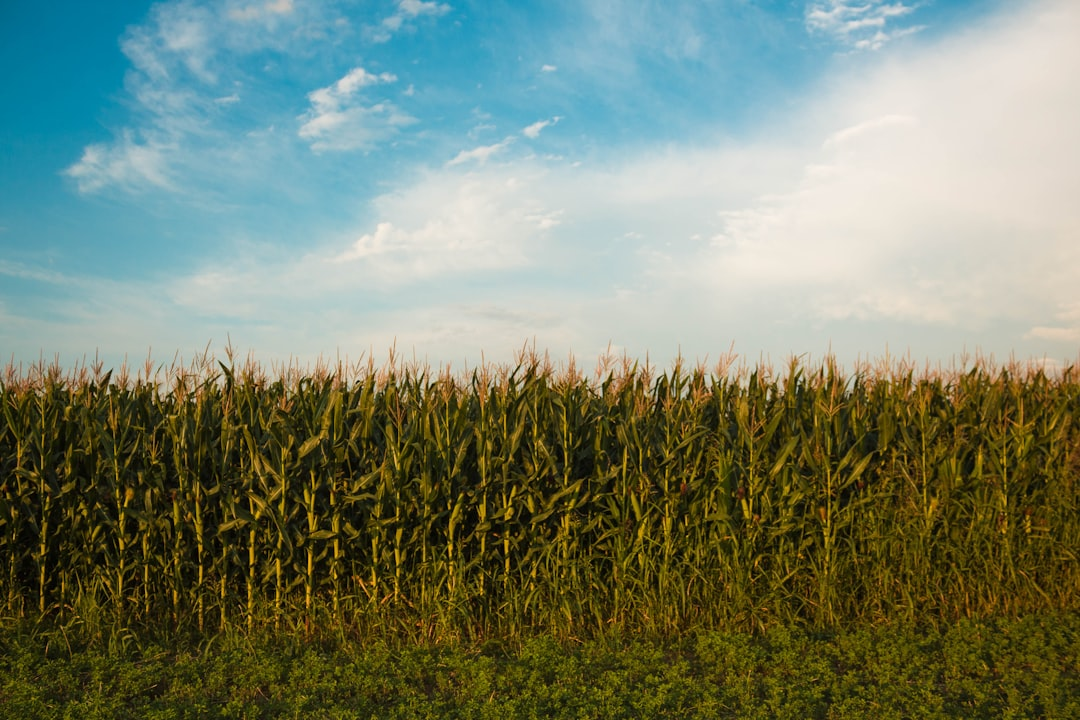
Genetically modified corn, often referred to as GM corn or biotech corn, is maize that has had its DNA altered using genetic engineering techniques. This process typically involves introducing specific genes from other organisms into the corn’s genome to confer desirable traits, such as resistance to pests or tolerance to herbicides.
🧬 The Science Behind Genetic Modification
Genetic modification is a precise form of plant breeding. Instead of traditional cross-breeding, which involves combining thousands of genes, genetic engineering allows scientists to identify and transfer only the specific genes responsible for a desired characteristic. This enables the development of crops that are more resilient, efficient, and sometimes, more nutritious.
- ✅ Targeted Gene Transfer: Scientists can introduce genes from bacteria, other plants, or even viruses into corn.
- ➡️ Specific Trait Expression: These genes then instruct the corn plant to produce a new protein that provides a particular advantage, like insect resistance.
- 💡 Enhanced Characteristics: The goal is always to improve the crop in ways that traditional breeding methods cannot achieve as quickly or precisely. For a more detailed look at the broader world of GMOs, consider our Genetically Modified Organisms (GMOs): A Comprehensive Guide.
🌽 Common Traits of GMO Corn
The most common traits engineered into GMO corn varieties include:
- ✅ Insect Resistance (Bt Corn): Many varieties produce a protein from the bacterium Bacillus thuringiensis (Bt) that is toxic to specific insect pests, such as the European corn borer and corn rootworm. This reduces the need for synthetic insecticides.
- ✅ Herbicide Tolerance (HT Corn): Other varieties are engineered to tolerate certain herbicides, allowing farmers to spray the herbicide to control weeds without harming the corn crop. This often leads to reduced tillage, which benefits soil health.
- ✅ Stacked Traits: Modern GMO corn often combines multiple traits, such as both insect resistance and herbicide tolerance, providing comprehensive protection.
The Safety Consensus: Is GMO Corn Harmful?
The safety of GMO corn and other gmo products has been one of the most thoroughly researched areas in food science. Decades of studies and rigorous regulatory processes worldwide have consistently found GMO corn to be as safe as conventional corn.

✅ Decades of Scientific Research
Numerous independent scientific bodies and organizations around the globe, including the U.S. National Academies of Sciences, Engineering, and Medicine, the World Health Organization (WHO), and the European Commission, have reviewed the evidence and concluded that GMO corn is safe for consumption. Research spans various aspects, from toxicology to nutritional composition.
- ➡️ No Unique Risks: Studies have found no evidence of unique health risks associated with consuming GMO corn compared to its non-GMO counterparts.
- 💡 Extensive Testing: Before any GMO crop is approved for commercial use, it undergoes a battery of tests to ensure its safety for humans, animals, and the environment.
🧪 Regulatory Oversight and Testing
In countries like the United States, GMOs are regulated by a coordinated framework involving the USDA, FDA, and EPA. These agencies assess potential risks to human and animal health, and the environment. Similarly, the European Food Safety Authority (EFSA) conducts stringent reviews in Europe.
A comprehensive review published in the Journal of the American Medical Association highlighted that genetically modified foods, including corn, undergo extensive safety assessments by regulatory bodies globally. [Source: Genetically modified foods: safety, risks and public concerns—a …]
🤔 Addressing Common Concerns
Many concerns about gmo corn being “dangerous” or “harmful” to gmo human health are often based on misinformation rather than scientific evidence. Here’s a breakdown of common questions:
- ✅ Allergies: There is no credible scientific evidence that GMO corn causes new or increased allergies. Regulatory bodies specifically test for potential allergenicity.
- ✅ Toxicity: Studies on various animal models (including gmo mouse studies, which are often cited) have shown no toxic effects from consuming GMO corn.
- ✅ Long-Term Effects: Decades of consumption in many countries, coupled with long-term animal feeding studies, have shown no adverse health effects.
Unpacking the Benefits of GMO Corn
The adoption of GMO corn has brought significant advantages, especially for farmers and global food security. These benefits extend beyond just the yield, impacting environmental sustainability and economic viability.
📈 Enhanced Yields and Food Security
One of the primary “pros of gmo” corn is its ability to increase yields. By resisting pests or tolerating herbicides, plants are healthier and produce more grain. This is critical for feeding a world population projected to reach nearly 10 billion by 2050.

- ✅ Pest Control: Bt corn dramatically reduces crop losses due to insect damage, ensuring more corn reaches the market.
- ✅ Weed Management: Herbicide-tolerant varieties allow for more effective weed control, which is essential for maximizing yield potential.
- ✅ Increased Production: Multiple studies confirm that GMO corn varieties consistently deliver higher yields compared to their conventional counterparts, directly contributing to global food security.
💊 Reduced Pesticide Use and Environmental Impact
Perhaps counter-intuitively for some, GMO corn has often led to a decrease in the overall use of certain pesticides. Bt corn, for example, produces its own insecticide, reducing the need for external chemical sprays.
- ✅ Lower Insecticide Volume: Farmers planting Bt corn spray significantly less, or no, broad-spectrum insecticides.
- ✅ Reduced Tillage: Herbicide-tolerant gmo crops allow for “no-till” or “reduced-till” farming practices, which prevent soil erosion, improve soil health, and reduce fuel consumption from farm machinery.
- ✅ Biodiversity Benefits: Reduced pesticide runoff can also benefit local ecosystems.
💰 Economic Advantages for Farmers
For farmers, GMO corn offers tangible economic benefits.
- ✅ Reduced Input Costs: Less need for certain pesticides translates to lower expenses.
- ✅ Higher and More Stable Income: Increased yields and reduced crop losses lead to more predictable and higher revenues.
- ✅ Simplified Management: Easier weed and pest management can save labor and time, allowing farmers to manage larger areas more efficiently. A study on GM maize in South Africa, for instance, demonstrated significant economic and ecosystem impacts.
💡 Nutritional Fortification
While most commercially available GMO corn varieties focus on agronomic traits (like pest resistance), genetic engineering holds potential for nutritional enhancements. Future varieties could be fortified with essential vitamins or improved protein profiles, further combating malnutrition globally. This aligns with the broader potential of GMOs in Food and Agriculture: Benefits, Risks, and Impact.
Global Impact and Adoption of GMO Corn
The global footprint of GMO corn is substantial, influencing agricultural practices, economic systems, and even animal husbandry worldwide. It’s a prime example of how gm gmo technology has been integrated into mainstream food production.
🌍 Widespread Cultivation Across Continents
GMO corn is widely cultivated in many countries, including the United States, Brazil, Argentina, Canada, and South Africa, among others. These nations represent a significant portion of global corn production. Its adoption reflects confidence in its benefits by millions of farmers.
- ✅ North America: Dominant in the U.S. and Canada, primarily for feed, ethanol, and processed foods.
- ✅ South America: Argentina and Brazil are major producers and exporters.
- ✅ Africa: Limited but growing adoption in countries like South Africa for specific benefits, such as drought tolerance or insect resistance.
➡️ Role in Animal Feed and Industrial Products
The vast majority of GMO corn grown globally is not directly consumed by humans. Instead, it serves critical roles in:

- ✅ Animal Feed: A significant portion of GMO corn is used as feed for livestock, including gmo cows, pigs, and poultry. This makes it an indirect but vital part of the meat and dairy supply chain.
- ✅ Ethanol Production: Corn is a primary feedstock for ethanol, a biofuel. GMO corn varieties contribute to efficient and cost-effective ethanol production.
- ✅ Industrial Products: Corn derivatives are used in a myriad of industrial products, from plastics to textiles, and even some pharmaceutical applications, though the direct use of gmo in medicine from corn is limited.
⚖️ Socio-Economic Considerations
The introduction of GMO corn has had varied socio-economic impacts. While it has generally led to increased farmer profitability and national agricultural output in adopting countries, discussions continue regarding seed patenting, market concentration, and equitable access to technology, all of which are complex facets of the gmo definition in practice.
Addressing Misconceptions and Future Perspectives
Despite scientific consensus, some misconceptions about GMO corn persist. It’s important to differentiate between scientific facts and common narratives, and to look ahead at the future of agricultural biotechnology.
💡 Dispelling Myths: Is GMO Corn Harmful?
Many fears about gmo corn being “dangerous” or “gmo harmful” stem from anecdotal reports or misinterpretations of scientific studies. It’s crucial to rely on the overwhelming body of evidence from reputable scientific institutions.
- ✅ No “Frankenfood” Effect: The genetic changes are precise and well-understood, not random or harmful.
- ✅ No Increased Herbicide Residues: While herbicide-tolerant crops allow for the use of specific herbicides, strict regulatory limits are in place to ensure food safety, and overall, pesticide exposure can decrease due to reduced need for other sprays.
- ✅ Environmental Safety: Reviews, like one from the National Institutes of Health, have specifically addressed environmental benefits and risks of genetically modified corn, concluding that benefits often outweigh risks when managed properly. [Source: Genetically Modified Corn— Environmental Benefits and Risks – PMC]
🔬 The Evolving Landscape of Biotechnology
Biotechnology is a rapidly advancing field. New genetic engineering techniques, like CRISPR, offer even more precise and efficient ways to modify crops. This heralds a future where crops could be engineered for even greater drought resistance, enhanced nutrition, or resilience to emerging diseases. Discover more about this exciting field in Biotechnology Applications: Innovations and Future Trends.
🌾 Beyond Corn: Other GMO Crops and Their Potential
While GMO corn is a prime example, genetic modification extends to many other gmo crops like soybeans, cotton, canola, and even specialty crops like gmo potato varieties (e.g., Innate potato designed to resist bruising and browning). The potential for these technologies to address global challenges like climate change, nutrient deficiencies, and sustainable agriculture is immense. Learn more about the specific examples and benefits in GMO Plants: Explained with Examples, Benefits, and Controversies.

Recommended Video
Conclusion: The Future of Our Food Supply
GMO corn stands as a testament to humanity’s ingenuity in addressing complex agricultural challenges. With decades of rigorous scientific research affirming its safety and numerous studies highlighting its significant benefits—from enhanced yields and reduced pesticide use to economic advantages for farmers—it plays an undeniable role in our global food system.
As the world grapples with population growth, climate change, and resource scarcity, agricultural biotechnology, exemplified by GMO corn, offers powerful tools to build a more resilient, sustainable, and food-secure future. Understanding the facts about these innovations is crucial for informed discussions about the future of our food.
Frequently Asked Questions
Is GMO corn safe to eat?
Numerous scientific organizations and regulatory bodies worldwide, including the WHO and FDA, have concluded that GMO corn currently available is safe to eat and poses no greater risk than its conventional counterparts.
What are the main benefits of GMO corn?
Primary benefits include resistance to common pests (reducing insecticide use), tolerance to herbicides (simplifying weed control), and improved nutrient profiles in some varieties, leading to higher yields and reduced crop losses.
How does GMO corn impact the environment?
Its environmental impacts are complex but often include reduced pesticide spraying, lower carbon emissions due to fewer tractor passes, and preservation of biodiversity by allowing farmers to grow more food on less land.
Where is GMO corn grown and consumed?
GMO corn is widely grown in countries like the United States, Brazil, Argentina, and Canada. It is used extensively in animal feed, ethanol production, and various processed human foods globally.