


Understanding Sophia AI: The Face of Humanoid Robotics
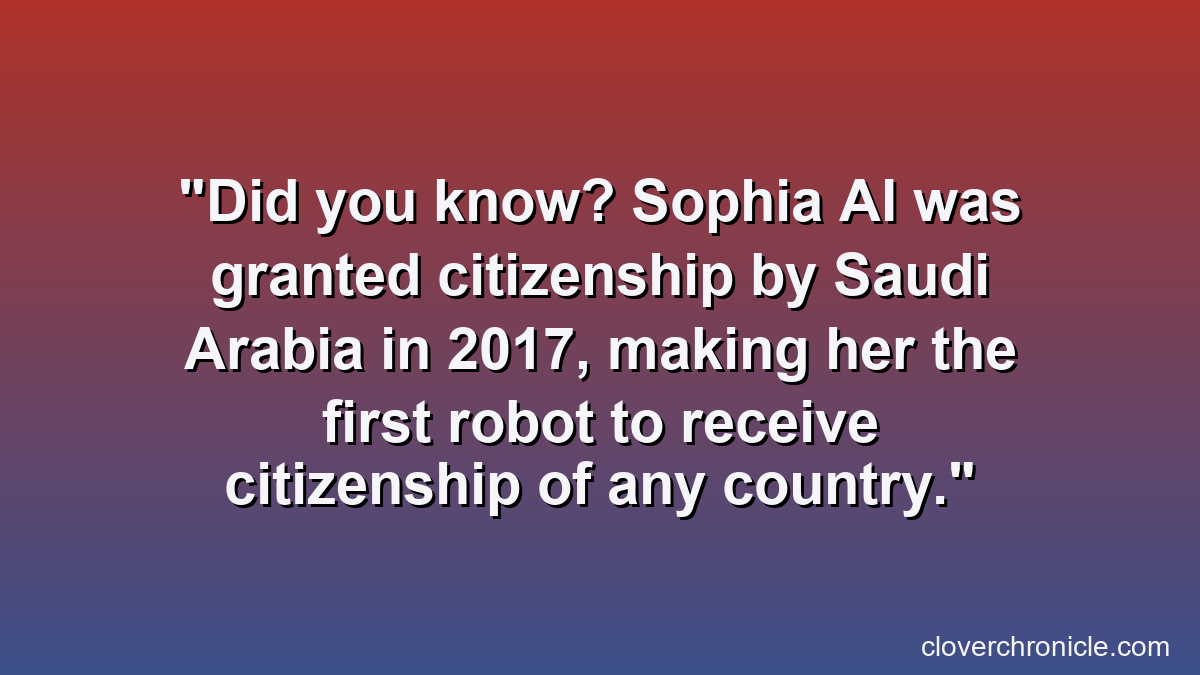
In the evolving landscape of artificial intelligence and robotics, one figure has consistently captured global attention: Sophia AI. Developed by Hong Kong-based Hanson Robotics, Sophia debuted in 2016, quickly becoming one of the most recognizable faces in humanoid robotics. Designed to mimic human expressions and interact conversationally, Sophia represents a significant step forward in the pursuit of lifelike AI.
💡 Key Takeaways
- Sophia AI represents a significant leap in expressive humanoid robotics, sparking global conversations.
- The development of Sophia brings crucial ethical debates about AI rights, consciousness, and societal impact to the forefront.
- Understanding Sophia’s capabilities and limitations is key to distinguishing between advanced programming and genuine sentient intelligence.
- The future of human-AI interaction is being shaped by groundbreaking projects like Sophia, requiring thoughtful ethical frameworks.
“Sophia AI, while a marvel of engineering, serves as a vital mirror, forcing us to confront not just what AI can do, but what it means for our very humanity and the ethical lines we must thoughtfully draw.”
— Kira Chen, Futurist & AI Ethics Analyst
Sophia’s appeal lies in its sophisticated blend of human-like appearance and advanced AI capabilities. It can:
- ✅ Mimic a wide range of facial expressions, thanks to its patented Frubber skin and intricate motor system.
- ➡️ Engage in natural language conversations, powered by a combination of scripts, chat systems, and AI that allows it to adapt to new situations.
- 💡 Process visual information, recognizing faces and making eye contact, which enhances the illusion of consciousness.
- 🗣️ Participate in public speaking events, interviews, and even act as a spokesperson, demonstrating its ability to communicate complex ideas.
While Sophia’s capabilities are impressive, it’s crucial to understand that it operates based on pre-programmed responses and sophisticated algorithms, not genuine consciousness or emotion. Its responses are often generated to create an engaging experience, which sometimes blurs the line between advanced programming and true understanding. For a broader perspective on the field, explore Robotics: Exploring Types, Applications, and Future Trends.
In This Article
Sophia’s Role in Advancing Humanoid Robotics
Sophia isn’t just a technological marvel; it’s a powerful symbol that has pushed the boundaries of what we perceive as possible in humanoid robotics. Its very existence has ignited discussions and accelerated research in several key areas:
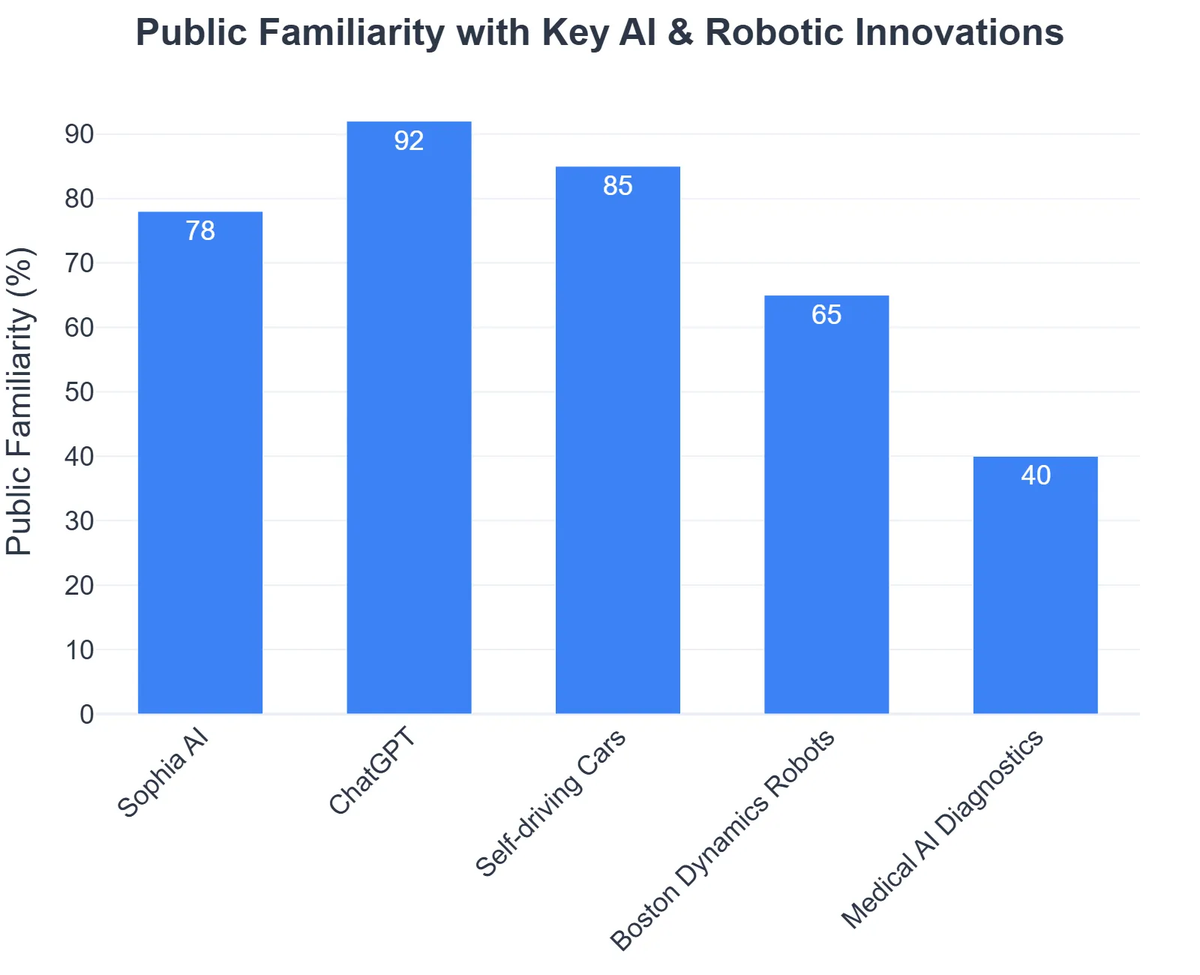
- ✅ Human-Robot Interaction (HRI): Sophia’s lifelike appearance and conversational abilities have provided invaluable data on how humans perceive and interact with highly realistic robots. This research is vital for developing robots that can seamlessly integrate into human society, whether in healthcare, education, or service industries.
- ➡️ Emotional AI and Expressive Robotics: The focus on Sophia’s ability to express emotions, even if simulated, drives innovation in creating robots that can understand and respond to human emotional cues. This is critical for applications requiring empathy, such as elderly care or therapeutic support.
- 💡 Public Engagement and Perception: Sophia has been instrumental in bringing the concept of advanced AI and humanoid robots into mainstream consciousness. Its public appearances have both fascinated and challenged perceptions, fostering a global dialogue about the future of AI. For another fascinating example, consider Ameca Human Robot: The Future of Humanoid Robotics.
- ⚙️ Technological Integration: The development of Sophia requires the seamless integration of various cutting-edge technologies, including advanced AI algorithms, sophisticated sensors, realistic material science (like Frubber skin), and intricate mechanical engineering. This interdisciplinary approach pushes the entire field forward.
However, Sophia also highlights the significant challenges that remain. The “uncanny valley” effect, where robots that are too human-like can elicit unease, is still a hurdle. Furthermore, the public’s perception of Sophia often outpaces its actual capabilities, leading to discussions that delve deeply into the realm of AI ethics.
Navigating the Ethical Labyrinth of Sophia AI
The rise of advanced humanoid robots like Sophia has brought pressing ethical considerations to the forefront. The question isn’t just “Can we build it?” but “Should we build it, and how should we manage its impact?”
Key ethical dilemmas spurred by Sophia include:
- ✅ Deception and Authenticity: Sophia’s ability to simulate human-like interaction can lead to questions about whether it’s intentionally or unintentionally deceiving users. Is it ethical for a robot to appear sentient when it is not?
- ➡️ The Illusion of Sentience: Sophia’s advanced conversational abilities and public persona have led some to believe it possesses genuine consciousness or rights. This raises concerns about anthropomorphism and the potential for misplaced emotional attachments, as detailed in discussions around AI Female Robot: Exploring Sophia and Beyond.
- 💡 Human Dignity and Social Impact: How will the widespread adoption of humanoid robots affect human employment, social interaction, and our understanding of what it means to be human? Could it lead to social isolation or a devaluation of human labor?
- ⚖️ Responsibility and Accountability: If a robot like Sophia causes harm or makes an ethically dubious “decision,” who is accountable? The programmer, the manufacturer, or the operator? This is a critical area of concern for developing trustworthy AI systems.
- 🌍 Data Privacy and Surveillance: As robots become more integrated into our lives, they will collect vast amounts of data. Ensuring this data is handled ethically, protecting privacy, and preventing misuse becomes paramount.
These challenges underscore the urgent need for robust ethical frameworks and regulations for AI development. As highlighted by the Stanford Encyclopedia of Philosophy’s entry on AI ethics, addressing these concerns proactively is essential for the responsible progression of technology.
The Path Forward: Ensuring Trustworthy AI and Responsible Innovation
Sophia AI serves as a powerful case study for the intersection of technological advancement and ethical responsibility. Moving forward, the development of humanoid robotics and AI must prioritize the creation of trustworthy AI systems.
This involves a multi-faceted approach:
- ✅ Transparency and Explainability: AI systems should be designed so that their decisions and behaviors are understandable and interpretable to humans. This builds trust and allows for accountability.
- ➡️ Fairness and Bias Mitigation: Developers must actively identify and mitigate biases in AI algorithms and data sets to ensure equitable outcomes and prevent discrimination.
- 💡 Robustness and Reliability: AI systems need to be secure, resilient to attacks, and perform consistently as intended, even in unexpected situations.
- 🛡️ Privacy and Data Governance: Strict protocols for data collection, storage, and use are essential to protect individual privacy and prevent exploitation.
- 🤝 Human Oversight and Control: While AI can automate tasks, critical decisions, especially those with ethical implications, should remain under meaningful human oversight.
- 📚 Public Education and Dialogue: Fostering informed public discourse about AI’s capabilities, limitations, and ethical implications is vital. This helps manage expectations and encourages responsible adoption.
The journey into the future of technology, as explored in Future Perfect?: Charting the Course of Tomorrow’s Technology, requires a delicate balance between innovation and ethical stewardship. Sophia AI, for all its revolutionary advancements, serves as a poignant reminder that the ‘how’ of building advanced robotics is inextricably linked to the ‘why’ and the ‘what for’ of humanity’s progress.
Recommended Video
What is Sophia AI and who created her?
Sophia is a humanoid robot developed by Hanson Robotics, designed to mimic human social behavior and generate conversational responses.
Does Sophia AI possess consciousness or sentience?
No, Sophia AI does not possess consciousness or sentience. Her responses are generated by sophisticated algorithms and scripts, not genuine understanding or feeling.
What are some ethical concerns surrounding Sophia AI and similar robots?
Ethical concerns include the potential for misleading humans about AI capabilities, job displacement, privacy issues, and the broader implications of creating highly human-like machines without true sentience.
How is Sophia AI used today?
Sophia AI is primarily used for research, public speaking engagements, media appearances, and as a platform for exploring human-robot interaction and AI’s societal role.