

Understanding Suborbital Space Flight: A Gateway to the Cosmos
For decades, space travel remained the exclusive domain of astronauts, a dream reserved for the select few. Today, a new era is dawning, transforming this dream into an accessible reality: suborbital space flight. This burgeoning segment of the aerospace industry promises to redefine tourism, offering a unique, brief journey to the very edge of space without achieving orbit.
💡 Key Takeaways
- Suborbital flights offer brief, exhilarating trips to the edge of space, providing unique views of Earth and a few minutes of weightlessness.
- Several private companies, including Virgin Galactic and Blue Origin, are leading the development and commercialization of suborbital tourism.
- While currently expensive, suborbital space travel is making space more accessible to private citizens and serves as a stepping stone for future orbital missions.
- Passengers experience incredible G-forces during ascent and descent, alongside the profound experience of seeing Earth from space.
“Suborbital spaceflight isn’t just about reaching the edge of space; it’s about expanding humanity’s perspective, democratizing access, and igniting a new era of cosmic discovery for everyone.”
— Astrid Bellweather, Astrophysicist & Science Communicator
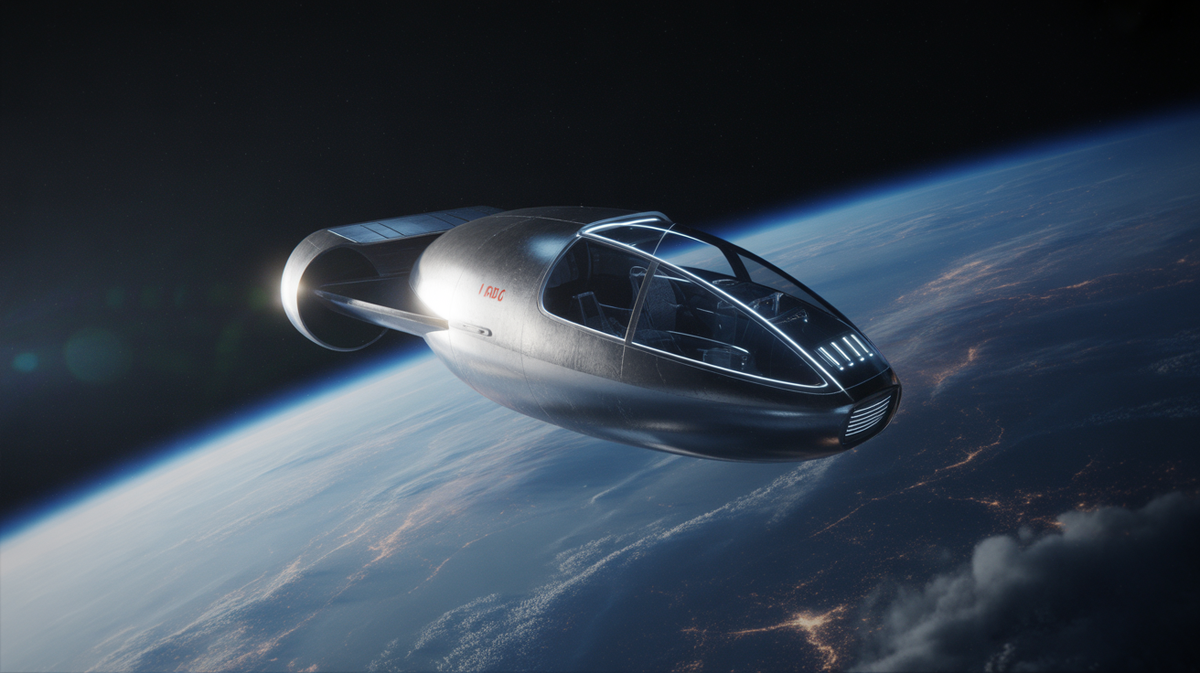
Unlike orbital missions that require immense speed to continuously circle the Earth, suborbital space travel involves launching a spacecraft upwards, reaching the boundary of space, experiencing a few minutes of weightlessness, and then returning to Earth. It’s a parabolic arc, a powerful leap into the cosmos and back, providing unparalleled views and an unforgettable sensation of floating in the void.
In This Article
- → Understanding Suborbital Space Flight: A Gateway to the Cosmos
- — 💡 Key Takeaways
- — Defining the Edge: What is Suborbital Space?
- → The Suborbital Space Tourism Experience: What to Expect
- — Phases of a Suborbital Flight
- → Leading the Charge: Key Players in Suborbital Space Tourism
- → Safety, Training, and the Cost of Suborbital Space Tourism
- — Ensuring a Safe Journey
- — Passenger Training and Requirements
- — The Price Tag: Is Space Tourism Affordable Yet?
- → The Future of Suborbital Space Travel: Beyond Tourism
- — Research and Development Opportunities
- — Point-to-Point Travel
Defining the Edge: What is Suborbital Space?
The distinction between Earth’s atmosphere and outer space is often marked by the Kármán Line, an internationally recognized boundary approximately 100 kilometers (62 miles) above sea level. Suborbital flights are designed to cross this line, granting passengers the coveted astronaut wings and the perspective-altering view of Earth’s curvature against the blackness of space.
- 🚀 Suborbital Trajectory: The spacecraft goes up, reaches an apogee (highest point) beyond the Kármán Line, and then falls back down, similar to a very high ballistic missile, but controlled for passenger safety.
- ⏳ Brief Duration: The entire flight, from takeoff to landing, typically lasts between 10 minutes and an hour, with the actual time at the edge of space and in microgravity being only a few minutes.
- 🌌 Zero-G Experience: Passengers experience several minutes of pure weightlessness, allowing them to unbuckle and float freely within the cabin, offering a truly unique sensation.
This type of flight is fundamentally different from traditional orbital missions, which demand much higher velocities to maintain continuous flight around the Earth. For a comprehensive overview of how various space journeys compare, explore our article on Space Travel: Suborbital to Intergalactic Journeys.
The Suborbital Space Tourism Experience: What to Expect
Imagine gazing down at the Earth, a vibrant blue marble against the inky blackness of space, feeling utterly weightless as you float beside a large window. This is the core promise of suborbital space tourism. It’s an adventure engineered for civilian passengers, prioritizing safety, comfort, and an awe-inspiring vista.
Phases of a Suborbital Flight
- 🚀 Pre-Flight Preparations: Passengers undergo a period of training, which can range from a few days to a week, focusing on safety protocols, emergency procedures, and adapting to G-forces.
- ⬆️ Takeoff & Ascent: Depending on the vehicle, this could be a horizontal runway takeoff (like Virgin Galactic) or a vertical rocket launch (like Blue Origin). Passengers will experience significant G-forces as the spacecraft accelerates rapidly towards the Kármán Line.
- ✨ The Edge of Space & Microgravity: As the engines cut off, the feeling of crushing G-forces gives way to serene weightlessness. For several minutes, passengers can unstrap and float, marveling at the Earth below and the vastness above. This is the highlight – a truly transformative perspective.
- ⬇️ Re-entry & Landing: Gravity reasserts itself as the spacecraft begins its descent. Passengers buckle back in, experiencing more G-forces during re-entry into the atmosphere. The landing is typically smooth, whether on a runway or via parachute deployment.
This experience is not just about the view; it’s about the physiological and psychological impact of seeing our planet from such a unique vantage point. It reinforces the understanding of Earth as a fragile, beautiful oasis in the cosmos, a key theme of Cosmic Queries: Probing the Mysteries of the Universe.
Leading the Charge: Key Players in Suborbital Space Tourism
The race to commercialize suborbital space flight is spearheaded by visionary private companies, each bringing unique technologies and approaches to the table. These pioneers are transforming the landscape of space travel, making it accessible to a new generation of adventurers.
- 🌌 Virgin Galactic: Founded by Richard Branson, Virgin Galactic utilizes a unique air-launch system. Their SpaceShipTwo vehicle, VSS Unity, is carried aloft by a carrier aircraft (WhiteKnightTwo) before being released and igniting its rocket motor. This allows for a horizontal takeoff and landing on a runway, similar to an airplane. For more details on their pioneering efforts, read about Richard Branson’s Space Flight: Commercial Space Tourism. Virgin Galactic has successfully flown customers to space and back, paving the way for regular commercial flights. Learn more at Virgin Galactic’s official website.
- 🚀 Blue Origin: Jeff Bezos’s Blue Origin is developing the New Shepard suborbital rocket system. This fully autonomous, vertical takeoff and vertical landing (VTVL) system launches its crew capsule high above the Kármán Line. Passengers experience weightlessness and spectacular views before the capsule parachutes back to Earth, while the booster autonomously lands vertically for reuse. Dive deeper into their operations in our dedicated article on Blue Origin Space Flight: A Journey to the Edge of Space.
- 💡 Other Contenders & Concepts: While Virgin Galactic and Blue Origin are currently the most prominent, other companies and concepts are exploring suborbital capabilities, including potential point-to-point travel for rapid global transport. The vision is expansive, as highlighted in “The Future of Space Tourism” by EVONA: https://www.evona.com/blog/the-future-of-space-tourism/.
These private space travel companies are not just competing; they are collectively building the infrastructure and market for a future where space is within reach for many. Discover more about the broader landscape of Private Space Travel Companies: Your Gateway to Space.
How ‘Cosmic Escapes’ Redefined Ultra-Luxury Tourism
❓The Challenge
Cosmic Escapes struggled to find truly unique, once-in-a-lifetime experiences for their ultra-high-net-worth clients who had already ‘done it all’, leading to stagnation in new client acquisition.
💡The Solution
Inspired by the emerging suborbital space flight market, Cosmic Escapes developed exclusive packages highlighting the unique Kármán Line crossing, minutes of weightlessness, and the unparalleled view of Earth from the edge of space, positioning it as the ultimate luxury adventure.
🏆The Result
Within 12 months, inquiries for unique experiences surged by 60%, and Cosmic Escapes secured 25% more bookings from new clients seeking these exclusive suborbital journeys, significantly boosting their average package value.
Safety, Training, and the Cost of Suborbital Space Tourism
As with any pioneering adventure, questions surrounding safety, preparation, and accessibility are paramount. The industry is rigorously focused on ensuring passenger well-being, providing comprehensive training, and addressing the significant cost of these groundbreaking journeys.
Ensuring a Safe Journey
- ✅ Rigorous Testing: Both Virgin Galactic and Blue Origin have undergone extensive uncrewed and crewed test flights, meticulously gathering data and refining their systems.
- ⚙️ Advanced Safety Systems: Vehicles are equipped with multiple redundant systems, emergency abort capabilities, and robust structural designs to protect passengers.
- 💡 Regulatory Oversight: Commercial space flight is regulated by governmental bodies (e.g., the FAA in the U.S.) that set safety standards and licensing requirements for operators.
Passenger Training and Requirements
While you don’t need to be a seasoned astronaut, passengers do undergo a degree of training to prepare for the unique physical and mental demands of space flight. This typically includes:
- 🧘 Medical Screening: Thorough health assessments to ensure passengers are medically fit for the experience, particularly to handle G-forces and the microgravity environment.
- 🏋️ G-Force Familiarization: Training often involves experiencing G-forces in simulators or specialized aircraft to help passengers understand and adapt to the forces they’ll feel during ascent and re-entry.
- 🤝 Safety Briefings & Emergency Procedures: Comprehensive instruction on spacecraft systems, emergency protocols, and how to operate within the cabin during the flight.
The Price Tag: Is Space Tourism Affordable Yet?
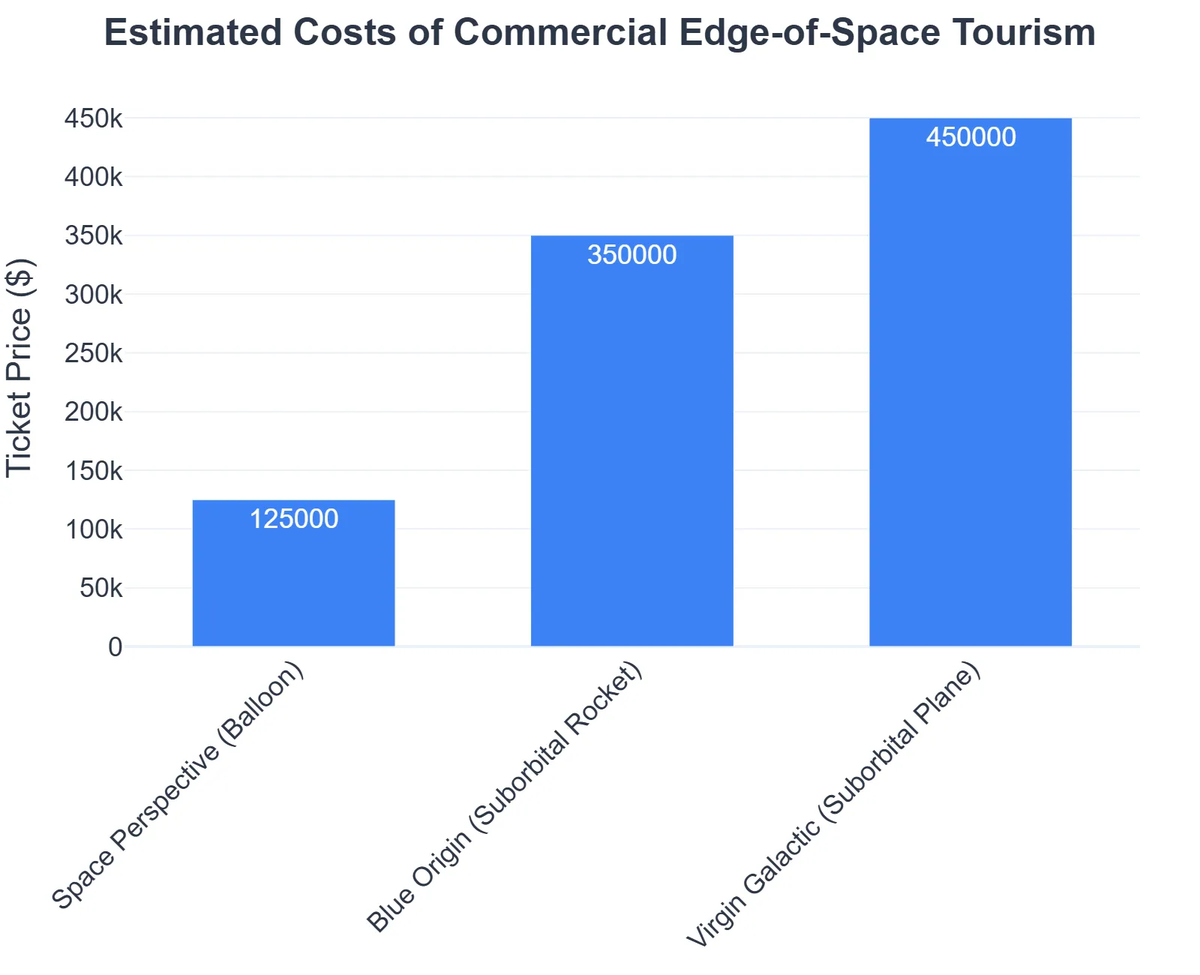
Currently, the cost of a suborbital space flight remains a significant investment. Prices have been in the range of hundreds of thousands of dollars per seat, reflecting the immense research, development, and operational costs involved in pioneering this new frontier.
- 💰 Virgin Galactic: Initial tickets were around $250,000, later increasing to $450,000.
- 💲 Blue Origin: While Blue Origin hasn’t publicly disclosed a fixed price per seat, auctioned seats for their first crewed flight went for millions of dollars, indicating a similar high-end market.
While these figures are prohibitive for most, industry experts anticipate that as technology advances, demand grows, and more players enter the market, prices will gradually decrease. For a deeper dive into the economics, consult our article on Space Travel Cost: A Guide to Space Flight Expenses. The initial phase of space tourism is indeed for ultra-high-net-worth individuals, but the long-term vision includes broader accessibility. You can find more information on the motivations and willingness to pay in this ScienceDirect article: Point-to-point suborbital space tourism motivation and willingness to…

Recommended Video
The Future of Suborbital Space Travel: Beyond Tourism
While space tourism captures the imagination, the capabilities developed for suborbital flight extend far beyond leisure. This technology holds immense potential to revolutionize scientific research, point-to-point transportation, and even inspire future generations.
Research and Development Opportunities
- 🔬 Biology and Medicine: Studying the effects of microgravity on cells, proteins, and biological systems.
- 🧪 Materials Science: Investigating new material properties and manufacturing processes in a weightless environment.
- 🔭 Atmospheric Research: Deploying instruments to collect data from the upper atmosphere and lower thermosphere.
Point-to-Point Travel
Perhaps the most transformative long-term application of suborbital technology is rapid global transportation. Imagine flying from New York to Sydney in under two hours via a suborbital hop, experiencing a few minutes of microgravity during the journey. While significant engineering and regulatory challenges remain, this concept is a serious long-term goal for companies like SpaceX, even as they focus on orbital and lunar missions. SpaceX Flights: Shaping the Future of Space Travel are already pushing the boundaries of what’s possible.
The future of suborbital space flight is vibrant and multifaceted. It’s not merely about enabling a privileged few to gaze upon Earth from above; it’s about pioneering new technologies, expanding human capabilities, and democratizing access to the cosmos, piece by piece.
What is suborbital space flight?
Suborbital space flight is a journey where a spacecraft reaches space but does not achieve the velocity needed to orbit Earth. It ascends to a high altitude (above the Kármán line) and then returns to Earth, providing a brief period of weightlessness.
How long does a typical suborbital space flight last?
From liftoff to landing, a suborbital flight typically lasts around 1.5 to 2.5 hours, with passengers experiencing approximately 3-6 minutes of microgravity at the apex of their flight.
Who are the major players in suborbital space tourism?
The primary companies currently offering or developing suborbital space tourism include Virgin Galactic with its SpaceShipTwo system and Blue Origin with its New Shepard rocket.
What is the Kármán Line?
The Kármán Line is an internationally recognized altitude of 100 kilometers (62 miles) above Earth’s mean sea level, often cited as the boundary between Earth’s atmosphere and outer space.