


NASA’s Solar Dynamics Observatory (SDO): A Window to the Sun
The Sun, our life-giving star, is far from static. It’s a dynamic, volatile entity constantly releasing energy and charged particles into space, profoundly influencing Earth’s environment and technological systems. To truly understand these powerful solar phenomena and their impacts, scientists need a continuous, high-resolution view of our star.
💡 Key Takeaways
- SDO provides continuous, high-resolution views of the Sun’s entire disk.
- Its data helps predict space weather events that can impact Earth.
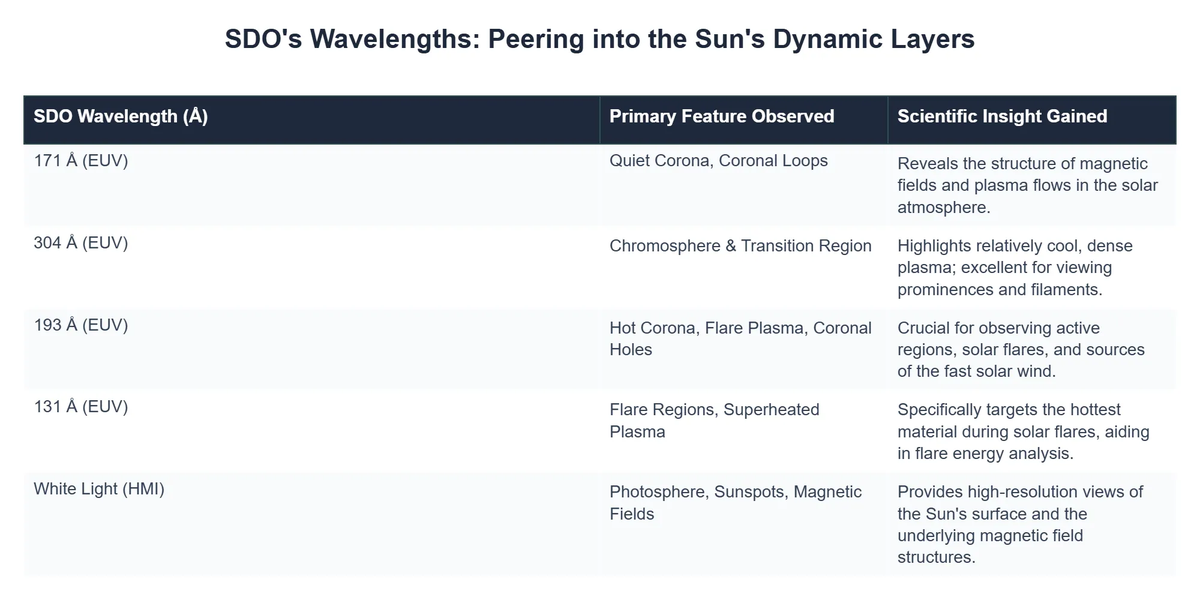
- SDO’s instruments capture multiple wavelengths, revealing different layers of the Sun.
- The mission has significantly advanced our understanding of solar dynamics.
“The SDO isn’t just a telescope; it’s a profound leap in our ability to truly see the star that governs our very existence. From a science fiction perspective, it’s akin to finally understanding the heartbeat of an alien god—essential for any future cosmic journey.”
— Astrid Bellweather, Astrophysicist & Science Fiction Consultant
Enter the Solar Dynamics Observatory (SDO). Launched by NASA in 2010, SDO is an advanced spacecraft designed to provide an unprecedented look at the Sun, capturing detailed images and data across multiple wavelengths simultaneously. It acts as our primary eye on the Sun, helping us unravel the mysteries of solar activity and improve space weather predictions. This article delves into the mission, instruments, and groundbreaking contributions of the solar dynamics observatory, cementing its role as a cornerstone of modern heliophysics.
In This Article
- → NASA’s Solar Dynamics Observatory (SDO): A Window to the Sun
- — 💡 Key Takeaways
- → The Dawn of a New Era in Solar Observation
- → Unveiling the Sun’s Dynamic Nature: SDO’s Primary Objectives
- → The Eyes of SDO: Advanced Instrumentation
- — ⚙️ Atmospheric Imaging Assembly (AIA)
- — 🧲 Helioseismic and Magnetic Imager (HMI)
- — 💡 Extreme Ultraviolet Variability Experiment (EVE)
- → SDO’s Groundbreaking Discoveries and Contributions
- → SDO and its Role in Space Weather Forecasting
- → Comparing SDO with Other Solar Missions
- → Conclusion
The Dawn of a New Era in Solar Observation
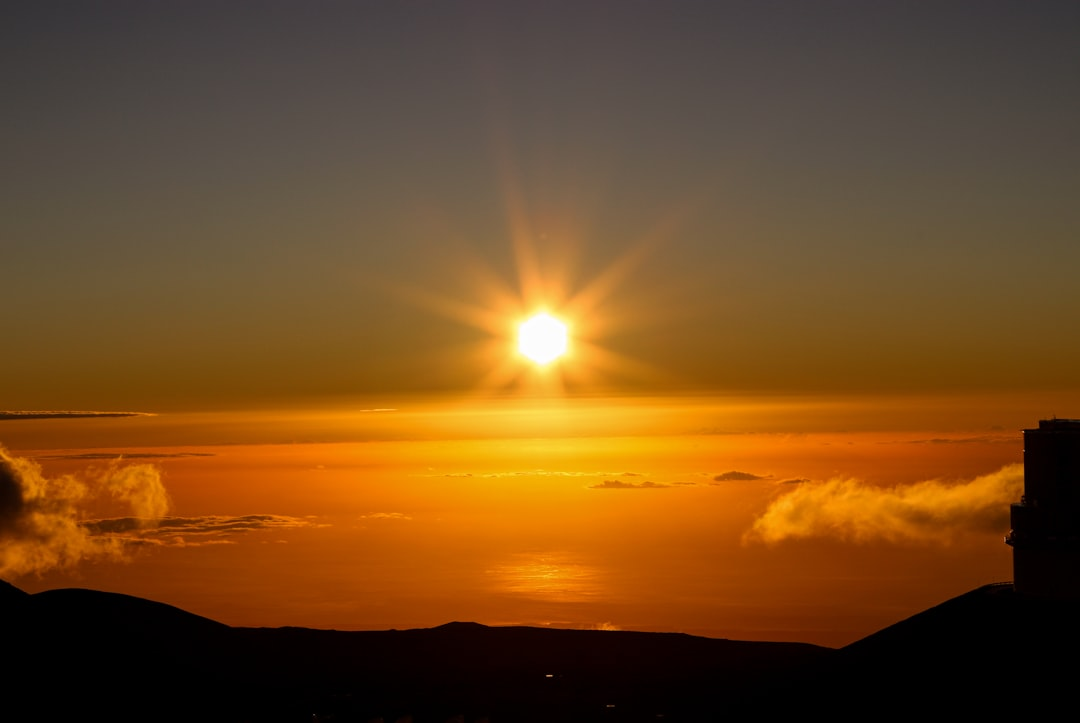
Before SDO, missions like the Solar and Heliospheric Observatory (SOHO) provided invaluable insights into the Sun. However, SDO marked a significant leap forward in resolution, cadence, and data volume. Its geostationary orbit allows for nearly continuous observation, providing a stream of data that revolutionizes our understanding of solar dynamics.
Since its launch, SDO has consistently delivered a treasure trove of information, observing the Sun’s atmosphere, interior, and magnetic fields with remarkable precision. It captures an image of the Sun approximately every 12 seconds in 10 different wavelengths, generating an astounding 1.5 terabytes of data daily. This torrent of information is critical for detailed analysis and understanding of rapid solar events.
Unveiling the Sun’s Dynamic Nature: SDO’s Primary Objectives
The core mission of the NASA Solar Dynamics Observatory is to understand the causes of solar variability and its impacts on Earth. This overarching goal breaks down into several key objectives:
- ☀️ Understanding Solar Activity: To comprehend the various forms of solar activity, including flares, coronal mass ejections (CMEs), and sunspots, and how they originate and evolve.
- ⚡ Predicting Space Weather: To improve our ability to forecast potentially harmful space weather events that can disrupt satellites, power grids, and communication systems on Earth.
- ⚛️ Probing the Sun’s Interior: To gain deeper insights into the Sun’s internal structure and dynamics, including the mechanisms that generate its powerful magnetic field.
By achieving these objectives, SDO helps protect our technological infrastructure and ensures the safety of astronauts in space. For a more in-depth look at how SDO achieves these goals, explore our article on SDO NASA: Unveiling the Sun’s Secrets.
The Eyes of SDO: Advanced Instrumentation
The Solar Dynamics Observatory carries three primary instruments, each designed to observe different aspects of the Sun and contribute to its comprehensive mission goals:
⚙️ Atmospheric Imaging Assembly (AIA)
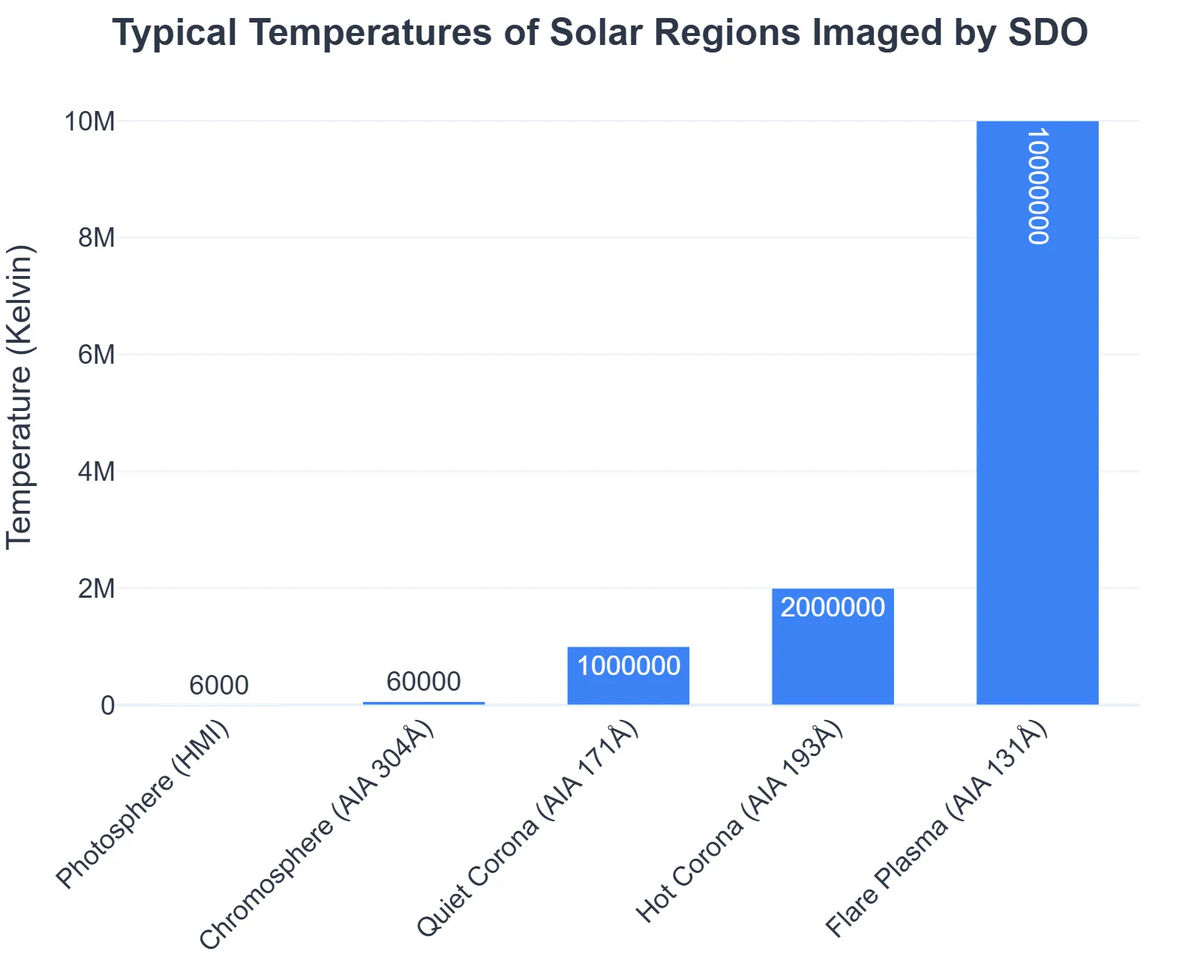
AIA captures full-disk images of the Sun’s atmosphere and surface simultaneously in multiple wavelengths of extreme ultraviolet (EUV) and ultraviolet (UV) light. This allows scientists to see different layers of the Sun’s atmosphere, from the chromosphere to the corona, at extremely high spatial and temporal resolution.
- ✅ Function: Captures images of the solar corona and transition region.
- ✅ Output: Provides nearly real-time visualizations of solar flares, coronal loops, and CMEs.
🧲 Helioseismic and Magnetic Imager (HMI)
HMI studies the Sun’s magnetic field and observes solar oscillations (helioseismology) to probe the Sun’s interior. It maps the Sun’s magnetic fields on the surface and in the solar atmosphere, which are crucial for understanding the genesis of solar activity.
- ✅ Function: Measures surface magnetic fields and motions.
- ✅ Output: Reveals sunspot structures, magnetic field evolution, and provides data for helioseismology.
💡 Extreme Ultraviolet Variability Experiment (EVE)
EVE measures the Sun’s extreme ultraviolet (EUV) irradiance with unprecedented spectral resolution and accuracy. The Sun’s EUV radiation varies significantly, and these variations directly affect Earth’s upper atmosphere, influencing phenomena like the aurora and affecting satellite drag.
- ✅ Function: Monitors changes in the Sun’s ultraviolet output.
- ✅ Output: Crucial data for understanding solar influences on Earth’s atmosphere and space weather.
SDO’s Groundbreaking Discoveries and Contributions
Since its launch, SDO has provided a continuous stream of stunning images and invaluable data, leading to numerous scientific breakthroughs. Its high-resolution observations have allowed scientists to:
- ➡️ Observe Solar Flares in Detail: SDO has captured thousands of solar flares, providing an intricate look at their initiation, eruption, and energy release mechanisms.
- ➡️ Track Coronal Mass Ejections (CMEs): The mission has offered unprecedented views of CMEs, massive expulsions of plasma and magnetic field from the Sun’s corona, enabling better understanding of their propagation.
- ➡️ Map Solar Magnetic Fields: SDO’s HMI instrument has produced continuous, high-resolution maps of the Sun’s magnetic field, revealing how it twists, reconnects, and leads to solar storms.
- ➡️ Uncover Solar Quakes: By observing ripples on the Sun’s surface caused by flares, SDO has helped scientists understand the seismic response of the Sun to powerful energy releases.
These discoveries contribute significantly to the broader field of Cosmic Queries: Probing the Mysteries of the Universe, deepening our fundamental understanding of stars and astrophysical processes.
NASA’s Solar Dynamics Observatory (SDO): Pros and Cons
Pros
- ✔Provides continuous, high-resolution observations of the Sun.
- ✔Crucial for predicting space weather and its impact on Earth.
- ✔Multi-wavelength imaging enhances understanding of solar dynamics.
- ✔Long operational lifespan has yielded extensive scientific data.
Cons
- ✖High cost of development, launch, and ongoing operations.
- ✖Massive data volume requires significant storage and processing.
- ✖Geosynchronous orbit limits direct observation of solar poles.
- ✖Relies solely on remote sensing, not in-situ measurements.
SDO and its Role in Space Weather Forecasting
One of the most practical applications of SDO’s data is in space weather forecasting. The continuous, near-real-time observations from SDO are indispensable for agencies like the Space Weather Prediction Center (SWPC) in the U.S. and similar organizations globally. By monitoring solar activity live, forecasters can issue warnings for:
- ✅ Geomagnetic Storms: Caused by CMEs interacting with Earth’s magnetic field, potentially disrupting power grids and pipelines.
- ✅ Solar Radiation Storms: Streams of energetic particles that can endanger astronauts and damage satellite electronics.
- ✅ Radio Blackouts: Caused by intense solar flares, affecting high-frequency radio communications on Earth.
Understanding these events is vital, as they can have significant impacts on our increasingly technology-dependent society. For instance, solar activity directly influences phenomena such as the aurora, which you can learn more about in our article on Northern Lights and Solar Storms: A Cosmic Connection.
Comparing SDO with Other Solar Missions
While the Solar Dynamics Observatory is a powerhouse of solar observation, it’s part of a larger fleet of spacecraft dedicated to studying the Sun. Its continuous, full-disk view complements missions that focus on specific regions or phenomena:
- ➡️ Solar and Heliospheric Observatory (SOHO): A joint ESA/NASA mission, SOHO (often referred to as a “solar heliospheric observatory”) preceded SDO and continues to provide valuable data on the Sun’s interior, outer atmosphere, and solar wind. SDO offers higher resolution and faster cadence, but SOHO provides crucial context and different perspectives, particularly for heliospheric observations.
- ➡️ Parker Solar Probe: This groundbreaking NASA mission is designed to “touch the Sun,” flying directly into its upper atmosphere. While SDO provides a broad overview, the Parker Solar Probe: Journey to the Sun’s Atmosphere provides in-situ measurements, offering detailed insights into the solar wind and coronal heating mechanisms right at the source.
- ➡️ Solar Orbiter: A joint ESA/NASA mission, Solar Orbiter takes images of the Sun from closer distances than ever before (along with Parker Solar Probe) and from higher solar latitudes, offering unique views of the Sun’s poles.
Together, these missions provide a multi-point, multi-instrument approach to understanding our star, offering a comprehensive picture of its complex behavior.

Recommended Video
Conclusion
The NASA Solar Dynamics Observatory stands as a testament to humanity’s relentless pursuit of knowledge about our universe. Its decade-plus of continuous, high-resolution observations has fundamentally transformed our understanding of the Sun’s dynamic nature, from the intricate dance of its magnetic fields to the explosive power of solar flares and CMEs. SDO has not only advanced solar physics but has also become an indispensable tool for protecting our planet from the potentially disruptive effects of space weather.
As SDO continues its vital mission, the insights it provides will remain critical for future space exploration, technological advancement, and our ongoing quest to unravel the Sun’s profound influence on Earth and the heliosphere. It truly is a remarkable window to the Sun.
Sources:
Frequently Asked Questions
How long has SDO been operating?
SDO was launched on February 11, 2010, and has been providing continuous observations of the Sun ever since, far exceeding its initial five-year primary mission.
What kind of data does SDO collect?
SDO collects data across multiple wavelengths of light, including visible, ultraviolet, and extreme ultraviolet, to observe different layers of the Sun’s atmosphere and phenomena like solar flares, sunspots, and coronal mass ejections.
Why is monitoring the Sun important for Earth?
Monitoring the Sun is crucial because solar events, such as solar flares and coronal mass ejection, can cause space weather that impacts Earth’s technologies, including power grids, satellites, GPS, and radio communications.