

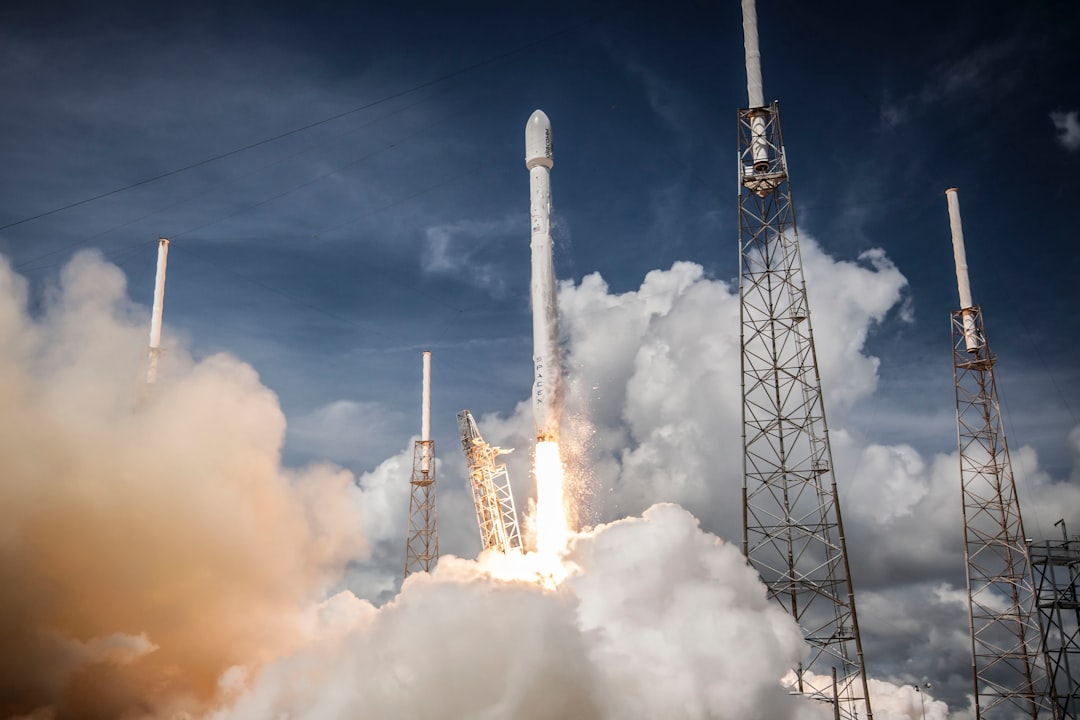
The dawn of a new era in lunar exploration is upon us. As humanity sets its sights on returning to the Moon, the Artemis mission upsc program emerges as a pivotal initiative, not just for scientific advancement but also as a crucial topic for competitive examinations. Understanding its intricacies, objectives, and implications is essential for aspirants aiming to excel in space-related questions.
💡 Key Takeaways
- Artemis aims to return humans to the Moon, establishing a sustainable presence for future Mars missions.
- Key components include the SLS rocket, Orion spacecraft, and the planned Lunar Gateway orbiting outpost.
- The mission targets landing the first woman and first person of color on the Moon’s South Pole.
- Understanding Artemis’s phased approach (I, II, III) and its technologies is crucial for competitive exam success.
“Artemis isn’t just a return to the Moon; it’s a critical stepping stone that redefines humanity’s future in space. For competitive exams, understanding its meticulous design and audacious goals is key to grasping the next chapter of human exploration.”
— Astrid Bellweather, Astrophysicist & Science Fiction Consultant
This comprehensive guide delves into the core aspects of the Artemis Mission, providing valuable insights tailored for exam preparation. From its ambitious goals to its technological backbone and international collaborations, we dissect every facet to ensure you grasp the full scope of this monumental undertaking. For a broader perspective on humanity’s reach into the cosmos, explore Cosmic Queries: Probing the Mysteries of the Universe.
In This Article
- — 💡 Key Takeaways
- → 🌕 What is the Artemis Mission? Redefining Lunar Exploration
- — ✨ Core Objectives of Artemis:
- → 🚀 Key Phases and Milestones of the Artemis Program
- — ➡️ Artemis I: Uncrewed Flight Test
- — ➡️ Artemis II: Crewed Lunar Flyby
- — ➡️ Artemis III: Human Lunar Landing
- — ➡️ The Lunar Gateway: An Orbital Outpost
- → ⚙️ Technological Cornerstones of the Artemis Program
- — 🌠 Orion Multi-Purpose Crew Vehicle (MPCV)
- — 🛰️ Space Launch System (SLS) Rocket
- — 🧑🚀 Human Landing System (HLS)
- — 🧊 Lunar Rovers and Science Instruments
- → 🤝 International Collaboration and Commercial Partnerships
- — 🌐 Artemis Accords
- — 🌍 Partner Nations and Contributions
- — 💰 Role of Commercial Companies
- → 🇮🇳 Significance for India: LUPEC Mission and ISRO’s Role
- — 🛰️ Lunar Polar Exploration Mission (LUPEC / Chandrayaan-4)
- — ✨ India’s Broader Space Aspirations
- → 📈 Challenges and Future Outlook
- — 🚧 Major Challenges:
- — 🔭 Long-Term Vision:
- → 💡 Why Artemis Matters for Competitive Exams
- — Key Takeaways for Exam Preparation:
🌕 What is the Artemis Mission? Redefining Lunar Exploration
The Artemis program is NASA’s ambitious initiative to return humans to the Moon, with the ultimate goal of establishing a sustainable presence and paving the way for future human missions to Mars. It marks a significant shift from the Apollo era’s brief visits, focusing on long-term habitation and scientific research at the lunar South Pole.
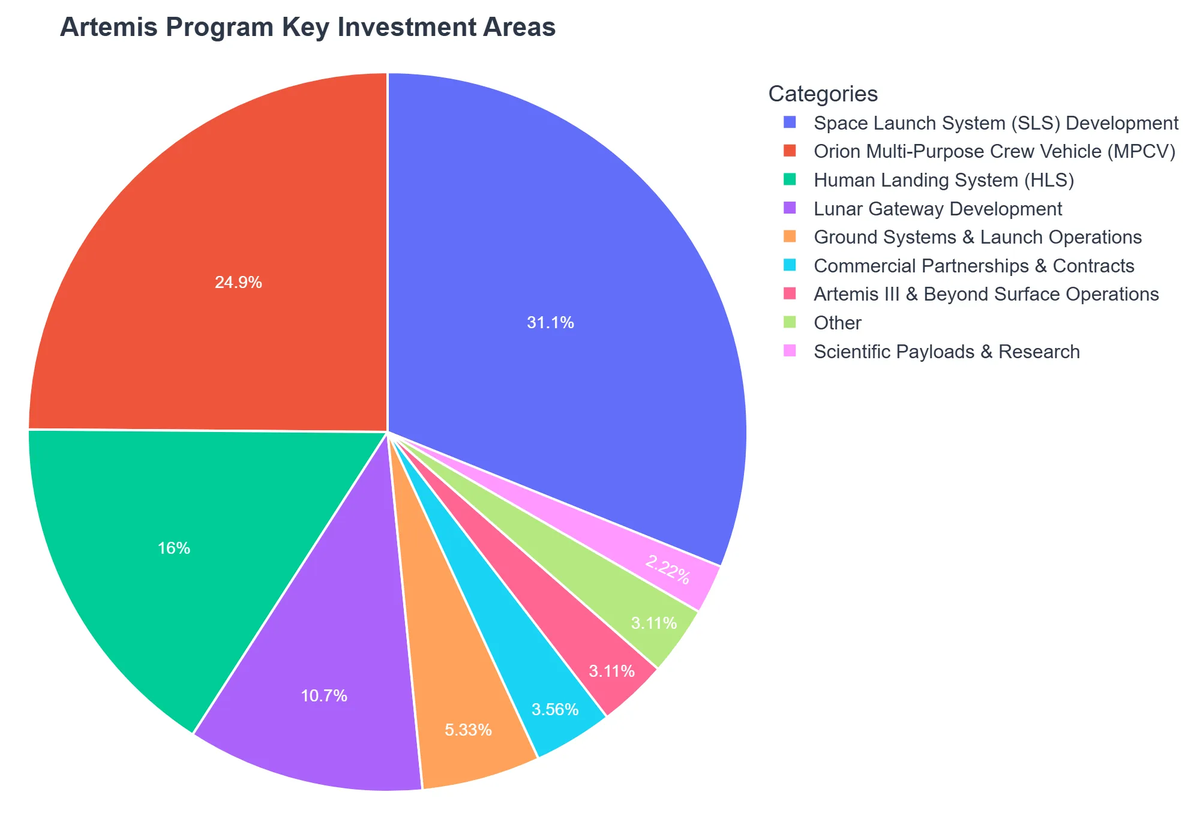
✨ Core Objectives of Artemis:
- ✅ Landing the first woman and first person of color on the Moon.
- ✅ Establishing a sustainable human presence on the Moon and in lunar orbit.
- ✅ Testing new technologies and capabilities for future human missions to Mars.
- ✅ Fostering commercial and international partnerships for space exploration.
- ✅ Conducting groundbreaking scientific research, particularly on lunar resources like water ice.
Unlike previous lunar endeavors, Artemis emphasizes collaboration with private companies and international partners, creating a broader ecosystem for space exploration.
🚀 Key Phases and Milestones of the Artemis Program
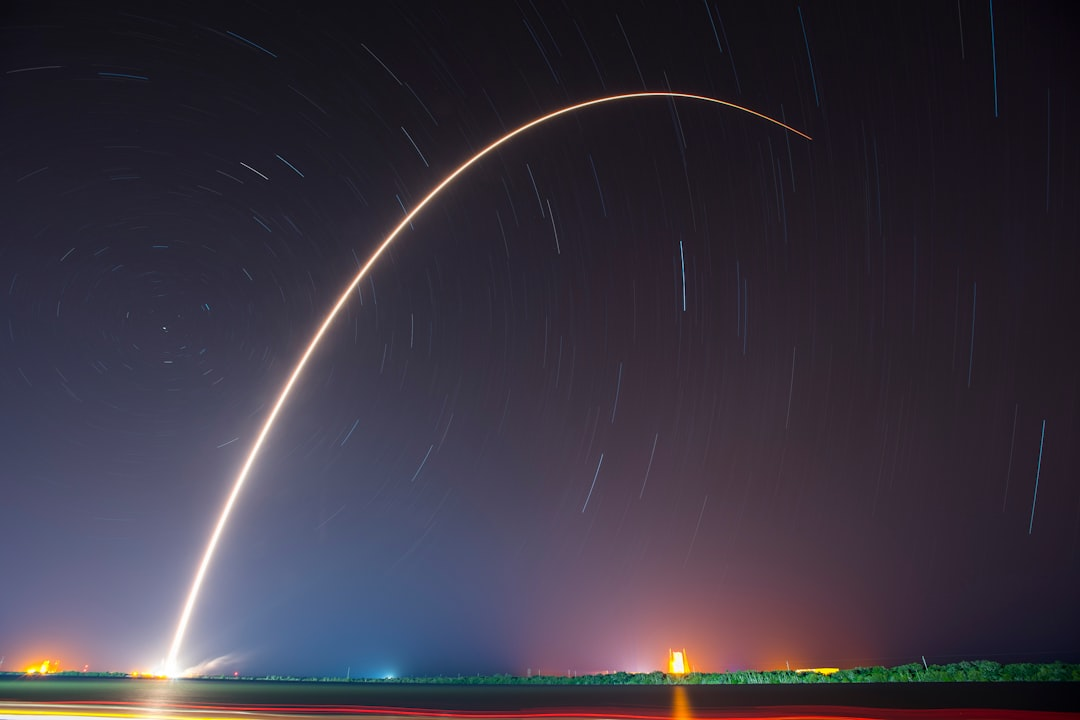
The Artemis mission is structured into a series of increasingly complex missions, each building upon the success of the last.
➡️ Artemis I: Uncrewed Flight Test
- ✅ Objective: To test the Orion spacecraft and Space Launch System (SLS) rocket as an integrated system prior to crewed flights.
- ✅ Status: Successfully completed in late 2022. Orion orbited the Moon and returned safely to Earth, demonstrating the vehicle’s capabilities.
- ✅ Significance: A critical validation of the hardware and operational procedures for future crewed missions.
➡️ Artemis II: Crewed Lunar Flyby
- ✅ Objective: To send a crew of four astronauts on a lunar flyby mission, further testing Orion’s systems with humans aboard.
- ✅ Status: Currently in preparation, aiming for a 2025 launch. This mission will bring humans closer to the Moon than ever before since Apollo.
- ✅ Relevance for Exams: Awareness of the crew members and the mission’s objectives is important. Delve deeper into the crew’s roles and the mission’s scope with Artemis II Crew: Paving the Way for Lunar Exploration.
➡️ Artemis III: Human Lunar Landing
- ✅ Objective: To land astronauts on the lunar South Pole, marking humanity’s return to the Moon’s surface.
- ✅ Status: Planned for late 2026 or beyond. This mission will feature astronauts living and working on the lunar surface for an extended period.
- ✅ Key Aspects: Utilizes a Human Landing System (HLS) provided by commercial partners (e.g., SpaceX’s Starship) to transport astronauts from Orion to the lunar surface.
➡️ The Lunar Gateway: An Orbital Outpost
- ✅ Concept: A small space station orbiting the Moon, serving as a multi-purpose outpost.
- ✅ Functions:
- 🚀 Staging point for lunar surface missions.
- 🔬 Research laboratory for deep-space science.
- 📡 Communication relay for lunar operations.
- 🏘️ Potential habitat for extended stays in lunar orbit.
- ✅ Partnerships: Built with contributions from international partners like ESA, JAXA, and CSA.
⚙️ Technological Cornerstones of the Artemis Program
The success of Artemis hinges on several advanced technologies and systems.
Artemis Mission: Key Considerations for Competitive Exams
Pros
- ✔High relevance for current affairs, science, and technology sections.
- ✔Multidisciplinary content covering science, engineering, and international collaboration.
- ✔Provides numerous specific facts and figures easily testable for recall.
- ✔Offers context for future space exploration and lunar initiatives.
Cons
- ✖Information can become quickly outdated due to ongoing mission developments.
- ✖Vast scope and technical details may lead to information overload for memorization.
- ✖Requires understanding of specialized aerospace terminology.
- ✖Some future plans are conceptual, potentially leading to ambiguity in questions.
🌠 Orion Multi-Purpose Crew Vehicle (MPCV)
- ✅ Purpose: The deep-space crew capsule designed to carry astronauts beyond low-Earth orbit.
- ✅ Features: Capable of supporting long-duration missions, equipped with advanced life support, propulsion, and re-entry systems.
🛰️ Space Launch System (SLS) Rocket
- ✅ Purpose: NASA’s powerful super heavy-lift rocket, designed to launch Orion and other payloads into deep space.
- ✅ Capability: The most powerful rocket ever built by NASA, capable of carrying significant mass to the Moon and beyond.
🧑🚀 Human Landing System (HLS)
- ✅ Purpose: The vehicle responsible for transporting astronauts from lunar orbit (e.g., Gateway or Orion) to the lunar surface and back.
- ✅ Development Model: NASA is leveraging commercial partners for its development, fostering innovation and reducing costs.
🧊 Lunar Rovers and Science Instruments
- ✅ VIPER (Volatiles Investigating Polar Exploration Rover): A robotic rover designed to search for and characterize water ice at the lunar South Pole. This mission is crucial for understanding the Moon’s resources.
- ✅ Commercial Lunar Payload Services (CLPS): A program enabling private companies to deliver science and technology payloads to the lunar surface, accelerating research.
- ✅ Read More: For details on lunar robotic exploration, check out Artemis & VIPER: Exploring the Next Lunar Rovers.
🤝 International Collaboration and Commercial Partnerships
Artemis is not just a NASA endeavor; it’s a global undertaking involving multiple nations and private entities.
🌐 Artemis Accords
- ✅ Purpose: A set of non-binding principles for responsible lunar exploration, signed by numerous nations.
- ✅ Key Principles: Peaceful purposes, transparency, interoperability, emergency assistance, registration of space objects, release of scientific data, protection of heritage sites, space resources utilization, deconfliction of activities, and orbital debris mitigation.
- ✅ Significance: Establishes a framework for international cooperation and common understanding in space activities.
🌍 Partner Nations and Contributions
- 🇪🇺 European Space Agency (ESA): Providing the European Service Module (ESM) for Orion, which supplies propulsion, power, air, and water.
- 🇨🇦 Canadian Space Agency (CSA): Contributing robotic arms (Canadarm3) for the Gateway and providing an astronaut for the Artemis II mission.
- 🇯🇵 Japan Aerospace Exploration Agency (JAXA): Contributing to the Gateway and exploring potential crewed lunar rovers.
- 🇦🇺 Australia: Contributing to lunar rover technology and signing the Artemis Accords.
💰 Role of Commercial Companies
- ✅ Human Landing Systems (HLS): Companies like SpaceX (Starship) and Blue Origin (Blue Moon) are developing landers.
- ✅ Commercial Lunar Payload Services (CLPS): Companies such as Intuitive Machines and Astrobotic deliver payloads to the Moon.
- ✅ SpaceX’s role: Learn more about how SpaceX Missions to the ISS: Delivering Crew and Cargo are shaping commercial spaceflight.
This multi-stakeholder approach ensures diverse expertise, shared costs, and broader global participation in the return to the Moon. For insights into broader agency efforts, see NASA Missions: From Earth Orbit to Deep Space.
🇮🇳 Significance for India: LUPEC Mission and ISRO’s Role
India, through its space agency ISRO, is a significant player in lunar exploration, and its collaboration with global partners, notably Japan’s JAXA, holds direct relevance for competitive exams, especially concerning the lupex mission upsc keyword.
🛰️ Lunar Polar Exploration Mission (LUPEC / Chandrayaan-4)
- ✅ Joint Venture: A collaborative lunar mission between ISRO (India) and JAXA (Japan).
- ✅ Objective: To send a lunar lander and rover to the Moon’s South Pole to explore for water ice and study the polar region.
- ✅ ISRO’s Contribution: Expected to provide the lander, while JAXA will provide the launch vehicle (H3 rocket) and the rover.
- ✅ Relevance to Artemis: While independent, LUPEC aligns with Artemis’s focus on polar resource exploration. Success in LUPEC could open avenues for future collaboration in resource utilization and sustainable lunar presence.
✨ India’s Broader Space Aspirations
- ✅ Chandrayaan Series: India has already demonstrated significant lunar capabilities with Chandrayaan-1 (orbital mission) and Chandrayaan-3 (successful soft landing and rover deployment).
- ✅ Gaganyaan: ISRO’s human spaceflight program, which aims to send Indian astronauts to low-Earth orbit. This domestic capability strengthens India’s position in global space partnerships.
- ✅ Future Collaboration: India is a signatory to the Artemis Accords, signifying its commitment to safe and sustainable space exploration practices and potential future integration into Artemis-related activities.
📈 Challenges and Future Outlook
While the Artemis program is ambitious, it faces several challenges and has a long-term vision.
🚧 Major Challenges:
- ✅ Budget Constraints: High development and operational costs are a constant challenge, requiring sustained political and public support. NASA’s Office of Inspector General regularly audits these challenges, as highlighted in reports like the Final Report- IG-24-003 – NASA’s Management of the Artemis….
- ✅ Technical Delays: Development of complex systems like SLS, Orion, and HLS often encounters technical hurdles and delays.
- ✅ Sustainability: Establishing a truly sustainable presence on the Moon requires robust infrastructure, resource utilization, and long-term funding. The GAO also provides valuable oversight, for example in GAO-24-106256, NASA ARTEMIS PROGRAMS: Crewed Moon….
- ✅ Lunar Environment: Operating in the harsh lunar environment, especially the extreme temperatures and dust at the South Pole, presents unique engineering challenges.
🔭 Long-Term Vision:
- ✅ Lunar Economy: Development of a lunar economy based on resource extraction (e.g., water ice for fuel), tourism, and scientific research.
- ✅ Mars Missions: The Moon serves as a “proving ground” for technologies and operational procedures necessary for human missions to Mars.
- ✅ Global Space Ecosystem: Artemis aims to foster a sustainable and collaborative international framework for space exploration that extends beyond the Moon.
Recommended Video
💡 Why Artemis Matters for Competitive Exams
For aspirants preparing for competitive exams like UPSC, understanding the Artemis mission is paramount due to its multidisciplinary nature.
Key Takeaways for Exam Preparation:
- ✅ Science & Technology: Knowledge of SLS, Orion, HLS, VIPER, and the scientific objectives related to lunar water ice.
- ✅ International Relations: The Artemis Accords, multi-national collaborations (USA, Europe, Japan, Canada, India), and the geopolitical implications of space exploration.
- ✅ Current Affairs: Latest developments, launch schedules, and significant milestones of Artemis I, II, and III.
- ✅ India’s Role: Specific focus on ISRO’s contributions, the LUPEC mission with JAXA, and India’s participation in the Artemis Accords.
- ✅ Economy: The role of commercial space companies, public-private partnerships, and the potential for a lunar economy.
- ✅ Environmental Aspects: Discussions on space debris mitigation and sustainable practices in space.
By focusing on these areas, you can effectively answer questions related to space programs, international cooperation, and technological advancements that frequently appear in general awareness and science & technology sections of various exams.
Frequently Asked Questions
What is the primary objective of the Artemis Mission?
The Artemis Mission’s core objective is to return humans to the Moon, specifically the lunar South Pole, by 2025 (target), and establish a long-term human presence for future Mars missions.
What key vehicles are part of Artemis?
The mission relies on NASA’s Space Launch System (SLS) rocket, the most powerful rocket ever built, and the Orion spacecraft designed for deep-space human travel.
Who is expected to land on the Moon during an Artemis mission?
Artemis aims to land the first woman and the first person of color on the lunar surface, marking a new era of diverse human space exploration.
What is the significance of the Lunar Gateway?
The Lunar Gateway will be a small space station orbiting the Moon, serving as a multi-purpose outpost for astronauts, a science lab, and a waypoint for lunar surface missions.