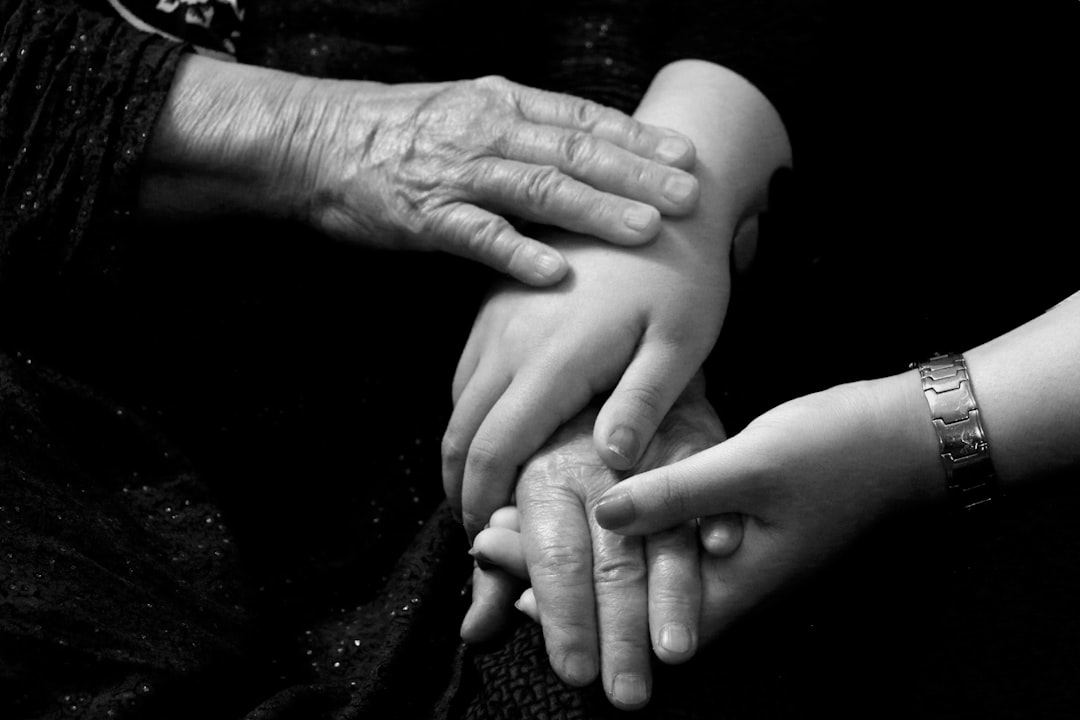
The journey of human life is an intricate tapestry woven with threads of growth, change, and adaptation. From our very first breath to our final moments, we are constantly evolving, both physically and psychologically. Understanding this continuous transformation is the essence of human development psychology.
💡 Key Takeaways
- Human development is a continuous process influenced by biological, cognitive, and psychosocial factors.
- Key developmental theories provide frameworks for understanding different life stages and their unique challenges.
- Each stage presents distinct milestones and opportunities for growth and adaptation.
- Understanding developmental psychology fosters empathy and informs supportive strategies for individuals across the lifespan.
“Human development is a testament to the brain’s incredible plasticity and our ongoing capacity for learning and adaptation, from the first neural connections to the wisdom of old age.”
— Eleanor Vance, Neuroscience Communicator & Cognitive Psychologist
This comprehensive guide aims to be the definitive resource on developmental stages, offering a deep dive into the theories, milestones, and real-world implications of how we grow and change. Whether you’re a student, a parent, or simply curious about the profound journey of being human, prepare to unlock some of the most fascinating secrets of our body and mind, a core aspect explored in The Human Enigma: Unlocking the Secrets of Our Body and Mind.
In This Article
- — 💡 Key Takeaways
- → What is Human Development Psychology?
- → The Lifespan Perspective: A Holistic View
- → Key Theories in Developmental Psychology
- — 🧠 Erik Erikson’s Psychosocial Stages
- — ⚙️ Jean Piaget’s Cognitive Development
- — 🌟 Other Influential Theories
- → Stages of Human Development: A Journey Through Life
- — 👶 Infancy (Birth to 1 year)
- — 🧒 Early Childhood (1-5 years)
- — 🧑🏫 Middle Childhood (6-11 years)
- — teen Adolescence (12-18 years)
- — 🧑💼 Early Adulthood (19-40 years)
- — 👵 Middle Adulthood (40-65 years)
- — 👴 Late Adulthood (65+ years)
- → The Interplay of Nature and Nurture
- → Applications of Developmental Psychology
- → Conclusion: Embracing the Journey of Growth
What is Human Development Psychology?
At its core, developmental psychology is the scientific study of how and why human beings change over the course of their life. Originally concerned with infants and children, the field has expanded to include adolescence, adult development, aging, and the entire lifespan. It explores every facet of human experience, including:
- ✅ Cognitive Development: How our thought processes, problem-solving abilities, and understanding of the world evolve.
- ✅ Social and Emotional Development: The growth of relationships, emotional regulation, identity formation, and social skills.
- ✅ Physical Development: Changes in our body, motor skills, and health across the lifespan.
- ✅ Personality Development: The emergence and transformation of enduring behavioral and characteristic patterns.
The field seeks to understand the universal patterns of change, as well as the individual differences that make each person’s journey unique. It’s a critical area of study for anyone interested in human growth and development in psychology.

The Lifespan Perspective: A Holistic View
Modern developmental psychology largely adopts a “lifespan perspective,” recognizing that development is not just about childhood, but a continuous process. This perspective emphasizes several key principles:
- ➡️ Multidirectional: Development involves both growth and decline, gain and loss, across different areas of life.
- ➡️ Multicontextual: Development occurs within various contexts, including family, peers, school, community, and culture.
- ➡️ Multidisciplinary: Insights come from psychology, sociology, biology, education, neuroscience, and more.
- ➡️ Plastic: Human traits and characteristics are not fixed but are malleable, allowing for change and adaptation throughout life.
- ➡️ Historical/Cultural Context: Development is shaped by historical events and cultural values, influencing everything from parenting styles to educational priorities. This explains why aspects of `human psychology in tamil` or `human psychology in telugu` might be expressed differently across cultures, despite universal underlying developmental processes.
Key Theories in Developmental Psychology
Understanding the fundamental theories is crucial for grasping the complexities of human development. These frameworks provide lenses through which we can interpret the unfolding journey of life.
🧠 Erik Erikson’s Psychosocial Stages
Perhaps one of the most influential theories in understanding human growth and development in psychology is Erik Erikson’s theory of psychosocial development. Erikson proposed that individuals pass through eight distinct stages, each characterized by a unique psychosocial crisis that must be resolved. Successful resolution leads to the development of a specific virtue or strength, while failure can lead to developmental challenges. His focus on social interaction and identity formation deeply enriches our understanding of human personality psychology.
For a detailed breakdown of each stage, you can refer to [Erikson’s stages of psychosocial development – Wikipedia](https://en.wikipedia.org/wiki/Erikson%27s_stages_of_psychosocial_development).
Human Development Psychology: Benefits and Challenges
Pros
- ✔Provides a comprehensive framework for understanding human behavior across the lifespan.
- ✔Informs effective parenting, education, and therapeutic interventions.
- ✔Helps identify and address developmental delays or issues early.
- ✔Offers insights into personal growth and self-understanding.
Cons
- ✖Stage theories can oversimplify individual differences and cultural variations.
- ✖Research often requires long-term longitudinal studies, which are resource-intensive.
- ✖Challenges in isolating specific factors due to complex nature vs. nurture interactions.
- ✖Ethical considerations arise when studying vulnerable populations like children.
- 💡 Trust vs. Mistrust (Birth to 1 year): Developing a sense of trust in caregivers and the world.
- 💡 Autonomy vs. Shame and Doubt (1-3 years): Learning to do things independently and developing self-control.
- 💡 Initiative vs. Guilt (3-6 years): Exploring the world and taking initiative, without being overly assertive.
- 💡 Industry vs. Inferiority (6-12 years): Developing competence in social and academic skills.
- 💡 Identity vs. Role Confusion (12-18 years): Forming a strong sense of self and personal identity. This stage is particularly vital for understanding human relationships ib psychology, as social connections deeply influence self-perception.
- 💡 Intimacy vs. Isolation (19-40 years): Forming close, loving relationships with others.
- 💡 Generativity vs. Stagnation (40-65 years): Contributing to society and guiding the next generation.
- 💡 Integrity vs. Despair (65+ years): Reflecting on life with a sense of fulfillment or regret.
⚙️ Jean Piaget’s Cognitive Development
Jean Piaget’s theory focuses on how children construct a mental model of the world. He proposed four stages of cognitive development, each marked by distinctive ways of thinking and reasoning:
- ✅ Sensorimotor Stage (Birth to 2 years): Learning through senses and motor actions.
- ✅ Preoperational Stage (2-7 years): Developing symbolic thought, but with egocentric tendencies.
- ✅ Concrete Operational Stage (7-11 years): Thinking logically about concrete events.
- ✅ Formal Operational Stage (12 years and up): Developing abstract reasoning and hypothetical thinking.
🌟 Other Influential Theories
While Erikson and Piaget are foundational, other theories also offer crucial insights:
- ➡️ Lev Vygotsky’s Sociocultural Theory: Emphasizes the role of social interaction and culture in cognitive development.
- ➡️ John Bowlby’s Attachment Theory: Highlights the importance of early emotional bonds with caregivers for healthy social and emotional development.
- ➡️ Abraham Maslow’s Hierarchy of Needs: While not a stage theory in the same vein, Maslow’s framework illustrates a progression of human motivation that impacts development, moving from basic physiological needs to self-actualization. Learn more about this by reading our article on Maslow’s Hierarchy of Needs: Understanding Human Motivation.
Stages of Human Development: A Journey Through Life
While development is continuous, it’s often helpful to categorize it into general stages to understand the predominant characteristics and challenges of each period. These stages are not rigid boundaries but fluid transitions, varying individually.
Understanding these stages is vital for educators, parents, and healthcare professionals to provide appropriate support and interventions. For more on this, you can visit [Stages of Human Development: What It Is & Why It’s Important …](https://online.maryville.edu/online-bachelors-degrees/human-development-and-family-studies/resources/stages-of-human-development/).
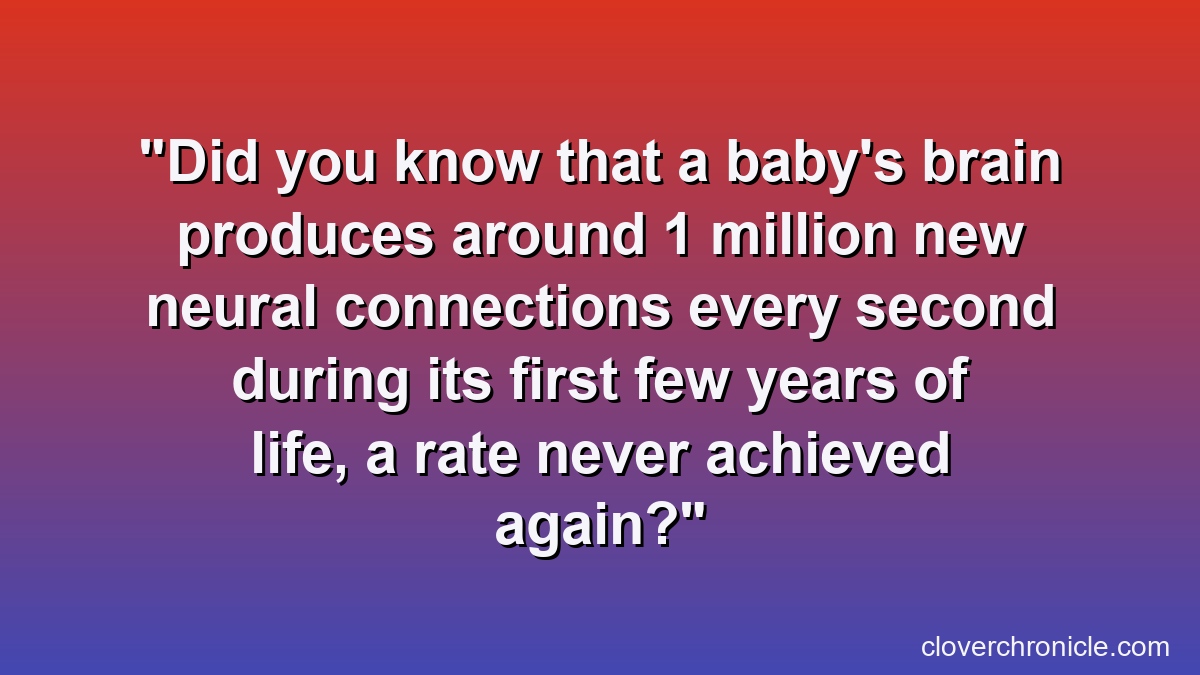
👶 Infancy (Birth to 1 year)
- Key Developments: Rapid physical growth, development of motor skills (rolling, sitting, crawling), formation of attachment bonds, early language acquisition (babbling), basic trust formation (Erikson).
- Challenges: Establishing routines, responding to needs, ensuring safety.
🧒 Early Childhood (1-5 years)
- Key Developments: Walking, talking, developing autonomy, engaging in imaginative play, beginning of self-concept, initiative vs. guilt (Erikson).
- Challenges: Potty training, temper tantrums, developing social skills, setting boundaries.
🧑🏫 Middle Childhood (6-11 years)
- Key Developments: Refining motor skills, significant cognitive growth (logical thinking), developing friendships, industry vs. inferiority (Erikson), beginning of abstract thought.
- Challenges: School adjustments, peer pressure, developing self-esteem, managing emotions.
teen Adolescence (12-18 years)
- Key Developments: Puberty, rapid physical changes, developing a strong sense of identity (Erikson), abstract thinking, increased independence, intense peer relationships.
- Challenges: Identity formation, body image concerns, peer pressure, risk-taking behaviors, academic stress, navigating complex social dynamics which can sometimes lead to phenomena like those discussed in Mass Hysteria: Understanding Psychology, History & Cases.
🧑💼 Early Adulthood (19-40 years)
- Key Developments: Forming intimate relationships (Erikson), career establishment, starting families, further development of independence and responsibility.
- Challenges: Financial stability, relationship challenges, work-life balance, defining life goals.
👵 Middle Adulthood (40-65 years)
- Key Developments: Generativity (Erikson) – contributing to society, guiding younger generations, peak career achievements, “empty nest” syndrome.
- Challenges: Midlife transitions, caring for aging parents, managing health changes, re-evaluating life choices.
👴 Late Adulthood (65+ years)
- Key Developments: Integrity vs. despair (Erikson) – reflecting on life, adapting to retirement, physical changes, potential cognitive changes.
- Challenges: Health decline, loss of loved ones, maintaining social connections, adjusting to new roles, ensuring continued intellectual engagement.
The Interplay of Nature and Nurture
One of the enduring debates in human development and psychology is the “nature vs. nurture” question. Are we products of our genes (nature) or our environment and experiences (nurture)? Modern developmental psychology largely agrees that it’s a dynamic interaction between both.
- 💡 Nature: Our genetic predispositions, inherited traits, and biological maturation processes. These influence our temperament, susceptibility to certain conditions, and overall developmental timeline.
- 💡 Nurture: Our environment, including family, culture, education, peer groups, socio-economic status, and life experiences. These shape our beliefs, behaviors, skills, and opportunities.
For example, a child may have a genetic predisposition for a certain temperament (nature), but how that temperament expresses itself and is managed will be heavily influenced by parenting styles and cultural expectations (nurture). This continuous interplay shapes `human personality psychology` throughout life.
Applications of Developmental Psychology
The insights gained from developmental psychology are not just academic; they have profound practical applications across various fields:
- ✅ Parenting and Family Life: Understanding developmental stages helps parents respond appropriately to their children’s needs, set realistic expectations, and foster healthy relationships.
- ✅ Education: Educators use developmental principles to design age-appropriate curricula, create effective learning environments, and identify learning difficulties.
- ✅ Clinical Psychology and Counseling: Therapists use developmental theories to understand the origins of psychological issues, assess developmental delays, and tailor interventions for individuals across the lifespan.
- ✅ Social Policy: Insights inform policies related to childcare, education, healthcare, and elder care, aiming to create supportive environments for all ages.
- ✅ Human Resources and Workplace: Understanding adult development helps organizations support employees through different career stages, manage intergenerational teams, and promote well-being.
Ultimately, grasping the intricacies of human development fosters empathy, improves communication, and empowers us to create a more supportive world for individuals at every stage of their unique journey.
Recommended Video
Conclusion: Embracing the Journey of Growth
Human development psychology offers an incredible lens through which to view the continuous and complex journey of life. From the foundational psychosocial challenges identified by Erik Erikson human development stages to the cognitive leaps described by Piaget, and the ongoing interplay of nature and nurture, every stage contributes to the unique individual we become.
By understanding these developmental milestones and the forces that shape us, we gain invaluable insights into ourselves and others. This knowledge empowers us to navigate life’s transitions more effectively, build stronger human relationships, and foster environments that promote well-being and growth at every age. It’s a testament to the dynamic and resilient nature of the human spirit.
Frequently Asked Questions
What are the main areas of human development?
The main areas of human development are typically categorized into physical (biological changes), cognitive (thought processes and intelligence), and socio-emotional (personality, emotions, relationships).
Who are some key theorists in developmental psychology?
Prominent theorists include Jean Piaget (cognitive development), Erik Erikson (psychosocial stages), Lev Vygotsky (sociocultural theory), and Sigmund Freud (psychosexual stages), among others.
Is human development a linear process?
While often described in stages, human development is not strictly linear. Individuals can progress at different rates, experience setbacks, or revisit themes across their lifespan, influenced by diverse factors.
How does nature vs. nurture impact development?
Development is a complex interplay between genetic predispositions (nature) and environmental influences (nurture). Both are crucial and inseparable in shaping an individual’s growth and outcomes.