


Cryptogaming: Play-to-Earn and Blockchain’s Impact on Gaming
The gaming industry stands on the precipice of a profound transformation, driven by the innovative convergence of blockchain technology and interactive entertainment. This revolution, often termed cryptogaming, is fundamentally reshaping how players interact with games, own digital assets, and even earn real-world value from their virtual endeavors. Gone are the days when in-game purchases were simply expenditures; today, the advent of play-to-earn (P2E) models introduces an economic layer that empowers players like never before.
💡 Key Takeaways
- Play-to-Earn (P2E) models allow players to earn cryptocurrencies or NFTs with real-world value through gameplay.
- Blockchain technology enables true digital ownership and verifiable scarcity of in-game assets, revolutionizing traditional gaming models.
- NFTs are central to P2E, representing unique in-game items, characters, or land that players can own, trade, and monetize.
- Cryptogaming is fostering new decentralized economies, empowering players with greater control and governance over virtual worlds.
“Cryptogaming isn’t just about ownership; it’s a societal experiment in decentralized value creation. The ethical implications of incentivized play and economic inclusion within digital realms will profoundly shape our future relationship with virtual economies.”
— Kira Chen, Futurist & AI Ethics Advocate
As we chart the course of tomorrow’s technology, understanding cryptogaming and its implications is crucial. This article dives deep into the mechanics, benefits, challenges, and future trajectory of this burgeoning sector, providing you with a comprehensive overview of how blockchain is poised to redefine the very essence of gaming. For a broader perspective on how these innovations fit into the larger technological landscape, explore our Future Perfect?: Charting the Course of Tomorrow’s Technology pillar content.
In This Article
- → Cryptogaming: Play-to-Earn and Blockchain’s Impact on Gaming
- — 💡 Key Takeaways
- → What is Cryptogaming and How Does Blockchain Fit In?
- — 🎮 Defining Cryptogaming
- — ⛓️ The Role of Blockchain Technology
- → The Rise of Play-to-Earn (P2E) Models
- — 💰 Beyond Traditional Gaming: Earning in Virtual Worlds
- — 🔑 Key Mechanics of P2E Games
- → Transforming Ownership: NFTs and Digital Assets in Gaming
- — 🖼️ True Ownership Through Non-Fungible Tokens
- — 🌐 The Metaverse Connection
- → Benefits and Opportunities in the Cryptogaming Landscape
- — ✅ Empowering Players
- — ✅ New Economic Models for Developers
- — ✅ Fostering Community and Interoperability
- → Challenges and Criticisms Facing Cryptogaming
- — ⚖️ Regulatory Uncertainty and Volatility
- — 🚧 Scalability and Technical Hurdles
- — 📉 The “Fun Factor” Debate
- → The Future of Gaming: What’s Next for Play-to-Earn?
- — 💡 Evolution of Game Mechanics
- — 📈 Broader Adoption and Mainstream Integration
- → Conclusion
What is Cryptogaming and How Does Blockchain Fit In?
🎮 Defining Cryptogaming
Cryptogaming refers to video games that integrate elements of blockchain technology. Unlike traditional games where all assets and progress are controlled by the game developer, cryptogames leverage decentralized ledgers to enable true ownership, verifiable scarcity, and interoperability of in-game items. This foundational shift transforms players from mere consumers into stakeholders, giving them more control and a vested interest in the game’s ecosystem.
⛓️ The Role of Blockchain Technology
At its core, blockchain provides the infrastructure for cryptogaming. It’s a distributed, immutable ledger that records transactions in a secure and transparent manner. In the context of gaming, blockchain technology facilitates several key functions:
- ✅ Digital Asset Ownership: Through Non-Fungible Tokens (NFTs), players can own unique in-game items (characters, skins, weapons, virtual land) as verifiable digital assets.
- ✅ Decentralized Economies: Cryptocurrencies and game tokens often power in-game economies, allowing for transparent transactions and market-driven valuations of assets.
- ✅ Transparency and Security: All transactions and asset ownership are publicly verifiable on the blockchain, reducing fraud and increasing trust.
- ✅ Interoperability (Potential): While still nascent, blockchain offers the potential for assets to be used across different games or platforms, leading to a more expansive digital universe.
The Rise of Play-to-Earn (P2E) Models
💰 Beyond Traditional Gaming: Earning in Virtual Worlds
The play-to-earn model is perhaps the most revolutionary aspect of cryptogaming. Unlike conventional gaming where players spend money for entertainment or virtual items with no real-world value, P2E games allow players to earn cryptocurrencies or NFTs by participating in gameplay, completing quests, winning battles, or contributing to the game’s ecosystem. These earned assets can then be traded on open marketplaces, potentially converted into fiat currency, blurring the lines between leisure and livelihood.
🔑 Key Mechanics of P2E Games
P2E games typically employ a combination of mechanisms to enable earning:
- ➡️ NFTs as In-Game Assets: Players often need to acquire NFTs (e.g., characters, land plots, items) to participate and earn. These NFTs can be bought, earned, or “bred” within the game.
- ➡️ Cryptocurrency Rewards: Gameplay actions often reward players with the game’s native cryptocurrency, which can be spent within the game or traded externally.
- ➡️ Staking and Governance: Some games allow players to “stake” their tokens to earn rewards or participate in governance decisions, giving them a say in the game’s future.
- ➡️ Marketplaces: Robust marketplaces facilitate the buying, selling, and trading of NFTs and tokens, creating a dynamic player-driven economy.
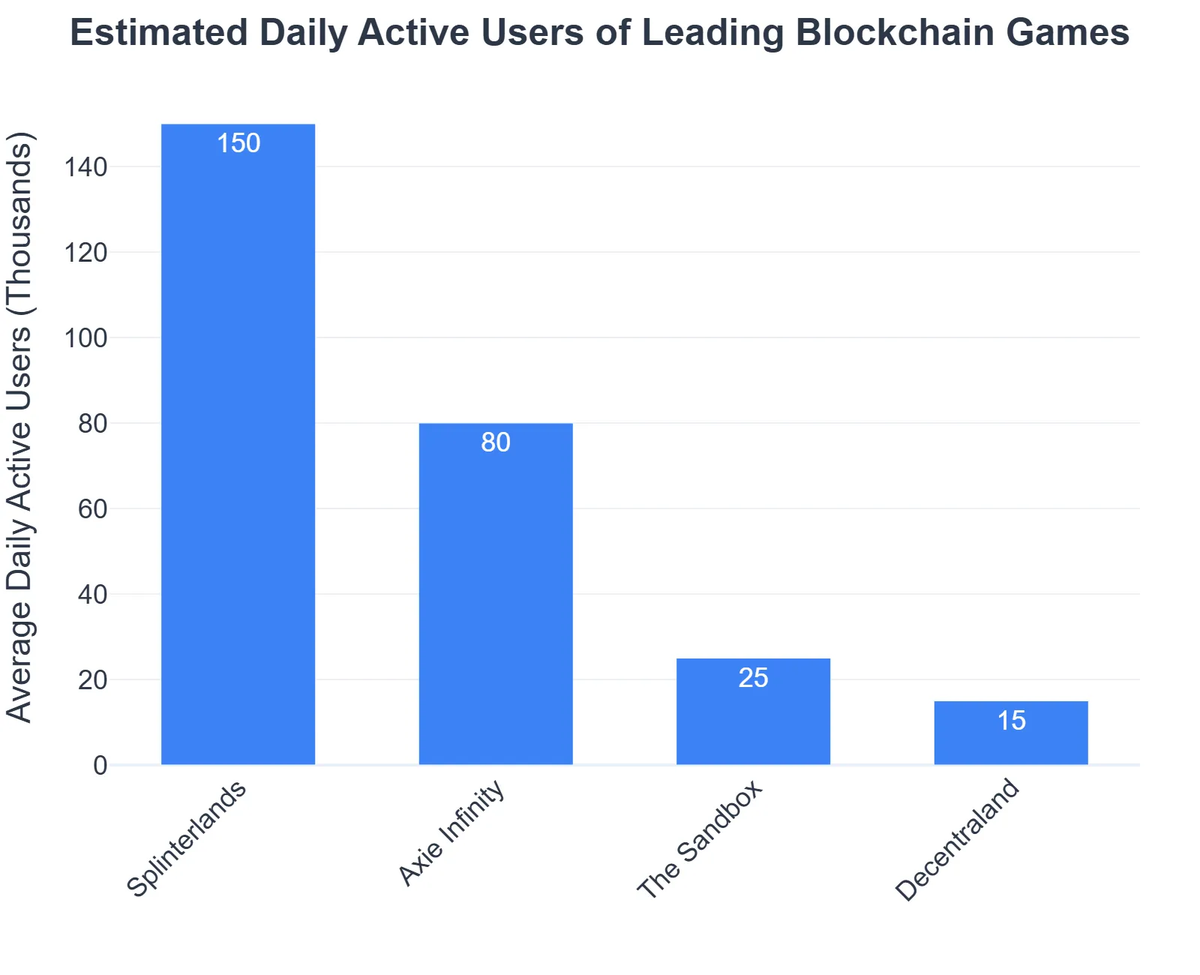
A prime example of a successful P2E game is Axie Infinity. In this game, players collect, breed, battle, and trade fantasy creatures called Axies, which are NFTs. By winning battles and completing daily quests, players earn Smooth Love Potion (SLP), an in-game cryptocurrency that can be sold on exchanges, demonstrating a tangible connection between gameplay and real-world value.
Transforming Ownership: NFTs and Digital Assets in Gaming
🖼️ True Ownership Through Non-Fungible Tokens
NFTs are digital certificates of ownership recorded on a blockchain. In cryptogaming, they represent unique in-game items, characters, or virtual land. This technology solves a long-standing problem in traditional gaming: the inability for players to truly own their digital purchases. With NFTs, players have immutable proof of ownership, meaning they can freely trade, sell, or even transfer these assets outside the game environment.
Cryptogaming: Play-to-Earn – Advantages and Disadvantages
Pros
- ✔Enables players to earn real-world value through gameplay.
- ✔Grants true digital ownership of in-game assets (NFTs).
- ✔Fosters new community-driven game development models.
- ✔Introduces innovative economic incentives for players.
Cons
- ✖High initial investment requirements and volatile asset values.
- ✖Susceptibility to scams, rug pulls, and security breaches.
- ✖Gameplay often prioritizes economic gain over enjoyment.
- ✖Scalability challenges and potential environmental impact.
🌐 The Metaverse Connection
NFTs and blockchain are also foundational to the emerging concept of the metaverse – a persistent, interconnected virtual world. Games like Decentraland showcase this vision, allowing players to buy, build on, and monetize virtual plots of land (represented as NFTs) within a decentralized metaverse. This virtual real estate can host experiences, art galleries, and even businesses, blurring the lines between gaming, social interaction, and digital commerce. The interoperability promised by blockchain could eventually allow assets from one metaverse experience to be used in another, creating a truly expansive digital economy.
Benefits and Opportunities in the Cryptogaming Landscape
✅ Empowering Players
- Financial Incentives: P2E models offer players the opportunity to earn income, transforming gaming from a pure leisure activity into a potential livelihood.
- True Ownership: NFTs provide verifiable, immutable ownership of in-game assets, giving players more control and value from their digital possessions.
- Community Governance: Many blockchain games incorporate Decentralized Autonomous Organizations (DAOs), allowing token holders to vote on game development, economic policies, and future direction.
✅ New Economic Models for Developers
- Player-Driven Economies: Decentralized marketplaces reduce developer overhead for asset management and foster vibrant, self-sustaining in-game economies.
- Innovative Monetization: Beyond traditional sales, developers can earn royalties on secondary NFT sales, creating continuous revenue streams.
- Funding Opportunities: Token sales and NFT drops can provide new avenues for funding game development, often directly from the community.
✅ Fostering Community and Interoperability
- Stronger Communities: Shared economic incentives and governance models can lead to more engaged and invested player communities.
- Cross-Game Potential: While still largely theoretical, the underlying blockchain technology offers the potential for assets to move between different games or virtual environments, fostering a more interconnected digital ecosystem.
Challenges and Criticisms Facing Cryptogaming
⚖️ Regulatory Uncertainty and Volatility
The nascent nature of cryptogaming means it often operates in a gray area regarding regulation. This uncertainty, coupled with the inherent volatility of cryptocurrency markets, can pose significant financial risks for players. Furthermore, the economic model of P2E games has drawn scrutiny, with some arguing they resemble speculative investments rather than sustainable economic systems. For a deeper understanding of the financial implications of digital assets, consider our article on Crypto Fintech: How Digital Assets are Reshaping Finance.
🚧 Scalability and Technical Hurdles
Blockchain networks, especially older ones, can struggle with the transaction volume required for a seamless gaming experience. High “gas fees” and slow transaction times can detract from gameplay. While newer Layer 2 solutions and more efficient blockchains are emerging (some of which are explored in articles like Nchain: Bitcoin SV and Blockchain Innovation), scalability remains a key challenge for widespread adoption.
📉 The “Fun Factor” Debate
A significant criticism leveled against many early P2E games is that they prioritize earning potential over engaging gameplay. Critics argue that these games often feel more like work than leisure, leading to a focus on grinding for rewards rather than genuine enjoyment. As one Reddit discussion highlights, “Some critics say blockchain games aren’t fun to play because they…” This “fun factor” is critical for long-term player retention and mainstream appeal. Developers are now focusing on creating more immersive and enjoyable experiences that naturally integrate earning mechanics.
How ‘Phoenix Games Studio’ Boosted Engagement with Play-to-Earn
❓The Challenge
Phoenix Games Studio’s new mobile RPG, ‘Chronicles of Lumina,’ suffered from low player retention and limited monetization beyond initial purchases, with players feeling their in-game efforts held no lasting value.
💡The Solution
Inspired by the play-to-earn (P2E) models discussed, Phoenix Games integrated blockchain technology into ‘Chronicles of Lumina,’ allowing players true ownership of unique in-game assets via NFTs and enabling them to earn tradeable game tokens through gameplay.
🏆The Result
Player retention rates soared by 120%, average daily active users increased by 75%, and the in-game NFT marketplace generated over $2.5 million in trading volume within the first five months.
Another concern revolves around consumer risks, including potential scams, pump-and-dump schemes, and the opaque nature of some in-game economies. As scholarly work suggests, understanding the mechanics and consumer risks associated with these games is vital (Source: AKJournals).
The Future of Gaming: What’s Next for Play-to-Earn?
💡 Evolution of Game Mechanics
The cryptogaming landscape is rapidly maturing. Future P2E titles are expected to move beyond simple “click-to-earn” models, integrating complex gameplay, compelling narratives, and high-quality graphics. The focus will shift from just earning to earning within a truly enjoyable and immersive experience. This evolution will likely see blockchain seamlessly integrated into the game’s core mechanics, rather than being an add-on.
📈 Broader Adoption and Mainstream Integration
As the technology becomes more robust and user-friendly, and as more established game developers enter the space, cryptogaming is poised for broader adoption. Simplified onboarding processes, intuitive interfaces, and clearer regulatory frameworks will be key drivers. The goal is to make blockchain components invisible to the average player, allowing them to enjoy the benefits of true ownership and earning without needing to understand the underlying technical complexities. This push towards mainstream integration aligns with the broader advancements in digital asset management and blockchain solutions, as seen with providers like ChainUP Pte Ltd: Blockchain Solutions Provider.
Recommended Video
Conclusion
Cryptogaming and the play-to-earn model represent a significant paradigm shift in the gaming industry. By leveraging blockchain technology, these games empower players with true ownership, open new economic opportunities, and foster vibrant, decentralized communities. While challenges related to scalability, regulation, and the “fun factor” persist, the rapid innovation in this space suggests a promising future.
As technology continues to advance, the line between the virtual and real economies will blur further, transforming gaming from a mere leisure activity into a dynamic, economically viable ecosystem. The impact of blockchain on gaming is not just about making money; it’s about redefining player agency, fostering true digital ownership, and building truly decentralized worlds. The journey has just begun, and the future of gaming looks distinctly more open, equitable, and player-centric.
Frequently Asked Questions
What is Play-to-Earn (P2E) gaming?
Play-to-Earn (P2E) gaming is a model where players can earn cryptocurrencies or Non-Fungible Tokens (NFTs) with real-world value through gameplay, such as completing tasks, winning battles, or trading digital assets.
How does blockchain technology impact gaming?
Blockchain technology brings transparency, security, and true digital ownership to gaming. It allows for verifiable scarcity of in-game items, enables player-owned assets (NFTs), and facilitates decentralized game economies.
Are cryptogames always free to play?
No, not all cryptogames are free to play. While some offer free entry, many Play-to-Earn games require an initial investment, often in the form of cryptocurrency or NFTs, to acquire assets needed to start playing and earning.
What role do NFTs play in cryptogaming?
NFTs (Non-Fungible Tokens) represent unique digital assets like characters, land, weapons, or cosmetics within cryptogames. They grant verifiable ownership to players, allowing them to freely trade, sell, or use these assets across compatible platforms.