Pollution’s Impact on Biodiversity: Threats to Ecosystems
Our planet teems with life, an astonishing tapestry woven from countless species interacting within intricate ecosystems. This rich variety, known as biodiversity, is fundamental to Earth’s health and our own well-being. However, a pervasive and increasingly severe threat looms large over this natural heritage: pollution. The direct and indirect consequences of pollution’s impact on biodiversity are profound, disrupting natural processes, destroying habitats, and pushing countless species to the brink.
💡 Key Takeaways
- Pollution, including chemical, plastic, and air pollution, is a primary driver of biodiversity decline globally.
- Ecosystems face widespread disruption, leading to species extinction and reduced ecological resilience.
- Addressing pollution requires concerted efforts in policy, industry, and individual consumer choices.
- Protecting biodiversity is crucial for maintaining essential ecosystem services vital for human well-being.
“From microplastics infiltrating ocean currents to industrial aerosols altering atmospheric chemistry, pollution isn’t just a local blight; it’s a profound geophysical force actively reshaping Earth’s life-sustaining systems and accelerating species loss at an alarming rate.”
— Marcus Sterling, Geophysical Explorer & Climate Dynamics Analyst
Understanding how human-generated pollutants infiltrate and degrade natural systems is crucial to safeguarding the planet’s diverse life forms. This comprehensive guide delves into the various facets of pollution, its devastating effects on biodiversity, and the critical steps we must take to mitigate this global crisis. It’s an essential read for anyone interested in Earth’s Unseen Forces: The Hidden Dynamics of Our Planet and the delicate balance that sustains life.
In This Article
- → Pollution’s Impact on Biodiversity: Threats to Ecosystems
- — 💡 Key Takeaways
- → Understanding Biodiversity and Pollution
- — What is Biodiversity?
- — Defining Pollution
- → Major Types of Pollution and Their Biodiversity Impacts
- — 💨 Air Pollution’s Silent Assault
- — 💧 Water Pollution: A Liquid Crisis
- — 🌱 Soil Pollution: The Ground Under Threat
- — ♻️ Plastic Pollution: A Global Scourge
- — 💡 Light and Noise Pollution: Hidden Disruptors
- → How Pollution Threatens Ecosystems
- — Habitat Degradation and Loss
- — Disruption of Food Webs
- — Direct Toxicity and Species Mortality
- — Increased Disease Vulnerability
- → Case Studies: Real-World Impacts of Pollution on Biodiversity
- — Coral Reefs and Ocean Acidification
- — Avian Decline from Pesticides
- — Freshwater Ecosystems Under Siege
- → The Far-Reaching Consequences of Biodiversity Loss
- — Erosion of Ecosystem Services
- — Reduced Genetic Diversity
- — Impact on Human Well-being
- → Mitigation Strategies and Conservation Efforts
- — Policy and Regulation
- — Technological Solutions
- — Individual and Community Action
- → Conclusion
Understanding Biodiversity and Pollution
To fully grasp the scope of the problem, we must first define the core concepts.
What is Biodiversity?
Biodiversity encompasses the vast array of life on Earth, from the smallest bacteria to the largest whales. It’s typically considered at three main levels:
- ✅ Genetic Diversity: The variation of genes within a species. This allows species to adapt to changing environments.
- ✅ Species Diversity: The variety of different species within a particular ecosystem or on Earth.
- ✅ Ecosystem Diversity: The variety of different ecosystems, such as forests, deserts, oceans, and wetlands.
Healthy biodiversity ensures stable ecosystems, providing essential services like clean air and water, fertile soil, and climate regulation.
Defining Pollution
Pollution refers to the introduction of harmful substances or products into the environment. These substances, or pollutants, can be natural (e.g., volcanic ash) but are overwhelmingly human-made (anthropogenic). They come in many forms and can affect air, water, and land, often with far-reaching consequences that extend across ecosystems and geographical boundaries.
Major Types of Pollution and Their Biodiversity Impacts
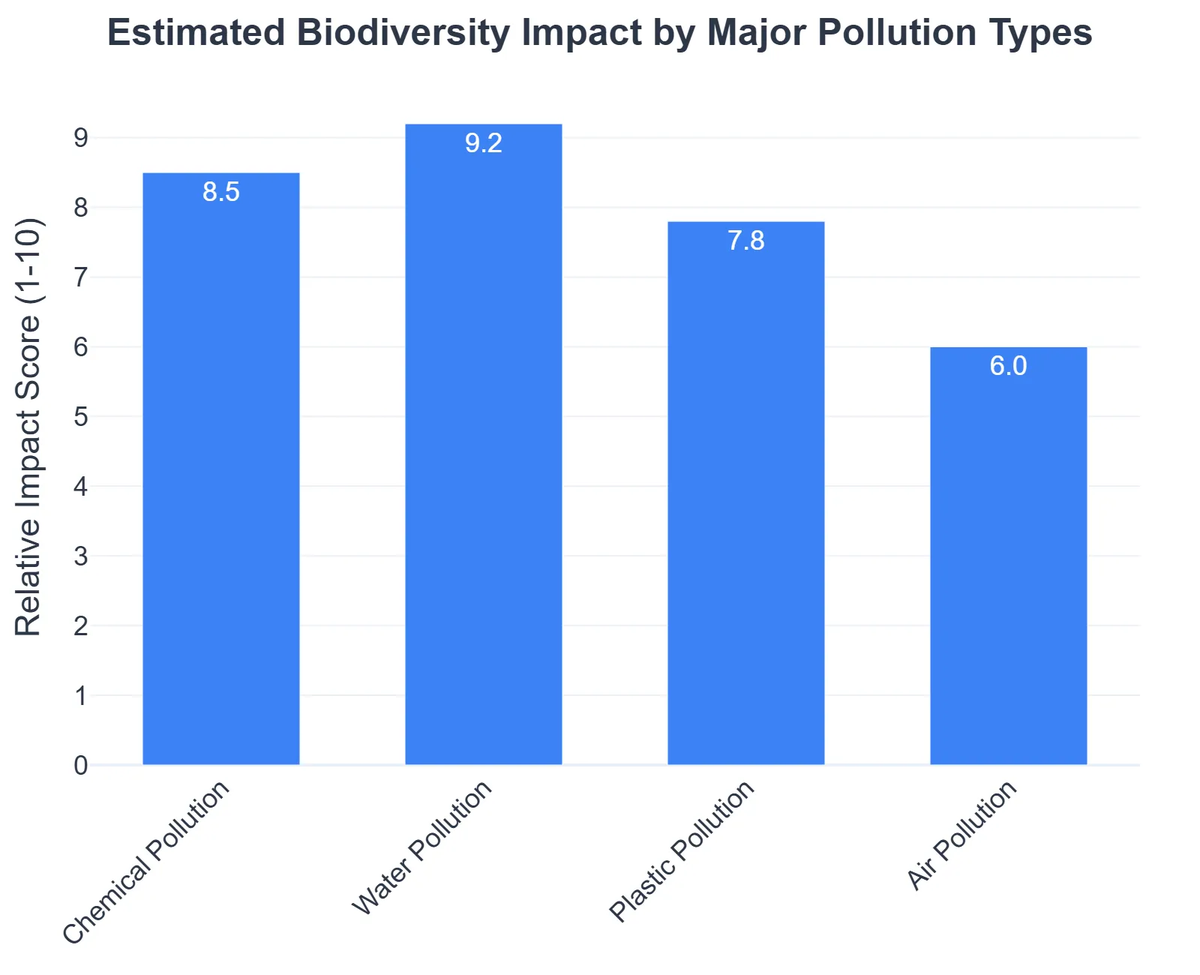
Pollution isn’t a single entity but a diverse range of contaminants, each with its unique mechanisms of harm. Here’s a look at the most significant types and their direct impact on biodiversity.
💨 Air Pollution’s Silent Assault
Air pollutants, such as sulfur dioxide, nitrogen oxides, ozone, and particulate matter, primarily originate from industrial emissions, vehicle exhausts, and agricultural activities. Their impact on ecosystems is multifaceted:
- ➡️ Acid Rain: Sulfur dioxide and nitrogen oxides react with water vapor to form acid rain, which acidifies lakes and forests, harming aquatic life and damaging trees.
- ➡️ Ozone Damage: Ground-level ozone can damage plant tissues, reduce crop yields, and weaken forests, making them more susceptible to disease.
- ➡️ Particulate Matter: Fine particles can settle on plants, blocking stomata and reducing photosynthesis, or be inhaled by animals, causing respiratory issues.
The U.S. Environmental Protection Agency (EPA) highlights how air pollution degrades ecosystems, affecting everything from soil chemistry to water quality. For more on this, see the EPA’s research on Ecosystems and Air Quality.
💧 Water Pollution: A Liquid Crisis
Water bodies are particularly vulnerable to pollution from industrial discharge, agricultural runoff, sewage, and urban waste. The consequences are dire for aquatic biodiversity:
- ➡️ Eutrophication: Excess nutrients (from fertilizers and sewage) cause algal blooms, depleting oxygen and creating “dead zones” where most aquatic life cannot survive.
- ➡️ Toxic Contaminants: Heavy metals, pesticides, and industrial chemicals can directly poison fish, amphibians, and invertebrates, accumulating in food chains.
- ➡️ Thermal Pollution: Discharge of heated water from power plants can reduce oxygen levels and stress aquatic organisms sensitive to temperature changes.
🌱 Soil Pollution: The Ground Under Threat
Pesticides, herbicides, industrial waste, and improper waste disposal contaminate soil, compromising its ability to support life:
- ➡️ Loss of Soil Microbes: Crucial microorganisms that cycle nutrients are harmed, reducing soil fertility and its capacity to support plant growth.
- ➡️ Contaminated Food Chains: Pollutants taken up by plants can enter the food chain, affecting herbivores and carnivores.
- ➡️ Habitat Degradation: Contaminated soil becomes inhospitable for burrowing animals and insects, leading to habitat loss.
♻️ Plastic Pollution: A Global Scourge
The proliferation of plastics, especially microplastics, poses a monumental threat to ecosystems, particularly marine environments. As highlighted by the Geneva Environment Network, plastics are a significant concern for biodiversity. Learn more about Ocean Ecosystems: Exploring Biomes, Biodiversity, and Threats for a deeper dive into this issue.
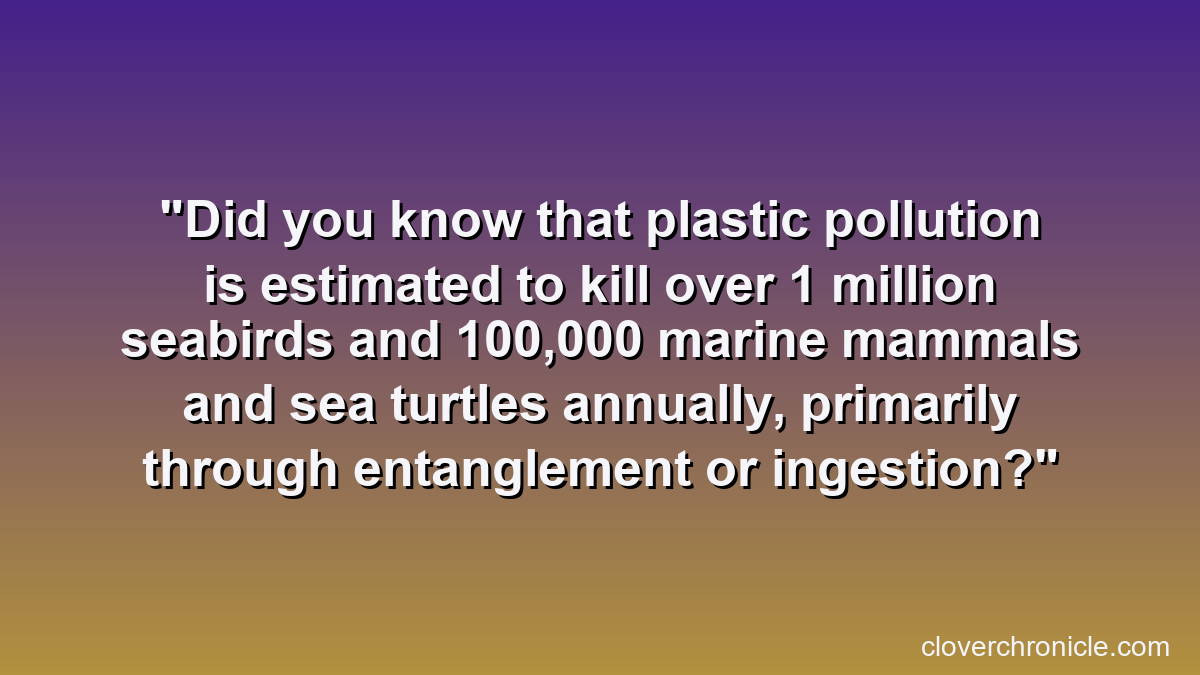
- ➡️ Entanglement and Ingestion: Animals can become entangled in plastic debris or ingest plastic fragments, leading to injury, starvation, and death.
- ➡️ Chemical Leaching: Plastics can leach harmful chemicals into the environment, affecting hormonal systems and reproductive success.
- ➡️ Microplastic Contamination: Tiny plastic particles enter the food chain, affecting organisms at all trophic levels and potentially impacting human health. See Plastics and Biodiversity for more information.
💡 Light and Noise Pollution: Hidden Disruptors
Often overlooked, light and noise pollution are increasingly recognized as significant threats to biodiversity:
- ➡️ Light Pollution: Disrupts nocturnal animal behavior (migration, foraging, reproduction), disorients birds, and impacts insect populations.
- ➡️ Noise Pollution: Interferes with animal communication (mating calls, warnings), increases stress levels, and can displace species from critical habitats.
How Pollution Threatens Ecosystems
Beyond the direct toxicity, pollution triggers a cascade of effects that destabilize entire ecosystems.

Habitat Degradation and Loss
Pollution directly destroys or renders habitats uninhabitable. Chemical spills, acid rain, and persistent organic pollutants can decimate forests, wetlands, and coral reefs, leaving species without homes or resources. This loss of suitable living space is a primary driver of species decline.
Disruption of Food Webs
When pollutants enter an ecosystem, they can bioaccumulate and biomagnify up the food chain. For example, mercury in fish or pesticides in insects can lead to poisoning and reproductive failure in predators, disrupting the delicate balance of predator-prey relationships and potentially causing trophic cascades.
Direct Toxicity and Species Mortality
Many pollutants are acutely toxic, causing immediate death or severe health issues. Oil spills, for instance, directly kill marine birds and mammals. Chronic exposure to lower levels of pollutants can lead to reduced fertility, weakened immune systems, and increased susceptibility to disease, compromising long-term survival.
Increased Disease Vulnerability
Pollution can stress organisms, weakening their immune systems and making them more vulnerable to diseases and parasites. For example, water pollution can lead to outbreaks of diseases in fish and amphibians, further reducing their populations.
Case Studies: Real-World Impacts of Pollution on Biodiversity
Examining specific examples helps illustrate the devastating reach of pollution.
Coral Reefs and Ocean Acidification
Rising atmospheric carbon dioxide, a major air pollutant, dissolves into oceans, causing ocean acidification. This lowers the pH of seawater, making it harder for marine organisms like corals and shellfish to build and maintain their calcium carbonate shells and skeletons. Coral reefs, vital biodiversity hotspots, are particularly vulnerable, leading to coral bleaching and widespread ecosystem collapse.
Avian Decline from Pesticides
The widespread use of pesticides, particularly neonicotinoids, in agriculture has been linked to significant declines in insect populations, which serve as a critical food source for many bird species. Birds directly exposed to contaminated seeds or insects suffer reproductive failure and mortality, contributing to the global avian decline.
Freshwater Ecosystems Under Siege
Freshwater systems, including rivers, lakes, and wetlands, are among the most polluted and threatened ecosystems globally. Runoff from agriculture and urban areas introduces nutrients, pesticides, and pharmaceuticals, leading to eutrophication, fish kills, and the decline of sensitive species like amphibians and freshwater mussels. This poses a significant threat to Biodiversity Conservation: Protecting Earth’s Ecosystems on a local and global scale.
The Far-Reaching Consequences of Biodiversity Loss
The loss of biodiversity due to pollution has ripple effects that extend far beyond the immediate ecosystem, impacting planetary health and human society.
Erosion of Ecosystem Services
Biodiversity underpins crucial ecosystem services that humans rely on, such as:
- 🌱 Pollination: Essential for crop production.
- 💧 Water Purification: Wetlands and healthy soils filter pollutants.
- 🌬️ Air Quality Regulation: Forests absorb carbon dioxide and release oxygen.
- 🛡️ Pest Control: Natural predators keep pest populations in check.
When pollution diminishes biodiversity, these services are degraded, leading to economic losses and reduced quality of life.
Reduced Genetic Diversity
Pollution can lead to the loss of unique genetic traits within species, making them less adaptable to future environmental changes, diseases, or climate shifts. A narrow genetic base increases the risk of extinction for entire species.
Impact on Human Well-being
Ultimately, the decline in biodiversity impacts human health and well-being. Reduced access to clean water, food security issues, the loss of potential new medicines from nature, and the psychological benefits of natural environments are all at risk when pollution erodes biodiversity. Defenders of Wildlife aptly states that pollution is one of the five major drivers of biodiversity loss, emphasizing its criticality for human prosperity. Read their perspective on Pollution, One of the Five Drivers of Biodiversity Loss.
Mitigation Strategies and Conservation Efforts
Addressing the critical issue of pollution’s impact on biodiversity requires a multi-pronged approach involving policy, technology, and individual action.
Policy and Regulation
- ➡️ Stricter Emission Standards: Implementing and enforcing tougher regulations on industrial emissions, vehicle exhausts, and agricultural runoff.
- ➡️ Waste Management: Developing robust waste management systems, including recycling, composting, and safe disposal of hazardous materials.
- ➡️ International Cooperation: Agreements and treaties to address transboundary pollution and protect shared ecosystems. The United Nations and Biodiversity: Global Conservation Efforts play a crucial role here.
Technological Solutions
- ➡️ Renewable Energy: Shifting from fossil fuels to clean energy sources reduces air pollution.
- ➡️ Advanced Filtration: Implementing better wastewater treatment technologies and air scrubbers in industrial facilities.
- ➡️ Bioremediation: Using microorganisms or plants to break down or remove pollutants from contaminated sites.
Individual and Community Action
- ➡️ Reduce, Reuse, Recycle: Minimizing personal consumption and waste generation.
- ➡️ Sustainable Choices: Opting for eco-friendly products, reducing plastic use, and supporting businesses committed to environmental responsibility.
- ➡️ Advocacy and Education: Raising awareness, supporting conservation organizations, and advocating for stronger environmental policies.
Recommended Video
Conclusion
The link between pollution and the decline of biodiversity is undeniable and profoundly concerning. From microscopic organisms to majestic megafauna, every level of life is affected by the insidious spread of contaminants through our air, water, and soil. The degradation of ecosystems, disruption of food webs, and direct harm to species underscore the urgency of this crisis.
However, the narrative is not one of despair. With concerted efforts, innovative solutions, and a global commitment to sustainable practices, we can reverse these trends. Protecting biodiversity means safeguarding the very life support systems of our planet and ensuring a healthy future for all species, including our own. It’s a shared responsibility that demands immediate and sustained action.
Frequently Asked Questions
How does pollution lead to species extinction?
Pollution contaminates habitats, poisons organisms, disrupts reproductive cycles, reduces food sources, and makes species more vulnerable to disease and other environmental stressors.
Can biodiversity recover from pollution’s effects?
While some ecosystems can recover over time with significant mitigation efforts, severe or prolonged pollution can cause irreversible damage and permanent species loss.
What actions can reduce pollution’s impact on biodiversity?
Actions include reducing waste, supporting sustainable practices, advocating for stronger environmental regulations, proper waste management, and transitioning to renewable energy.