

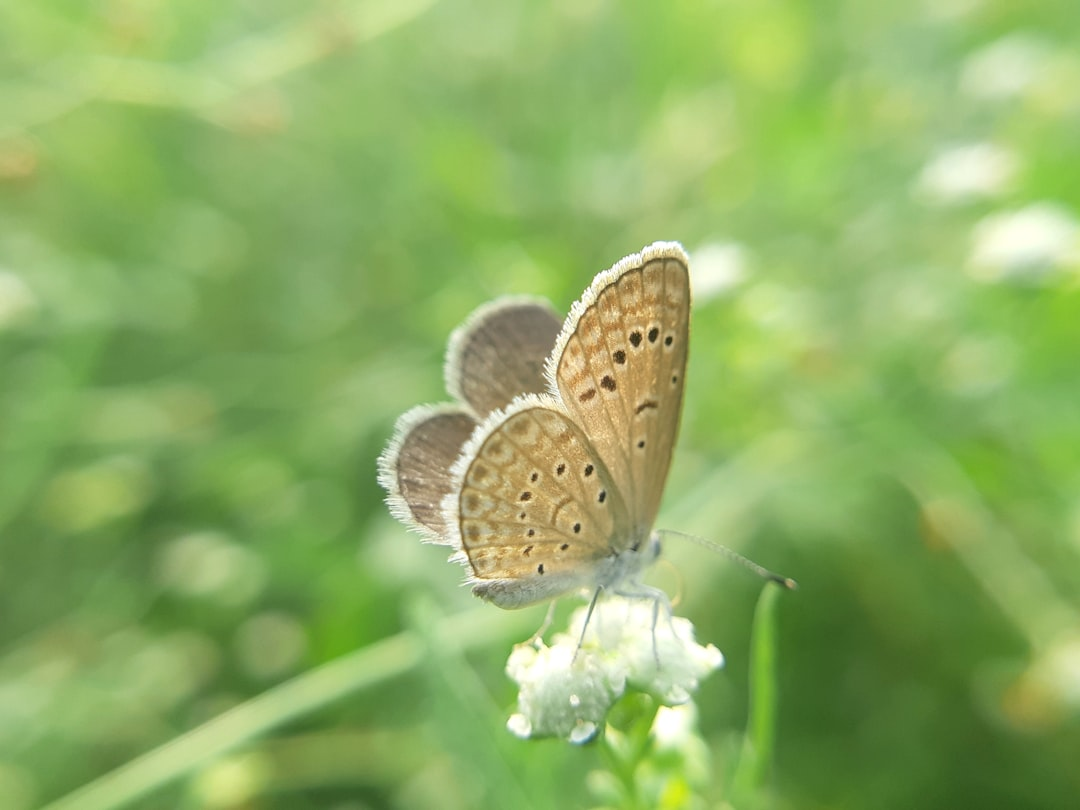
The living world teems with an astounding variety of creatures, each uniquely sculpted by the relentless forces of nature. From the smallest nematode to the largest blue whale, every animal alive today is a product of billions of years of ceaseless transformation. This intricate dance of life, known as animal evolution, is a captivating saga of diverse paths of adaptation and change.
💡 Key Takeaways
- Evolution is an ongoing process driving animal diversity.
- Adaptation to environments is a primary driver of evolutionary change.
- Natural selection plays a crucial role in shaping species over time.
- The fossil record provides key evidence of diverse evolutionary paths.
“Animal evolution is a testament to life’s extraordinary adaptability. Every creature, from the simplest to the most complex, carries within its genome the echoes of countless successful adaptations, demonstrating how life constantly reinvents itself to conquer new challenges.”
— Julian Aris, Evolutionary Biologist & Geneticist
Understanding how species arise, diversify, and persist or perish is fundamental to comprehending life itself. It’s about unraveling the profound mechanisms by which organisms hone their traits to better survive and reproduce in ever-changing environments. This deep dive will explore the core principles of adaptation and evolution within the animal kingdom, revealing the remarkable ingenuity of biological systems.
In This Article
- — 💡 Key Takeaways
- → Understanding the Fundamentals of Animal Evolution
- — What is Evolution?
- — ⚙️ Key Mechanisms Driving Evolutionary Change
- → Natural Selection: The Guiding Hand of Adaptation
- — How Natural Selection Shapes Species
- — Examples of Natural Selection in Animals
- → Diverse Paths of Adaptation: Specialization and Generalization
- — Convergent Evolution: Similar Solutions to Similar Problems
- — Divergent Evolution: Branching Out
- — 🤝 Co-evolution: An Intertwined Dance
- → Genetic Basis of Animal Adaptation
- — Mutations and Genetic Variation
- — Gene Flow and Genetic Drift
- — 🌿 Epigenetics and Environmental Influence
- → Major Evolutionary Transitions in Animal History
- — From Water to Land: The Vertebrate Journey
- — The Evolution of Flight
- — 👁️ Sensory Adaptation
- → The Role of Environment in Shaping Animal Diversity
- — Climate Change and Adaptation
- — Habitat Specialization
- → Challenges and Future of Animal Evolution
- — Human Impact on Evolutionary Trajectories
- — Rapid Evolution in Response to Pressure
- → Conclusion
Understanding the Fundamentals of Animal Evolution
Animal evolution is not a linear march towards perfection, but rather a branching, complex tree of life, constantly influenced by genetic variation, environmental pressures, and random chance.
What is Evolution?
At its heart, evolution is the process by which populations of organisms change over successive generations. These changes are driven by alterations in the genetic makeup of populations, leading to new traits and, over vast timescales, new species. It’s a continuous, dynamic process that ensures life’s enduring resilience and adaptability.
⚙️ Key Mechanisms Driving Evolutionary Change
- ✅ Natural Selection: The differential survival and reproduction of individuals due to differences in phenotype. This is arguably the most powerful engine of adaptation.
- ➡️ Mutation: Random changes in the DNA sequence, serving as the ultimate source of new genetic variation upon which selection can act.
- 💡 Genetic Drift: Random fluctuations in gene frequencies from one generation to the next, particularly significant in small populations.
- 🔄 Gene Flow: The transfer of genetic material from one population to another, often occurring through migration, which can introduce new alleles and reduce genetic differences between groups.
For a more general overview of how life adapts and transforms, consider exploring our article on Evolutionary Change: How Life Adapts and Transforms.
Natural Selection: The Guiding Hand of Adaptation
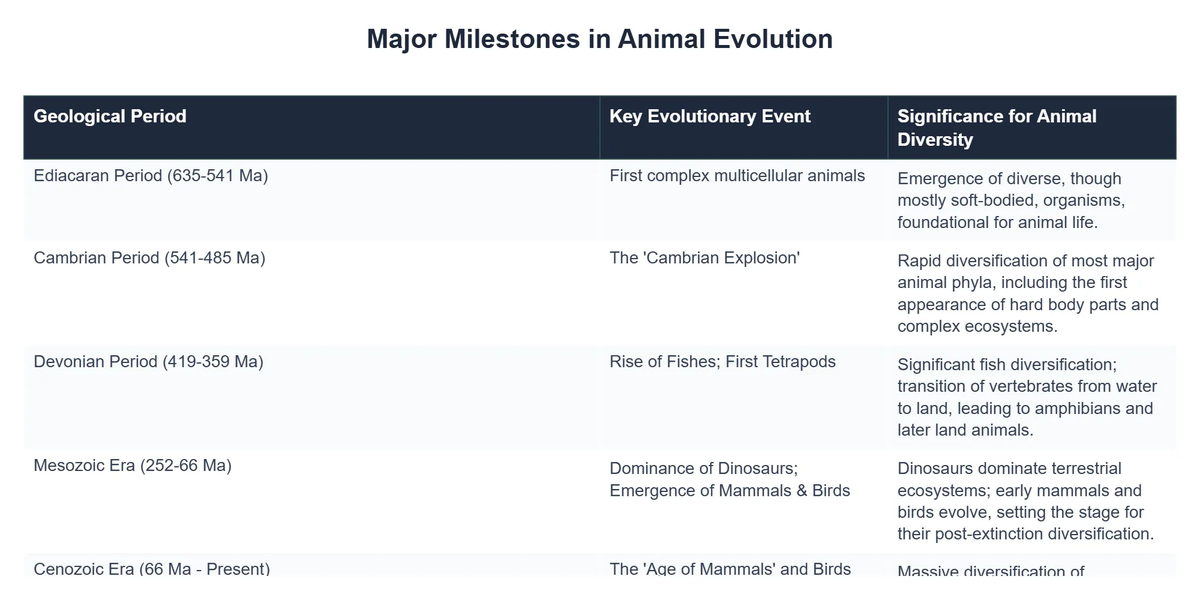
Central to animal evolution is the concept of natural selection, eloquently articulated by Charles Darwin. It’s not a conscious process, but rather an outcome of the struggle for existence.
How Natural Selection Shapes Species
The process works like this:
- 🧬 Variation: Individuals within a population exhibit variation in their traits.
- ⚔️ Competition: Resources are limited, leading to competition for survival.
- 🌿 Heritability: Many of these traits are heritable, meaning they can be passed from parents to offspring.
- 🏆 Differential Survival & Reproduction: Individuals with traits that are better suited to their environment are more likely to survive and reproduce, passing on those advantageous traits.
Over generations, these advantageous traits become more common in the population, leading to the gradual adaptation of the species to its environment.
Examples of Natural Selection in Animals
- 🦋 Peppered Moths: A classic case where industrial pollution in England led to a shift in moth coloration from light to dark, as dark moths were better camouflaged on soot-covered trees.
- 🦎 Darwin’s Finches: The diverse beak shapes of finches on the Galápagos Islands, adapted to different food sources, powerfully illustrate how natural selection can lead to speciation.
- 💊 Antibiotic Resistance in Bacteria: Though not animals, this is a prime example of rapid evolution driven by selective pressure, highlighting the same principles at play in animals. For more on this, see Bacterial Evolution: Adaptation, Resistance, and Survival.
For more specific illustrations of this principle, delve into our comprehensive guide on Evolution Examples: 10 Cases of Natural Selection.
Diverse Paths of Adaptation: Specialization and Generalization
Evolutionary paths are incredibly varied, leading to a stunning array of life forms. Animals can specialize to exploit narrow niches or generalize to thrive in a broader range of conditions.
Convergent Evolution: Similar Solutions to Similar Problems
Sometimes, distantly related species evolve similar traits independently because they face similar environmental challenges. This is known as convergent evolution. A classic example is the streamlined body shape of dolphins (mammals), sharks (fish), and ichthyosaurs (extinct reptiles), all adapted for efficient movement through water.
Divergent Evolution: Branching Out
In contrast, divergent evolution occurs when related species evolve different traits due to differing environmental pressures. The diverse limbs of vertebrates—from the wing of a bat to the flipper of a whale and the leg of a horse—all share a common ancestral structure but have diverged to serve vastly different functions. This process is a key driver of life’s incredible variety, as discussed in Adaptation and Evolution: The Engine of Life’s Diversity.
🤝 Co-evolution: An Intertwined Dance
Co-evolution is when two or more species reciprocally influence each other’s evolution. This often occurs in predator-prey relationships, host-parasite interactions, or mutualistic partnerships. For instance, the long beaks of certain hummingbirds co-evolved with the deep tubes of the flowers they pollinate.
Genetic Basis of Animal Adaptation
At the heart of every adaptation lies the genetic code. Changes in DNA are the raw material for evolutionary processes.
Mutations and Genetic Variation
Mutations are random changes in an organism’s DNA. While many are neutral or harmful, some can be beneficial, providing the raw material for natural selection to act upon. This continuous generation of genetic variation is crucial for populations to adapt to new challenges. The causes of repeated genetic evolution are complex, often stemming from these underlying genetic mechanisms (Source: ScienceDirect).
How ‘SynergyTech’ Adapted and Thrived in a Dynamic Market
❓The Challenge
SynergyTech’s initial product, a collaboration tool, was struggling to gain traction and retain users amidst rapidly evolving competitor offerings, leading to a plateau in growth and increasing churn.
💡The Solution
Adopting an ‘evolutionary’ approach, SynergyTech implemented rapid, iterative product development cycles. They treated new features as ‘mutations,’ allowing market feedback and user engagement data to act as ‘natural selection’ to quickly identify and scale ‘adaptive’ functionalities while phasing out less successful ones.
🏆The Result
Within 10 months, SynergyTech successfully reduced its monthly churn rate by 20% and increased its active user base by 35% through continuous product-market adaptation.
Gene Flow and Genetic Drift
Gene flow introduces new genetic variants into a population, increasing its overall diversity. Conversely, genetic drift, especially prominent in small populations, can lead to random changes in gene frequencies, sometimes reducing genetic diversity and making a population more vulnerable to environmental shifts. For more details on how genes drive change, explore Animals Evolving: Adaptation and Genetic Change.
🌿 Epigenetics and Environmental Influence
Beyond direct DNA sequence changes, epigenetics plays a fascinating role. Epigenetic modifications alter gene expression without changing the underlying DNA sequence. These changes can be influenced by environmental factors and, in some cases, even inherited, offering another layer of flexibility in how organisms adapt (Source: PubMed).
Major Evolutionary Transitions in Animal History
The history of animal life is punctuated by pivotal evolutionary innovations that opened up entirely new possibilities and ecosystems.
From Water to Land: The Vertebrate Journey
One of the most monumental transitions was the movement of vertebrates from aquatic environments to land. This involved developing lungs, robust limbs capable of supporting weight, and mechanisms to prevent desiccation. The discovery of fossil intermediates like Tiktaalik roseae provides compelling evidence of this journey, bridging the gap between fish and early tetrapods.
The Evolution of Flight
Flight has independently evolved multiple times in animals: in insects, birds, and bats. Each group developed wings from different anatomical structures, showcasing different evolutionary paths to achieving the same challenging feat. This highlights the diverse evolutionary paths to functional solutions (Source: PMC NCBI).

👁️ Sensory Adaptation
The evolution of complex sensory organs—eyes, ears, olfaction—has profoundly shaped animal behavior and survival. From the compound eyes of insects to the echolocation of bats and dolphins, these adaptations allow animals to perceive and navigate their world with incredible precision.
For a deeper understanding of how body structures evolve, consider our article on Anatomy and Evolution: Decoding Life’s Blueprint.
The Role of Environment in Shaping Animal Diversity
The environment is the ultimate arbiter of evolutionary success. Climate, geology, and the presence of other species all exert powerful selective pressures.
Climate Change and Adaptation
Throughout Earth’s history, dramatic climate shifts have driven significant evolutionary responses. Animals adapt to temperature extremes, changes in precipitation, and altered food availability. Species that cannot adapt often face extinction.
Habitat Specialization
Animals often specialize to particular habitats, leading to unique adaptations. For example, desert animals develop physiological mechanisms to conserve water, while Arctic animals evolve thick fur or blubber for insulation. This specialization contributes significantly to biodiversity.
Challenges and Future of Animal Evolution
While evolution is an ongoing process, the current era presents unprecedented challenges to animal populations.
Human Impact on Evolutionary Trajectories
Human activities, including habitat destruction, pollution, climate change, and selective breeding, are powerful evolutionary forces. We are inadvertently (and sometimes intentionally) shaping the evolutionary paths of countless species, often accelerating rates of change or driving declines.
Rapid Evolution in Response to Pressure
In some cases, animals are demonstrating remarkably rapid evolutionary responses to human-induced pressures. This includes the development of resistance to pesticides or pollutants, or behavioral shifts in urban environments. Understanding these rapid changes is crucial for conservation efforts.
Ultimately, the story of animal evolution is a testament to life’s incredible plasticity and resilience. It’s a continuous narrative of transformation, driven by the fundamental principles of The Code of Life: Decoding Genetics, Evolution, and Existence.
Recommended Video
Conclusion
Animal evolution: diverse paths of adaptation and change is an awe-inspiring subject that reveals the profound mechanisms governing life on Earth. From the subtle shifts in gene frequencies to the grand transitions that define entire eras, every animal we observe is a living testament to billions of years of refinement, struggle, and triumph.
Understanding these evolutionary processes is not merely an academic exercise; it’s crucial for conservation, medicine, and our comprehension of biodiversity. As environments continue to change, the capacity for adaptation remains vital, highlighting the enduring power of natural selection and the intricate genetic tapestry that underpins all life.
Frequently Asked Questions
What is animal evolution?
Animal evolution refers to the gradual process by which animal populations change over successive generations, driven by mechanisms like natural selection, mutation, genetic drift, and gene flow, leading to new species.
How does adaptation contribute to evolution?
Adaptation is a key outcome of evolution, where organisms develop traits that increase their survival and reproductive success in a specific environment. These advantageous traits are then passed down, contributing to the species’ long-term change.
What are some key pieces of evidence for animal evolution?
Evidence for animal evolution comes from various sources, including the fossil record, comparative anatomy (homologous structures), embryology, molecular biology (DNA similarities), and biogeography.
Can humans observe evolution happening today?
Yes, while large-scale evolutionary changes take immense periods, microevolutionary changes (like antibiotic resistance in bacteria or beak size changes in finches due to drought) can be observed within human lifetimes or over short scientific study periods.