


Coral Reef Biodiversity: Exploring Underwater Wonders
Dive deep into the vibrant, complex, and critically important world of coral reefs. These underwater cities are not just breathtakingly beautiful; they are powerhouses of life, supporting a phenomenal array of species. Understanding and protecting their unique biodiversity is crucial for the health of our planet’s marine ecosystems.
💡 Key Takeaways
- Coral reefs are vital hotspots of marine biodiversity, supporting a quarter of all known marine species.
- Their complex structures provide habitat, food, and protection for countless organisms.
- Reef health is critical for coastal protection, fisheries, and global climate regulation.
- Conservation efforts are essential to protect these fragile ecosystems from threats like climate change and pollution.
“The genetic blueprint within coral polyps, and the evolutionary dance between coral and its symbiotic algae, truly underpins the astonishing biodiversity we witness in these underwater cities. It’s a testament to millions of years of adaptation.”
— Julian Aris, Evolutionary Biologist & Geneticist
Coral reefs represent some of the most diverse and valuable ecosystems on Earth, often referred to as the “rainforests of the sea” due to their incredible species richness. This article will explore the intricate layers of coral reef biodiversity, highlight their immense value, identify the threats they face, and outline the vital conservation efforts underway to protect these underwater wonders.
In This Article
- → Coral Reef Biodiversity: Exploring Underwater Wonders
- — 💡 Key Takeaways
- → What Are Coral Reefs? The Architects of Underwater Life
- — Symbiotic Relationship with Algae
- → The Astonishing Biodiversity of Coral Reefs
- — 🐠 A Kaleidoscope of Marine Life
- → Why Coral Reef Biodiversity Matters
- — 🌊 Ecological Significance
- — 💰 Economic & Social Value
- → Threats to Coral Reefs: A Call for Action ⚠️
- — 🌡️ Climate Change & Ocean Acidification
- — Pollution & Overfishing
- → Coral Conservation Efforts: A Global Imperative 🌱
- — 🌍 Major Conservation Players
- — Key Conservation Strategies
- → How You Can Contribute to Coral Reef Conservation
- — Actionable Steps for Individuals
- → The Future of Coral Reefs: Hope Through Action
What Are Coral Reefs? The Architects of Underwater Life
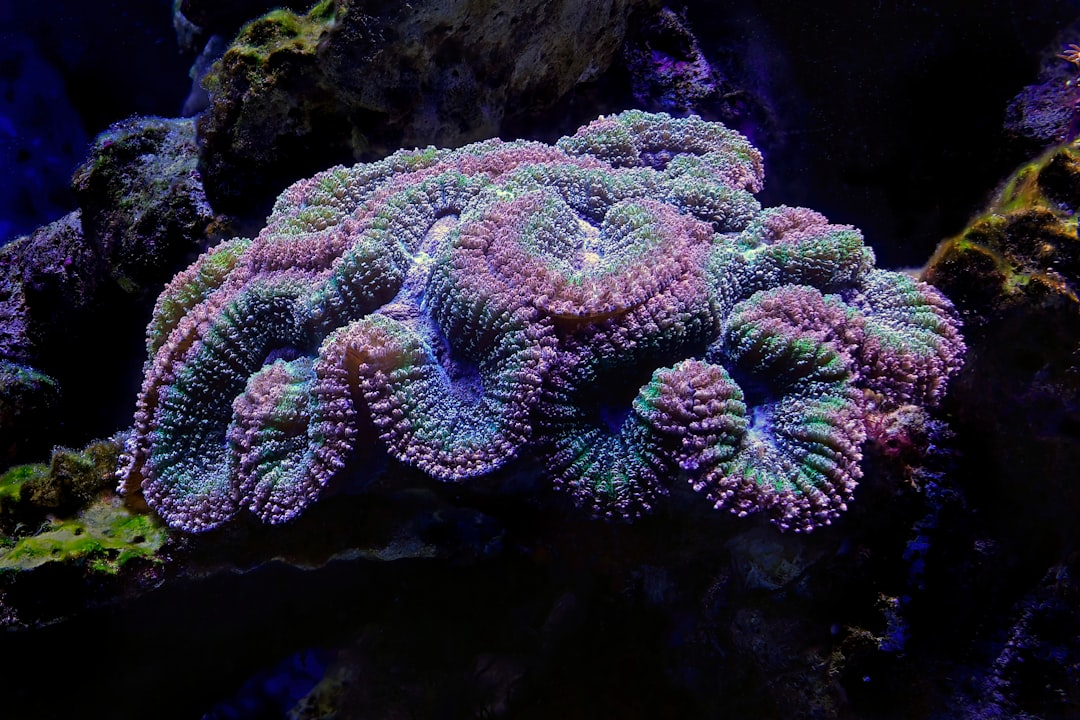
At their core, coral reefs are massive underwater structures built by colonies of tiny animals called polyps. These polyps secrete calcium carbonate, forming hard, stony skeletons that accumulate over thousands of years, creating the complex structures we know as reefs.
Symbiotic Relationship with Algae
- ✨ Zooxanthellae: Coral polyps have a symbiotic relationship with microscopic algae called zooxanthellae, which live within their tissues.
- ☀️ Photosynthesis: The algae perform photosynthesis, providing the coral with vital nutrients (up to 90% of their energy needs) and giving the coral its vibrant colors.
- 🏗️ Reef Growth: This energy fuels the coral’s growth, enabling the construction of the vast reef structures.
The health of this symbiotic relationship is fundamental to the existence and growth of coral reefs, underpinning their ability to support such high levels of biodiversity.
The Astonishing Biodiversity of Coral Reefs
Coral reefs cover less than 1% of the ocean floor but provide habitat for more than 25% of all marine species. This makes them unparalleled hotspots of biodiversity, critical for the survival of countless organisms.
🐠 A Kaleidoscope of Marine Life
The intricate structure of reefs offers a multitude of niches for marine organisms, from the smallest invertebrates to large predators. This structural complexity is a primary driver of the high species diversity.

- 🐟 Fish Species: Thousands of fish species, from tiny gobies to majestic sharks, rely on reefs for food, shelter, and breeding grounds.
- 🦀 Invertebrates: A staggering variety of invertebrates, including crabs, lobsters, shrimp, starfish, sea urchins, and mollusks, are integral to the reef ecosystem.
- 🐢 Reptiles: Many species of sea turtles forage and nest near coral reefs.
- 🦈 Sharks & Rays: Reefs serve as critical hunting grounds and nurseries for various shark and ray species, maintaining the balance of the food web.
- 🐚 Other Corals: Beyond the hard, stony corals, soft corals, sea fans, and anemones add to the structural and biological complexity.
For a detailed exploration of the sheer variety of life that exists globally, consider reading our insights on Animal Biodiversity: Exploring the Wild Tapestry.
Why Coral Reef Biodiversity Matters
The importance of coral reef biodiversity extends far beyond their aesthetic appeal. They provide invaluable ecological and economic services globally.
🌊 Ecological Significance
- 🏠 Habitat & Nurseries: Reefs serve as vital breeding grounds and nurseries for a quarter of all marine life, including many commercially important fish species.
- 🛡️ Coastal Protection: They act as natural barriers, protecting coastlines from erosion, storm surges, and tsunamis, safeguarding communities and infrastructure.
- 🔄 Nutrient Cycling: Reefs play a crucial role in marine nutrient cycles, converting carbon dioxide into oxygen and contributing to the overall health of the ocean.
- 🔬 Scientific Research: The unique biochemistry of reef organisms is a treasure trove for scientific discovery, potentially leading to new medicines and biotechnological advancements.
💰 Economic & Social Value
- 🎣 Fisheries: Reefs support productive fisheries that provide food security and livelihoods for millions of people worldwide.
- 🏖️ Tourism: They drive significant tourism economies through diving, snorkeling, and recreational fishing, creating jobs and revenue.
- 💡 Cultural Heritage: For many coastal communities, reefs are intertwined with their cultural identity, traditions, and spiritual beliefs.
The intricate web of life within these reefs highlights the fundamental principles of The Code of Life: Decoding Genetics, Evolution, and Existence, where diversity drives resilience.
Threats to Coral Reefs: A Call for Action ⚠️
Despite their resilience and importance, coral reefs worldwide are facing unprecedented threats, primarily due to human activities. Understanding these challenges is the first step towards effective coral conservation.
🌡️ Climate Change & Ocean Acidification
- 🔥 Ocean Warming: Rising ocean temperatures cause coral bleaching, where corals expel their symbiotic algae, leading to starvation and death if temperatures remain high.
- 🧪 Ocean Acidification: Increased absorption of atmospheric CO2 by oceans leads to acidification, which makes it harder for corals and other shell-forming organisms to build and maintain their calcium carbonate skeletons.
Pollution & Overfishing
- 🗑️ Marine Pollution: Runoff from land-based activities (sediment, fertilizers, pesticides), plastic pollution, and direct discharge of waste degrade water quality and smother corals.
- 🎣 Destructive Fishing Practices: Practices like bottom trawling, blast fishing, and cyanide fishing directly damage reef structures and decimate fish populations, disrupting the delicate balance of the ecosystem.
- 🚢 Physical Damage: Anchor damage, irresponsible tourism, and direct contact from divers can cause significant harm to fragile coral structures.
These threats underscore the urgent need for comprehensive strategies, similar to those discussed for Restoring Biodiversity: Key Strategies for Ecosystem Recovery.
Coral Conservation Efforts: A Global Imperative 🌱
Protecting coral reefs requires a multifaceted approach involving global collaboration, local action, scientific research, and public education. Numerous organizations and initiatives are dedicated to coral conservation.
🌍 Major Conservation Players
- 💚 WWF Marine Conservation: Organizations like the World Wide Fund for Nature (WWF) are at the forefront, implementing marine conservation programs globally. Their work includes establishing marine protected areas, advocating for sustainable fisheries, and combating illegal wildlife trade.
- 🏊 PADI Coral Reef Conservation Specialty: Dive organizations like PADI offer specialized courses such as the PADI Coral Reef Conservation Specialty, educating divers on the importance of reefs and how to protect them through responsible diving practices and active participation in conservation efforts.
- 🔬 Oceanic Research Institutes: Academic and research bodies worldwide, including various Oceanic Research Institutes, are crucial. They conduct vital research into coral biology, resilience, restoration techniques, and the impacts of climate change, providing the scientific basis for effective conservation strategies.
- 🤝 Community-Based Initiatives: Many local communities are actively involved in reef monitoring, restoration projects (like coral gardening), and sustainable tourism initiatives.
Key Conservation Strategies
- ✅ Marine Protected Areas (MPAs): Establishing and effectively managing MPAs helps protect critical reef habitats from destructive activities.
- ➡️ Sustainable Fisheries Management: Implementing quotas, size limits, and gear restrictions to ensure fish populations remain healthy and support reef ecosystems.
- 💡 Pollution Reduction: Addressing land-based sources of pollution through improved wastewater treatment, sustainable agriculture, and reduced plastic use.
- 🌱 Coral Restoration: Active restoration efforts, such as coral nurseries and outplanting, help accelerate the recovery of damaged reefs.
- 🗣️ Education & Awareness: Raising public awareness about the threats to reefs and the importance of conservation, encouraging responsible tourism and consumer choices.
How You Can Contribute to Coral Reef Conservation
Every individual has a role to play in protecting these invaluable ecosystems. Your actions, no matter how small, can collectively make a big difference.
Actionable Steps for Individuals
- 🐠 Be a Responsible Tourist: When visiting reef areas, choose eco-friendly tour operators, avoid touching or standing on corals, and use reef-safe sunscreen.
- ♻️ Reduce Your Carbon Footprint: Support renewable energy, reduce energy consumption, and minimize travel to help mitigate climate change and ocean acidification.
- 💧 Mind Your Waste: Reduce, reuse, and recycle. Prevent plastics and other pollutants from entering waterways that lead to the ocean.
- 🍽️ Make Sustainable Seafood Choices: Choose seafood that is caught or farmed in an environmentally responsible manner. Use guides like those from the Marine Stewardship Council.
- 🗣️ Educate Yourself & Others: Learn more about coral reefs and share your knowledge with friends, family, and your community. Support policies that protect marine environments.
- 💸 Support Conservation Organizations: Donate to or volunteer with reputable organizations dedicated to coral reef research and conservation, such as those mentioned above.
Every effort contributes to the global challenge of Global Biodiversity: Challenges and Conservation.
Recommended Video
The Future of Coral Reefs: Hope Through Action
The state of coral reefs is a critical indicator of our planet’s health. While the challenges are immense, ongoing research, dedicated conservation efforts, and increasing global awareness offer hope for their future. The resilience of life, as explored in the vast topic of genetics and evolution, provides a foundation for the potential recovery of these precious ecosystems.
By understanding the intricate biodiversity they harbor and committing to meaningful action, we can ensure that future generations will also be able to explore the underwater wonders of vibrant, thriving coral reefs.
Frequently Asked Questions
What makes coral reefs so biodiverse?
Their complex physical structures provide a multitude of niches, and the symbiotic relationships between corals and algae create highly productive environments, supporting a vast array of life.
How do coral reefs benefit humans?
Coral reefs protect coastlines from erosion, support major fisheries that feed millions, contribute significantly to tourism economies, and are sources for new medicines and scientific discoveries.
What are the biggest threats to coral reefs?
Major threats include climate change (leading to ocean warming and acidification), pollution from land-based sources, overfishing, and destructive fishing practices that physically damage the reefs.
Can coral reefs recover from damage?
While resilient, the recovery of coral reefs can be very slow, taking decades or even centuries depending on the scale of damage. Significant reduction of ongoing stressors is crucial for their recuperation.