
Genetically Modified Organisms (GMOs): A Comprehensive Guide
In the intricate tapestry of life, the ability to decode and manipulate genetic information stands as one of humanity’s most profound achievements. At the forefront of this biotechnological revolution are genetically modified organisms (GMOs) – living beings whose genetic material has been altered using genetic engineering techniques. From enhancing crop resilience to developing life-saving medicines, GMOs have become an indelible part of our modern world, sparking both hope and debate.
💡 Key Takeaways
- GMOs involve precise genetic changes to organisms, primarily crops, for desired traits.
- They offer potential benefits like increased yield, pest resistance, and enhanced nutrition.
- Safety and environmental impacts of GMOs are extensively studied and remain subjects of ongoing debate.
- Regulatory bodies worldwide oversee GMO development and approval processes.
“GMO technology represents a powerful extension of natural selection, allowing us to accelerate adaptive changes in organisms, potentially addressing global challenges like food security and climate resilience through targeted genetic improvements.”
— Julian Aris, Evolutionary Biologist & Geneticist
This comprehensive guide will demystify GMOs, exploring the science behind their creation, their diverse applications, the rigorous safety assessments they undergo, and their potential to shape the future of agriculture and existence itself. Our goal is to provide the clearest, most practical, and fact-based resource on the internet for understanding this pivotal area of science.
In This Article
- → Genetically Modified Organisms (GMOs): A Comprehensive Guide
- — 💡 Key Takeaways
- → What Exactly Are Genetically Modified Organisms (GMOs)? 🧬
- — ⚙️ The Science Behind Genetic Modification
- — 📜 A Brief History of GMOs
- → Common Applications and Examples of GMOs 🌱
- — 🌽 Genetically Modified Crops: The Core Application
- — 🧪 Beyond Plants: Other GMO Applications
- → The Benefits of Genetically Modified Organisms 📈
- — 🌾 Enhanced Crop Traits
- — 🌍 Environmental Advantages
- — 🍎 Nutritional Improvements
- → Addressing Concerns: GMO Safety and Regulation 🔬
- — 🧪 Scientific Consensus on GMO Safety
- — ⚖️ Regulatory Frameworks Worldwide
- — 🛒 Understanding the Non-GMO Label
- → The Future of GMOs and Agriculture 🌐
- — 🔬 Emerging Technologies in Genetic Engineering
- — 🌱 GMOs and Global Food Security
- → Conclusion: Decoding the Future of Life
What Exactly Are Genetically Modified Organisms (GMOs)? 🧬
At its core, a genetically modified organism is any organism (plant, animal, or microorganism) whose DNA has been altered in a way that does not occur naturally by mating and/or natural recombination. This precise manipulation allows scientists to introduce specific traits, enhance existing ones, or remove undesirable characteristics.
⚙️ The Science Behind Genetic Modification
Genetic modification, often referred to as genetic engineering, involves the direct manipulation of an organism’s genes. Unlike traditional breeding methods, which rely on the slow process of sexual reproduction to combine desired traits, genetic engineering allows for the targeted transfer of specific genes between organisms, even across different species.
- ✅ Gene Isolation: Identifying and isolating a gene responsible for a desired trait (e.g., pest resistance, increased nutrient content).
- ➡️ Gene Insertion: Using various techniques (like gene guns or bacterial plasmids) to insert this isolated gene into the DNA of the target organism.
- 💡 Transformation: Ensuring the new gene is successfully integrated into the host organism’s genome and is expressed.
For a deeper understanding of the molecular mechanics involved, advanced biotechnology textbooks provide detailed insights into gene editing tools like CRISPR-Cas9, which are revolutionizing the precision and efficiency of genetic modification.
📜 A Brief History of GMOs
The journey of GMOs began in the 1970s with the first successful genetic engineering experiments. By the 1980s, genetically modified bacteria were producing human insulin, marking a significant medical breakthrough. The 1990s saw the commercialization of the first genetically modified crops, primarily designed for herbicide tolerance and insect resistance. Since then, the field has expanded rapidly, driven by continuous advancements in our understanding of genetics and molecular biology.
Common Applications and Examples of GMOs 🌱
While the term GMO often conjures images of modified corn and soy, the applications of genetically modified organisms extend far beyond staple crops, influencing various sectors from medicine to environmental remediation.
🌽 Genetically Modified Crops: The Core Application
The most widespread application of GMO technology is in agriculture, leading to the development of numerous genetically modified crops. These crops are engineered to possess traits that improve agricultural productivity, reduce reliance on pesticides, and enhance nutritional value.
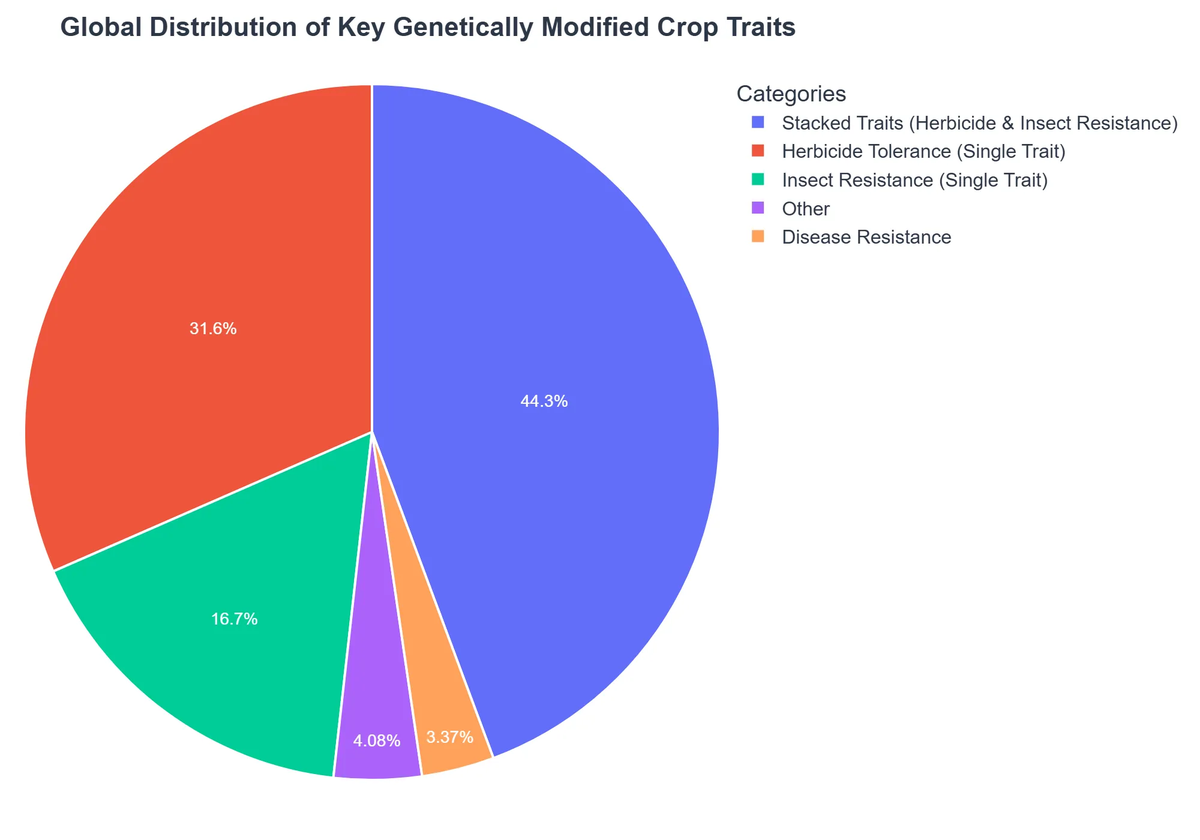
- ✅ Herbicide Tolerance: Crops like Roundup Ready soybeans and corn are engineered to withstand specific herbicides, allowing farmers to control weeds without harming their crops.
- ➡️ Insect Resistance: Bt crops (e.g., corn, cotton) produce a protein from the bacterium Bacillus thuringiensis, which is toxic to certain insect pests, reducing the need for chemical insecticides.
- 💡 Disease Resistance: Papayas resistant to the ringspot virus or potatoes resistant to late blight are examples of crops engineered to combat devastating plant diseases.
To learn more about specific examples and their impact, you can explore detailed articles on Genetically Modified Food Examples and Their Impact and research published in leading agricultural science journals.
🧪 Beyond Plants: Other GMO Applications
The scope of genetic modification extends beyond the plant kingdom:
- ✅ Medicine: Genetically engineered microorganisms produce vital pharmaceuticals like insulin, human growth hormone, and vaccines.
- ➡️ Bioremediation: Microorganisms can be engineered to break down pollutants, aiding in environmental clean-up efforts.
- 💡 Research: Genetically modified animals (e.g., mice) serve as critical models for studying human diseases and testing new therapies.
For a comprehensive look at how genetic modification impacts various life forms, see our guide on Genetically Modified Plants and Animals: Beyond Corn.
The Benefits of Genetically Modified Organisms 📈
The development of GMOs stems from a desire to address significant global challenges, particularly in food production, public health, and environmental sustainability. The benefits are multifaceted and well-documented.
🌾 Enhanced Crop Traits
GMO technology has significantly boosted agricultural efficiency and resilience:
- ✅ Increased Yields: By protecting crops from pests, diseases, and weeds, GMOs help achieve higher harvests per acre.
- ➡️ Reduced Crop Losses: Less damage from environmental stressors or biological threats means more food makes it to market.
- 💡 Adaptability: Development of crops that can thrive in challenging conditions like drought-prone areas or saline soils.
🌍 Environmental Advantages
The adoption of certain GM crops has also brought about environmental benefits:
- ✅ Reduced Pesticide Use: Insect-resistant Bt crops have led to a significant decrease in the application of broad-spectrum insecticides.
- ➡️ Conservation Tillage: Herbicide-tolerant crops facilitate no-till farming practices, which reduce soil erosion, conserve moisture, and lower fuel consumption for machinery.
- 💡 Lower Carbon Footprint: Reduced need for tilling and fewer pesticide sprays can contribute to lower greenhouse gas emissions.
🍎 Nutritional Improvements
Beyond traditional agricultural traits, genetic modification also offers the potential to improve the nutritional content of food:
Genetically Modified Organisms (GMOs): Pros and Cons
Pros
- ✔Increased crop yields and improved food security.
- ✔Enhanced nutritional content and extended shelf life.
- ✔Reduced need for certain pesticides and herbicides.
- ✔Improved resistance to pests, diseases, and environmental stresses.
Cons
- ✖Potential for unintended environmental impacts and gene flow.
- ✖Concerns about long-term human health effects, though not scientifically proven.
- ✖Issues of corporate control and patenting over seed supply.
- ✖Risk of creating herbicide-resistant weeds or pesticide-resistant pests.
- ✅ Biofortification: Golden Rice, engineered to produce beta-carotene (a precursor to Vitamin A), is a prominent example aimed at combating Vitamin A deficiency in developing countries.
- ➡️ Reduced Allergens: Research is ongoing to develop crops with reduced allergenic properties.
- 💡 Enhanced Flavor and Shelf-Life: While less common commercially, these are areas of active research to improve consumer appeal and reduce food waste.
Addressing Concerns: GMO Safety and Regulation 🔬
Despite their benefits, GMOs have been the subject of public concern and scientific scrutiny. Understanding the rigorous safety assessments and regulatory frameworks is crucial for an informed perspective on GMO safety.
🧪 Scientific Consensus on GMO Safety
Globally, major scientific and health organizations, including the World Health Organization (WHO), the U.S. National Academy of Sciences, the American Medical Association, and the European Food Safety Authority (EFSA), have concluded that currently available GMO foods are as safe as their conventional counterparts. Extensive research over decades has consistently found no evidence of harm to human health or the environment from approved GM crops.
- ✅ Rigorous Testing: Before any GM crop is approved for commercial use, it undergoes extensive testing, often spanning many years, to assess its safety for consumption and environmental impact.
- ➡️ Comparative Analysis: Safety assessments typically involve comparing the GM crop to its conventional counterpart, evaluating nutritional composition, allergenicity, and potential toxicity.
- 💡 Post-Market Monitoring: Regulatory bodies often implement ongoing surveillance to monitor any long-term effects.
For more detailed information on safety assessments, the European Food Safety Authority (EFSA) provides comprehensive data and risk assessment methodologies.
⚖️ Regulatory Frameworks Worldwide
The regulation of GMOs is a complex global patchwork, with each country or region establishing its own rules. However, common principles revolve around ensuring safety and transparency. In the United States, for example, GMOs are regulated by a coordinated framework involving the FDA, USDA, and EPA, ensuring safety from human and animal health perspectives, agricultural pest control, and environmental impact. The FDA’s website provides a clear explanation of how GMOs are regulated in the U.S.
For a deeper dive into the specific question of safety, our article on GMO Foods: Are Genetically Modified Ingredients Safe? offers further perspectives.

🛒 Understanding the Non-GMO Label
In response to consumer demand for choice and transparency, various non-GMO labeling schemes have emerged. The most prominent in North America is the Non-GMO Project Verified products label. This label indicates that a product has been produced without genetic engineering, based on a rigorous verification process that includes testing and traceability requirements. It’s important to understand that a “Non-GMO” label doesn’t inherently imply that GMO products are unsafe, but rather that the consumer has a choice based on production methods.
The Future of GMOs and Agriculture 🌐
The field of GMO science is continuously evolving, promising even more innovative solutions to global challenges. As our understanding of genomics deepens, so too does the precision and potential of genetic engineering.
🔬 Emerging Technologies in Genetic Engineering
New tools like CRISPR-Cas9 have revolutionized genetic engineering, making it more accessible, precise, and efficient. These next-generation gene-editing technologies allow scientists to make targeted changes to an organism’s DNA with unprecedented accuracy, often without introducing foreign DNA. This distinction is leading to new regulatory discussions and creating opportunities for developing crops and organisms that are even more sustainable and beneficial.
🌱 GMOs and Global Food Security
As the global population continues to grow and climate change impacts agricultural land, the role of GMOs in ensuring future of agriculture and food security becomes increasingly vital. Innovations in GMO technology can lead to crops that:
- ✅ Require Less Water: Drought-tolerant varieties are crucial for regions facing water scarcity.
- ➡️ Are Nutrient-Efficient: Crops that can grow effectively in poor soils, reducing the need for extensive fertilization.
- 💡 Resist New Pests and Diseases: Developing defenses against evolving biological threats.
The ongoing dialogue about the role of GMOs in addressing these challenges is often captured in compelling documentaries on GM crops and scientific forums, highlighting the complexities and ethical considerations alongside the scientific advancements.
Recommended Video
Conclusion: Decoding the Future of Life
Genetically modified organisms represent a powerful intersection of science, agriculture, and societal needs. From the early days of scientific discovery to their current pervasive role in our food system and medicine, GMOs have demonstrably contributed to addressing complex challenges like food security and public health.
While discussions around GMOs can be polarizing, a fact-based understanding reveals a technology underpinned by rigorous scientific scrutiny and extensive regulatory oversight. As we look towards the future, the continued evolution of genetic engineering promises even greater precision and potential, further shaping our understanding and manipulation of The Code of Life: Decoding Genetics, Evolution, and Existence. It’s a journey of continuous discovery, pushing the boundaries of what’s possible in a world that increasingly relies on scientific innovation.
Frequently Asked Questions
What are GMOs?
GMOs, or Genetically Modified Organisms, are living organisms whose genetic material (DNA) has been altered in a way that does not occur naturally by mating and/or natural recombination.
Are GMOs safe to eat?
Scientific consensus generally indicates that approved GMOs are safe to eat, though ongoing research and regulatory oversight continue worldwide.
What are some common GMO crops?
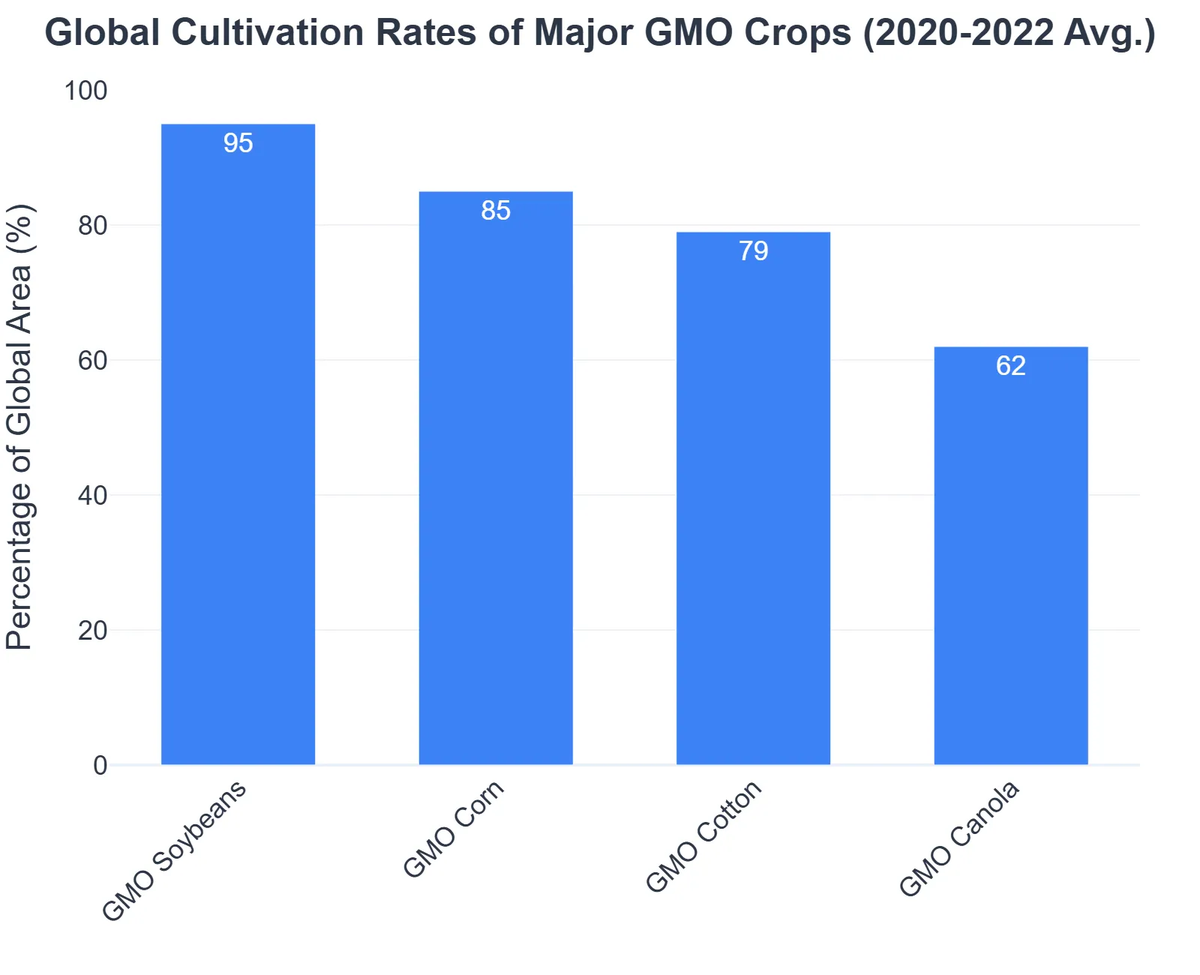
Common GMO crops include corn, soybeans, cotton, and canola, often modified for herbicide tolerance or insect resistance.
How are GMOs created?
GMOs are created using genetic engineering techniques, where specific genes are inserted, deleted, or modified to achieve desired characteristics.