


Coastal Geology: Shorelines, Sea Level Rise, and Dynamic Coasts
The Earth’s coastlines are not static boundaries but rather vibrant, ever-changing landscapes shaped by an intricate dance of geological processes, oceanic forces, and atmospheric conditions. Understanding these complex interactions is at the heart of coastal geology, a vital field that explores the formation, evolution, and ongoing dynamics of our planet’s interface between land and sea. From the gentle lapping of waves on sandy beaches to the relentless pounding against rugged cliffs, every shoreline tells a story of geological history and future transformation. This comprehensive guide will delve into the hidden dynamics of these critical environments, exploring everything from the fundamental forces that shape them to the pressing challenges posed by sea level rise.
💡 Key Takeaways
- Coastal environments are inherently dynamic, shaped by a complex interplay of geological forces, ocean currents, and weather patterns.
- Sea level rise is accelerating coastal erosion, altering ecosystems, and increasing vulnerability to storm surges globally.
- Understanding shoreline evolution is critical for effective coastal management, conservation efforts, and infrastructure planning.
- Human activities significantly influence coastal processes, necessitating sustainable practices for long-term resilience.
“Our coastlines are living archives of Earth’s dynamic past and powerful indicators of its future. Monitoring their evolution, especially in the face of accelerating sea level rise, is paramount to understanding and adapting to the profound shifts reshaping our planet.”
— Marcus Sterling, Geophysical Explorer & Climate Dynamics Analyst
For those interested in the broader context of our planet’s hidden dynamics, explore our pillar content on Earth’s Unseen Forces: The Hidden Dynamics of Our Planet, which provides a foundational understanding of the Earth’s intricate systems.
In This Article
- → Coastal Geology: Shorelines, Sea Level Rise, and Dynamic Coasts
- — 💡 Key Takeaways
- → Understanding Coastal Geology: The Foundation
- — 🗺️ What Defines a Coastline?
- — 🌊 Key Geological Processes Shaping Coasts
- → Shoreline Dynamics: A Constant State of Change
- — ⛰️ Erosional vs. Depositional Coasts
- — 🌬️ Factors Influencing Shoreline Change
- → The Impact of Sea Level Rise
- — 🧊 Eustatic vs. Isostatic Sea Level Change
- — ⚠️ Consequences for Coastal Environments
- → Monitoring and Managing Coastal Changes
- — 🛠️ Tools for Coastal Observation
- — 🚧 Human Interventions and Their Effects
- → Adapting to Dynamic Coasts: Strategies for Resilience
- — 🏗️ Soft vs. Hard Engineering Solutions in Adaptation
- — 🤝 The Role of Climate Change Adaptation Strategies
- → Conclusion: Living with Dynamic Coasts
Understanding Coastal Geology: The Foundation
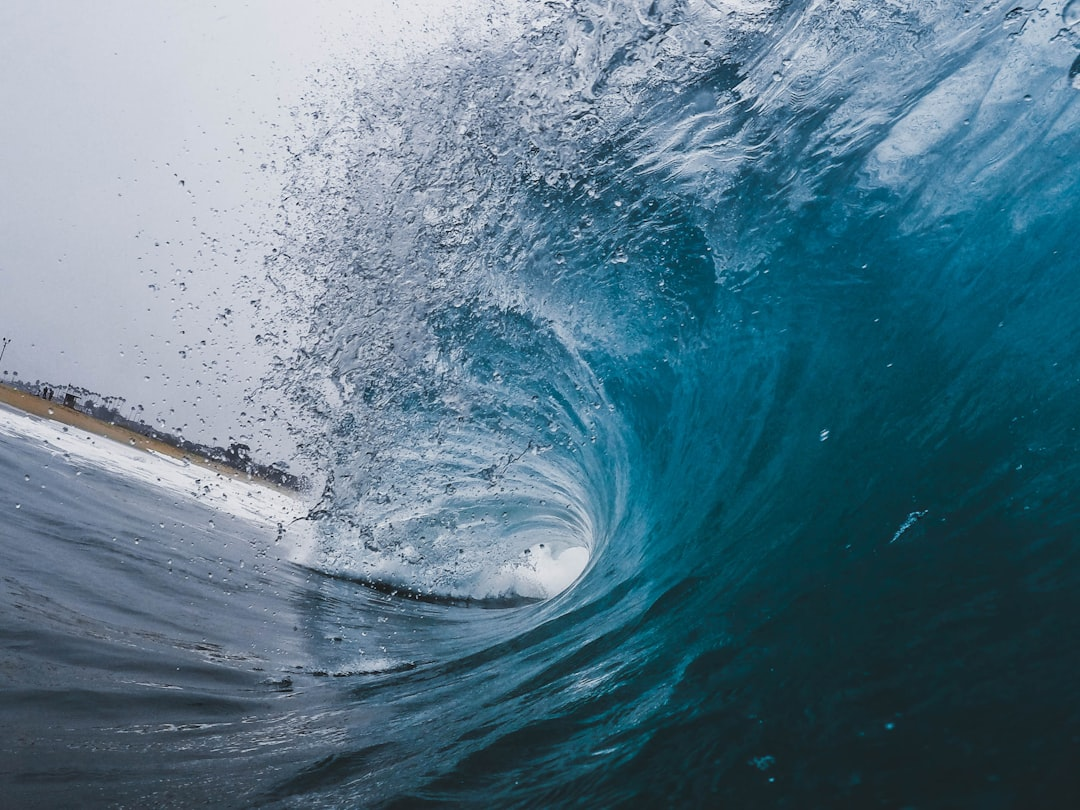
Coastal geology is a specialized branch of geology focused on the study of the Earth’s coastal zones – the transitional areas where land meets the ocean. It encompasses the analysis of sediments, rocks, landforms, and the processes that sculpt them, including waves, currents, tides, wind, and terrestrial inputs like river discharge.
🗺️ What Defines a Coastline?
A coastline is more than just a line on a map; it’s a dynamic zone that extends both landward and seaward from the immediate shoreline. Its exact definition can vary depending on the context, but generally, it includes:
- ✅ The immediate intertidal zone (between high and low tide marks).
- ✅ Adjacent beach and dune systems.
- ✅ Estuaries, lagoons, and deltas.
- ✅ Nearshore seafloor up to a certain depth (often where wave action significantly diminishes).
🌊 Key Geological Processes Shaping Coasts
The forms and features we see along coastlines are the result of continuous geological work. These processes are broadly categorized into erosional and depositional:
- ➡️ Wave Action: The primary driver of coastal change. Waves generate immense energy, eroding cliffs, transporting sediment, and shaping beaches.
- ➡️ Tides: The rhythmic rise and fall of sea level, influenced by gravitational forces from the Moon and Sun, affect the extent of wave action and sediment transport in the intertidal zone.
- ➡️ Currents: Both longshore currents (parallel to the coast) and rip currents (perpendicular to the coast) are crucial for sediment movement, creating features like spits and barrier islands.
- ➡️ Wind: Important in shaping dune systems and transporting sand on beaches.
- ➡️ Sediment Supply: Rivers deliver vast amounts of sediment to the coast, building deltas and nourishing beaches. Erosion of coastal cliffs also provides sediment.
- ➡️ Tectonics and Isostasy: Long-term changes in land elevation, influenced by plate movements and processes like Isostasy in Geology: Earth’s Crust’s Gravitational Balance, can significantly alter the relative sea level and thus the coastline’s position over geological timescales.
Shoreline Dynamics: A Constant State of Change
Shorelines are inherently dynamic. They are constantly adjusting to energy inputs and sediment budgets. This continuous reshaping is evident in phenomena ranging from seasonal beach cycles to long-term trends of erosion or accretion.
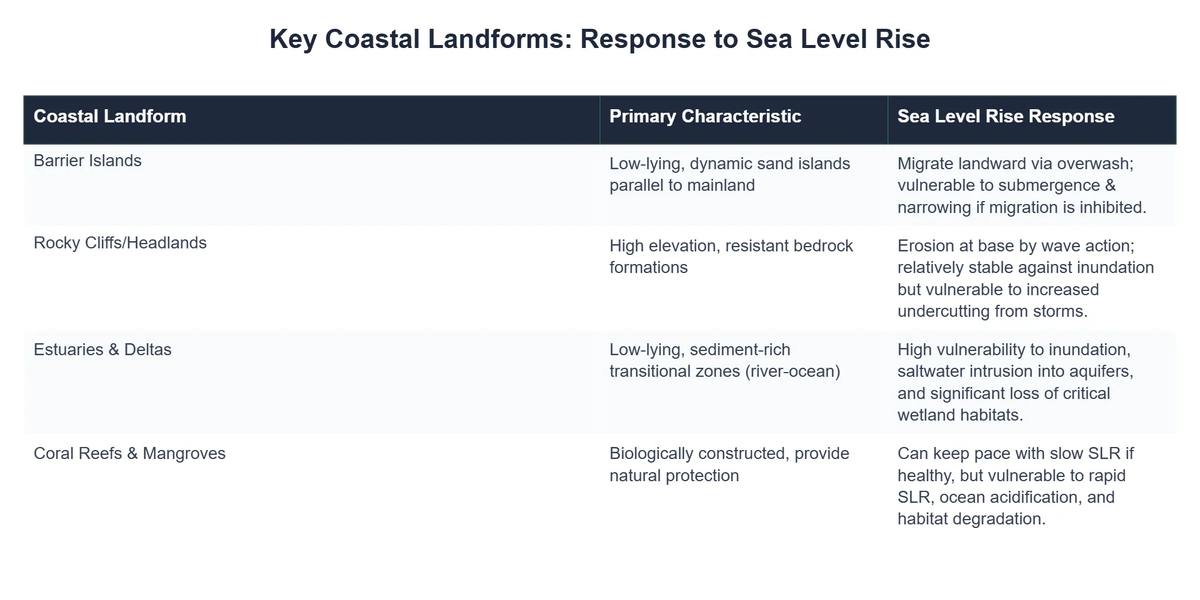
⛰️ Erosional vs. Depositional Coasts
Coasts can be broadly classified by their dominant geological process:
- ✅ Erosional Coasts: Characterized by features like cliffs, sea arches, stacks, and wave-cut platforms. These are areas where the removal of material by waves and currents exceeds the rate of sediment supply. Rocky coasts are often erosional.
- ✅ Depositional Coasts: Dominated by the accumulation of sediment, forming beaches, dunes, barrier islands, spits, and deltas. These occur where sediment supply is abundant and wave energy allows for deposition. Sandy coasts are typically depositional.
Many coastlines exhibit characteristics of both, with stretches of erosion interspersed with areas of deposition, highlighting the complexity of Geological Embayments: Coastal and Basin Formations Explained and other landforms.
🌬️ Factors Influencing Shoreline Change
Multiple factors contribute to the ongoing evolution of shorelines:
- ➡️ Wave Climate: The size, direction, and frequency of waves directly impact erosion and deposition rates. Storm events can cause significant, rapid changes.
- ➡️ Sediment Budget: The balance between sediment input (from rivers, cliff erosion) and sediment output (offshore transport, wind transport) dictates whether a coastline will erode or accrete.
- ➡️ Local Geology: The type of rock or sediment making up the coast dictates its resistance to erosion. Soft sediments erode much faster than hard bedrock.
- ➡️ Human Activities: Coastal development, damming rivers (reducing sediment supply), dredging, and construction of coastal defenses (groynes, seawalls) profoundly alter natural shoreline processes.
- ➡️ Sea Level Fluctuations: Both short-term (tides, storm surges) and long-term (global sea level rise) changes in sea level directly affect the position and character of the shoreline. For historical perspectives on how shorelines move, resources like those exploring Historical Shoreline Movement in Texas Bays are invaluable.
The Impact of Sea Level Rise
Perhaps no single factor holds more significance for the future of our coastlines than sea level rise. This global phenomenon is already reshaping shorelines worldwide and poses substantial challenges for coastal communities and ecosystems.
🧊 Eustatic vs. Isostatic Sea Level Change
It’s crucial to distinguish between different types of sea level change:
- ✅ Eustatic Sea Level Change: Refers to the absolute global change in sea level, primarily driven by two factors:
- 🌡️ Thermal Expansion: As ocean water warms, it expands, taking up more volume.
- 🧊 Melting Glaciers and Ice Sheets: Water from melting land-based ice (like Greenland and Antarctic ice sheets, and mountain glaciers) flows into the oceans.
- ✅ Isostatic Sea Level Change: Refers to local changes in land elevation, which in turn affect the relative sea level. This can be due to:
- ⬆️ Post-Glacial Rebound: Areas once covered by massive ice sheets are still slowly rising as the land “rebounds” after the weight of the ice was removed.
- ⬇️ Subsidence: Sinking of land due to natural geological processes (e.g., compaction of sediments, tectonic activity) or human activities (e.g., groundwater extraction, oil/gas withdrawal).
The combination of eustatic and isostatic changes determines the effective “relative sea level rise” experienced at any given coastal location. The complex dynamics of sea level rise are actively studied, as highlighted in research such as The Dynamic Effects of Sea Level Rise on Low-Gradient Coastal Environments.
⚠️ Consequences for Coastal Environments
The impacts of sea level rise are far-reaching and intensify the challenges for coastal communities:
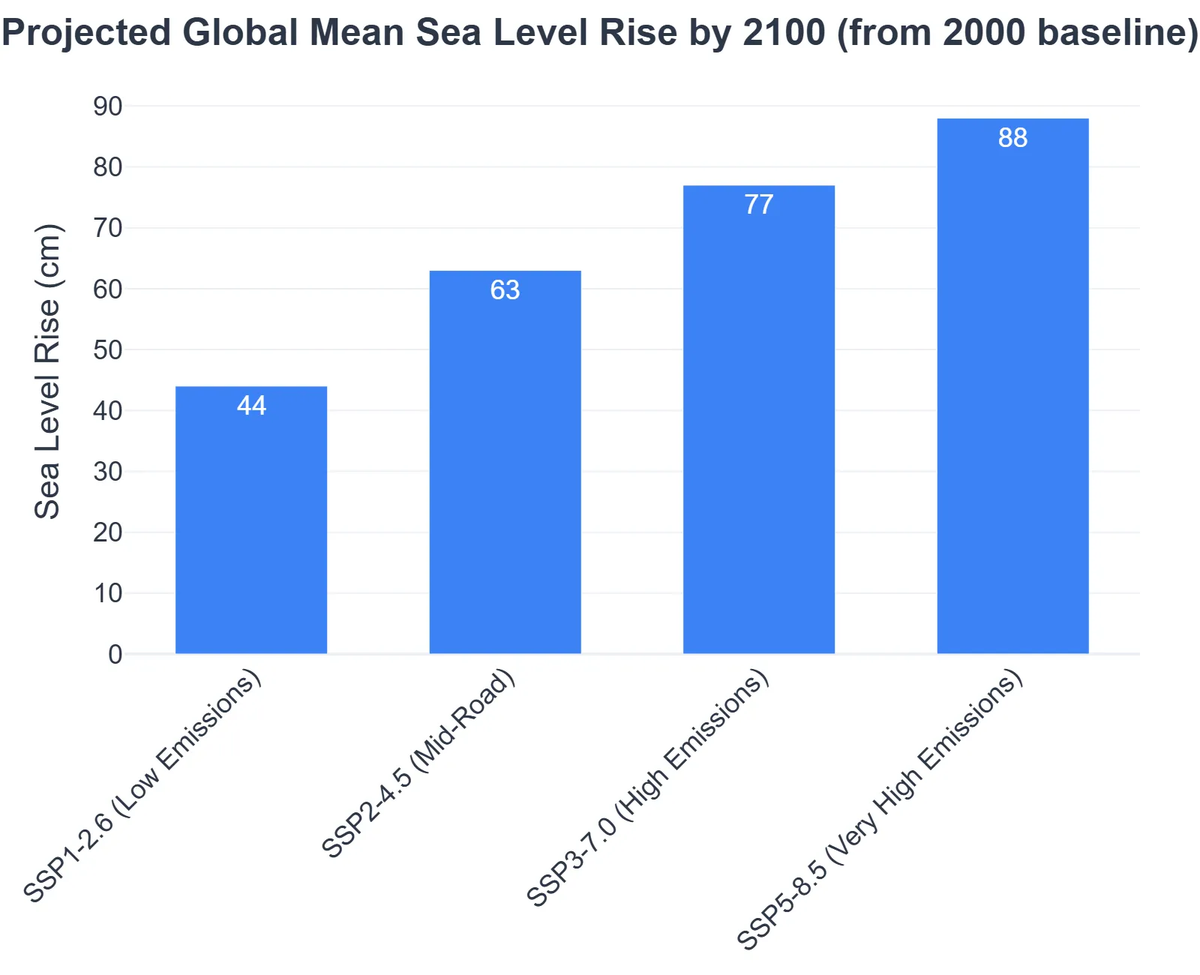
- ➡️ Increased Coastal Erosion: Higher sea levels mean waves can reach further inland, accelerating erosion of beaches, dunes, and cliffs.
- ➡️ Inundation and Loss of Land: Low-lying coastal areas, especially wetlands and estuaries, are permanently submerged, leading to habitat loss and displacement.
- ➡️ Saltwater Intrusion: Rising sea levels can push saltwater further inland into freshwater aquifers, impacting drinking water supplies and agricultural land.
- ➡️ Enhanced Storm Surge Impacts: Higher baseline sea levels mean storm surges reach greater heights and penetrate further inland, exacerbating flooding and damage during extreme weather events.
- ➡️ Socio-Economic Disruptions: Infrastructure damage, relocation of communities, loss of livelihoods (e.g., fishing, tourism), and increased costs for adaptation.
Understanding these consequences is vital for effective coastal management and planning, especially in vulnerable regions like Hawaiʻi, where tools like the State of Hawaiʻi Sea Level Rise Viewer provide critical insights.
Monitoring and Managing Coastal Changes
Given the dynamic nature of coastlines and the accelerating pace of sea level rise, effective monitoring and management are paramount. Scientists and engineers utilize a range of tools and strategies to understand and mitigate coastal risks.
🛠️ Tools for Coastal Observation
Advancements in technology have revolutionized our ability to observe and analyze coastal processes:
- ✅ Remote Sensing: Satellite imagery, aerial photography, and LiDAR (Light Detection and Ranging) provide broad-scale data on shoreline position, bathymetry, and land elevation.
- ✅ GPS and Surveying Equipment: High-precision GPS is used for ground-truthing remote sensing data and detailed topographical surveys of beaches and dunes.
- ✅ In-situ Sensors: Wave gauges, current meters, and tide gauges provide real-time data on oceanographic conditions.
- ✅ Coastal erosion monitoring tools: These include specialized devices like beach profile meters, sediment traps, and even drone-based photogrammetry for detailed, repetitive surveys of erosion hotspots.
- ✅ Marine geology survey equipment: Side-scan sonar, multi-beam echo sounders, and sub-bottom profilers are critical for mapping the seafloor, identifying sediment types, and locating geological features offshore, providing crucial context for onshore coastal dynamics.
For a broader understanding of how these processes fit into the Earth’s overall systems, exploring Geology: Exploring Earth’s Dynamic History and Processes offers valuable insights.
🚧 Human Interventions and Their Effects
For centuries, humans have attempted to control or modify coastlines, often with mixed results:
- ➡️ Hard Engineering Solutions: These involve building structures to resist coastal erosion. Examples include seawalls, rock revetments, groynes (jetties built perpendicular to the shore to trap sand), and breakwaters. While they can protect specific areas, they often disrupt natural sediment transport, leading to erosion downdrift.
- ➡️ Soft Engineering Solutions: These work with natural processes. Examples include beach nourishment (adding sand to eroded beaches), dune restoration, and planting vegetation. These approaches aim for more sustainable, long-term solutions that enhance natural coastal resilience.
- ➡️ Zoning and Land-Use Planning: Restricting development in high-risk areas, setting setbacks from the shoreline, and promoting adaptive building codes are crucial non-structural approaches to managing coastal risk.
Adapting to Dynamic Coasts: Strategies for Resilience
As our understanding of coastal dynamics improves and the impacts of sea level rise become more apparent, the focus is shifting from simply “controlling” the coast to “adapting” to its inherent dynamism. This requires forward-thinking policies and integrated approaches.
Ocean’s Edge: Turning Coastal Dynamics into Engagement
❓The Challenge
Ocean’s Edge struggled to gain public support and funding for coastal preservation, as local communities viewed their shorelines as static, failing to understand the urgency of dynamic changes and sea level rise.
💡The Solution
Leveraging insights from coastal geology, Ocean’s Edge redesigned their outreach, emphasizing the ‘dynamic’ and ‘ever-changing’ nature of coasts. They educated the public on natural processes like wave action and sediment transport, making their conservation efforts more relevant.
🏆The Result
Within eight months, public engagement in their educational programs increased by 75%, leading to a 40% rise in secured grant funding for their preservation projects.
🏗️ Soft vs. Hard Engineering Solutions in Adaptation
The choice between hard and soft engineering solutions is central to coastal adaptation planning:
- ✅ Hard Engineering: While often effective for immediate protection, their long-term sustainability is questioned, especially with accelerating sea level rise. They can be very costly to build and maintain, and may ultimately fail as sea levels continue to rise.
- ✅ Soft Engineering: Generally more environmentally friendly and resilient. Beach nourishment requires ongoing maintenance as sand naturally migrates, but it maintains recreational value and habitat. Dune systems provide natural storm protection and adapt to rising sea levels if given space.
- 💡 Hybrid Approaches: Increasingly, coastal managers are exploring hybrid solutions that combine the best aspects of both, such as strategically placed rock structures to protect restored dunes.
The South Carolina Sea Grant Consortium provides excellent resources on The Dynamic Coast: Living with Shoreline Change, offering valuable perspectives on these strategies.
🤝 The Role of Climate Change Adaptation Strategies
Addressing the challenges of dynamic coasts requires comprehensive climate change adaptation strategies that go beyond traditional engineering:
- ➡️ Managed Retreat (Relocation): In some highly vulnerable areas, the most sustainable long-term solution may involve gradually relocating infrastructure and communities away from the immediate shoreline.
- ➡️ Nature-Based Solutions: Restoring and preserving natural coastal ecosystems like mangrove forests, salt marshes, and coral reefs provides crucial natural defenses against storms and erosion, and offers significant ecological benefits.
- ➡️ Early Warning Systems: Improving forecasts for storm surges and extreme weather allows for better preparedness and evacuation planning.
- ➡️ Policy and Governance: Developing robust coastal zone management plans, enacting appropriate legislation, and fostering inter-agency cooperation are essential for effective adaptation.
- ➡️ Community Engagement: Engaging local communities in planning and decision-making processes is critical for successful and equitable adaptation outcomes.
These strategies are vital for building resilience against future coastal challenges, including those exacerbated by global climate patterns, as explored in studies on Sea level dynamics and coastal erosion in the Baltic Sea region.
Recommended Video
Conclusion: Living with Dynamic Coasts
Coastal geology teaches us that coastlines are inherently fluid and responsive to a myriad of forces. From the grand scale of tectonic shifts to the microscopic movement of sand grains, every aspect contributes to their dynamic nature. As human populations increasingly concentrate along these vital interfaces, and as the global climate undergoes significant shifts, understanding, monitoring, and adapting to these changes becomes not just an academic pursuit but a societal imperative. By embracing proactive management, utilizing cutting-edge technologies like coastal erosion monitoring tools and marine geology survey equipment, and implementing comprehensive climate change adaptation strategies, we can foster resilience and ensure a sustainable future for our invaluable coastal environments.
Frequently Asked Questions
How does sea level rise impact shorelines?
Sea level rise leads to increased coastal erosion, inundation of low-lying areas, saltwater intrusion into freshwater aquifers, and intensified storm surge impacts, significantly altering natural shorelines.
What are dynamic coasts?
Dynamic coasts refer to shorelines that are constantly changing due to natural forces like waves, tides, currents, sediment supply, and sea level fluctuations, making them inherently unstable environments.
Can humans mitigate coastal erosion?
While natural processes are powerful, humans can employ various strategies to mitigate erosion, such as beach nourishment, building seawalls or groins (though these can have unintended consequences), and promoting natural dune restoration.