

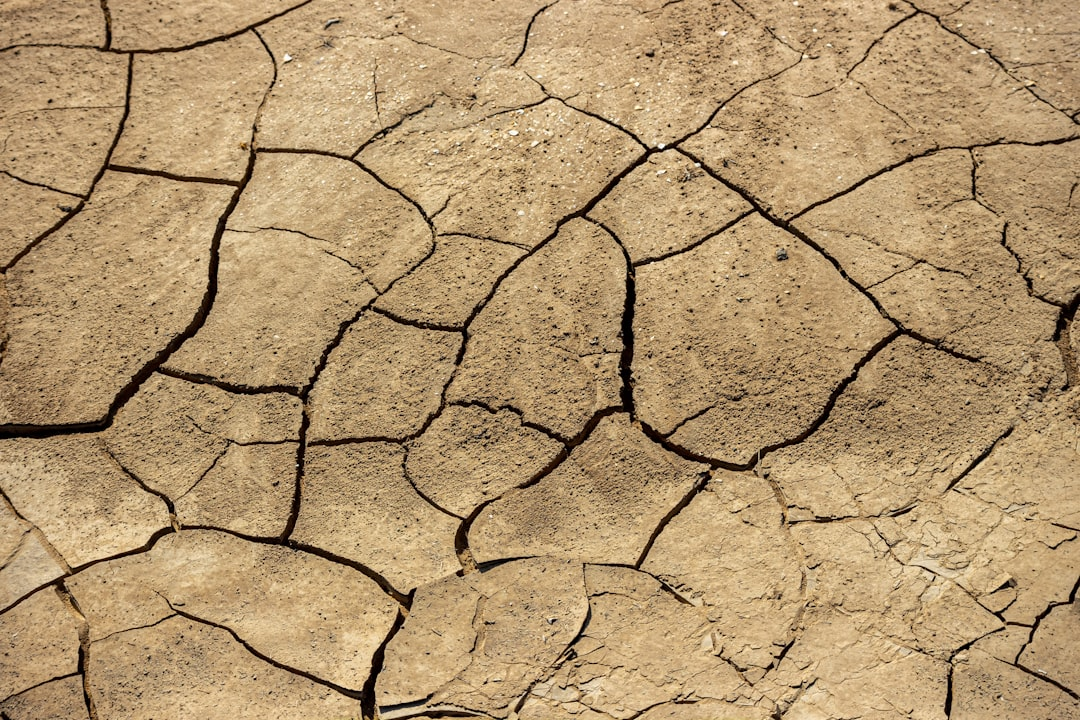
The Earth’s climate has always fluctuated, shifting through ice ages and warmer periods over geological timescales. However, the rapid and significant changes observed over the last century, largely attributed to human activity, define what we now refer to as climate change. This phenomenon represents a long-term shift in global or regional climate patterns, primarily characterized by a significant increase in average global temperatures, alongside shifts in precipitation, wind patterns, and other indicators.
💡 Key Takeaways
- Climate change is primarily driven by human activities, especially greenhouse gas emissions.
- Its impacts are widespread, affecting ecosystems, economies, and human health globally.
- Addressing climate change requires urgent global cooperation, policy changes, and technological innovation.
- Societal implications include displacement, resource scarcity, and increased geopolitical tensions.
“Our planet’s geological record clearly shows climate shifts, but the current rate and magnitude of change are unprecedented, demanding immediate, informed action from a planetary perspective.”
— Dr. Marcus Sterling, PhD, Planetary Geoscientist & Climatologist
In This Article
- — 💡 Key Takeaways
- → Understanding the Core: What is Climate Change?
- → The Driving Forces: Primary Causes of Climate Change
- — 🔥 Anthropogenic Contributions
- — 🌍 Natural Variability and Influences
- → Far-Reaching Consequences: Documented Impacts of Climate Change
- — 💧 Environmental and Ecosystem Shifts
- — 🌪️ Amplified Extreme Weather Events
- → Societal Echoes: The Broader Implications for Humanity
- — 🛡️ Impact on Human Security and Livelihoods
- — 📉 Economic and Health Burdens
- → Pathways Forward: Addressing Climate Change and Building Resilience
Understanding the Core: What is Climate Change?
At its essence, climate change refers to a lasting alteration in the statistical distribution of weather patterns over periods ranging from decades to millions of years. It may be a change in average weather conditions, or in the distribution of weather events around an average (e.g., more or fewer extreme weather events). While natural processes like volcanic eruptions and subtle shifts in Earth’s orbit have historically influenced climate, the current trajectory is distinct due to its speed and magnitude.
Unlike transient weather events, which describe atmospheric conditions over short periods and small regions, climate refers to the average weather over a long period, typically 30 years or more, for a specific region or the entire planet. The urgency of addressing modern climate change impacts stems from the undeniable scientific evidence demonstrating an unprecedented acceleration of these shifts. For a deeper understanding of the foundational data, explore our article on Scientific Evidence of Climate Change: Irrefutable Proof.
The Driving Forces: Primary Causes of Climate Change
While Earth’s climate has always experienced natural cycles, the prevailing scientific consensus points to human activities as the dominant factor behind the accelerated warming since the mid-20th century. Understanding these drivers is crucial to formulating effective responses.
🔥 Anthropogenic Contributions
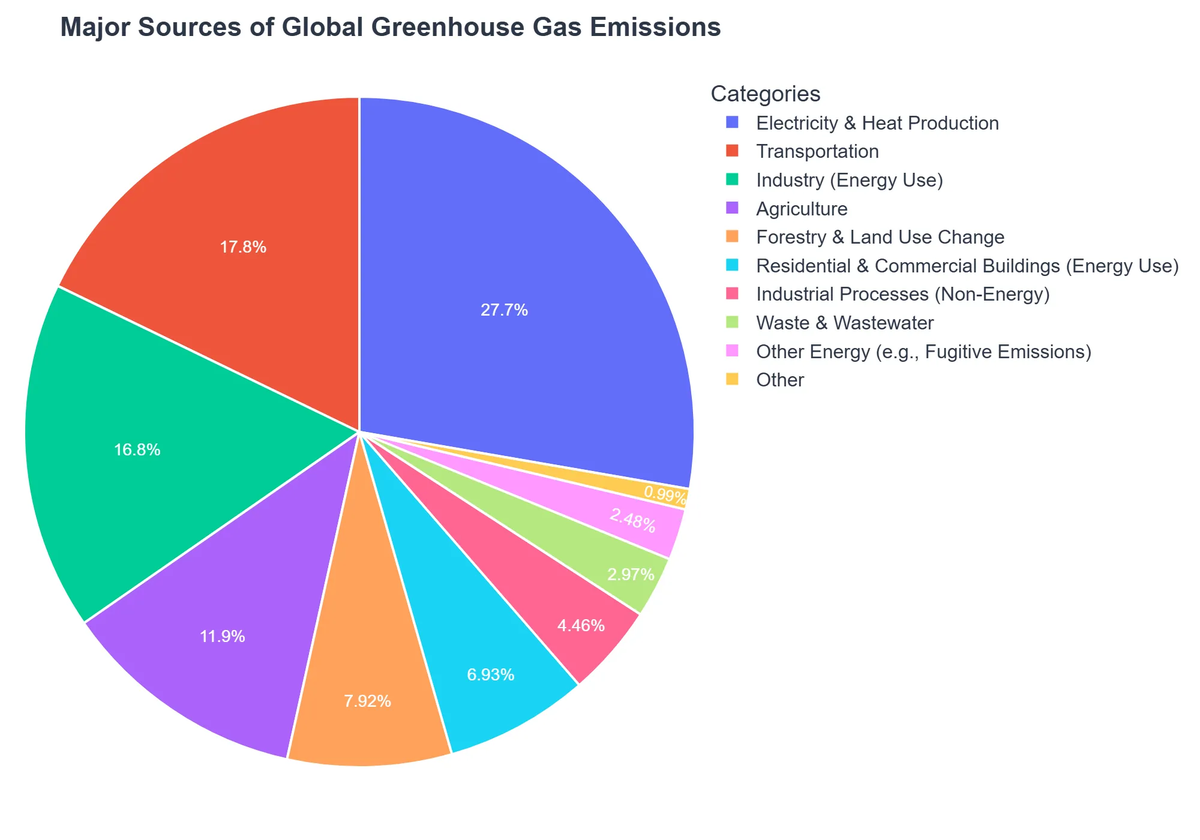
The primary driver of modern climate change is the emission of greenhouse gases (GHGs) from human activities. These gases, such as carbon dioxide (CO2), methane (CH4), nitrous oxide (N2O), and fluorinated gases, trap heat in the Earth’s atmosphere, leading to a warming effect. This mechanism is often likened to a blanket around the Earth, thickening and trapping more heat.
- ✅ Fossil Fuel Combustion: Burning coal, oil, and natural gas for energy, transportation, and industrial processes releases vast amounts of CO2 into the atmosphere. This is the single largest contributor to human-induced emissions.
- ➡️ Deforestation: Forests act as vital carbon sinks, absorbing CO2 from the atmosphere. Large-scale deforestation, particularly in tropical regions, releases stored carbon and reduces the planet’s capacity to absorb future emissions.
- 💡 Agriculture and Livestock: Agricultural practices, including the use of synthetic fertilizers and the raising of livestock (especially cattle), produce significant amounts of methane and nitrous oxide.
- ⚙️ Industrial Processes: Various industrial activities and the manufacturing of goods release a range of potent greenhouse gases.
🌍 Natural Variability and Influences
Though human activities are the dominant cause of current warming, natural factors have historically played a role in climate shifts and continue to influence weather patterns. These include:
- ✅ Solar Radiation: Changes in the sun’s energy output can affect Earth’s climate. However, the current warming trend cannot be explained by solar variations.
- ➡️ Volcanic Activity: Large volcanic eruptions can temporarily cool the planet by releasing aerosols that reflect sunlight back into space. Their impact is typically short-lived.
- 💡 Orbital Influences (Milankovitch Cycles): These long-term cycles describe variations in Earth’s orbit around the sun, its axial tilt, and the precession (wobble) of its axis. These changes affect the amount and distribution of solar energy received by Earth, driving glacial and interglacial periods over tens of thousands of years. While fundamental to Earth’s long-term climate history, they operate on timescales far too slow to explain the rapid warming we observe today. For more on Earth’s internal and external dynamics, consult Earth’s Unseen Forces: The Hidden Dynamics of Our Planet.
Despite some alternative perspectives, such as those presented in discussions around Richard Lindzen on Climate Change: Contrarian Views, the overwhelming scientific consensus confirms the human fingerprint on current global warming trends.
Far-Reaching Consequences: Documented Impacts of Climate Change
The extensive and well-documented climate change impacts are observable across every continent and ocean, affecting both natural systems and human societies. From rising sea levels to more frequent and intense weather events, the consequences are profound.
Climate Change: Impacts, Risks, and Transformative Potentials
Pros
- ✔Catalyst for innovation in green technologies and sustainable solutions.
- ✔Drives international cooperation and policy development on global challenges.
- ✔Raises public awareness and promotes environmental stewardship.
- ✔Accelerates transition towards resilient and sustainable economic models.
Cons
- ✖Severe environmental consequences, including extreme weather and biodiversity loss.
- ✖Significant economic costs from natural disasters and resource scarcity.
- ✖Increased health risks, food insecurity, and societal disruption.
- ✖Potential for exacerbated social inequalities and geopolitical conflicts.
💧 Environmental and Ecosystem Shifts
The natural world is experiencing widespread disruption:
- ✅ Rising Global Temperatures: Record-breaking heatwaves are becoming more common and severe.
- ➡️ Melting Glaciers and Ice Sheets: Arctic and Antarctic ice, along with mountain glaciers worldwide, are melting at an accelerated rate, contributing to sea level rise. This profoundly impacts ecosystems, as detailed in our analysis of Climate Change: Impact on Arctic Biodiversity.
- 💡 Sea Level Rise: Thermal expansion of warming ocean water combined with ice melt leads to rising sea levels, threatening coastal communities and ecosystems.
- ⚙️ Ocean Acidification: The absorption of excess CO2 by oceans leads to increased acidity, harming marine life, particularly shellfish and coral reefs.
- 🌳 Biodiversity Loss: Changing climates force species to migrate or face extinction, disrupting delicate ecosystems.
According to the European Commission, the consequences of climate change are already evident, impacting various aspects of life and the environment. You can read more about these global impacts at Consequences of climate change – European Commission.
🌪️ Amplified Extreme Weather Events
While individual weather events cannot be solely attributed to climate change, the trend shows an undeniable increase in their frequency and intensity.
- ✅ More Intense Heatwaves: Prolonged periods of extreme heat pose severe risks to human health and agriculture.
- ➡️ Increased Frequency of Droughts and Floods: Shifts in precipitation patterns lead to more severe droughts in some regions and more intense flooding in others.
- 💡 Stronger Storms: Warmer ocean temperatures provide more energy for tropical storms and hurricanes, potentially leading to more powerful and destructive events. Our article on Extreme Weather: Understanding the Science Behind Nature’s Fury explores this in depth.
- ⚙️ Wildfires: Hotter, drier conditions, exacerbated by droughts, contribute to a greater risk and intensity of wildfires.
Societal Echoes: The Broader Implications for Humanity
The cascading effects of climate change extend far beyond environmental shifts, deeply impacting human societies, economies, and health.
🛡️ Impact on Human Security and Livelihoods
Climate change poses significant threats to human well-being and stability:
- ✅ Food and Water Scarcity: Changes in rainfall patterns, prolonged droughts, and desertification threaten agricultural productivity and access to fresh water, particularly in vulnerable regions.
- ➡️ Displacement and Migration: Sea level rise and extreme weather events force communities to abandon their homes, leading to climate refugees and internal displacement.
- 💡 Conflict and Instability: Resource scarcity and mass displacement can exacerbate existing tensions and contribute to social unrest and conflict. The United Nations highlights this interconnectedness, noting that the climate crisis impacts human security in multiple ways, including access to food and water. Further details can be found at Five ways the climate crisis impacts human security | United Nations.
📉 Economic and Health Burdens
The financial and health costs of climate change are rapidly escalating:
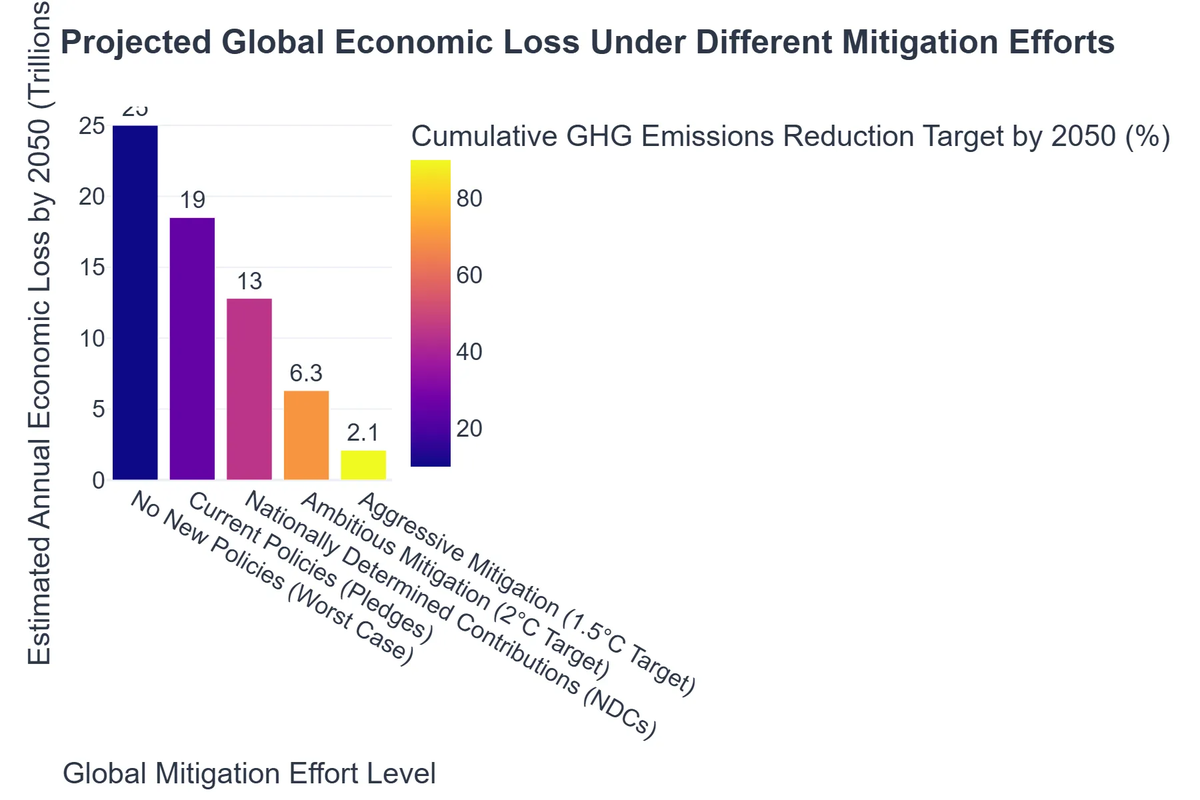
- ✅ Economic Losses: Damages from extreme weather events, disruptions to supply chains, and reduced agricultural yields result in substantial economic losses globally.
- ➡️ Public Health Crises: Increased heat-related illnesses and deaths, the spread of vector-borne diseases (e.g., malaria, dengue) due to expanding ranges of disease carriers, and respiratory problems from air pollution and wildfires pose growing public health challenges. The U.S. EPA details these broad societal impacts, including public health, at Climate Impacts on Society | Climate Change Impacts | US EPA.
- 💡 Infrastructure Damage: Rising sea levels and intense storms damage critical infrastructure like roads, bridges, and energy grids, requiring costly repairs and upgrades.
Recommended Video
Pathways Forward: Addressing Climate Change and Building Resilience
Addressing the pervasive challenges of climate change requires a multi-faceted approach involving both mitigation and adaptation strategies, engaging governments, industries, and individuals globally.
- ✅ Mitigation: This involves reducing greenhouse gas emissions to slow down or halt global warming. Key strategies include transitioning to renewable energy sources (solar, wind), improving energy efficiency, developing carbon capture technologies, and sustainable land management. Visionaries like Bill Nye have long advocated for scientific literacy and action on this front, emphasizing the urgency of shifting away from fossil fuels.
- ➡️ Adaptation: This involves adjusting to the current and future impacts of climate change. Examples include developing drought-resistant crops, building sea walls, improving early warning systems for extreme weather, and creating climate-resilient infrastructure.
- 💡 International Cooperation: Global challenges demand global solutions. International agreements and collaborative efforts are crucial for setting ambitious targets, sharing technology, and providing financial support to developing nations.
- ⚙️ Innovation and Technology: Continued investment in research and development for clean energy solutions, sustainable agriculture, and climate-resilient urban planning is vital.
- 🌱 Individual Action and Advocacy: While systemic change is paramount, individual choices, from reducing consumption to advocating for policy changes, collectively contribute to a broader movement.
What is climate change?
Climate change refers to long-term shifts in temperatures and weather patterns, primarily caused by human activities like burning fossil fuels.
What are the main causes of climate change?
The primary causes include the emission of greenhouse gases from burning fossil fuels, deforestation, and industrial processes.
How does climate change impact society?
Societal impacts include increased extreme weather events, food and water insecurity, health crises, and displacement of populations.
What actions can be taken to mitigate climate change?
Mitigation involves reducing greenhouse gas emissions, transitioning to renewable energy, improving energy efficiency, and promoting sustainable land use.