In an increasingly interconnected world, the rapid spread of information has become a defining characteristic of our digital age. While this connectivity offers unprecedented opportunities for knowledge sharing and global communication, it also presents a formidable challenge: the proliferation of disinformation. Far more than just a misunderstanding, disinformation is the deliberate creation and dissemination of false or misleading information with the intent to deceive, manipulate, or cause harm. It poisons public discourse, erodes trust in institutions, and can even incite real-world violence. Combating false narratives is not merely a technical problem; it’s a societal imperative that requires a multi-faceted approach involving individual vigilance, educational initiatives, technological solutions, and policy frameworks.
💡 Key Takeaways
- Disinformation leverages emotional triggers and social media algorithms for rapid spread.
- Developing strong media literacy skills is essential for identifying and debunking false narratives.
- Fact-checking and verifying sources are crucial steps in combating the spread of misinformation.
- Collective action and responsible sharing can significantly mitigate the impact of disinformation campaigns.
“Just as we apply scientific principles to understand the universe, we must apply critical thinking to the information we consume. Disinformation warps our collective reality, making the pursuit of truth more vital than ever.”
— Leo Garrison, Applied Physicist & Science Communicator
This article will delve into the anatomy of disinformation, explore its profound impacts, and outline comprehensive strategies for individuals, communities, and collective entities to effectively counter its destructive force. Understanding the mechanisms behind its spread and developing robust defenses are crucial steps in safeguarding our information ecosystem and fostering a more informed, resilient society.
In This Article
- — 💡 Key Takeaways
- → Understanding the Landscape of Disinformation
- — Misinformation vs. Disinformation: A Crucial Distinction
- — The Mechanisms of Spread
- → The Far-Reaching Impact of False Narratives
- — Erosion of Trust
- — Societal and Political Destabilization
- — Public Health and Safety Risks
- → Strategies for Individual Resilience: Becoming a Disinformation Defender
- — Cultivating Critical Thinking
- — Verifying Sources
- — Practicing Digital Hygiene
- → Empowering Communities: The Role of Media Literacy and Education
- — The Imperative of Media Literacy
- — Educational Initiatives and Programs
- → Collective Action: Platforms, Governments, and Civil Society
- — Platform Responsibilities and Measures
- — Government and Policy Responses
- — Civil Society and Collaborative Efforts
- → Conclusion
Understanding the Landscape of Disinformation
To effectively combat false narratives, it’s essential to first understand their nature and how they propagate. Disinformation operates within a complex landscape, often leveraging human psychology and digital infrastructure to achieve its aims.
Misinformation vs. Disinformation: A Crucial Distinction
While often used interchangeably, misinformation and disinformation are distinct concepts with different implications:
- Misinformation: This refers to false or inaccurate information that is spread unintentionally. It can stem from genuine mistakes, misunderstandings, or incomplete knowledge. Someone might share a misleading news article without realizing it’s false, genuinely believing it to be true.
- Disinformation: This is deliberately fabricated or manipulated information spread with the specific intent to deceive or mislead. The creators and distributors of disinformation are aware that the content is false and have malicious objectives, such as influencing political outcomes, creating social discord, or generating financial gain through clicks and advertising revenue. Understanding this intent is key to distinguishing it from simple errors.
Both contribute to a polluted information environment, but disinformation poses a more direct and intentional threat to public trust and stability.
The Mechanisms of Spread
False narratives, particularly fake news, travel at an alarming speed due to several contributing factors:
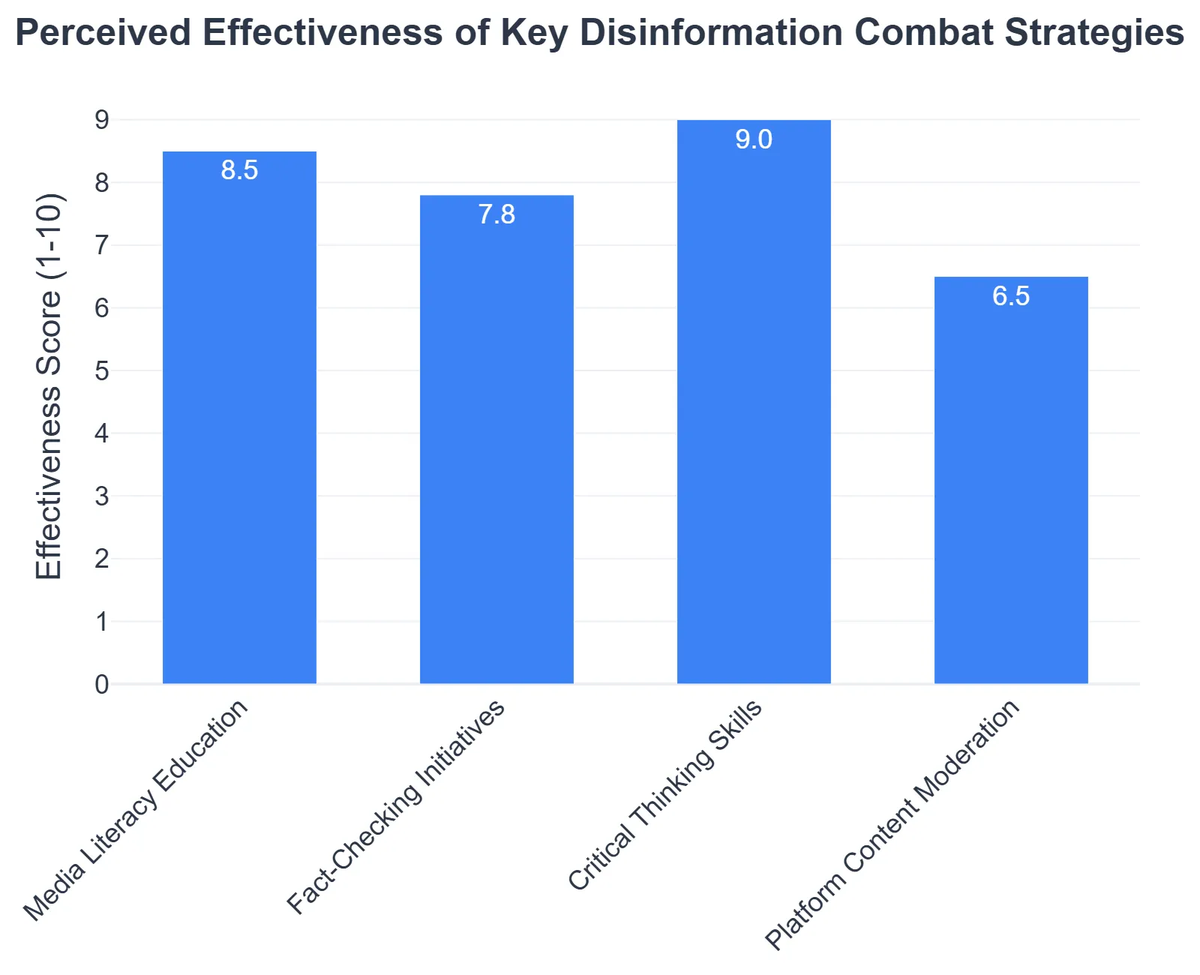
- Social Media Algorithms: Platforms are often designed to prioritize engagement, meaning content that sparks strong emotions (often false or sensational) can get amplified, regardless of its accuracy. Algorithms can inadvertently create “filter bubbles” or “echo chambers” where users are primarily exposed to information that confirms their existing beliefs, making them more susceptible to targeted disinformation.
- Emotional Resonance: Disinformation often taps into primal human emotions like fear, anger, or tribal loyalty, making it highly shareable. Content that confirms existing biases, however outlandish, is often readily accepted and propagated without critical scrutiny.
- Lack of Critical Evaluation: Many users consume content quickly, often on mobile devices, without pausing to verify sources or assess credibility. The sheer volume of information can also lead to cognitive overload, making it harder to discern truth from falsehood.
- Sophisticated Tactics: Disinformation campaigns often employ advanced techniques, including deepfakes (synthetic media), bot networks, troll farms, and highly targeted messaging, making them increasingly difficult to detect and counter.
The Far-Reaching Impact of False Narratives

The consequences of unchecked disinformation extend far beyond mere confusion, impacting critical pillars of society and individual well-being.
Erosion of Trust
One of the most insidious effects of disinformation is its capacity to undermine trust. When citizens can no longer discern what is true from what is false, trust in essential institutions—such as governments, media organizations, scientific bodies, and even healthcare providers—erodes. This decline in trust can paralyze collective action and make it difficult for societies to respond effectively to crises.
Societal and Political Destabilization
Disinformation campaigns are frequently weaponized to polarize societies, exacerbate divisions, and interfere with democratic processes. They can manipulate public opinion, influence elections, and even incite real-world violence or unrest. By sowing discord and distrust, false narratives weaken the social fabric, making communities more vulnerable to exploitation and manipulation. For a deeper understanding of how malicious actors operate in the digital sphere, consider reading about Cybersecurity’s Shadow: Unmasking Bad Actors.
Public Health and Safety Risks
Perhaps one of the most immediate and tangible dangers of disinformation lies in its impact on public health and safety. False narratives surrounding vaccines, medical treatments, or public safety guidelines can directly endanger lives. During global health crises, the spread of medical disinformation can lead to widespread confusion, non-compliance with health directives, and preventable illness and death.
Strategies for Individual Resilience: Becoming a Disinformation Defender
While the challenge of disinformation is immense, individuals play a crucial role in mitigating its spread. Personal vigilance and a commitment to informed consumption are powerful tools.
Cultivating Critical Thinking
The first line of defense against false narratives is a well-honed critical mind. This involves:
Combating Disinformation: A Balanced View
Pros
- ✔Promotes informed public discourse and decision-making.
- ✔Strengthens democratic processes and public trust.
- ✔Reduces societal polarization and potential for harm.
- ✔Enhances public health and safety by countering harmful narratives.
Cons
- ✖Risk of censorship or limiting legitimate free speech.
- ✖Potential for bias in content moderation or fact-checking.
- ✖Can inadvertently lead to distrust in established institutions.
- ✖Requires significant resources and continuous effort.
- Questioning Headlines: Don’t take headlines at face value. Click through to read the full article.
- Assessing Emotional Triggers: If a piece of content makes you feel intensely angry, fearful, or outraged, pause. Emotional content is often designed to bypass critical reasoning.
- Recognizing Logical Fallacies: Become familiar with common argumentative flaws like ad hominem attacks, strawman arguments, or appeals to emotion.
- Considering the Source’s Motivation: Why was this information created? Who benefits from its spread?
Verifying Sources
Before accepting information as fact or sharing it, take a moment to verify its authenticity and source credibility. This is where dedicated resources become invaluable:
- Utilize Fact-Checking Tools: Many reputable independent organizations specialize in debunking misinformation and disinformation. Websites and browser extensions can help you quickly check the veracity of claims. These fact-checking tools analyze claims, trace sources, and provide evidence-based assessments, often rating information on a scale of true to false.
- Cross-Reference Information: Check if the same information is reported by multiple, diverse, and reputable news outlets. Be wary if a sensational claim appears only on obscure websites or social media accounts.
- Reverse Image Search: Misleading images and videos are common. Use reverse image search tools (e.g., via Google Images or TinEye) to see where an image originally appeared and in what context.
- Check the “About Us” Page: For unfamiliar websites, look for an “About Us” or “Contact” page to understand their mission, funding, and editorial policies.
Practicing Digital Hygiene
Your online habits contribute significantly to the information ecosystem:
- Pause Before You Share: Take a moment to verify information before sharing it. Sharing unverified content, even with good intentions, can contribute to the problem.
- Curate Your Information Diet: Actively seek out diverse and credible news sources. Unfollow or mute accounts that consistently share sensational or unverified content.
- Understand Platform Mechanics: Familiarize yourself with how social media algorithms work and how they might influence what you see.
- Protect Your Privacy: Be mindful of the data you share online, as this can be used for highly targeted disinformation campaigns.
Empowering Communities: The Role of Media Literacy and Education
Individual efforts are amplified when communities are equipped with the knowledge and skills to navigate the complex information landscape. Education, particularly media literacy, is a cornerstone of this defense.
The Imperative of Media Literacy
Media literacy is the ability to access, analyze, evaluate, create, and act using all forms of communication. It’s not just about identifying fake news; it’s about understanding the entire ecosystem of media. Programs focusing on media literacy courses teach critical skills such such as:
- Identifying different types of media (news, opinion, advertising, propaganda).
- Understanding media production processes and biases.
- Recognizing rhetorical strategies and persuasive techniques.
- Evaluating the credibility of sources and claims.
- Comprehending the role of algorithms and echo chambers.
- Developing responsible media creation and sharing habits.
These skills are fundamental for citizens in a democratic society, helping them make informed decisions and resist manipulation. Much like understanding how scientific understanding shifts over time, as explored in Thomas Kuhn’s Paradigm Shifts: A Revolutionary Idea, media literacy empowers individuals to adapt their understanding in a rapidly evolving information environment.
Educational Initiatives and Programs
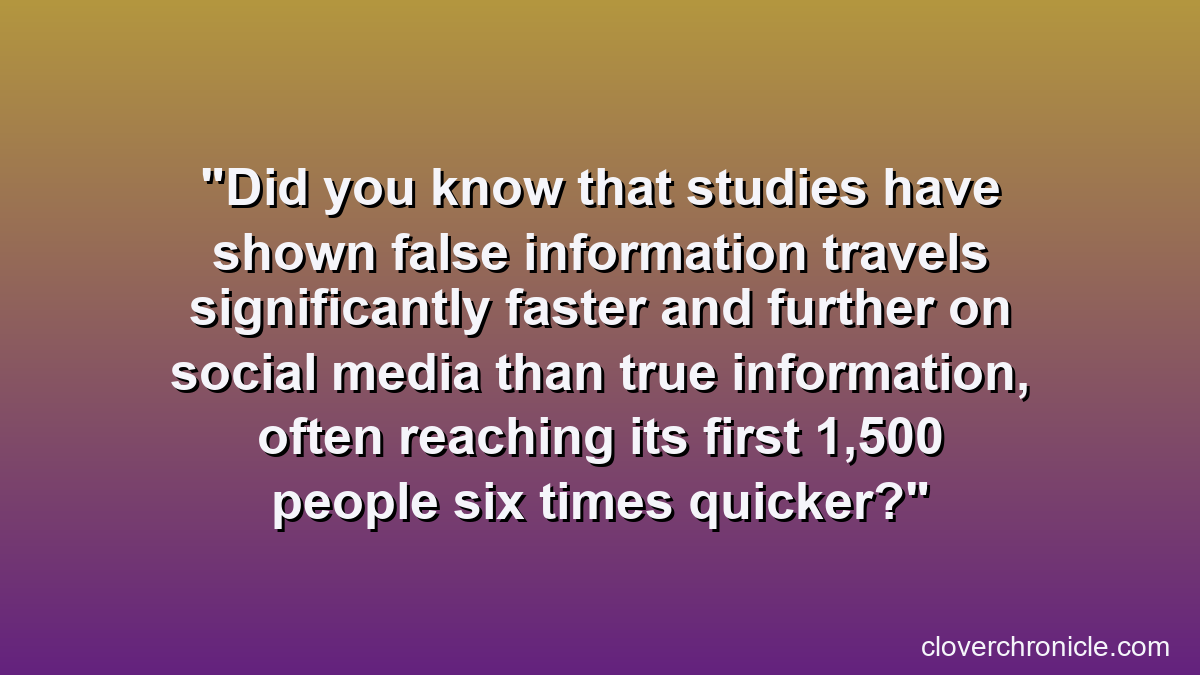
Beyond individual learning, systemic educational efforts are vital. Schools, universities, libraries, and non-governmental organizations are increasingly developing curricula and workshops focused on digital literacy and critical thinking. These initiatives aim to equip citizens of all ages with the tools needed to critically assess online content and become responsible digital citizens. Public awareness campaigns also play a crucial role in sensitizing populations to the dangers of disinformation and promoting best practices for information consumption.
Collective Action: Platforms, Governments, and Civil Society
No single entity can solve the problem of disinformation alone. A coordinated effort involving technology platforms, governmental bodies, and civil society organizations is essential for a robust defense.
Platform Responsibilities and Measures
Social media companies and other digital platforms have a significant role to play due to their vast reach and influence. Their responsibilities include:
- Content Moderation: Implementing and enforcing clear policies against disinformation, including fact-checking programs and removal of demonstrably false content that violates terms of service.
- Algorithm Transparency: Providing greater insight into how algorithms prioritize and disseminate information, and exploring ways to reduce the amplification of harmful content.
- Labeling and Context: Clearly labeling false or misleading content, and providing links to authoritative sources for context.
- Demote/Demonetize Misinformation: Reducing the reach or financial incentives for creators of false content.
- Collaborating with Researchers: Providing data access for independent research into disinformation trends and impacts.
Government and Policy Responses
Governments can also contribute through legislation, funding, and international cooperation. This might involve:
- Supporting Independent Journalism and Fact-Checking: Providing funding or policy incentives for credible news organizations and fact-checking initiatives.
- Funding Research: Investing in academic research to better understand the psychology, spread, and impact of disinformation.
- Public Awareness Campaigns: Launching educational campaigns to raise public awareness about disinformation and promote media literacy.
- International Cooperation: Working with other nations to address cross-border disinformation campaigns.
For more detailed policy recommendations, the Carnegie Endowment for International Peace offers valuable insights on [external_link url=”https://carnegieendowment.org/research/2024/01/countering-disinformation-effectively-an-evidence-based-policy-guide?lang=en” title=”Countering Disinformation Effectively: An Evidence-Based Policy Guide”].
Civil Society and Collaborative Efforts
Non-governmental organizations (NGOs), academic institutions, journalists, and grassroots movements are vital in this fight. They engage in:
- Monitoring and Reporting: Identifying and documenting disinformation campaigns.
- Fact-Checking Networks: Building collaborative networks to quickly verify and debunk false claims.
- Advocacy: Lobbying platforms and governments for more effective policies.
- Community Engagement: Running workshops, debates, and public discussions to foster critical media consumption.
- Investigative Journalism: Uncovering the origins and actors behind sophisticated disinformation operations.
The Brookings Institution also provides a comprehensive perspective on [external_link url=”https://www.brookings.edu/articles/how-to-combat-fake-news-and-disinformation/” title=”How to combat fake news and disinformation | Brookings”]. Collaboration across these sectors is crucial for creating a resilient information environment.
Recommended Video
Conclusion
Combating disinformation is one of the defining challenges of our time. Its pervasive nature and the speed at which false narratives can spread threaten not only individual well-being but also the very foundations of democratic societies. There is no single silver bullet; rather, an enduring commitment to vigilance, critical thinking, and collective action is required.
By understanding the tactics of disinformation, empowering ourselves with robust media literacy skills, diligently utilizing fact-checking tools, and holding platforms and governments accountable, we can collectively build a more resilient information ecosystem. This ongoing effort requires constant adaptation, as the methods of deception continue to evolve. Ultimately, fostering a society that values truth, embraces critical inquiry, and actively participates in informed discourse is the strongest defense against the corrosive influence of false narratives. To truly grasp the underlying mechanisms that govern our world and how they are often misrepresented, consider exploring The Science of Everyday: How the World Really Works.
Frequently Asked Questions
What is disinformation?
Disinformation is intentionally false or misleading information that is spread to deceive or manipulate, often for political, financial, or ideological gain.
How can I identify disinformation?
Look for sensational headlines, emotional language, unverified claims, or biased sources. Always cross-reference information with multiple reputable sources and consider the intent behind the message.
What is the difference between misinformation and disinformation?
Misinformation refers to false information spread unintentionally, often due to error or misunderstanding. Disinformation, however, is deliberately created and shared with the intent to deceive or harm.
Why is combating disinformation important?
Combating disinformation is crucial because it can erode public trust, polarize societies, undermine democratic processes, influence elections, and even incite violence or endanger public health.