


National Historic Landmarks: America’s Enduring Treasures
America is a nation built on a rich tapestry of stories, struggles, and triumphs. These narratives are not just found in books but are etched into the very landscape of the country, preserved within its national historic landmarks. These sites are far more than just old buildings or scenic spots; they are tangible links to our past, representing the most significant chapters of American history and culture.
💡 Key Takeaways
- National Historic Landmarks (NHLs) are sites recognized for their exceptional national significance to U.S. history and culture.
- They play a crucial role in preserving the diverse narratives and physical evidence of America’s past for future generations.
- Visiting NHLs offers unique opportunities to connect directly with pivotal moments and places that shaped the nation.
- The National Park Service oversees the NHL program, recommending designations and supporting preservation efforts.
“National Historic Landmarks are more than just old buildings; they are living testaments to the pivotal moments, movements, and people that have shaped the American story. Protecting them is an investment in our collective memory and identity.”
— Dr. Evelyn Reed, Professor of American Cultural History, Preservation Institute
Administered primarily by the National Park Service, the National Historic Landmark (NHL) designation is the highest recognition the United States bestows upon places of national historic significance. From ancient Native American sites to battlefields, industrial complexes, and homes of influential figures, each landmark offers a unique window into the events and ideas that have shaped the nation. Understanding these pivotal historical landmarks is key to appreciating the depth and complexity of the American story.
In This Article
- → National Historic Landmarks: America’s Enduring Treasures
- — 💡 Key Takeaways
- → What Exactly Are National Historic Landmarks?
- — ➡️ Defining America’s Most Significant Places
- — ⚙️ The Rigorous Designation Process
- → Why Do National Historic Landmarks Matter?
- — 📚 Preserving Our Collective Memory
- — 📈 Economic and Educational Impact
- → The Role of the National Park Service
- — 🛡️ Stewardship and Support
- — 🤝 Partnerships in Preservation
- → Exploring Diverse Categories of Landmarks
- — 🏞️ From Ancient Sites to Modern Marvels
- — 🎨 Architectural, Cultural, and Natural Significance
- → How to Engage with America’s Treasures
- — 🗺️ Planning Your Visit
- — 💖 Supporting Preservation Efforts
- → Conclusion: Safeguarding Our Heritage for Future Generations
What Exactly Are National Historic Landmarks?
The term “National Historic Landmark” often sparks curiosity. Unlike the broader category of “historic places” listed on the National Register of Historic Places, NHLs represent a select group of properties that possess exceptional value and significance to the entire nation.
➡️ Defining America’s Most Significant Places
- ✅ NHLs are sites, buildings, structures, objects, and districts that are nationally significant in American history, architecture, archaeology, engineering, and culture.
- 💡 The designation highlights places that have had a profound impact on the nation’s development, embodying critical historical themes or representing a creative masterwork.
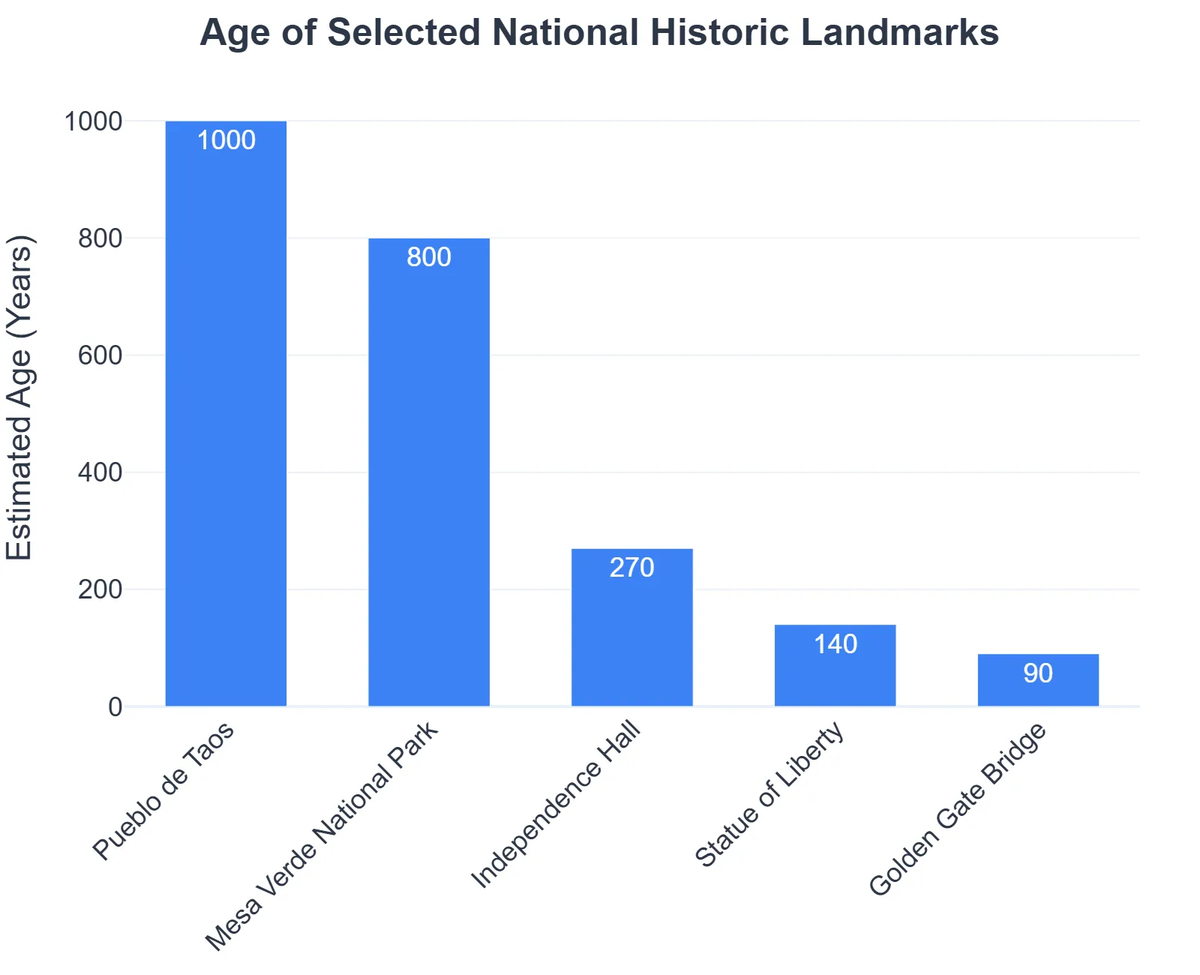
- 🏛️ Examples range from Independence Hall in Philadelphia, where the Declaration of Independence and the U.S. Constitution were debated and adopted, to the homes of civil rights leaders and iconic landscapes.
⚙️ The Rigorous Designation Process
Becoming a national landmark is a highly selective and demanding process, reflecting the prestige of the designation. It involves extensive research, evaluation, and review:
- 📜 A site is first identified as potentially significant by historians, preservationists, or the public.
- 🔍 Detailed historical and architectural research is conducted to establish its national significance according to specific criteria.
- 📝 The nomination is reviewed by the National Park System Advisory Board Landmarks Committee.
- 🗳️ If recommended, the Secretary of the Interior makes the final decision on designation.
This stringent process ensures that only the most deserving places achieve this distinguished status, making each of these historical landmarks truly invaluable.
Why Do National Historic Landmarks Matter?
The importance of preserving these national landmarks extends far beyond mere historical curiosity. They serve vital roles in education, community identity, and economic development.
📚 Preserving Our Collective Memory
- ➡️ NHLs provide tangible connections to past events, allowing us to understand and learn from history in a visceral way. They are crucial for preserving America’s collective memory, ensuring that significant moments and achievements are not forgotten.
- 🌍 For those interested in Lost Worlds & Forgotten Histories: Unearthing the Past’s Greatest Riddles, these landmarks offer concrete evidence of bygone eras and cultures.
- 🤝 They foster a sense of national identity and pride, reminding us of shared heritage and the diverse influences that shaped the United States.
📈 Economic and Educational Impact
Beyond their historical value, national historic landmarks contribute significantly to local economies through tourism and provide unparalleled educational opportunities:
- 💰 Tourism: Visitors from across the globe flock to these sites, boosting local economies through hospitality, retail, and related services.
- 🎓 Education: They serve as living classrooms, offering immersive experiences for students and the general public alike. Programs often delve into specific historical periods, cultural practices, or technological advancements.
- 💡 Inspiration: Many provide inspiration for new generations, encouraging careers in history, preservation, and cultural studies. For more insights, explore Historical Sites: A Guide to Must-Visit Locations.
The Role of the National Park Service
The National Park Service (NPS) plays a central and indispensable role in the preservation and interpretation of national historic landmarks.
🛡️ Stewardship and Support
While not all national historic landmarks are owned by the NPS, the agency is responsible for overseeing the entire National Historic Landmarks Program. This involves:
- ✅ Providing technical assistance and guidance to owners for the preservation and maintenance of their designated properties.
- 🔬 Conducting regular monitoring to ensure the integrity and condition of these crucial national landmarks.
- 📊 Administering grants and funding opportunities, such as the Save America’s Treasures program, to aid in their conservation. More details can be found on the National Park Service Historic Preservation Fund website.
🤝 Partnerships in Preservation
Preservation of these national treasures is a collaborative effort. The NPS works closely with:
- 🏛️ State Historic Preservation Offices (SHPOs)
- 🏘️ Local governments and communities
- 🌿 Non-profit organizations like the National Trust for Historic Preservation
- 👨👩👧👦 Private owners and citizens
These partnerships are crucial for safeguarding the future of America’s rich historical legacy, ensuring that each national historical landmark receives the care it deserves. For further information, consider our article on National Historical Landmarks: Preserving American History.
Exploring Diverse Categories of Landmarks
The vast array of national historic landmarks reflects the multifaceted nature of American history and progress.
🏞️ From Ancient Sites to Modern Marvels
- ➡️ Archaeological Sites: From Mesoamerican mounds to early human settlements, these sites reveal the ancient history of the continent.
- 🚀 Industrial and Engineering Marvels: Landmarks highlighting America’s ingenuity in industry, transportation, and infrastructure, such as early factories, bridges, or canals.
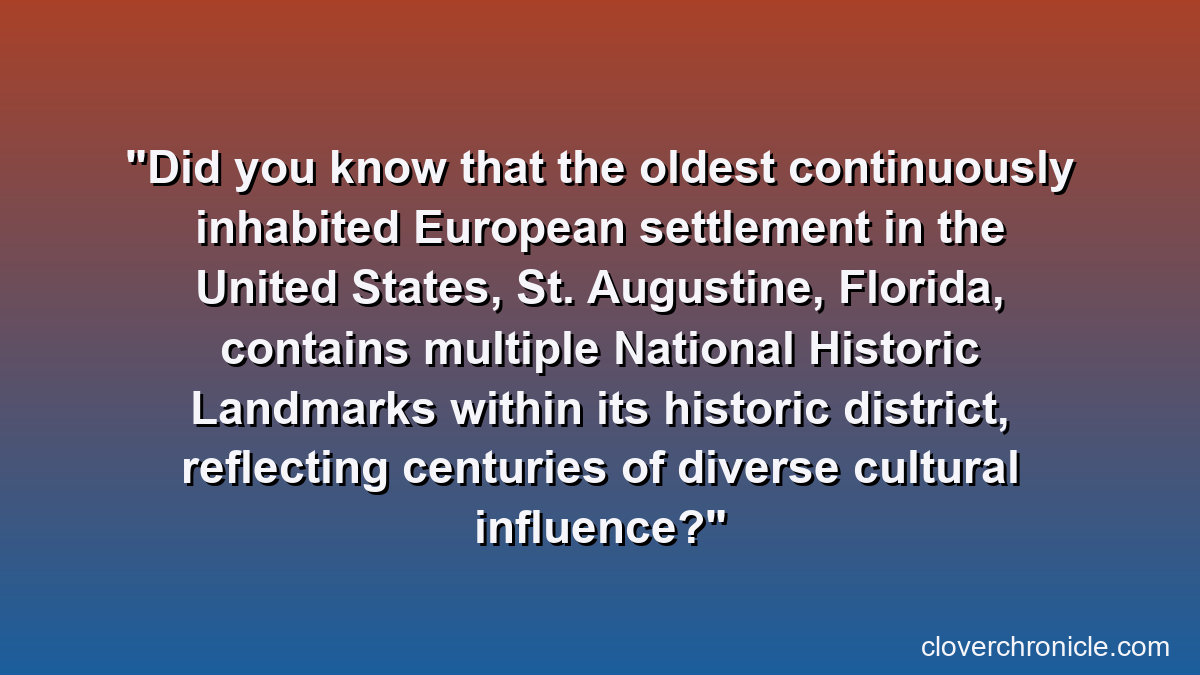
- 📍 Historic Districts: Entire neighborhoods or areas recognized for their collective historical or architectural significance.
- 📜 Battlefields and Military Sites: Preserving the locations of pivotal conflicts, from the Revolutionary War to the Civil Rights Movement.
🎨 Architectural, Cultural, and Natural Significance
NHLs are designated for various types of significance:
- 🏡 Architectural Significance: Buildings representing outstanding examples of a particular style, period, or the work of a master architect.
- 🎭 Cultural Significance: Places associated with significant events, individuals, or cultural practices that have shaped the nation. This includes sites tied to the Lewis and Clark expedition, such as those along the Lewis and Clark National Historic Trail: Retracing the Expedition.
- 🌳 Natural Significance: While primarily historical, some natural landscapes are designated for their exceptional historical or cultural association.
How to Engage with America’s Treasures
Visiting and supporting national historic landmarks is an excellent way to connect with the past and contribute to their ongoing preservation.
🗺️ Planning Your Visit
Visiting a national historic landmark can be an enriching experience:
- 💻 Research Ahead: Check the official NPS website or the specific landmark’s site for operating hours, accessibility, tours, and specific rules.
- 👟 Dress Comfortably: Many sites involve walking, and some are outdoors, so wear appropriate footwear and clothing.
- 📸 Capture Memories (Respectfully):: Photography is often permitted, but always be mindful of signage and other visitors.
- 📚 Engage with Interpreters: Park rangers and volunteers often provide invaluable insights and stories about the site.
💖 Supporting Preservation Efforts
Your involvement can make a difference:
- ➡️ Volunteer: Many sites rely on volunteers for maintenance, guiding tours, and educational programs.
- 🎁 Donate: Financial contributions directly support conservation, research, and educational initiatives.
- 📣 Advocate: Support legislation and policies that protect historic places and cultural heritage.
- 🌐 Spread Awareness: Share your experiences and knowledge about these incredible national landmarks with others.
Recommended Video
Conclusion: Safeguarding Our Heritage for Future Generations
The national historic landmarks of the United States are more than just points on a map; they are living testaments to the incredible journey of a nation. Each site, meticulously preserved and interpreted, offers a profound connection to the past, reminding us of the events, innovations, and people that have shaped our present. From the stoic beauty of ancient pueblos to the hallowed grounds of Civil Rights milestones, these national landmarks encapsulate the diverse and compelling narrative of America.
By understanding their significance, supporting their preservation through organizations like the National Park Service, and engaging with them directly, we ensure that these irreplaceable treasures remain vibrant resources for education, inspiration, and reflection for generations to come. They are indeed America’s enduring treasures, waiting to share their stories with all who seek to unearth the past’s greatest riddles.
What defines a National Historic Landmark?
A National Historic Landmark (NHL) is a building, site, structure, object, or district officially recognized by the U.S. government for its outstanding historical significance to the nation.
How many National Historic Landmarks are there?
As of late 2023, there are over 2,600 National Historic Landmarks across all 50 states, Washington D.C., and U.S. territories.
Who designates National Historic Landmarks?
NHLs are designated by the U.S. Secretary of the Interior, based on recommendations from the National Park Service’s National Historic Landmarks Program.
Can anyone visit National Historic Landmarks?
Many NHLs are publicly accessible, either as museums, parks, or part of national sites, while others are privately owned and may have restricted access or require appointments.

