


In a world constantly shaped by forces both visible and unseen, understanding our planet’s intricate workings is paramount. From the shifting of tectonic plates to the slow dance of erosion, Earth’s dynamics influence everything from our daily weather to the very ground beneath our feet. At the forefront of this critical scientific exploration stands the national geological society – a pivotal institution dedicated to unraveling the planet’s mysteries.
💡 Key Takeaways
- The National Geological Society plays a pivotal role in advancing global understanding of Earth’s complex systems.
- Their research encompasses diverse fields, including seismic activity, volcanology, climate patterns, and resource management.
- The Society is crucial for both scientific discovery and public education regarding geological phenomena.
- Understanding Earth’s dynamics is essential for predicting natural hazards and sustainable planetary stewardship.
“The National Geological Society is an indispensable beacon in our quest to understand Earth’s intricate dance. Their dedication to robust research and data empowers us to better predict geophysical shifts and model the subtle, yet profound, climate dynamics shaping our future.”
— Marcus Sterling, Geophysical Explorer & Climate Dynamics Analyst
These societies serve as beacons of knowledge, fostering research, education, and collaboration among geoscientists, and ensuring that vital information about Earth’s past, present, and future is accessible and understood. Dive with us into the profound impact and multifaceted roles of these essential organizations in understanding the hidden dynamics of our planet.
In This Article
- — 💡 Key Takeaways
- → The Core Mission of a National Geological Society
- — 🤝 Fostering Scientific Research and Collaboration
- — 💡 Education and Public Engagement
- — 🏛️ Influencing Policy and Standards
- → Unveiling Earth’s Dynamics: Key Areas of Study
- — 🌋 Plate Tectonics and Seismology
- — 🌍 Climate Change and Paleoclimatology
- — 💎 Resource Exploration and Management
- — ⚡ Understanding Natural Hazards
- → From Field to Geological Laboratory: The Backbone of Discovery
- — 🗺️ Data Collection in the Field
- — 🔬 Analytical Techniques in the Lab
- — 💻 Advanced Modeling and Simulation
- → Mapping the Geological Landscape: Practical Applications and Beyond
- — 🏗️ Infrastructure Development
- — 🌱 Environmental Protection
- — 🏛️ Heritage and Conservation
- → Collaboration and Global Impact
- — 🌐 International Partnerships
- — 📚 The Role of Publications and Conferences
- → Conclusion: The Enduring Value of Geological Societies
The Core Mission of a National Geological Society
A national geological society is more than just an association; it’s a cornerstone of Earth science, uniting experts, fostering innovation, and disseminating knowledge. Their missions are typically broad, encompassing scientific advancement, education, and public service.
🤝 Fostering Scientific Research and Collaboration
Central to any geological society is the promotion of scientific research. They achieve this by:
- ✅ Funding groundbreaking studies into Earth processes, from volcanism to glaciation.
- ✅ Organizing conferences, workshops, and symposia where researchers can share findings and collaborate.
- ✅ Publishing peer-reviewed journals, reports, and books that establish new baselines for geological understanding.
- ✅ Connecting academic institutions, government agencies, and industry to tackle complex Earth science challenges.
💡 Education and Public Engagement
Beyond research, these societies play a crucial role in educating the public and future generations of geoscientists. This includes:
- ➡️ Developing educational resources for schools and universities.
- ➡️ Hosting public lectures and outreach events to explain geological phenomena.
- ➡️ Providing scholarships and grants to students pursuing geology.
- ➡️ Advocating for Earth science literacy and the importance of geological understanding in daily life.
🏛️ Influencing Policy and Standards
National geological societies often act as authoritative voices on Earth science matters, advising policymakers on issues ranging from natural hazard mitigation to resource management. They contribute by:
- ✅ Providing expert scientific input on environmental regulations.
- ✅ Developing professional standards and ethics for geologists.
- ✅ Advocating for funding in geological research and education.
Unveiling Earth’s Dynamics: Key Areas of Study
The scope of geological study is vast, covering billions of years of Earth’s history and processes that continue to shape our world. A national geological society supports and highlights research across this diverse spectrum, contributing significantly to our understanding of Earth’s Unseen Forces: The Hidden Dynamics of Our Planet.
🌋 Plate Tectonics and Seismology
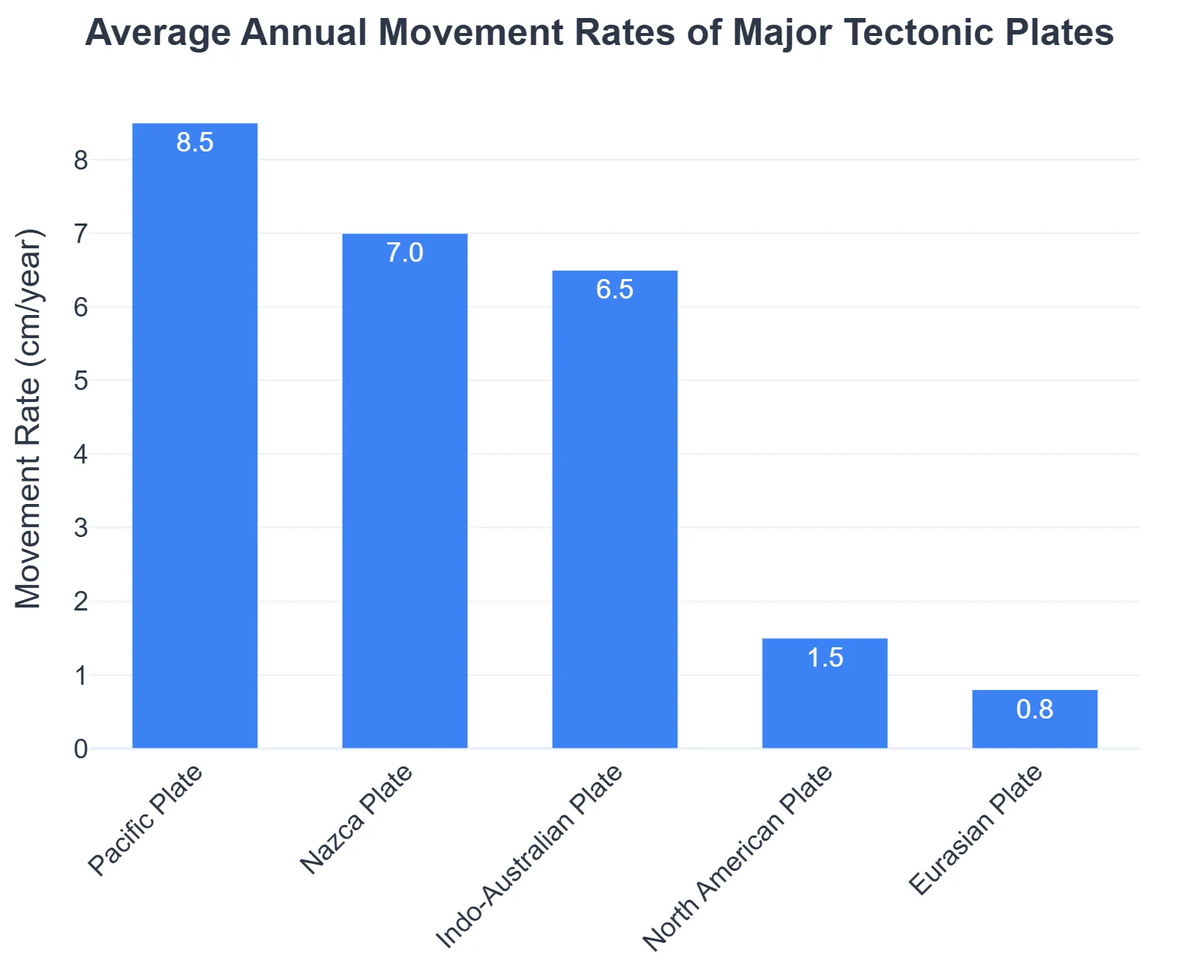
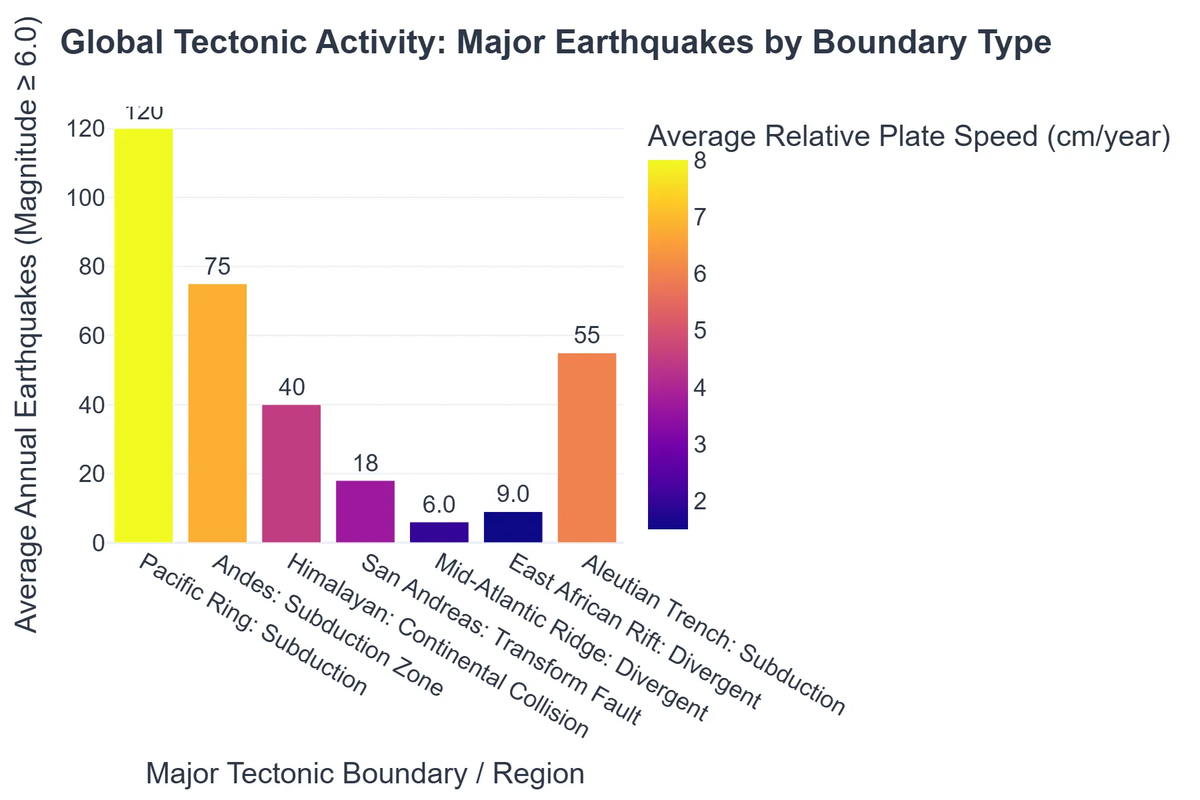
Understanding plate tectonics is fundamental to geology. Societies support research into how Earth’s lithospheric plates move, interact, and generate phenomena like earthquakes, volcanoes, and mountain ranges. For more on how these forces shape our planet, explore the USGS’s “This Dynamic Earth”.
🌍 Climate Change and Paleoclimatology
Geological records offer crucial insights into past climate changes, helping scientists understand current and future trends. Societies facilitate studies on:
- ➡️ Ancient climates (paleoclimatology) through ice cores, sediment layers, and fossil records.
- ➡️ The geological impacts of modern climate change, such as sea-level rise and glacier retreat.
💎 Resource Exploration and Management
Geologists are essential for locating and managing Earth’s natural resources, including minerals, energy sources, and water. Societies often compile and publish comprehensive geology field guides that are indispensable for prospecting and exploration. This area is closely linked to Resource Geology: Unearthing Earth’s Natural Assets, a critical field for sustainable development.
⚡ Understanding Natural Hazards
Mitigating the risks of natural hazards like earthquakes, landslides, and tsunamis is a key concern. Geological societies promote research and public awareness to help communities prepare for and respond to these events.
From Field to Geological Laboratory: The Backbone of Discovery
The journey of geological discovery often begins in the field but is rigorously tested and analyzed in the geological laboratory. This symbiotic relationship is critical for advancing our understanding of Earth’s materials and processes.
National Geological Society: Benefits and Challenges
Pros
- ✔Advances scientific understanding of Earth’s processes.
- ✔Informs public policy on natural hazards and resource management.
- ✔Promotes public education and awareness in geosciences.
- ✔Fosters professional collaboration and networking among experts.
Cons
- ✖Potential for bureaucratic inefficiencies and slow adaptation.
- ✖Funding limitations can restrict research scope and outreach.
- ✖Membership fees may pose a barrier to broader participation.
- ✖Focus might lean heavily towards academic research over immediate practical applications.
🗺️ Data Collection in the Field
Geologists spend considerable time in diverse environments, from deserts to mountains, collecting samples, mapping formations, and observing processes in action. Essential tools include specialized equipment for seismic surveys, GPS for precise mapping, and, of course, a reliable geology field guide to identify rocks, minerals, and geological structures.
🔬 Analytical Techniques in the Lab
Once samples are collected, they head to the geological laboratory for detailed analysis. Here, techniques include:
- ✅ Petrography and mineralogy using microscopes and X-ray diffraction.
- ✅ Geochemical analysis to determine elemental composition and isotopic ratios.
- ✅ Geochronology for dating rocks and events using radiometric methods.
- ✅ Paleontological analysis of fossils to understand past life and environments.
💻 Advanced Modeling and Simulation
Modern geology heavily relies on computational models and simulations. These tools help scientists to:
- ➡️ Predict earthquake behavior and volcanic eruptions.
- ➡️ Model fluid flow in groundwater systems and hydrocarbon reservoirs.
- ➡️ Simulate long-term geological processes like mountain building and continental drift.
Mapping the Geological Landscape: Practical Applications and Beyond
The insights gained through geological research have profound practical applications, directly impacting infrastructure, environmental protection, and cultural heritage. Understanding the geological landscape is not merely academic; it’s vital for human society.
🏗️ Infrastructure Development
Geological knowledge is fundamental for safe and sustainable infrastructure. Engineers rely on geological surveys for:
- ✅ Site selection for buildings, bridges, and dams to ensure stability.
- ✅ Understanding soil and rock properties for foundation design.
- ✅ Identifying potential geological hazards that could impact construction.
🌱 Environmental Protection
Geologists contribute to environmental sustainability by studying groundwater resources, assessing pollution, and understanding natural carbon cycles. They help manage sites like Geological Depressions: Exploring Earth’s Sunken Features for environmental health.
🏛️ Heritage and Conservation
Protecting geological heritage sites, such as unique rock formations or significant fossil localities, is another important role. Societies often advocate for the designation and conservation of geological monuments and parks, ensuring that future generations can appreciate and learn from Earth’s rich history.
Collaboration and Global Impact
Geological challenges often transcend national borders. National geological societies frequently collaborate with international counterparts, academic institutions, and organizations like the Geological Society of America to address global issues. The work of organizations like the USGS: Guardians of Earth’s Dynamics also underscores the collaborative nature of this field.
🌐 International Partnerships
Working together, geological societies facilitate the exchange of data, methodologies, and expertise to tackle large-scale problems such as global climate change, transboundary water resources, and understanding seismic activity across continents.
📚 The Role of Publications and Conferences
The scientific findings and advancements supported by national geological societies are primarily disseminated through their publications and conferences. These platforms are crucial for peer review, knowledge sharing, and fostering the scientific discourse necessary for progress.
Recommended Video
Conclusion: The Enduring Value of Geological Societies
The national geological society stands as an indispensable pillar in our quest to comprehend Earth’s complex dynamics. Through relentless research, dedicated education, and proactive public engagement, these organizations illuminate the forces that shape our world, from the deepest mantle currents to the subtle shifts of the Earth’s surface. They equip us with the knowledge to manage resources sustainably, mitigate natural hazards, and appreciate the planet’s vast and ancient history. As our understanding of Earth continues to evolve, the vital role of geological societies will only grow, ensuring that we remain informed stewards of our dynamic home.
Frequently Asked Questions
What is the primary mission of the National Geological Society?
The National Geological Society’s primary mission is to advance geological knowledge, promote Earth science education, and apply scientific understanding to address societal challenges related to Earth’s processes and resources.
How does the Society contribute to understanding climate change?
The Society contributes significantly by researching paleoclimate records, analyzing geological indicators of past climate shifts, and studying the impact of geological processes on current climate dynamics, providing crucial context for future projections.
What types of research does the National Geological Society conduct?
Their research spans a wide range of Earth sciences, including seismology, volcanology, mineralogy, hydrology, oceanography, planetary geology, environmental geology, and the study of natural hazards.