
Pluton Geology: Exploring Earth’s Deep Igneous Intrusions
Beneath the Earth’s surface lies a hidden world of immense geological activity, shaping the continents and influencing the very ground we stand on. Among the most fundamental components of this subterranean realm are plutons – vast bodies of cooled, solidified magma that have never reached the surface as volcanic eruptions. Understanding pluton geology is crucial for unraveling the planet’s deep history, deciphering tectonic processes, and even discovering valuable mineral resources.
💡 Key Takeaways
- Plutons are large bodies of intrusive igneous rock that solidify deep within the Earth’s crust from cooling magma.
- Their study provides crucial insights into crustal evolution, mountain building processes, and the dynamics of magmatic systems.
- Various types of plutons, such as batholiths, stocks, dikes, and sills, reflect different scales and geometries of magma intrusion.
- Understanding the uplift and erosion of plutons helps scientists reconstruct ancient geological environments and tectonic history.
“Plutons, these silent architects beneath our feet, reveal not just the mechanics of crustal assembly but also deep-time climate feedback loops as they alter surface topography and mineral weathering rates over eons.”
— Marcus Sterling, Geophysical Explorer & Climate Dynamics Analyst
This comprehensive guide delves into the fascinating world of igneous intrusions, exploring their formation, diverse types, the processes that bring them to light, and their profound significance. Prepare to gain an expert-level understanding of these unseen forces that sculpt our world from within, a key aspect of Earth’s Unseen Forces: The Hidden Dynamics of Our Planet.
In This Article
- → Pluton Geology: Exploring Earth’s Deep Igneous Intrusions
- — 💡 Key Takeaways
- → What Are Plutons? Defining Deep Igneous Bodies
- — 💡 Formation Processes
- — ✅ Key Characteristics
- → The Diverse Forms of Plutons: Types of Intrusions
- — 🏔️ Batholiths and Stocks
- — 💧 Laccoliths, Sills, and Dikes
- → Magma Emplacement and Crystallization
- — 🌡️ Cooling Rates and Crystal Size
- — 🪨 Textural Variations
- — 🌍 Host Rock Interaction (Contact Metamorphism)
- → Tectonic Settings and Pluton Genesis
- — ➡️ Convergent Plate Boundaries
- — ⬆️ Extensional Environments
- → Exhumation and Exposure: Bringing Plutons to the Surface
- — ⛰️ The Role of Erosion
- — 🔄 Isostatic Uplift
- → The Economic and Environmental Significance of Plutons
- — ⛏️ Mineral Deposits
- — 💧 Geothermal Potential
- → Conclusion
What Are Plutons? Defining Deep Igneous Bodies
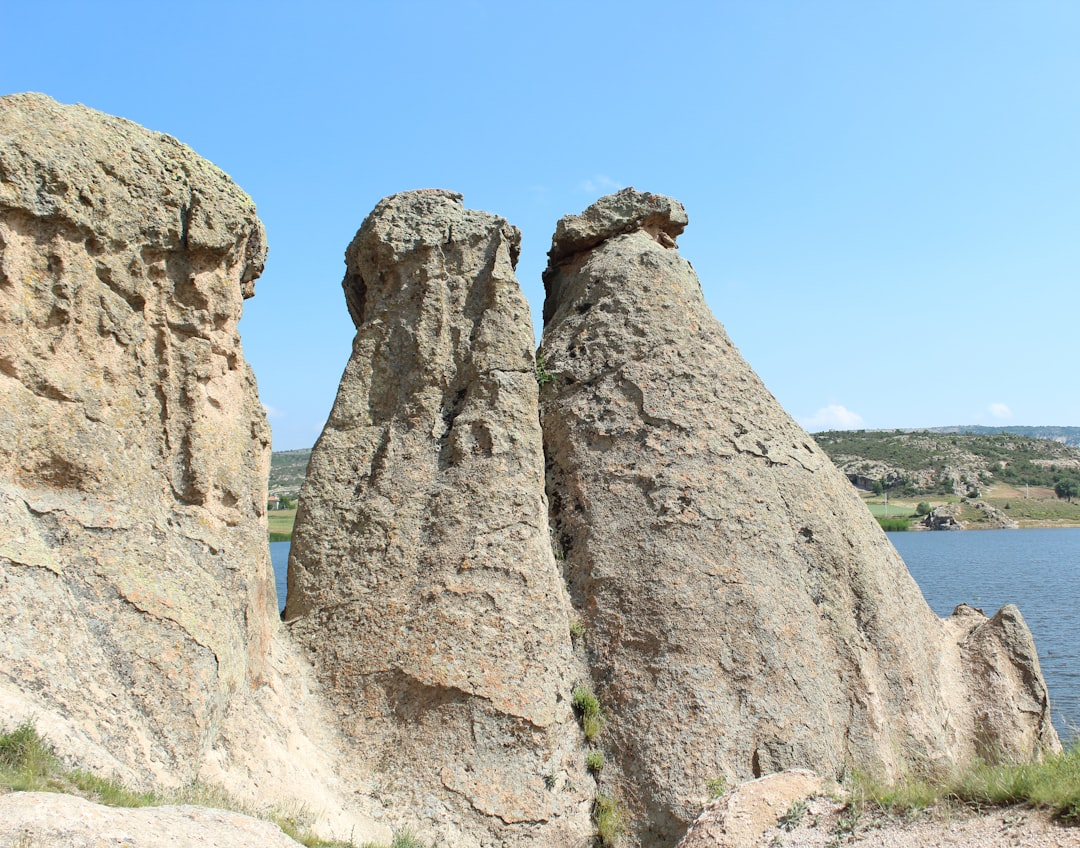
Plutons are defined as large masses of intrusive igneous rock that formed when magma cooled and crystallized slowly beneath the Earth’s surface. Unlike volcanic rocks, which solidify rapidly on or near the surface, plutonic rocks (also known as intrusive igneous rocks) develop large, interlocking crystals due to their prolonged cooling times, often over millions of years.
💡 Formation Processes
- ✅ Magma Generation: Plutons begin as magma generated deep within the Earth, often in the mantle or lower crust, typically at subduction zones, continental rifts, or hot spots.
- ➡️ Ascension: This buoyant magma then rises through the crust, exploiting weaknesses such as faults, fractures, or zones of differing density.
- 🧊 Emplacement and Cooling: As the magma ascends, it cools and solidifies, forming a crystalline rock body. The slow cooling rate allows for the growth of macroscopic mineral crystals. This process is distinct from the rapid cooling that forms volcanic rocks, as discussed in our guide on Volcano Geology: Understanding Earth’s Fiery Formations.
✅ Key Characteristics
Several features distinguish plutons from other rock types:
- Intrusive Nature: They cut across or intrude into pre-existing rock layers (country rock or host rock).
- Coarse-Grained Texture: Due to slow cooling, the minerals have ample time to grow, resulting in a phaneritic (coarse-grained) texture. Common examples include granite, granodiorite, diorite, and gabbro. The U.S. Geological Survey provides a helpful overview of igneous rocks and their formation: What are igneous rocks?
- Discordant or Concordant: They can be discordant (cutting across existing rock layers) or concordant (intruding parallel to existing layers).
- Evidence of Contact Metamorphism: The heat from the intruding magma can alter the surrounding host rock, creating a metamorphic aureole or contact zone.
The Diverse Forms of Plutons: Types of Intrusions
Plutons come in various shapes and sizes, each reflecting different emplacement mechanisms and geological settings. These forms are collectively known as plutonic or intrusive igneous landforms.

🏔️ Batholiths and Stocks
- Batholiths: These are the largest types of plutons, spanning over 100 square kilometers (40 square miles) in surface exposure. They are typically composed of multiple individual plutons that have coalesced. Examples include the Sierra Nevada Batholith in North America.
- Stocks: Similar to batholiths but smaller, stocks have an exposed surface area of less than 100 square kilometers. They can often be offshoots of larger batholiths.
💧 Laccoliths, Sills, and Dikes
- Laccoliths: These are mushroom-shaped intrusions that have pushed up the overlying rock layers, creating a dome-like structure on the surface. They are typically concordant.
- Sills: Sills are tabular, concordant intrusions that form when magma intrudes parallel to existing layers of sedimentary or metamorphic rock.
- Dikes: Dikes are tabular, discordant intrusions that cut across existing rock layers. They often form in cracks or fissures and can be seen radiating from central intrusive bodies or volcanic necks. The National Park Service offers more on these intrusive landforms: Volcanic Landforms: Intrusive Igneous.
Magma Emplacement and Crystallization
The process by which magma solidifies into plutonic rock is a complex interplay of temperature, pressure, and chemical composition. This process dictates the texture and mineralogy of the resulting rock.
🌡️ Cooling Rates and Crystal Size
- ✅ Slow Cooling: Because plutons form deep within the Earth, they are insulated by surrounding rock, allowing for extremely slow cooling rates.
- ➡️ Large Crystals: This extended cooling period provides ample time for mineral crystals to grow to macroscopic sizes, resulting in the characteristic coarse-grained (phaneritic) texture of plutonic rocks.
- 📈 Temperature Gradients: Cooling typically progresses from the margins inward, leading to slight variations in crystal size within the same pluton.
🪨 Textural Variations
While coarse-grained is typical, variations exist:
- Pegmatites: Extremely coarse-grained igneous rocks, often found at the margins of plutons, indicating late-stage crystallization from water-rich magmas.
- Aphanitic Margins: Sometimes, very rapid cooling at the immediate contact with colder country rock can produce finer-grained (aphanitic) or even glassy textures at the pluton’s edges.
🌍 Host Rock Interaction (Contact Metamorphism)
The heat and fluids emanating from an intruding magma body can significantly alter the surrounding host rock, a process known as contact metamorphism. This creates a metamorphic aureole, a zone around the pluton where original rocks are transformed into new metamorphic rocks like hornfels, skarn, or quartzite. The size and intensity of the aureole depend on the magma’s temperature, size of the intrusion, and the host rock’s composition.
Tectonic Settings and Pluton Genesis
The formation of plutons is intimately linked to plate tectonics, with different tectonic environments favoring distinct types of magma generation and emplacement.
➡️ Convergent Plate Boundaries
- Subduction Zones: Many of the largest batholiths are associated with subduction zones, where oceanic crust descends beneath continental or other oceanic crust. The dehydration of the subducting slab lowers the melting point of the overlying mantle wedge, generating magma that rises to form arc volcanism and associated plutons. The Andes Mountains and the North American Cordillera are prime examples.
- Continental Collisions: The collision of two continental plates can lead to crustal thickening and heating, resulting in widespread partial melting and the formation of large granitic plutons. The Himalayas and the European Alps contain numerous such intrusions.
⬆️ Extensional Environments
- Continental Rifts: Where continents are pulling apart, decompression melting of the mantle can occur, leading to the formation of mafic (iron and magnesium rich) magmas that can intrude to form gabbroic sills and dikes, or even larger plutons if extensional forces persist.
- Oceanic Spreading Centers: Beneath mid-ocean ridges, vast amounts of basaltic magma intrude to form new oceanic crust, including layered gabbro intrusions.
Exhumation and Exposure: Bringing Plutons to the Surface
Though formed deep underground, many plutons are now exposed at the Earth’s surface, forming prominent mountain ranges and significant geological features. This process is known as exhumation.
⛰️ The Role of Erosion
Over millions of years, the overlying rock layers are progressively removed by weathering and erosion (wind, water, ice), gradually exposing the resistant plutonic rocks beneath. This often leaves behind characteristic rounded or dome-shaped landforms, such as Yosemite’s Half Dome, which is a classic exposed granite pluton.
🔄 Isostatic Uplift
As overlying material is removed, the crust lightens, leading to isostatic uplift – a buoyancy-driven rise of the landmass. This further aids in the exhumation of deeply buried plutons. To learn more about this fascinating process, explore our article on Exhumation Geology: How Rocks Rise from Earth’s Depths.
The Economic and Environmental Significance of Plutons
Plutons are not just academic curiosities; they hold immense practical importance for human society.
⛏️ Mineral Deposits
- ✅ Hydrothermal Mineralization: As plutons cool, hot, mineral-rich fluids can migrate through fractures in the surrounding rocks and the pluton itself. These fluids can deposit economically valuable minerals such as gold, silver, copper, molybdenum, and tin, forming ore bodies.
- ➡️ Pegmatite Deposits: Pegmatites, often associated with the margins of granitic plutons, can host rare and valuable minerals like lithium, beryllium, tantalum, and gemstones. Our guide on Mineralization in Geology: Formation of Precious Deposits offers a deeper dive into this topic.
💧 Geothermal Potential
In some regions, the residual heat from relatively young or still-cooling plutons can be harnessed for geothermal energy production, providing a sustainable source of power. The heat can also create hot springs and geysers at the surface.
Recommended Video
Conclusion
Pluton geology offers a captivating glimpse into the Earth’s dynamic interior. These deep-seated igneous intrusions represent the crystallized remnants of molten rock that never reached the surface, yet they profoundly influence the planet’s crustal structure, topography, and resource distribution. From the majestic batholiths forming mountain ranges to the hidden dikes and sills, plutons are testament to the ongoing processes of magma generation, emplacement, and exhumation that continuously reshape our world.
By studying plutons, geologists gain critical insights into past and present tectonic activity, the evolution of continental crust, and the genesis of countless mineral deposits. They are truly the unsung heroes of Earth’s unseen forces, silently working beneath our feet to define the very landscape we inhabit.
Frequently Asked Questions
What exactly is a pluton?
A pluton is a body of intrusive igneous rock that formed from magma cooling and solidifying beneath the Earth’s surface, deep within the crust.
How do plutons form?
Plutons form when magma rises from the mantle or lower crust but does not erupt. Instead, it slowly cools and crystallizes within pre-existing rock layers, often over millions of years.
What are common types of plutons?
Common types include batholiths (very large, irregular masses), stocks (smaller, irregular masses), dikes (sheet-like intrusions that cut across rock layers), and sills (sheet-like intrusions that are parallel to rock layers).
Why are plutons important to study in geology?
Studying plutons helps geologists understand processes like crustal growth, mountain building, the dynamics of magma chambers, and the formation of associated mineral deposits, providing insights into Earth’s internal workings.