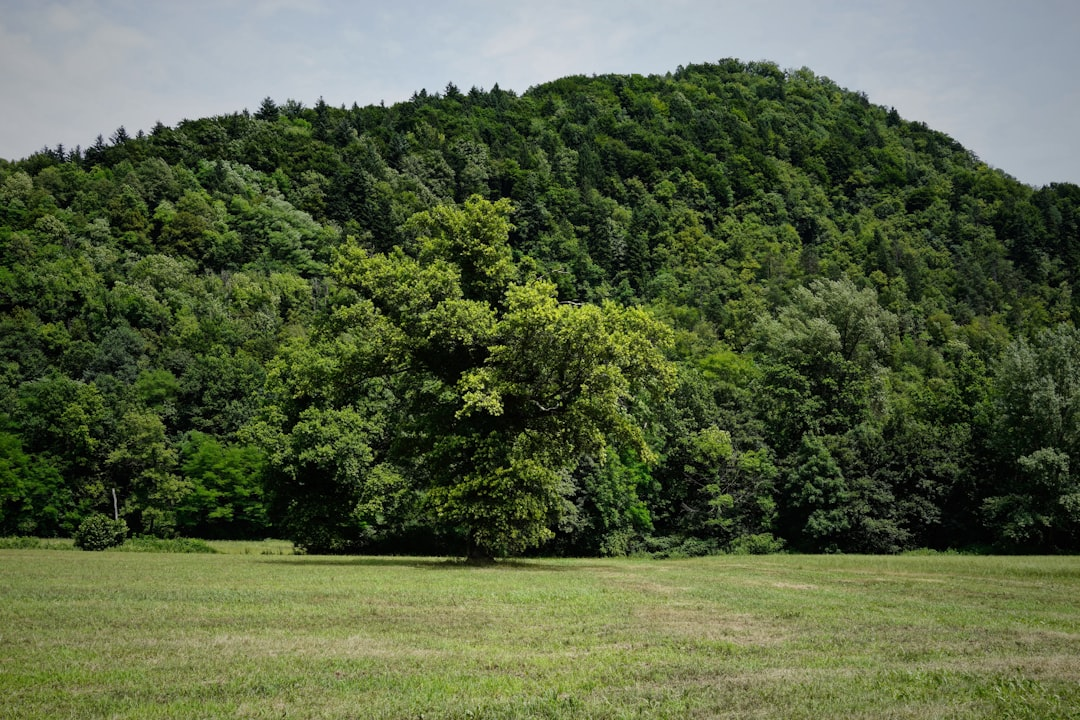
Biodiversity, a term often heard but sometimes misunderstood, refers to the incredible variety of life on Earth at all its levels, from genes to ecosystems. It encompasses the diversity within species, between species, and of ecosystems. This vast tapestry of life forms the very foundation of our planet’s health and provides essential services that sustain human existence.
💡 Key Takeaways
- Biodiversity is the foundation of healthy, resilient ecosystems that support all life.
- It plays a critical role in regulating Earth’s climate and providing essential resources.
- Human activities are rapidly diminishing biodiversity, leading to significant global challenges.
- Protecting and restoring biodiversity is crucial for the planet’s future and human well-being.
“Biodiversity isn’t just about species counts; it’s the intricate operating system of our planet. Its decline directly impacts our climate stability and the very habitability of Earth.”
— Dr. Marcus Sterling, PhD, Planetary Geoscientist & Climatologist
A truly biodiverse environment is one that is rich in different kinds of living organisms and the complex interactions between them. This intricate web of life is not just a scientific curiosity; it is a critical component of Earth’s unseen forces, silently working to maintain the delicate balance of our global systems.
In This Article
- — 💡 Key Takeaways
- → What Exactly is Biodiversity?
- → The Indispensable Role of Biodiversity in Ecosystems
- → Biodiversity and Human Well-being: A Direct Connection
- — 🍎 Food Security and Biodiverse Farming
- — 💊 Medicine and Research
- — 🎨 Cultural, Recreational, and Aesthetic Value
- → Threats to Biodiversity and Why We Should Care
- → Protecting Biodiversity: Collective Action for a Sustainable Future
- — 🌍 Global and National Conservation Efforts
- — 👩🌾 Sustainable Resource Management
- — 💡 Individual and Community Actions
What Exactly is Biodiversity?
Biodiversity is more than just the number of different species in a given area. It’s a comprehensive concept broken down into three main levels:
- ✅ Genetic Diversity: This is the variation of genes within a single species. High genetic diversity makes a species more resilient to diseases, pests, and environmental changes. Think of different potato varieties – some might be resistant to certain blights, ensuring food security.
- ✅ Species Diversity: This refers to the variety of different species within a particular ecosystem or on Earth as a whole. A forest with many types of trees, animals, fungi, and microbes is more species-diverse than a monoculture plantation.
- ✅ Ecosystem Diversity: This describes the variety of habitats, communities, and ecological processes in the biosphere. From deserts and rainforests to coral reefs and tundra, each ecosystem plays a unique role in the global system, supporting distinct sets of species and interactions.
Understanding these levels is crucial because the health of one often depends on the health of the others. The loss of genetic diversity can weaken a species, making it more vulnerable to extinction, which in turn reduces species diversity and can destabilize entire ecosystems. For a deeper understanding of the planet’s intricate workings, explore Earth’s Unseen Forces: The Hidden Dynamics of Our Planet.
The Indispensable Role of Biodiversity in Ecosystems
The vast array of life on Earth provides what scientists call “ecosystem services”—the countless benefits that nature provides to humanity. These services are often taken for granted but are absolutely vital for our survival.
- 💧 Water Purification: Wetlands and diverse plant communities naturally filter pollutants from water, ensuring clean drinking water supplies.
- reathe Air Quality Regulation: Forests and marine phytoplankton produce oxygen and absorb carbon dioxide, helping to regulate the Earth’s atmosphere and mitigate climate change.
- 🌱 Soil Health and Fertility: A biodiverse soil community, rich in microorganisms, fungi, and invertebrates, is essential for nutrient cycling, preventing erosion, and maintaining agricultural productivity.
- 🐝 Pollination: Over 75% of the world’s food crops depend on animal pollination, primarily by insects like bees and butterflies, highlighting the critical role of diverse pollinator populations.
- ⚖️ Pest and Disease Control: Diverse ecosystems are more resilient to outbreaks. Natural predators and parasites found in healthy ecosystems help control pest populations, reducing the need for chemical interventions.
When biodiversity declines, these services are compromised, leading to a ripple effect that can impact everything from food security to natural disaster resilience. Maintaining robust ecosystems with high biodiversity is thus a core tenet of planetary health.
Biodiversity and Human Well-being: A Direct Connection
Our lives are inextricably linked to biodiversity, often in ways we don’t immediately recognize. From the food on our plates to the medicines that heal us, biodiversity is a cornerstone of human well-being.
🍎 Food Security and Biodiverse Farming
The variety of crops, livestock, and fish species is fundamental to global food security. A narrow genetic base in agricultural systems makes them vulnerable to disease and climate shocks. That’s why preserving agricultural biodiversity is paramount for a stable food supply. Healthy ecosystems also support the wild relatives of domesticated crops, which provide a genetic reservoir for developing new, more resilient varieties.
The concept of biodiverse farming, or agro-diversity, embraces practices that integrate a variety of crops, animals, and natural habitats within agricultural landscapes. This approach enhances resilience, reduces reliance on external inputs, and supports a healthier environment. To learn more about how this impacts our future, read our article on Agrodiversity: Protecting Earth’s Agricultural Future.
💊 Medicine and Research
Many of the most important pharmaceutical compounds are derived from natural sources. From aspirin (willow bark) to penicillin (fungus), nature has been a vast pharmacy. Every time a species goes extinct, we potentially lose a cure for a disease or a key to scientific discovery before we even knew it existed.
🎨 Cultural, Recreational, and Aesthetic Value
Beyond the utilitarian, biodiversity provides immense cultural, recreational, and aesthetic value. Nature inspires art, literature, and spiritual practices. Ecotourism relies on vibrant, biodiverse environments, supporting local economies and fostering a deeper connection to the natural world. Many of Earth’s most breathtaking places are also High Biodiversity Hotspots: Earth’s Richest Regions.
Threats to Biodiversity and Why We Should Care
Despite its critical importance, biodiversity is under unprecedented threat. The rate of species extinction today is estimated to be 1,000 to 10,000 times higher than the natural background rate. The main drivers of this loss include:
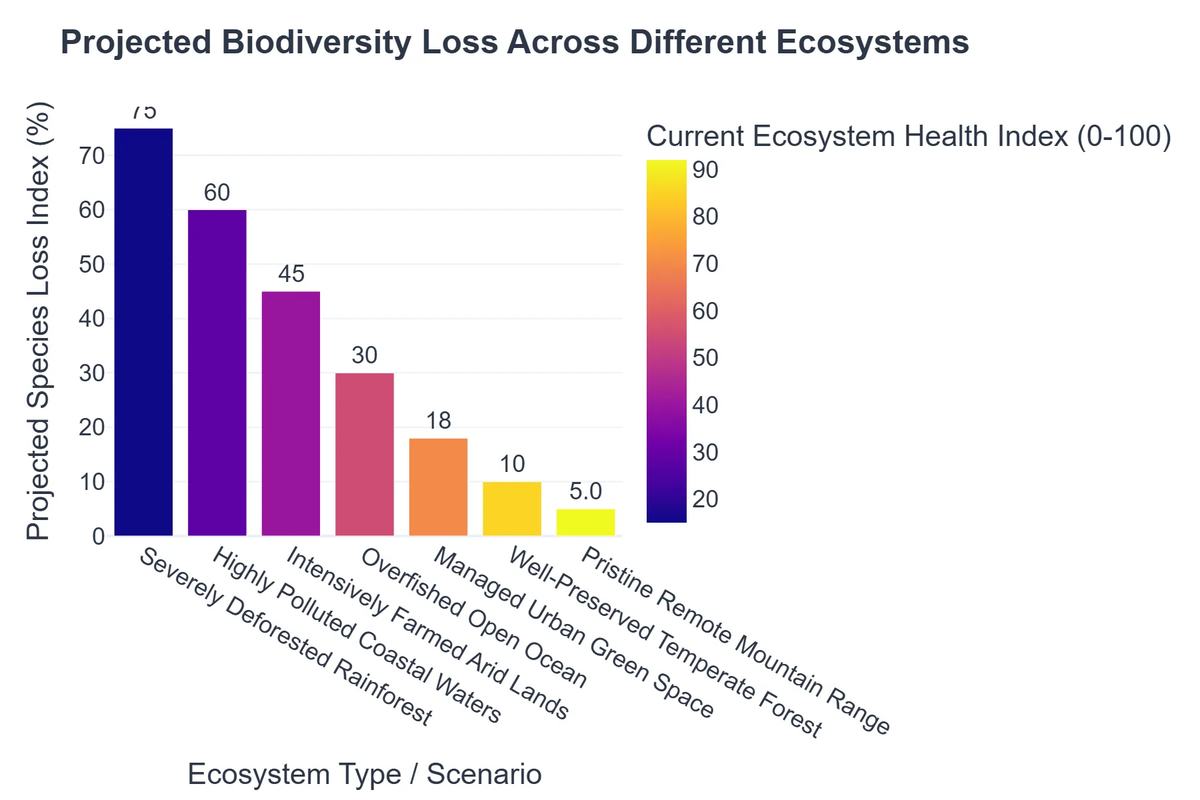
- 🏚️ Habitat Loss and Degradation: Deforestation, urbanization, agriculture, and mining destroy or fragment natural habitats, leaving species nowhere to live.
- 🌡️ Climate Change: Rising global temperatures, altered precipitation patterns, and extreme weather events push species beyond their adaptive limits, leading to population declines and range shifts.
- polluting_face Pollution: Chemical pollutants, plastics, and nutrient overload (e.g., from agricultural runoff) contaminate ecosystems, harming or killing organisms.
- 🎣 Overexploitation: Unsustainable fishing, hunting, logging, and harvesting practices deplete populations of wild species faster than they can reproduce.
- invasive_species Invasive Alien Species: Non-native species introduced into new environments can outcompete native species, disrupt food webs, and spread diseases.
The loss of biodiversity is not merely an environmental issue; it is a developmental, economic, security, social, and moral issue. It undermines our ability to adapt to challenges, diminishes our quality of life, and threatens the very stability of our planet. Global efforts, such as those discussed in COP15 Biodiversity: Decoding the Global Plan to Save Nature, are crucial to addressing these multifaceted threats.
Recommended Video
Protecting Biodiversity: Collective Action for a Sustainable Future
Safeguarding biodiversity requires a multifaceted approach involving governments, organizations, communities, and individuals. It’s about recognizing the true value of nature and integrating conservation into all aspects of our lives and policies.
🌍 Global and National Conservation Efforts
International agreements and national policies play a vital role in protecting critical habitats, regulating resource use, and combating illegal wildlife trade. Protected areas, national parks, and wildlife reserves are key strategies for preserving ecosystems. Global initiatives often stem from conferences like COP16 Biodiversity: Key Outcomes and Global Impact.
👩🌾 Sustainable Resource Management
Promoting sustainable agriculture, forestry, and fishing practices is essential. This includes supporting biodiverse farming methods, reducing waste, and ensuring that resources are harvested at a rate that allows for natural replenishment.
💡 Individual and Community Actions
Every individual can contribute to biodiversity conservation. Simple actions like reducing consumption, supporting sustainable businesses, minimizing your carbon footprint, and participating in local conservation initiatives can make a difference. Engaging with events and initiatives during Biodiversity Month: How to Engage and Make a Difference is an excellent way to start.
Ultimately, valuing biodiversity means understanding that our fate is intertwined with the health of the natural world. By working together to protect the incredible variety of life on Earth, we ensure a stable, resilient, and thriving planet for future generations.
What is biodiversity?
Biodiversity refers to the variety of life on Earth at all its levels, from genes to ecosystems. This includes diversity within species, between species, and of ecosystems.
Why is biodiversity important for the planet?
It provides essential ecosystem services such as clean air and water, pollination of crops, soil formation, nutrient cycling, and climate regulation, all vital for life.
What are the main threats to biodiversity?
Major threats include habitat loss and fragmentation, climate change, pollution, overexploitation of resources, invasive species, and disease.
How can individuals contribute to biodiversity conservation?
Individuals can help by supporting sustainable practices, reducing their carbon footprint, advocating for conservation policies, and protecting local habitats.