


VO2 Max & Longevity: A Metric for Longer Life?
In the evolving landscape of health and human performance, metrics offer insights into our well-being and potential lifespan. Among these, VO2 Max stands out as a powerful indicator of cardiovascular fitness. But beyond athletic prowess, does it truly hold the key to a longer, healthier existence? This comprehensive guide dives deep into the intricate relationship between vo2 max and longevity, exploring the science, practical applications, and expert perspectives.
💡 Key Takeaways
- VO2 Max is a strong independent predictor of all-cause mortality, indicating its critical role in health outcomes.
- Improving your aerobic fitness, as measured by VO2 Max, can significantly enhance both healthspan and overall lifespan.
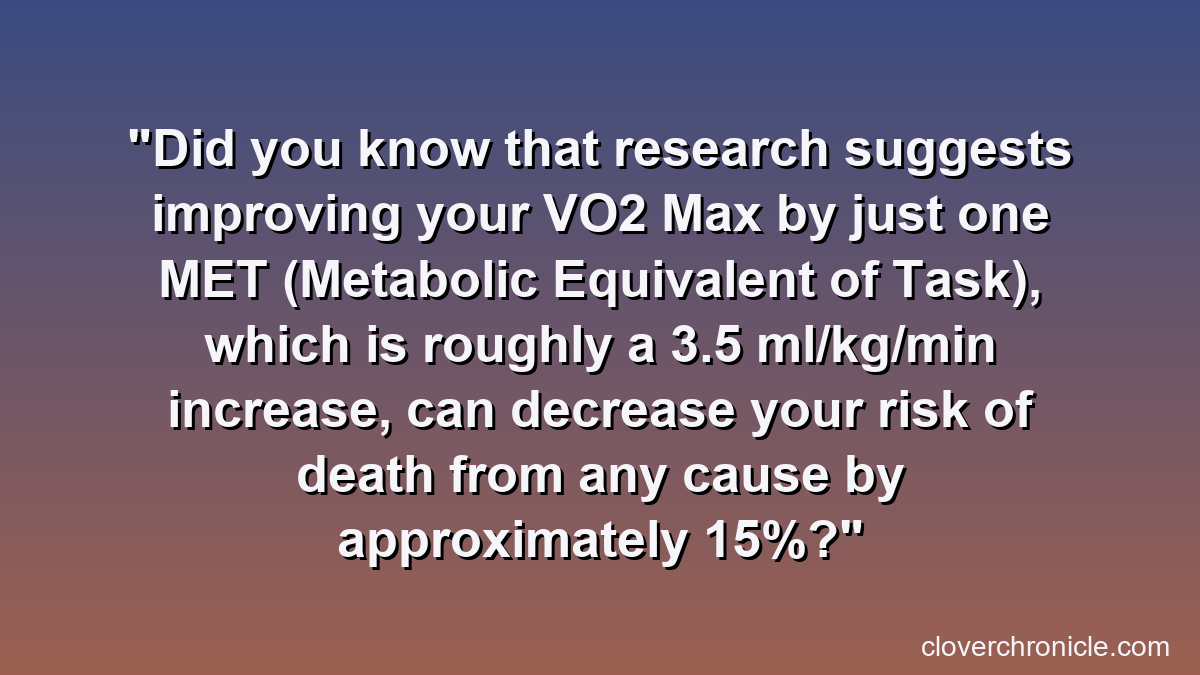
- Even modest increases in VO2 Max levels have been shown to yield substantial benefits for long-term health and survival.
- Regular, consistent cardiovascular exercise is the most effective strategy for optimizing VO2 Max and leveraging its longevity advantages.
“While VO2 Max quantifies physical fitness, its implications for cognitive resilience and mental well-being are profound. A robust cardiovascular system supports not just a longer life, but a sharper, more vibrant mind throughout that journey.”
— Eleanor Vance, Neuroscience Communicator & Cognitive Psychologist
VO2 Max, or maximal oxygen uptake, represents the maximum amount of oxygen your body can use during intense exercise. It’s a direct measure of your aerobic capacity and a robust predictor of cardiovascular health. Understanding its implications can profoundly influence your approach to health and longevity, a core focus of The Human Enigma: Unlocking the Secrets of Our Body and Mind.
In This Article
- → VO2 Max & Longevity: A Metric for Longer Life?
- — 💡 Key Takeaways
- → What Exactly is VO2 Max?
- — ⚙️ How VO2 Max is Measured
- — 💡 Why it Matters for Overall Health
- → The Compelling Link: VO2 Max and Longevity Research
- — 📈 Scientific Consensus and Studies
- — ❤️ The Role of Cardiovascular Health
- → Optimizing Your VO2 Max for a Longer Healthspan
- — 🏋️ Effective Training Strategies
- — 📊 Integrating VO2 Max Monitoring
- — 🍏 Lifestyle Factors Beyond Exercise
- → Debunking Myths and Understanding Nuances
- — 🧩 VO2 Max as One Piece of the Puzzle
- — ⏳ Age and Individual Variability
- → Practical Steps to Improve Your VO2 Max
- — 🔥 High-Intensity Interval Training (HIIT)
- — 🏃 Consistent Aerobic Exercise
- — 👨⚕️ Professional Guidance
- → Conclusion: VO2 Max – A Cornerstone, Not the Whole Story
What Exactly is VO2 Max?
At its core, VO2 Max is a measurement of how efficiently your body can deliver and utilize oxygen during maximal exertion. Think of it as the ultimate benchmark for your cardiovascular system’s engine. A higher VO2 Max indicates a more robust and efficient heart, lungs, and blood vessels, capable of supplying more oxygen to your working muscles.
⚙️ How VO2 Max is Measured
- ✅ Laboratory Testing: The most accurate method involves a graded exercise test on a treadmill or stationary bike, where oxygen consumption and carbon dioxide production are measured via a mask. This is often done in sports science labs.
- ✅ Field Tests: Simpler, less precise methods include various running or walking tests (e.g., Cooper test, Rockport walk test) that estimate VO2 Max based on performance.
- ✅ Wearable Tech: Many modern fitness trackers with VO2 Max monitoring estimate your VO2 Max using heart rate data, pace, and other metrics. While not as precise as lab tests, they offer a convenient way to track trends over time.
💡 Why it Matters for Overall Health
Beyond athletic performance, VO2 Max is a critical marker of overall health. Research consistently links higher aerobic capacity to a reduced risk of chronic diseases, including heart disease, type 2 diabetes, and certain cancers. It reflects the health of your entire cardiorespiratory system, which is fundamental to every bodily function.
The Compelling Link: VO2 Max and Longevity Research
The question of whether VO2 Max directly impacts how long and how well we live has been a subject of extensive scientific inquiry. The evidence strongly suggests a significant correlation.
📈 Scientific Consensus and Studies
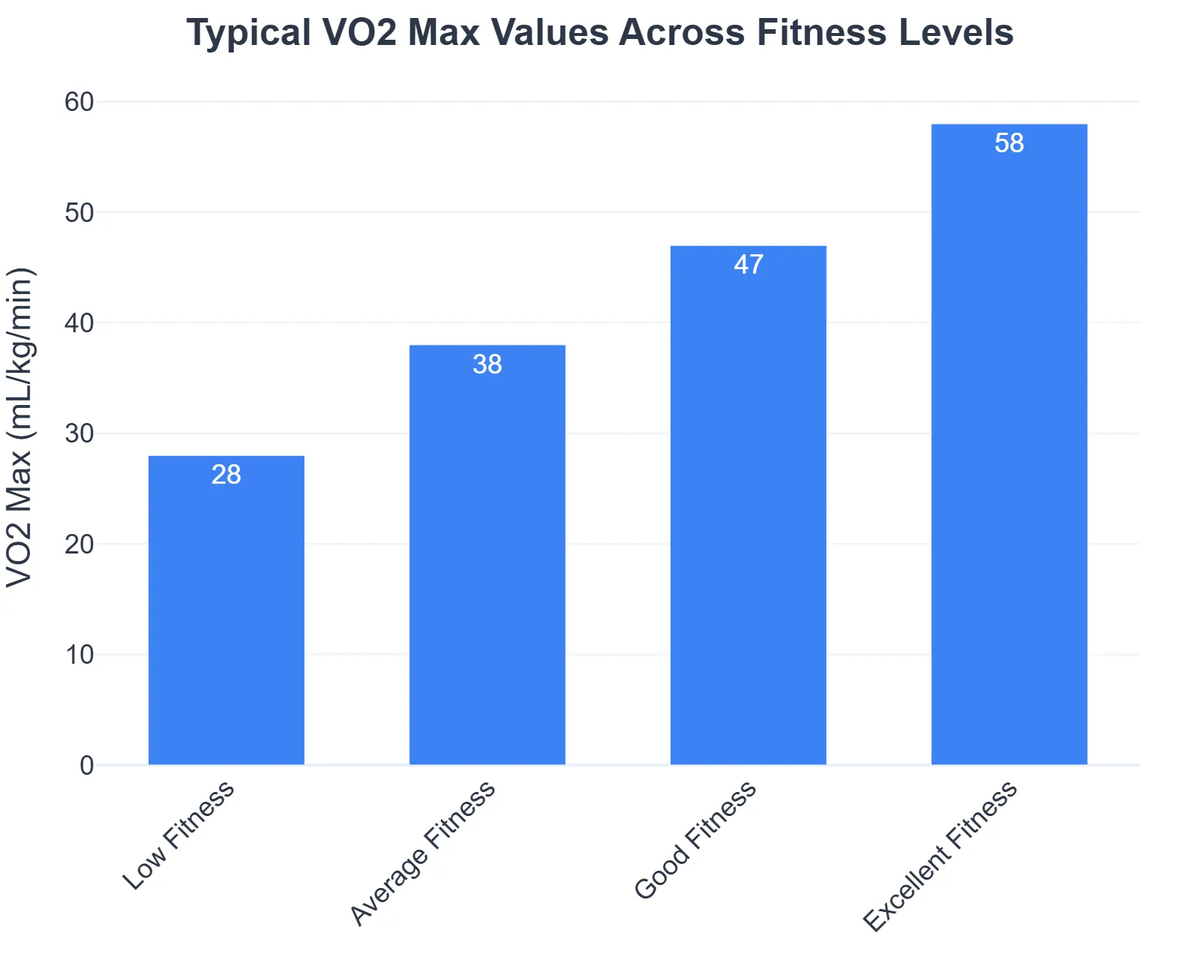
Numerous large-scale studies have demonstrated a clear inverse relationship between VO2 Max and all-cause mortality. In simple terms, individuals with higher levels of aerobic fitness tend to live longer. This isn’t just about avoiding specific diseases; it’s about overall resilience and physiological reserve. For instance, a meta-analysis published in PubMed (Survival of the fittest: VO2max, a key predictor of longevity?) underscored VO2 Max as a key predictor of longevity, even surpassing traditional risk factors like smoking or high blood pressure in some contexts.
As explored by experts like Peter Attia, optimizing VO2 Max is often considered a cornerstone of his longevity protocols, emphasizing its role in maintaining a robust “healthspan” – the period of life spent in good health. You can delve deeper into his insights in our article on VO2 Max: Peter Attia’s Guide to Optimizing Longevity.
❤️ The Role of Cardiovascular Health
A high VO2 Max signifies a healthy, efficient cardiovascular system. This means:
- ✅ Your heart can pump more blood with each beat (increased stroke volume).
- ✅ Your blood vessels are elastic and clear, allowing for optimal blood flow.
- ✅ Your muscles are more efficient at extracting oxygen from the blood.
These physiological adaptations reduce the workload on your heart, lower resting heart rate, improve blood pressure, and enhance glucose metabolism – all factors critical for preventing age-related diseases and extending healthspan.
Optimizing Your VO2 Max for a Longer Healthspan
The good news is that VO2 Max is highly adaptable and can be significantly improved through targeted training. It’s never too late to start reaping the benefits.
VO2 Max and Longevity: A Metric for a Longer Life?
Pros
- ✔Strongly correlated with reduced risk of all-cause mortality and chronic diseases.
- ✔Modifiable through regular exercise, empowering individuals to improve it.
- ✔Serves as an objective and quantitative measure of cardiorespiratory fitness.
- ✔A powerful predictor of future health outcomes, often more so than traditional risk factors.
Cons
- ✖Its accurate measurement can be complex, requiring specialized equipment and professional supervision.
- ✖Influenced by factors like age and genetics, making significant improvements challenging for some.
- ✖Longevity is multifactorial; VO2 Max is only one component among diet, lifestyle, and environment.
- ✖Overemphasis on the metric might detract from a holistic approach to health and well-being.
🏋️ Effective Training Strategies
To boost your VO2 Max, focus on activities that challenge your cardiovascular system. These include:
- ➡️ High-Intensity Interval Training (HIIT): Short bursts of maximal effort followed by brief recovery periods. This is exceptionally effective for improving aerobic capacity.
- ➡️ Consistent Aerobic Exercise: Long, steady-state cardio sessions at a moderate to vigorous intensity. Think running, cycling, swimming, or brisk walking for extended periods.
- ➡️ Varying Intensity: Incorporating both HIIT and steady-state cardio provides a comprehensive stimulus for your heart and lungs. Many structured cardio training programs blend these approaches for optimal results.
📊 Integrating VO2 Max Monitoring
Modern fitness trackers with VO2 Max monitoring have made tracking this metric more accessible than ever. While they provide estimates, consistently monitoring your VO2 Max allows you to:
- 💡 Track progress and see the impact of your training.
- 💡 Stay motivated by quantifiable improvements.
- 💡 Adjust your training intensity to continue challenging your system.
Remember, while the numbers are useful, listening to your body and consulting with fitness professionals are equally important.
🍏 Lifestyle Factors Beyond Exercise
While exercise is paramount, other lifestyle choices also play a role in supporting your cardiovascular health and, by extension, your VO2 Max:
- ✅ Nutrition: A balanced diet rich in whole foods supports overall health and energy levels for training. For example, understanding the benefits of Beans for Longevity: The Power of Pulses can contribute to your overall well-being.
- ✅ Sleep: Adequate, quality sleep is crucial for recovery and physiological adaptation to exercise.
- ✅ Stress Management: Chronic stress can negatively impact cardiovascular health.
All these factors contribute to the broader picture of longevity, alongside discussions like Muscle Mass & Longevity: Maintaining Strength for a Longer Life.
Boosting Corporate Vitality: ‘Vitality Dynamics’ Harnesses VO2 Max Insights
❓The Challenge
Vitality Dynamics’ client companies struggled with low employee energy levels, increased health-related absenteeism, and a general lack of proactive health engagement among their staff.
💡The Solution
Leveraging insights into the profound impact of VO2 Max on longevity and overall health, Vitality Dynamics redesigned its wellness program. They educated employees on cardiovascular fitness’s direct link to long-term well-being and integrated structured aerobic training with accessible VO2 Max tracking methods.
🏆The Result
Within 9 months, participating employees achieved an average 15% increase in their estimated VO2 Max scores, leading to a 22% reduction in health-related sick days and a marked improvement in overall workforce productivity.
Debunking Myths and Understanding Nuances
While the evidence for VO2 Max as a longevity predictor is strong, it’s essential to maintain a balanced perspective.
🧩 VO2 Max as One Piece of the Puzzle
VO2 Max is a significant metric, but it’s not the sole determinant of longevity. Genetics, nutrition, lifestyle choices, stress levels, and even social connections all contribute to the complex tapestry of human health and lifespan. It’s one powerful lever among many that we can pull to optimize our healthspan. Consider a holistic view, as explored in discussions around Male Longevity: Strategies for a Longer, Healthier Life.
⏳ Age and Individual Variability
VO2 Max naturally declines with age, typically starting around the age of 30. However, consistent training can significantly mitigate this decline, allowing individuals to maintain a higher aerobic capacity well into old age compared to their sedentary peers. Individual responses to training also vary due to genetic predispositions and baseline fitness levels.
Practical Steps to Improve Your VO2 Max
Ready to boost your aerobic power? Here’s how to get started safely and effectively.
🔥 High-Intensity Interval Training (HIIT)
HIIT involves short, intense bursts of exercise followed by brief recovery periods. Examples:
- ➡️ Sprinting on a track or treadmill for 30-60 seconds, then walking or jogging for 60-90 seconds, repeated 5-10 times.
- ➡️ Cycling at maximum effort for 1 minute, then easy cycling for 2 minutes, repeated for 20-30 minutes total.
- ➡️ Incorporate bodyweight exercises like burpees or jumping jacks into short, intense intervals.
Start with 2-3 HIIT sessions per week, allowing for adequate recovery in between.
🏃 Consistent Aerobic Exercise
Supplement your HIIT with regular, longer-duration cardio. Cardio training programs often recommend:
- ➡️ Moderate Intensity: 150-300 minutes per week (e.g., brisk walking, jogging, swimming). You should be able to hold a conversation but feel slightly breathless.
- ➡️ Vigorous Intensity: 75-150 minutes per week (e.g., running, intense cycling). You should find it difficult to talk.
A combination of both is ideal for overall cardiovascular health and VO2 Max improvement.
👨⚕️ Professional Guidance
Before embarking on an intense new exercise regimen, especially if you have underlying health conditions, consult with a doctor or certified exercise physiologist. They can help you design a safe and effective plan tailored to your individual needs and current fitness level.
Recommended Video
Conclusion: VO2 Max – A Cornerstone, Not the Whole Story
The robust scientific evidence linking vo2 max longevity is clear: a higher aerobic capacity is strongly associated with a longer, healthier life. It’s a powerful indicator of cardiovascular health and a metric that can be significantly improved through consistent, targeted exercise. While not the sole determinant of lifespan, optimizing your VO2 Max provides a substantial foundation for enhancing your healthspan and reducing your risk of age-related diseases. By integrating effective training strategies, leveraging modern monitoring tools, and adopting a holistic lifestyle, you can unlock a vital secret of human endurance and longevity.
Frequently Asked Questions
What exactly is VO2 Max?
VO2 Max, or maximal oxygen consumption, is the maximum rate of oxygen your body can use during intense exercise. It’s a key indicator of cardiorespiratory fitness and aerobic capacity.
How does VO2 Max relate to lifespan?
Studies consistently show a strong inverse relationship: higher VO2 Max levels are associated with a lower risk of all-cause mortality, cardiovascular disease, and certain cancers, ultimately contributing to increased longevity.
Can I improve my VO2 Max to live longer?
Absolutely. Engaging in regular, progressive cardiovascular exercise (like running, cycling, or swimming) that challenges your heart and lungs is the most effective way to improve your VO2 Max, directly enhancing your long-term health prospects.
Is VO2 Max only relevant for athletes?
Not at all. While crucial for athletic performance, VO2 Max is a vital health metric for everyone. It reflects overall cardiovascular health and is a powerful predictor of health and longevity for the general population, regardless of athletic pursuits.