

Beans for Longevity: The Power of Pulses
In the quest to understand The Human Enigma: Unlocking the Secrets of Our Body and Mind and extend our healthy lifespans, certain dietary staples consistently emerge as champions. Among them, the unassuming bean stands tall. Far more than just a humble side dish, pulses – the edible seeds of legumes – are a nutritional powerhouse, directly linked to enhanced well-being and remarkable longevity. This article delves deep into why beans are not just good for you, but an essential component of a diet geared towards a longer, healthier life.
💡 Key Takeaways
- Beans are a cornerstone of diets in regions with high longevity (Blue Zones).
- Rich in fiber, protein, and micronutrients, pulses support gut health and reduce disease risk.
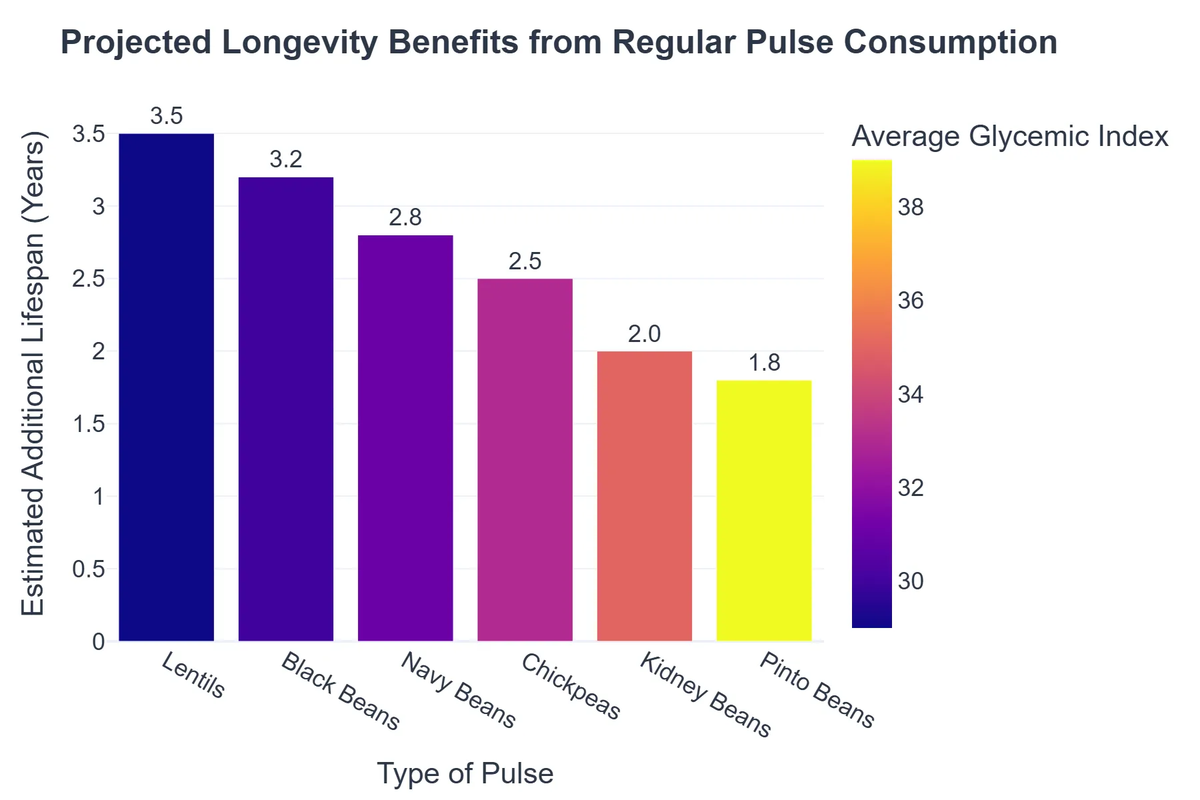
- Regular consumption of beans can contribute to a longer, healthier lifespan.
- Incorporating various bean types offers diverse nutritional benefits.
“The cognitive benefits of a bean-rich diet are profound; the steady energy and gut-brain axis support contribute significantly to mental clarity and sustained well-being, crucial for a truly long and vibrant life.”
— Eleanor Vance, Neuroscience Communicator & Cognitive Psychologist
From ancient civilizations to modern dietary science, the incredible value of beans and pulses has been recognized. They are a cornerstone of traditional diets associated with exceptional health and lifespan, offering a unique blend of macronutrients and micronutrients that collectively contribute to disease prevention and vitality. Let’s uncover the secrets behind their enduring power.
In This Article
- → Beans for Longevity: The Power of Pulses
- — 💡 Key Takeaways
- → The Humble Powerhouse: What Are Pulses?
- → Nutritional Goldmine: Why Beans Boost Your Health
- — 💪 Protein Powerhouse
- — 🌱 Fiber Rich
- — ⚡ Essential Micronutrients
- → The Longevity Link: Lessons from the Blue Zones
- — 🌍 Blue Zones Dietary Staple
- — 💖 Reduced Chronic Disease Risk
- → Beans Beyond Basic Nutrition: Gut Health and Beyond
- — 🦠 Fueling Your Gut Microbiome
- — 🛡️ Anti-Inflammatory & Antioxidant Properties
- → Incorporating Beans into Your Diet: Practical Tips
- — 🍽️ Easy Integration Ideas
- — 🧑🍳 Cooking Made Simple
- → Navigating Common Concerns and Maximizing Benefits
- — 🌬️ Managing Flatulence
- — Preparation Prowess for Optimal Nutrient Absorption
- → Conclusion: Embrace the Bean for a Longer, Healthier Life
The Humble Powerhouse: What Are Pulses?
Before we explore their immense benefits, let’s clarify what we mean by “pulses.” Pulses are the dried edible seeds of plants in the legume family. This broad category includes a diverse array of nutritional heroes:
- ✅ Kidney beans
- ✅ Black beans
- ✅ Chickpeas (garbanzo beans)
- ✅ Lentils (red, green, brown)
- ✅ Split peas
- ✅ Navy beans
- ✅ Pinto beans
- ✅ Great Northern beans
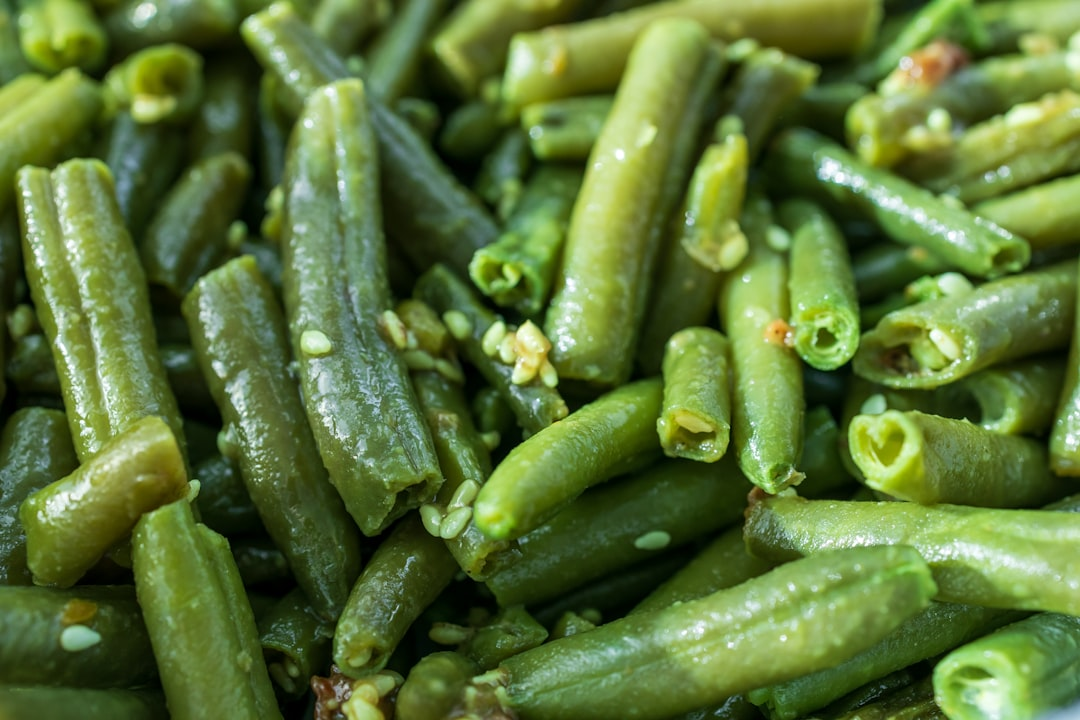
Unlike fresh legumes like green beans or snap peas, pulses are harvested dry and boast an impressive shelf life, making them a versatile and accessible food source worldwide. Their affordability and nutritional density make them a foundational food in many cultures, especially those renowned for their population’s longevity.
Nutritional Goldmine: Why Beans Boost Your Health
The impressive nutritional profile of beans is a primary reason for their health-promoting capabilities. They are packed with essential nutrients that support various bodily functions and help ward off chronic diseases.
💪 Protein Powerhouse
For those looking to build or maintain strength, particularly as they age, beans are an excellent plant-based source of protein. While not “complete” proteins on their own (meaning they lack one or more essential amino acids in sufficient quantities), combining them with grains (like rice) over the course of a day provides all necessary amino acids. This makes them crucial for muscle repair, growth, and overall cellular function. For more on maintaining vitality, consider our insights on Muscle Mass & Longevity: Maintaining Strength for a Longer Life.
🌱 Fiber Rich
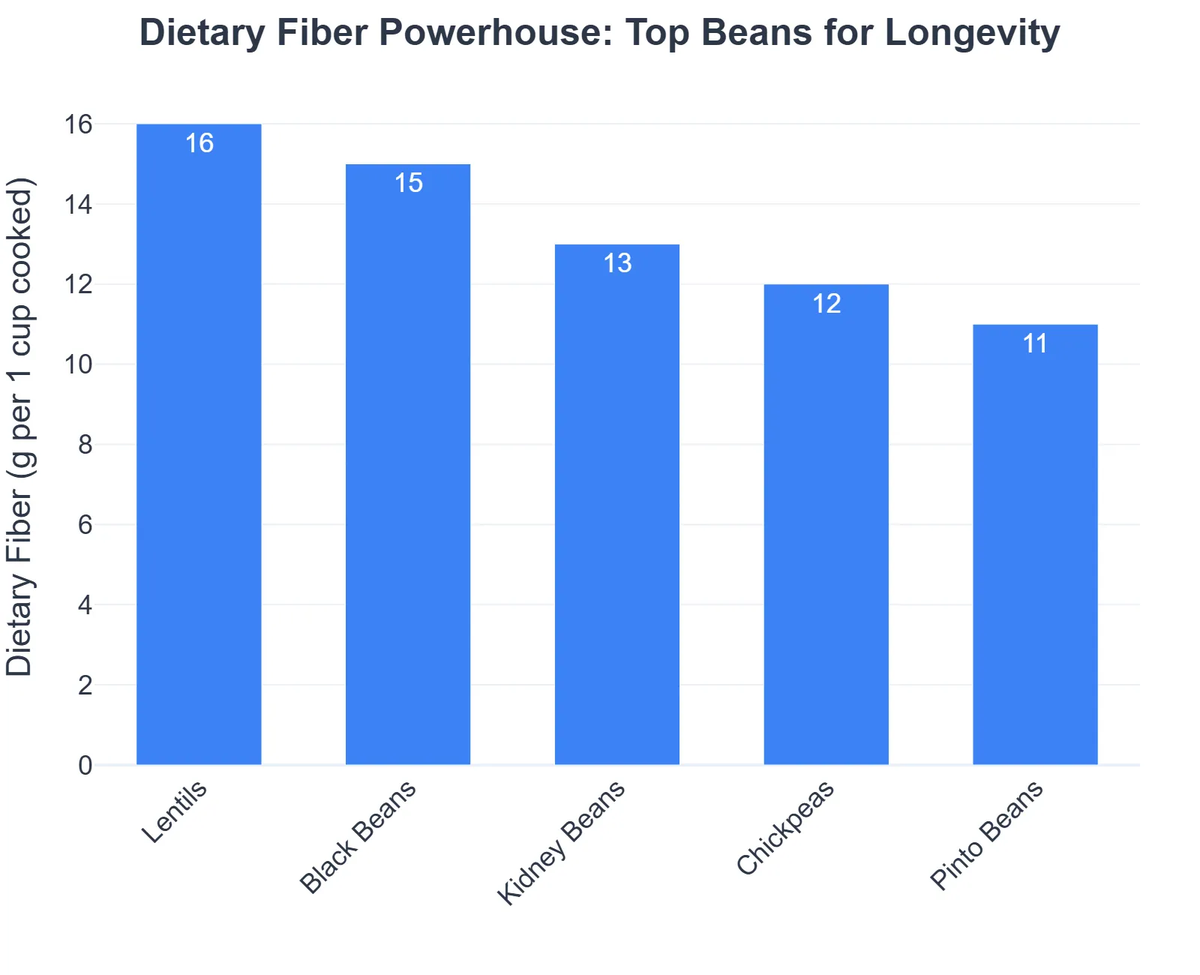
Perhaps one of the most celebrated attributes of pulses is their incredibly high fiber content, both soluble and insoluble. This fiber contributes to:
- ➡️ Improved digestive health and regularity
- ➡️ Lowering cholesterol levels
- ➡️ Stabilizing blood sugar levels, reducing the risk of type 2 diabetes
- ➡️ Increased satiety, aiding in weight management
⚡ Essential Micronutrients
Beyond protein and fiber, beans are brimming with vital vitamins and minerals:
- ✅ Folate (B9): Crucial for cell growth and function.
- ✅ Iron: Essential for oxygen transport in the blood, particularly important for those following plant-based diets.
- ✅ Magnesium: Involved in over 300 biochemical reactions in the body, including muscle and nerve function, blood glucose control, and blood pressure regulation.
- ✅ Potassium: Important for maintaining fluid balance and healthy blood pressure.
- ✅ Zinc: Supports immune function and wound healing.
This comprehensive nutrient profile is why sources like Harvard’s T.H. Chan School of Public Health emphasize legumes as a cornerstone of a healthy diet. For more detailed nutritional information, you can consult their resources on Legumes and Pulses – The Nutrition Source.
The Longevity Link: Lessons from the Blue Zones
When discussing beans and longevity, it’s impossible not to mention the “Blue Zones.” These are five distinct regions around the world where people live measurably longer, healthier lives, often reaching age 100 with remarkable vitality. What’s one of their common dietary threads? You guessed it: beans.
🌍 Blue Zones Dietary Staple
In every Blue Zone – Okinawa (Japan), Sardinia (Italy), Nicoya (Costa Rica), Ikaria (Greece), and Loma Linda (California, USA) – pulses are consumed daily, often forming the foundation of meals. For instance:
- ✅ Okinawans traditionally eat a lot of tofu and soybeans.
- ✅ Sardinians incorporate fava beans and chickpeas into their minestrone.
- ✅ Nicoyans rely on black beans and corn tortillas.
The consistent presence of beans in these longevity hotspots provides compelling anecdotal and epidemiological evidence of their role in extending healthy lifespans. Exploring Blue Zones Diet resources can offer a wealth of practical strategies for incorporating these longevity-boosting foods into your own life.

💖 Reduced Chronic Disease Risk
The high fiber, antioxidants, and anti-inflammatory compounds in beans are thought to be key factors in reducing the risk of chronic diseases prevalent in Western societies, such as heart disease, certain cancers, and diabetes. By mitigating these risks, beans contribute directly to a longer, more vibrant life.
For strategies tailored for a particular demographic, consider exploring our article on Male Longevity: Strategies for a Longer, Healthier Life.
Beans Beyond Basic Nutrition: Gut Health and Beyond
The benefits of pulses extend beyond their basic nutritional components. Their impact on gut health and their potential as prebiotics are gaining increasing scientific attention.
🦠 Fueling Your Gut Microbiome
Beans are a fantastic source of resistant starch and fermentable fibers, which act as prebiotics. This means they feed the beneficial bacteria in your gut. A healthy gut microbiome is increasingly recognized as vital for:
- ➡️ Enhanced nutrient absorption
- ➡️ A stronger immune system
- ➡️ Improved mood and cognitive function (via the gut-brain axis)
- ➡️ Reduced inflammation throughout the body
Research, such as that published in the National Library of Medicine, highlights the significant prebiotic potential of dietary beans and pulses, underscoring their role in fostering a healthy internal ecosystem. You can learn more about this by reading the study: Prebiotic Potential of Dietary Beans and Pulses and Their Resistant….
🛡️ Anti-Inflammatory & Antioxidant Properties
Many varieties of beans contain phytochemicals, including flavonoids and phenolic acids, which possess powerful antioxidant and anti-inflammatory properties. These compounds help combat oxidative stress and chronic inflammation, two major drivers of aging and age-related diseases. By regularly consuming beans, you’re giving your body a natural shield against cellular damage.
Incorporating Beans into Your Diet: Practical Tips
Ready to harness the power of pulses for your own longevity journey? Incorporating them into your daily meals is easier than you might think.
🍽️ Easy Integration Ideas
- 💡 Add cooked beans (canned or dried) to salads for an extra protein and fiber boost.
- 💡 Blend chickpeas into hummus for a healthy dip or sandwich spread.
- 💡 Use lentils or black beans as a base for hearty soups and stews.
- 💡 Substitute some or all of the meat in dishes like tacos, burritos, or chili with beans.
- 💡 Make a simple bean salad with olive oil, herbs, and lemon juice.
- 💡 Roast chickpeas for a crunchy snack.
🧑🍳 Cooking Made Simple
While dried beans require soaking and cooking, canned beans offer a convenient, ready-to-use option. Just be sure to rinse them thoroughly to reduce sodium content. For culinary inspiration, many excellent plant-based cookbooks offer creative and delicious ways to make beans the star of your plate.
For those interested in optimizing overall health metrics that contribute to a longer life, understanding concepts like VO2 Max & Longevity: A Metric for Longer Life? can provide additional pathways.
Navigating Common Concerns and Maximizing Benefits
While beans offer incredible health benefits, some people experience digestive discomfort when first introducing them. A few strategies can help.
🌬️ Managing Flatulence
The oligosaccharides in beans, a type of carbohydrate, can cause gas and bloating for some individuals. Here’s how to minimize this:
- ➡️ Start small: Gradually increase your bean intake to allow your digestive system to adapt.
- ➡️ Soak and rinse: For dried beans, soak them overnight and discard the water before cooking. For canned beans, rinse them thoroughly.
- ➡️ Cook thoroughly: Undercooked beans are harder to digest.
- ➡️ Use digestive aids: Enzymes like alpha-galactosidase (e.g., Beano) can help break down indigestible sugars.
Preparation Prowess for Optimal Nutrient Absorption
Proper preparation not only aids digestion but can also enhance nutrient availability. Soaking and cooking processes help reduce anti-nutrients like phytates, which can interfere with mineral absorption, ensuring you get the most out of every bite.
Recommended Video
Conclusion: Embrace the Bean for a Longer, Healthier Life
The evidence is clear: beans and pulses are unequivocally linked to improved health outcomes and increased beans longevity. Their unique combination of protein, fiber, essential vitamins, and minerals, coupled with their prebiotic and anti-inflammatory properties, makes them a non-negotiable food group for anyone serious about optimizing their lifespan and healthspan. By making these nutritional powerhouses a regular part of your diet, you’re not just eating well; you’re investing in a longer, more vibrant future.
Frequently Asked Questions
What makes beans so good for longevity?
Beans are packed with fiber, plant-based protein, antioxidants, and essential vitamins and minerals, which support heart health, gut health, and stable blood sugar, all contributing to a longer, healthier life.
Are all types of beans equally beneficial?
While all beans offer health benefits, different types provide varying nutrient profiles. Incorporating a variety like black beans, lentils, chickpeas, and kidney beans ensures a broad spectrum of nutrients.
How much beans should I eat to see benefits?
Studies suggest that consistent, regular consumption, such as 1/2 to 1 cup per day, can significantly contribute to health benefits. Even a few servings a week can be impactful.
Can beans help with weight management for longevity?
Yes, their high fiber and protein content promote satiety, helping to reduce overall calorie intake and support healthy weight management, which is a key factor in longevity.