Understanding Vugs: Nature’s Hidden Cavities
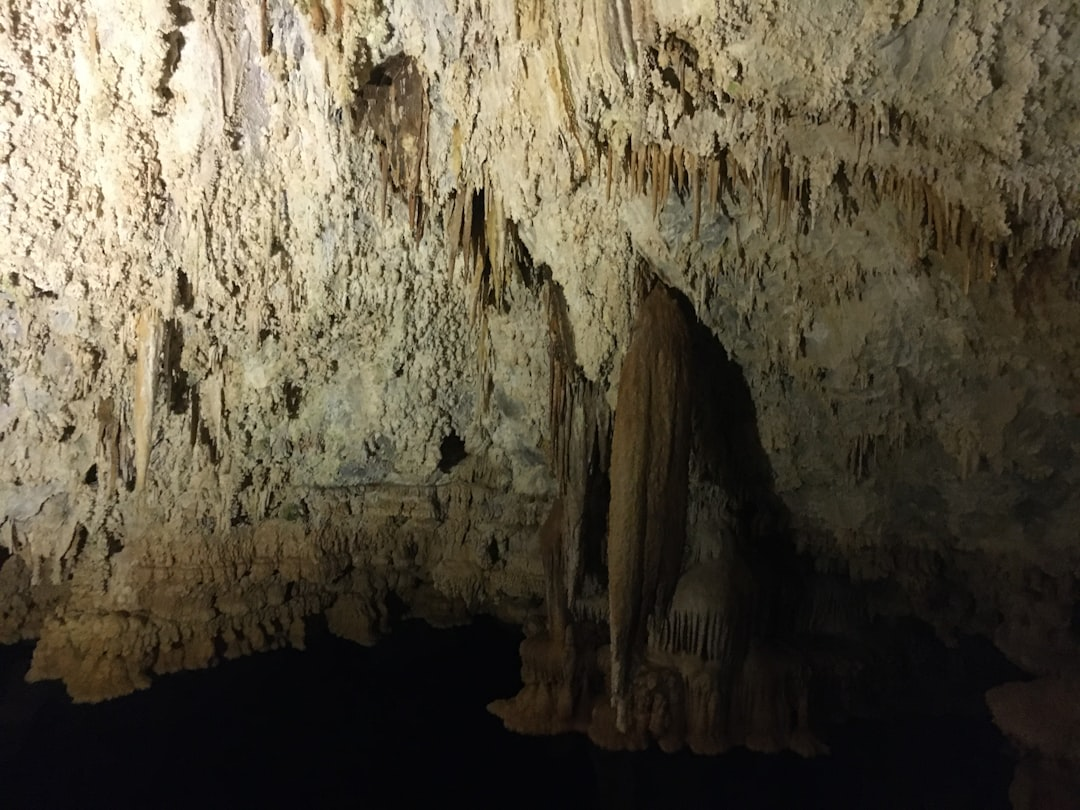
In the intricate tapestry of geology, some of the most captivating features are often the least obvious. Among these are vugs, geological formations that represent nature’s very own hidden chambers. A vug geology definition points to a cavity, void, or empty space within a rock. These aren’t just random holes; they are typically lined with crystals or other minerals, often showcasing stunning formations that reveal the complex interplay of geological forces over millennia.
💡 Key Takeaways
- Vugs are naturally occurring, open cavities within rock formations, often lined with mineral crystals.
- They form through various processes, including dissolution, gas bubbles in volcanic rock, or incomplete crystal growth.
- Vugs are significant for mineral collectors and geologists as they frequently host rare or well-formed mineral specimens.
- Studying vugs provides insights into the geological and hydrothermal processes that shaped the rock.
“Vugs are more than just voids; they are time capsules within the rock, revealing the dynamic interplay of fluids, minerals, and pressure over geological eons. On other planets, similar structures could hold clues to past habitability.”
— Dr. Marcus Sterling, PhD, Planetary Geoscientist & Climatologist
Unlike caves, which are large enough for human entry and often formed by dissolution in soluble rock like limestone, vugs are generally much smaller. They range from microscopic pores to cavities several feet across. Their presence provides geologists, mineral collectors, and even mining operations with invaluable insights into the mineralizing fluids and conditions that prevailed during the rock’s formation or subsequent alteration. They are, in essence, small-scale windows into the subterranean processes shaping Earth’s Unseen Forces: The Hidden Dynamics of Our Planet.
In This Article
- → Understanding Vugs: Nature’s Hidden Cavities
- — 💡 Key Takeaways
- → The Formation of Vugs: A Geological Tapestry
- → Minerals Within Vugs: Nature’s Jewel Boxes
- → Beyond Aesthetics: The Economic and Scientific Importance of Vugs
- → Locating and Exploring Vugs: A Guide for Enthusiasts and Geologists
- — Where to Look:
The Formation of Vugs: A Geological Tapestry
The creation of vugs is a multifaceted process, primarily driven by three key geological mechanisms:
- ✅ Gas Bubbles in Igneous Rocks: As molten rock (magma or lava) cools and solidifies, dissolved gases within it can exsolve, forming bubbles. If these bubbles don’t escape before the rock fully solidifies, they become trapped, leaving behind gas vesicles. Over time, these vesicles can be filled by circulating mineral-rich fluids, leading to crystal growth within the cavity.
- ➡️ Dissolution in Sedimentary or Metamorphic Rocks: Water, especially when slightly acidic, can dissolve soluble minerals within existing rocks. For instance, in limestone, groundwater can dissolve calcite, creating voids. Similarly, the leaching of unstable minerals in other rock types can also leave behind empty spaces.
- 💡 Structural Processes and Fractures: Tectonic forces can cause rocks to fracture or pull apart, creating open spaces. These fractures, if not immediately filled by other rock or sediment, can become vugs, particularly if later mineralizing fluids flow through them and deposit crystals.
Each formation mechanism leaves distinct clues about the rock’s history, making the study of vugs a fascinating aspect of petrology and economic geology. For instance, the presence of specific minerals within a vug can indicate the temperature, pressure, and chemical composition of the fluids that once coursed through the rock. The pathways of these fluids can sometimes be traced back to larger geological structures, much like understanding how Pluton Geology: Exploring Earth’s Deep Igneous Intrusions affects the surrounding rock.
Minerals Within Vugs: Nature’s Jewel Boxes
Perhaps the most enchanting aspect of vugs is their role as natural crucibles for mineral formation. Once a cavity is formed, it acts as a protected environment where mineral-rich solutions can slowly deposit crystals, often leading to spectacular and perfectly formed specimens. This is why vugs are highly prized by mineral collectors and provide critical insights for prospectors.
Common minerals found within vugs include:
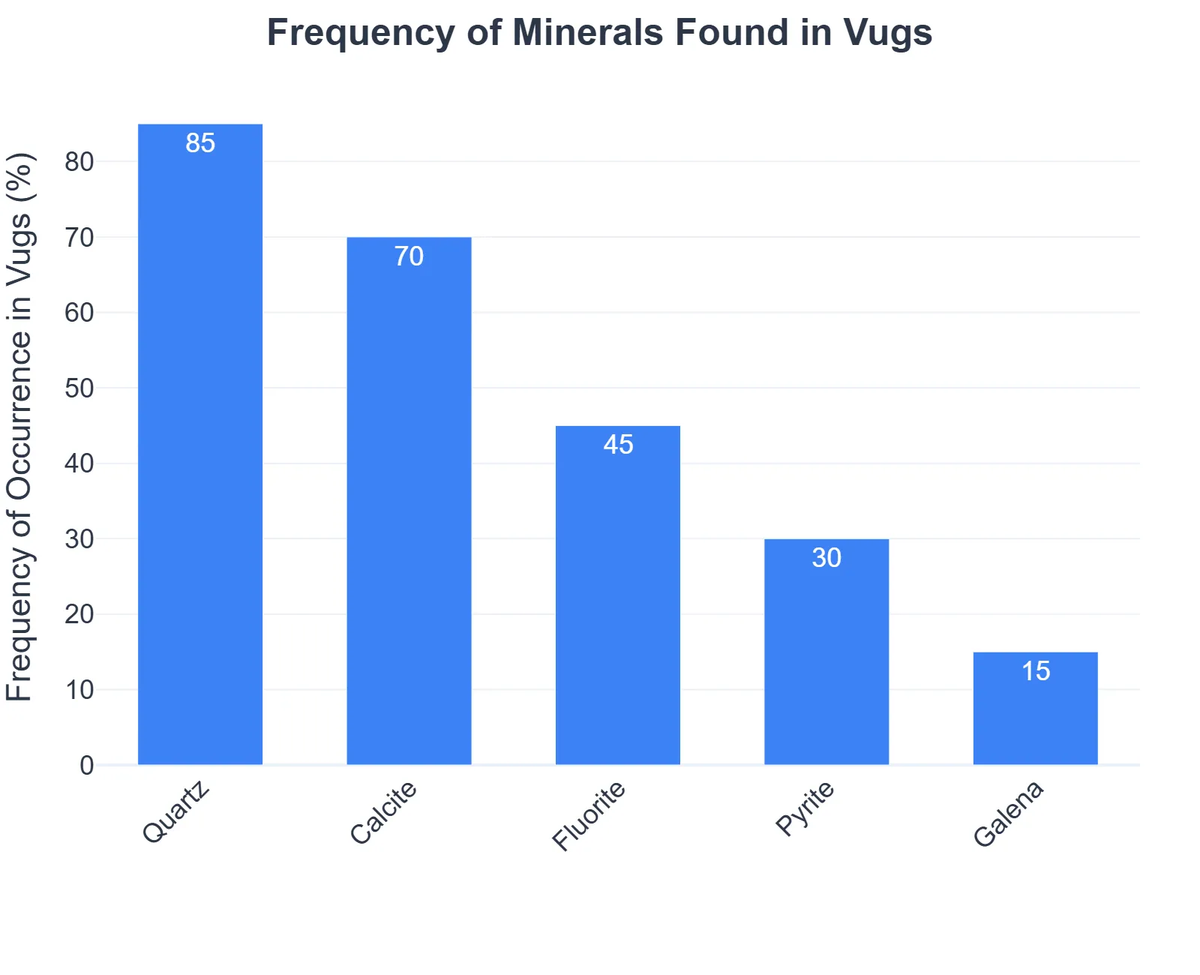
- 💎 Quartz: From clear rock crystal to vibrant amethyst and smoky quartz, this is one of the most common vug-filling minerals due to its abundance in the Earth’s crust and versatility in forming under various conditions.
- 🔮 Calcite: Often found in limestone or other carbonate-rich rocks, calcite crystals can display a wide array of habits and colors.
- ✨ Zeolites: These hydrated aluminosilicate minerals often form in basaltic vugs, presenting delicate and complex crystal structures.
- 🔗 Fluorite: Known for its vibrant colors and octahedral or cubic crystal forms, fluorite is a common vug mineral in many geological settings.
- ⛏️ Sulfides (Pyrite, Galena, Sphalerite): These metallic minerals are often associated with hydrothermal vugs and can indicate the presence of significant ore deposits. The study of epithermal gold-silver deposits, for instance, often involves understanding the mineralogy of vugs formed by hydrothermal processes. More information on such deposits can be found in resources like those from the U.S. Geological Survey.
The size, clarity, and perfection of crystals found in vugs can vary immensely, influenced by factors like the availability of mineral-rich fluids, the rate of cooling, and the chemical environment within the cavity. These hidden chambers are truly the Earth’s natural showcases for its mineralogical artistry.
Beyond Aesthetics: The Economic and Scientific Importance of Vugs
While their aesthetic appeal is undeniable, vugs hold significant economic and scientific value beyond their beauty. They are not merely geological curiosities but provide crucial data and resources.
- 💰 Ore Deposits: Many economically important mineral deposits, particularly those of gold, silver, copper, and lead, form within vugs and veins. Hydrothermal fluids, carrying dissolved metals, often precipitate these minerals within open spaces, concentrating them to extractable levels. The search for “lost goldmines,” as recounted in historical accounts like those related to the Wissahickon in Philadelphia, often revolves around understanding where such mineralized vugs might occur.
- 💧 Fluid Pathways and Permeability: Vugs contribute to the overall permeability of rock formations, acting as conduits for the movement of groundwater, hydrocarbons, and geothermal fluids. Understanding their distribution and interconnectedness is vital for reservoir engineering in oil and gas, as well as for groundwater hydrology studies.
- 🔬 Paleoenvironmental Indicators: The minerals and even fossilized organic matter found within vugs can provide invaluable clues about the ancient environmental conditions, fluid chemistry, and thermal history of a region. They can reveal details about events that occurred long after the initial rock formation.
- 🗺️ Geological Mapping and Exploration: Identifying the presence and characteristics of vugs can assist geologists in mapping subsurface structures and identifying potential areas for further exploration. The study of internal rock features, similar to how Xenoliths in Geology: Unlocking Earth’s Deep Secrets provide insights into magma chambers, helps paint a complete picture.
The study of vugs is an interdisciplinary field, combining aspects of mineralogy, petrology, structural geology, and economic geology to unlock the secrets held within these fascinating rock chambers. Understanding these features can be critical in fields ranging from resource extraction to environmental management, and even in recognizing broader geological patterns, such as those that contribute to Lineament Geology: Identifying Structural Features from Above.
Recommended Video
Locating and Exploring Vugs: A Guide for Enthusiasts and Geologists
For those passionate about rocks and minerals, finding a vug can be an incredibly rewarding experience. However, careful observation and sometimes a bit of luck are required.
Where to Look:
- ⛰️ Igneous Formations: Basalt flows, especially those with amygdaloidal textures (filled gas bubbles), are prime spots for finding zeolites and agates. Pegmatites, coarse-grained igneous rocks, can host vugs with large, well-formed crystals of quartz, feldspar, and tourmaline.
- 🏞️ Sedimentary Rocks: Limestone quarries, road cuts, and areas with significant erosion can expose vugs formed by dissolution, often containing calcite, fluorite, or even secondary copper minerals.
- ⛏️ Mine Dumps and Tailings: Active or abandoned mining sites, particularly those focused on hydrothermal ore deposits, are often excellent places to find vug specimens. Miners extract ore, and sometimes the surrounding rock (or gangue) contains beautiful crystals within vugs that were not the primary target.
- 🌊 Veins and Fault Zones: Areas where hydrothermal fluids have circulated, typically along faults or fractures, are ideal for finding vugs lined with a variety of minerals, including precious metals and sulfides.
When exploring, always prioritize safety and adhere to local regulations regarding collecting. Respect private property and protected areas. The thrill of uncovering a crystal-lined vug is a powerful reminder of the hidden wonders beneath our feet.
What is a vug in geology?
A vug is a small, crystal-lined cavity within a rock. It’s an open space where minerals can grow, often due to fluids passing through the rock.
How do vugs form?
Vugs can form from dissolved minerals leaving voids, gas bubbles trapped in cooling lava, or spaces between growing crystals in veins.
Why are vugs important to geologists?
Geologists study vugs because they provide clues about the fluid chemistry, temperature, and pressure conditions present during the rock’s formation, and often contain valuable or aesthetically pleasing mineral specimens.