


In a world saturated with information and distractions, maintaining focus has become a premium skill. Our minds, however, are not always neutral observers; they are often predisposed to certain patterns of attention, known as attentional biases. These biases can direct our focus towards threats, negativity, or even irrelevant stimuli, profoundly impacting our mental well-being, decision-making, and overall productivity. But what if we could intentionally reshape these ingrained patterns? This is precisely the promise of attention bias modification (ABM).
💡 Key Takeaways
- ABM is a technique to train your attention away from threats or distractions.
- Regular ABM practice can reduce anxiety symptoms and improve mood.
- The brain’s neuroplasticity allows it to be rewired for better attentional control.
- ABM exercises are often computer-based and designed to be simple yet effective.
“Attention Bias Modification isn’t just about ignoring distractions; it’s about actively cultivating a healthier attentional landscape, empowering the brain to prioritize what truly matters for mental resilience.”
— Eleanor Vance, Neuroscience Communicator & Cognitive Psychologist
Attention Bias Modification is a pioneering therapeutic and training approach designed to systematically retrain the brain to shift its attentional focus away from maladaptive cues (like threats or negative stimuli) and towards more adaptive or neutral information. It leverages the brain’s remarkable capacity for change, known as neuroplasticity, to cultivate healthier, more beneficial patterns of attention. For anyone seeking to enhance cognitive control, mitigate anxiety, or simply achieve better focus in a demanding environment, understanding and applying ABM can be a transformative journey.
In This Article
- — 💡 Key Takeaways
- → What is Attention Bias Modification (ABM)?
- — Defining Attentional Biases
- — The Core Principle: Shifting Focus
- → The Science Behind ABM: How it Rewires the Brain
- — Neuroplasticity: The Brain’s Adaptability
- — Cognitive Mechanisms at Play
- → Applications of Attention Bias Modification: Beyond Anxiety
- — Targeting Anxiety and Depression
- — Enhancing General Focus and Performance
- — Addressing Addiction and Other Maladaptive Behaviors
- → Practical Approaches to ABM: Techniques and Exercises
- — The Dot-Probe Task and Variations
- — Computer-Based vs. Real-World Applications
- — Integrating ABM into Daily Life (Mindfulness, CBT Elements)
- → Effectiveness and Research: What the Evidence Says
- — Clinical Trials and Meta-Analyses
- — Challenges and Limitations
- — The Future of ABM Research
- → Who Can Benefit from Attention Bias Modification?
- — Individuals with Specific Mental Health Conditions
- — Anyone Seeking Enhanced Cognitive Control
- → Conclusion: Rewiring Your Mind for a Better Future
What is Attention Bias Modification (ABM)?
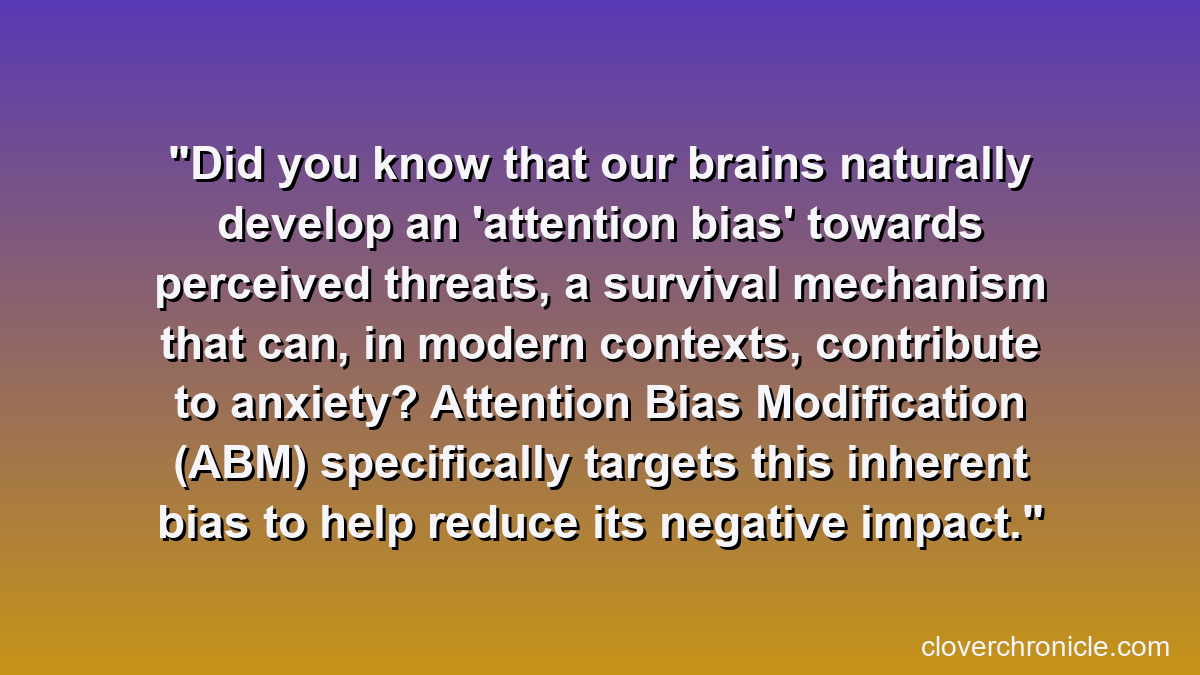
Attention Bias Modification (ABM), sometimes referred to interchangeably as cognitive bias modification (CBM) when encompassing a broader range of biases, is an intervention designed to target and alter automatic, non-conscious attentional biases. Our attention isn’t always a conscious choice; often, it’s drawn towards certain types of information based on our past experiences, fears, or predispositions. For instance, an individual with anxiety might automatically orient their attention towards perceived threats in their environment, even when no real danger exists.
Defining Attentional Biases
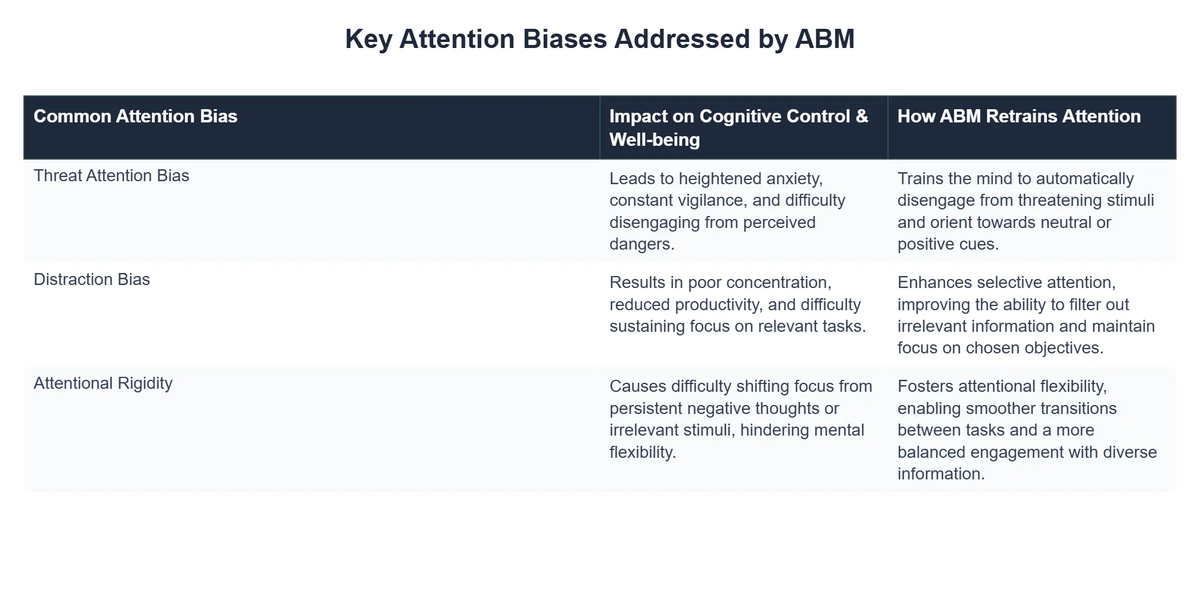
Attentional biases are systematic tendencies to selectively pay attention to specific types of information while neglecting others. They are cognitive shortcuts, often developed unconsciously, that can significantly influence how we perceive and interact with the world. These biases can manifest in various forms:
- Threat Bias: An exaggerated tendency to focus on threatening or negative stimuli, common in anxiety disorders.
- Positive Bias: A tendency to preferentially attend to positive or rewarding information, often observed in resilient individuals.
- Interpretation Bias: A tendency to interpret ambiguous situations in a specific (e.g., negative or positive) way.
- Memory Bias: A tendency to recall certain types of information over others.
These attentional patterns are a prime example of how Brain Bias: How Biases Shape Our Reality influences our perception and interaction with the world. ABM specifically targets the attentional component, aiming to re-calibrate this automatic filtering mechanism.
The Core Principle: Shifting Focus
The fundamental principle behind ABM is straightforward: repeated training can modify automatic attentional processes. If someone consistently directs their attention away from negative or threatening cues and towards neutral or positive ones, over time, this new pattern can become more automatic. It’s not about ignoring problems, but about preventing maladaptive attentional habits from dominating mental processing. By subtly guiding attention through repeated exercises, ABM aims to “rewire” the neural pathways responsible for these biases, fostering a more balanced and adaptive attentional style.
The Science Behind ABM: How it Rewires the Brain

The efficacy of Attention Bias Modification is rooted firmly in neuroscience, particularly in the concept of neuroplasticity. Understanding how ABM facilitates changes in the brain is crucial to appreciating its potential.
Neuroplasticity: The Brain’s Adaptability
For a long time, the adult brain was considered a static organ, largely immutable after childhood. However, modern neuroscience has definitively shown that the brain is remarkably dynamic and capable of continuous change throughout life. This phenomenon is called neuroplasticity—the brain’s ability to reorganize itself by forming new neural connections or strengthening existing ones in response to learning, experience, and even injury. The idea of actively ‘rewiring’ the brain is supported by compelling personal accounts and scientific understanding, demonstrating How I rewired my brain in six weeks.
ABM capitalizes on this inherent neuroplasticity. By repeatedly directing attention in a specific way, ABM exercises effectively “train” the brain’s attentional networks. Neurons that fire together, wire together. When attention is consistently steered away from threat and towards neutral stimuli, the neural pathways associated with threat-detection become less active, while those associated with balanced attention are strengthened. This capacity for self-directed change, often termed Self-Directed Neuroplasticity, is the fundamental bedrock upon which ABM stands.
Cognitive Mechanisms at Play
ABM influences several cognitive mechanisms to achieve its effects:
- Automaticity: Initially, our attentional biases are often automatic and unconscious. ABM aims to create new automatic patterns by repeatedly rewarding desired attentional shifts.
- Reduced Threat Vigilance: For individuals with anxiety, ABM helps to reduce the automatic vigilance towards threat cues, allowing them to allocate cognitive resources more efficiently.
- Enhanced Cognitive Control: While ABM primarily targets automatic processes, it can indirectly improve top-down cognitive control by freeing up mental resources that were previously consumed by maladaptive biases. This means the brain becomes more efficient at directing focus consciously.
- Desensitization: Repeated exposure to threatening stimuli (without negative consequences) while being prompted to shift attention away from them can lead to a form of desensitization, reducing the emotional impact of those stimuli.
Understanding the intricate workings of the human mind, often described as The Human Enigma: Unlocking the Secrets of Our Body and Mind, reveals how deeply ingrained our attentional patterns can become, and conversely, how profoundly they can be reshaped through targeted interventions like ABM.
Applications of Attention Bias Modification: Beyond Anxiety
While ABM gained significant traction in the treatment of anxiety disorders, its potential applications extend far beyond this initial scope, demonstrating its versatility in rewiring the mind for better focus and mental well-being across various domains.
Targeting Anxiety and Depression
The primary and most well-researched application of ABM is in the treatment of anxiety disorders (e.g., generalized anxiety disorder, social anxiety, PTSD) and depression. Individuals with these conditions often exhibit a strong attentional bias towards negative or threatening information. For example, someone with social anxiety might automatically scan a room for disapproving faces, while a depressed individual might dwell on sad or hopeless thoughts.
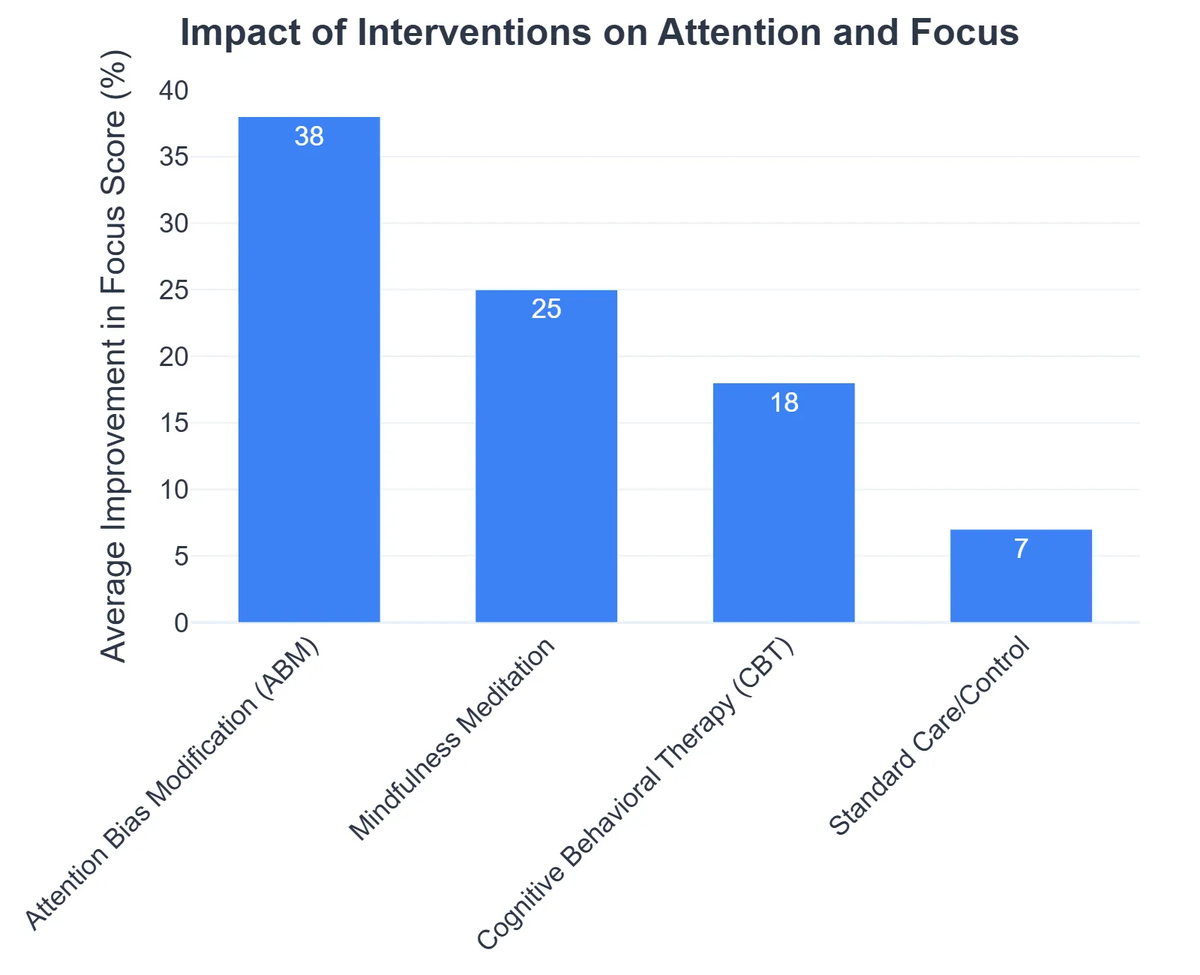
ABM helps to break this cycle by training individuals to orient their attention away from these maladaptive cues. By consistently directing focus away from negative stimuli and towards neutral or positive ones, ABM can reduce symptoms of anxiety and depression, improving mood and overall functioning. Research has shown that these subtle shifts in attention can lead to significant clinical improvements, sometimes even augmenting the effects of traditional cognitive-behavioral therapy (CBT).
Enhancing General Focus and Performance
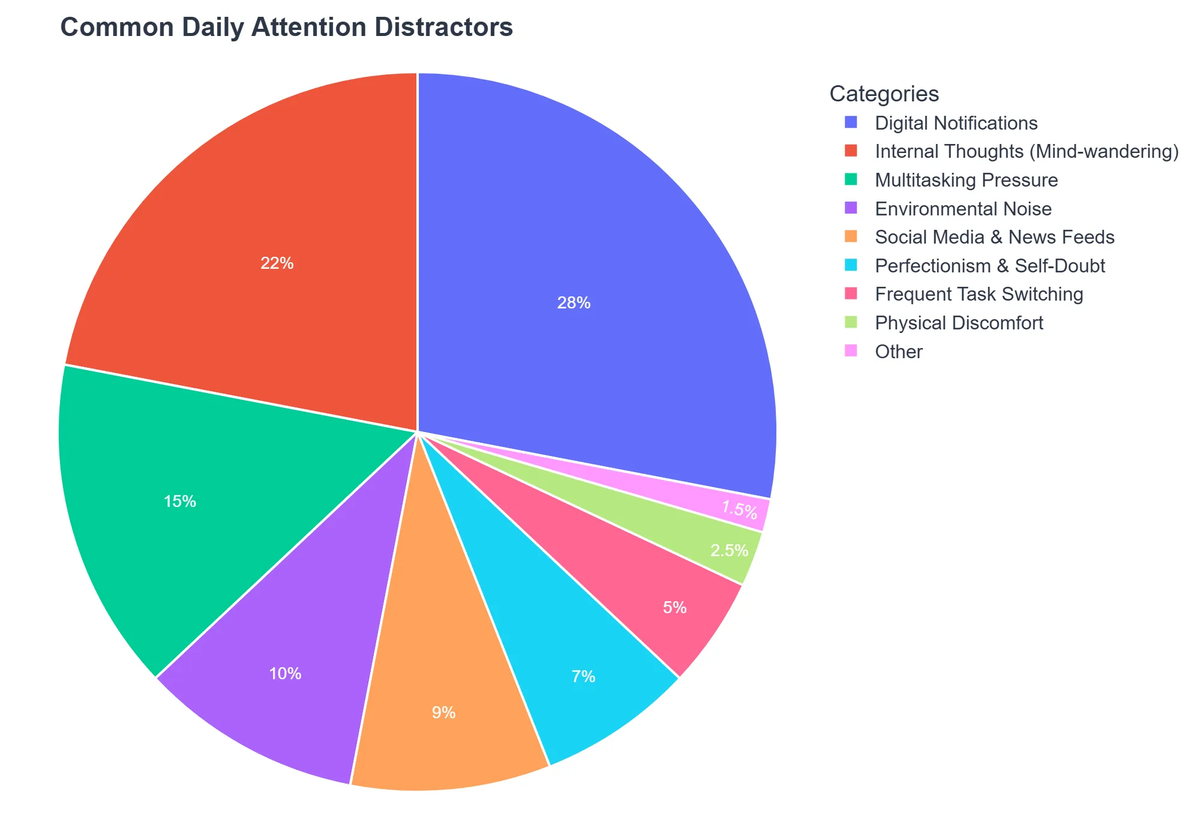
Beyond clinical populations, ABM holds promise for anyone looking to enhance their general focus, concentration, and performance in daily life. In an era of constant digital distractions, our attention is a precious commodity. ABM can help individuals train their minds to filter out irrelevant stimuli and maintain attention on tasks at hand, leading to improved productivity, learning, and decision-making.
For instance, if you have a tendency to be easily distracted by notifications or internal worries while working, ABM exercises could help train your brain to prioritize the task-relevant information. Similar to the Framing Effect: How Presentation Shapes Decisions where how information is presented influences choice, ABM seeks to re-frame our internal attention, making us less susceptible to internal or external distractors.
Addressing Addiction and Other Maladaptive Behaviors
Emerging research also suggests ABM could be beneficial in addressing substance abuse and other addictive behaviors. Individuals struggling with addiction often exhibit an attentional bias towards drug-related cues. For example, a smoker might automatically notice and be drawn to a cigarette advertisement. By training attention away from these cues, ABM aims to reduce cravings and relapse rates. Similarly, it’s being explored for eating disorders, impulse control issues, and even chronic pain management, where maladaptive attentional patterns can perpetuate suffering.
Practical Approaches to ABM: Techniques and Exercises
The core of Attention Bias Modification involves repetitive, computerized tasks designed to implicitly guide attention. These exercises are typically presented as games or simple visual tasks, making them accessible and engaging.
The Dot-Probe Task and Variations
The most common and extensively researched ABM paradigm is the Dot-Probe Task. Here’s how it generally works:
- Two stimuli (e.g., a neutral face and a fearful face, or a word related to anxiety and a neutral word) appear simultaneously on a screen, one on each side.
- After a very brief presentation (e.g., 500 milliseconds), both stimuli disappear, and a small “probe” (e.g., a dot or an arrow) appears in the location of one of the previous stimuli.
- The participant’s task is to quickly identify the location of the probe (e.g., by pressing a left or right key).
The “trick” of ABM lies in the probe’s placement:
- In traditional ABM for anxiety, the probe consistently replaces the neutral stimulus. This means that to respond quickly and accurately, the participant must learn to orient their attention away from the threatening stimulus and towards the neutral one.
- Over many trials (hundreds or thousands) and multiple sessions, this repetitive pairing implicitly trains the participant to disengage attention from threatening cues and engage with neutral ones.
Variations of this task exist, including visual search tasks (finding a specific item among distractors) or approach-avoidance tasks (training participants to push away negative stimuli and pull closer positive ones).
Computer-Based vs. Real-World Applications
Most ABM research and applications utilize computer-based programs or smartphone apps due to their ability to precisely control stimulus presentation and measure reaction times. These digital platforms allow for scalable, consistent, and often self-administered training.
While the primary delivery method is digital, the ultimate goal is to generalize these learned attentional patterns to real-world situations. Some researchers and clinicians are exploring how principles of ABM can be integrated into everyday practices, even without a screen. This might involve mindfulness exercises that train non-judgmental awareness or deliberate focusing techniques in challenging situations.
Integrating ABM into Daily Life (Mindfulness, CBT Elements)
Although ABM is typically a structured exercise, its core principles can be informally integrated into daily life.
- Mindfulness: Practicing mindfulness helps develop a non-reactive awareness of thoughts and feelings. By observing anxious thoughts without getting caught up in them, you are implicitly disengaging attention from a maladaptive focus.
- Cognitive Restructuring (CBT-aligned): While CBT explicitly challenges thoughts, ABM works on a more automatic level. However, combining ABM with CBT can be powerful. For example, after an ABM session, consciously challenging negative interpretations or actively seeking positive aspects of a situation reinforces the attentional shift.
- Gratitude Practices: Regularly focusing on things one is grateful for is a conscious way to shift attention towards positive stimuli, mirroring the goals of ABM.
Effectiveness and Research: What the Evidence Says
The scientific community has shown significant interest in Attention Bias Modification, leading to a substantial body of research evaluating its effectiveness across various conditions. The evidence, while promising, also highlights complexities and areas for further investigation.
Clinical Trials and Meta-Analyses
Numerous clinical trials and meta-analyses have investigated ABM, particularly for anxiety disorders. Early research indicated that ABM could significantly reduce attentional bias towards threat and subsequently alleviate anxiety symptoms. Some studies have shown effects comparable to those of traditional psychological interventions, especially when delivered consistently over several weeks.
For example, meta-analyses pooling data from many studies have found small to moderate effects of ABM on reducing anxiety symptoms. There’s also growing evidence for its utility in depression, social anxiety disorder, and even in conjunction with exposure therapy for phobias.
Challenges and Limitations
Despite promising results, ABM is not a panacea, and research has uncovered several challenges and limitations:
- Variability in Outcomes: Not everyone responds equally to ABM. The effect sizes, while significant, are often small to moderate, suggesting that ABM may be more effective for certain individuals or conditions than others.
- Mechanism Debate: While neuroplasticity is the underlying theory, the precise cognitive mechanisms through which ABM works are still being debated and refined.
- Generalization to Real World: A key challenge is ensuring that the attentional shifts learned in a controlled computer environment translate effectively to complex, real-world situations.
- Dosage and Duration: Optimal dosage (how many sessions, how long each session) and duration of ABM training are still areas of active research.
- Placebo Effects: Like any psychological intervention, isolating the specific effects of ABM from non-specific factors (e.g., placebo, expectancy) can be challenging.
The Future of ABM Research
The field of ABM is continuously evolving. Future research is focusing on:
- Personalized ABM: Tailoring ABM interventions to individual attentional profiles and specific symptoms for greater efficacy.
- Integration with Other Therapies: Exploring the synergistic effects of combining ABM with established treatments like CBT or mindfulness.
- Novel Delivery Methods: Developing more engaging and immersive platforms, such as virtual reality (VR) or gamified apps, to enhance adherence and effectiveness.
- Biomarkers: Identifying neurological or physiological markers that predict who will respond best to ABM.
The continued investigation into ABM promises to refine its application, making it a more precise and powerful tool in the arsenal against cognitive biases and for enhancing mental resilience.
Who Can Benefit from Attention Bias Modification?
Attention Bias Modification offers a unique approach to mental training, making it potentially beneficial for a diverse range of individuals, from those struggling with specific mental health challenges to anyone aiming for enhanced cognitive abilities.
Individuals with Specific Mental Health Conditions
ABM has shown the most consistent promise for individuals diagnosed with:
- Anxiety Disorders: This includes generalized anxiety disorder (GAD), social anxiety disorder, specific phobias, panic disorder, and post-traumatic stress disorder (PTSD). ABM helps to disrupt the automatic scanning for and fixation on threatening cues that characterize these conditions.
- Depression: By training attention away from negative emotional stimuli and towards neutral or positive ones, ABM can help alleviate symptoms of depression and improve mood.
- Addiction: For individuals with substance use disorders or behavioral addictions, ABM can reduce cravings and impulsive behaviors by lessening the automatic pull towards addiction-related cues.
- Eating Disorders: Preliminary research suggests it could help in managing attentional biases towards body image or food cues.
It’s important to note that while ABM can be a valuable tool, it is often best used as an adjunctive therapy alongside traditional treatments like psychotherapy and medication, under the guidance of a qualified mental health professional.
Anyone Seeking Enhanced Cognitive Control
Even for individuals without a formal mental health diagnosis, ABM principles can be applied to improve everyday cognitive functioning:
- Improved Focus and Concentration: In a world brimming with distractions, training your brain to filter out irrelevant information can significantly boost productivity, academic performance, and overall task efficiency.
- Stress Management: By reducing the automatic tendency to dwell on stressors, ABM can contribute to better emotional regulation and a calmer response to challenging situations.
- Positive Mindset Cultivation: Regularly shifting attention towards neutral or positive stimuli can gradually foster a more optimistic outlook and enhance overall well-being. This aligns with practices aimed at cultivating a positive mindset.
- Decision-Making: When attention is less swayed by biases (e.g., focusing only on potential losses), individuals can make more balanced and rational decisions.
In essence, ABM offers a non-invasive, accessible method for actively engaging with and reshaping the brain’s attentional habits, leading to a more focused, resilient, and adaptive mind.
Recommended Video
Conclusion: Rewiring Your Mind for a Better Future
Attention Bias Modification represents a fascinating intersection of psychology and neuroscience, offering a tangible pathway to rewire our minds for better focus and emotional well-being. By systematically retraining our automatic attentional patterns, ABM empowers us to shift away from maladaptive biases that can fuel anxiety, depression, and distraction, and instead cultivate a more adaptive, balanced, and productive mindset.
While the journey of mental rewiring requires consistent effort and understanding, the scientific evidence supporting ABM continues to grow, painting a picture of a powerful tool for cognitive enhancement and mental health. Whether you are grappling with specific attentional biases, seeking to enhance your daily focus, or simply curious about the brain’s incredible capacity for change, exploring the principles and practices of attention bias modification offers a profound opportunity to take greater control over your mental landscape and forge a path towards a more focused and fulfilling life.
Frequently Asked Questions
What is Attention Bias Modification (ABM)?
ABM is a cognitive training technique that aims to retrain your attention away from threatening or distracting stimuli towards more neutral or positive ones, improving focus and reducing anxiety.
How does ABM work?
ABM typically involves repetitive computer-based tasks where individuals are trained to selectively attend to certain stimuli while ignoring others, thereby modifying their inherent attentional biases over time.
Who can benefit from ABM?
Individuals struggling with anxiety disorders, phobias, PTSD, or general attentional difficulties can benefit from ABM as it helps to rebalance their cognitive focus and reduce the impact of negative biases.
Is ABM a standalone treatment?
While effective, ABM is often used as a complementary therapy alongside other treatments like CBT or medication, but it can also be a powerful standalone tool for improving focus and reducing attentional biases.
Attention Bias Modification: Pros and Cons
Pros
- ✔Targets specific cognitive biases that affect focus and anxiety.
- ✔Non-pharmacological approach with generally low side-effect risk.
- ✔Potential for long-term improvements in attention and emotional regulation.
- ✔Increasingly accessible through digital applications and online programs.
Cons
- ✖Efficacy can vary significantly among individuals.
- ✖Requires consistent practice and sustained commitment to see results.
- ✖Research is still evolving; not a universal solution for all attention issues.
- ✖May not fully address complex underlying mental health conditions.