

Top Biotech Companies: Innovators Shaping Our Future
Biotechnology, a field at the intersection of biology and technology, has rapidly transformed our world, offering unprecedented solutions to some of humanity’s most pressing challenges. From revolutionary medical treatments to sustainable agricultural practices and cleaner industrial processes, biotech innovation is not just shaping our present but fundamentally redefining our future. This article delves into the dynamic landscape of the biotech industry, highlighting the top biotech companies in world that are leading the charge, pushing the boundaries of scientific discovery, and delivering life-changing advancements.
💡 Key Takeaways
- Biotech innovation is rapidly advancing, addressing critical global challenges in health, food, and energy.
- Leading biotech firms are leveraging genetic engineering, AI, and synthetic biology for breakthrough therapies.
- Investment in biotech continues to surge, signaling strong growth and transformative potential across various sectors.
- These companies are not just developing new products but are fundamentally reshaping our understanding of life itself.
“The convergence of genetic understanding and technological prowess in today’s biotech companies is truly extraordinary. They’re not just treating diseases; they’re fundamentally altering our biological trajectory.”
— Julian Aris, Evolutionary Biologist & Geneticist
Understanding these industry giants provides critical insight into the trends, breakthroughs, and investment opportunities within this high-growth sector. We’ll explore what defines a leading biotech firm, the key areas of innovation, and the significant impact these companies have on global health, economy, and environment.
In This Article
- → Top Biotech Companies: Innovators Shaping Our Future
- — 💡 Key Takeaways
- → What is Biotechnology and Why is it Critical?
- → Key Areas of Biotech Innovation
- — Pharmaceuticals and Therapeutics
- — Genomics and Gene Editing
- — Agricultural Biotechnology
- — Industrial Biotechnology
- — Diagnostics and Medical Devices
- → Pioneers in the Biotech Landscape: Top Companies Driving Change
- — Amgen
- — Gilead Sciences
- — Biogen
- → Emerging Trends and Future Directions in Biotechnology
- → Challenges and Opportunities in the Biotech Sector
- — Challenges:
- — Opportunities:
- → Investing in Biotech: What to Look For
- → Conclusion: Biotech’s Enduring Impact on Our Future
What is Biotechnology and Why is it Critical?

Biotechnology broadly refers to the use of living organisms or biological systems to develop new products or technologies. Its roots trace back centuries to practices like brewing and bread-making, but modern biotechnology, fueled by advances in molecular biology, genetics, and bioinformatics, has unlocked capabilities unimaginable just decades ago. At its core, biotechnology harnesses the intricate mechanisms of life to address complex problems.
The criticality of biotechnology stems from its versatile applications across various sectors:
- Healthcare: Developing novel drugs, vaccines, gene therapies, diagnostic tools, and personalized medicine approaches that target diseases with unprecedented precision.
- Agriculture: Enhancing crop yields, improving nutritional value, developing pest-resistant plants, and creating sustainable farming methods.
- Industry: Producing biofuels, biodegradable plastics, enzymes for industrial processes, and other eco-friendly alternatives through bio-manufacturing.
- Environmental Remediation: Using microbes to clean up pollution, treat wastewater, and manage waste more efficiently.
The ability of biotechnology to innovate at the fundamental level of living systems makes it indispensable for addressing global challenges such as widespread diseases, food security, and climate change. For a deeper understanding of the foundational biological principles that underpin this field, consider exploring The Code of Life: Decoding Genetics, Evolution, and Existence, which offers insights into the very building blocks that biotech manipulates.
Key Areas of Biotech Innovation
The vast scope of biotechnology can be categorized into several key areas, each contributing uniquely to societal progress:
Pharmaceuticals and Therapeutics
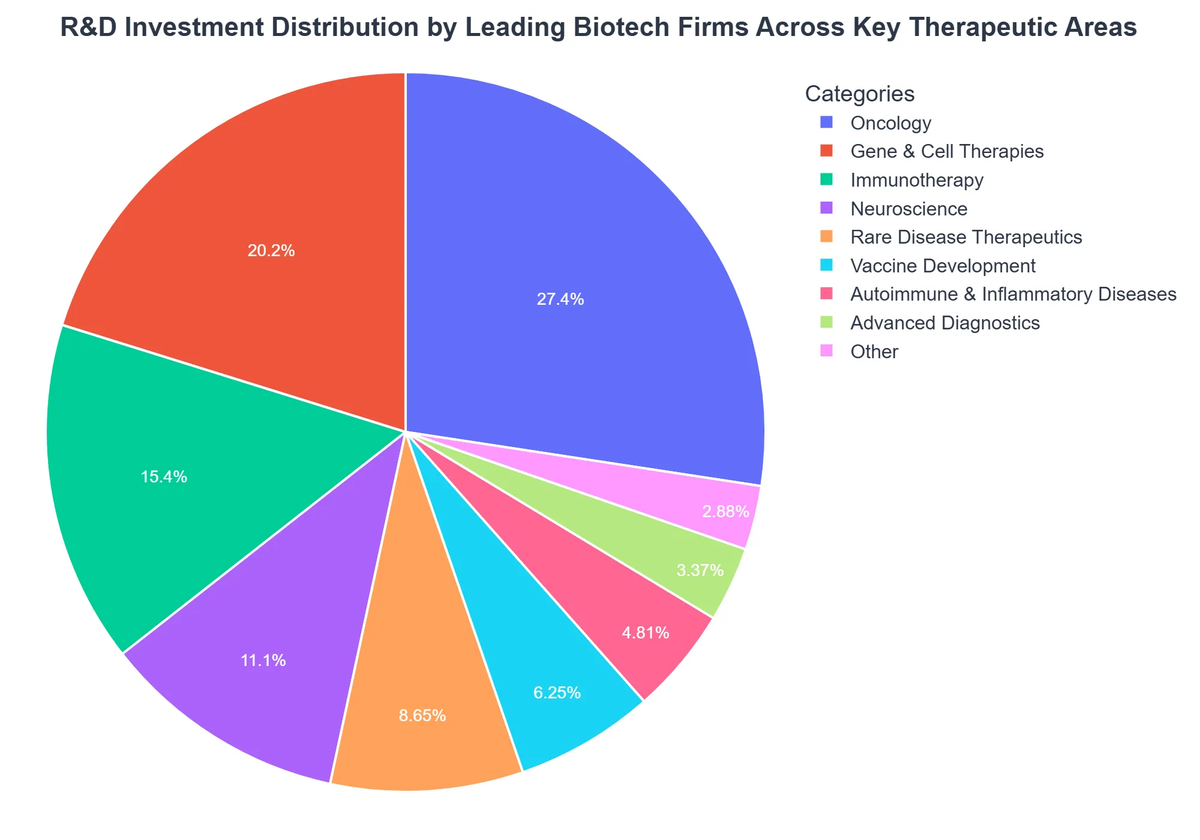
This is arguably the most impactful area, focusing on the discovery, development, and manufacturing of biologics (drugs derived from living organisms), vaccines, and advanced therapies like gene and cell therapies. Biotech companies in this space are at the forefront of tackling chronic diseases, cancer, rare disorders, and infectious diseases, often providing solutions where traditional small-molecule drugs fall short.
Genomics and Gene Editing
Advances in genomics have revolutionized our understanding of diseases at the molecular level. Gene editing technologies, most notably CRISPR, allow scientists to precisely modify DNA sequences, offering potential cures for genetic disorders and opening doors for personalized medicine. This field promises to tailor treatments to an individual’s genetic makeup, vastly improving efficacy and reducing side effects.
Agricultural Biotechnology
Often referred to as “Agri-biotech,” this sector uses biotech tools to enhance agricultural productivity and sustainability. Innovations include genetically modified (GM) crops with increased resistance to pests and diseases, improved nutritional content, and enhanced resilience to environmental stresses like drought. The potential for CRISPR and Food: Shaping the Future of Agriculture is immense, promising more resilient and nutritious food sources for a growing global population.
Industrial Biotechnology
Also known as “white biotechnology,” this area focuses on applying biotech principles to industrial processes. This includes using enzymes and microorganisms to produce chemicals, materials, and energy more efficiently and sustainably, reducing reliance on fossil fuels and minimizing environmental impact. For more on the processes that bring these innovations to scale, delve into Biotechnology and Bioprocess Engineering: From Lab to Production.
Diagnostics and Medical Devices
Biotechnology also drives the development of advanced diagnostic tools that enable earlier and more accurate disease detection. This includes molecular diagnostics, companion diagnostics for targeted therapies, and innovative medical devices that improve patient monitoring and treatment delivery.
Pioneers in the Biotech Landscape: Top Companies Driving Change
The biotech industry is characterized by intense research and development, significant investment, and often, high-stakes clinical trials. The companies that rise to the top typically possess robust R&D pipelines, strong intellectual property portfolios, substantial market capitalization, and a track record of successful drug development and commercialization. These companies are not merely businesses; they are vital engines of scientific progress and human well-being. Here are some of the biggest biotech companies in the world that exemplify innovation and leadership:
Amgen
Amgen is one of the world’s leading independent biotechnology companies, focusing on human therapeutics. With a strong emphasis on biology, Amgen harnesses the power of genetic research to develop medicines for patients suffering from serious illnesses. Their core therapeutic areas include oncology/hematology, cardiovascular disease, inflammation, bone health, neuroscience, and nephrology. Amgen is renowned for its biologics, which are complex medicines manufactured using living organisms, offering targeted and effective treatments for conditions that were previously difficult to manage.
Gilead Sciences
Gilead Sciences is a research-based biopharmaceutical company that discovers, develops, and commercializes innovative medicines. They are widely recognized for their groundbreaking work in antiviral drugs, particularly for HIV, Hepatitis C, and Hepatitis B. Gilead’s contributions have fundamentally changed the landscape of treatment for these diseases, saving countless lives and transforming what were once considered chronic or fatal conditions into manageable ones. Beyond antivirals, Gilead is expanding its footprint in oncology, inflammation, and other therapeutic areas, continuously aiming to address unmet medical needs globally.
Biogen
Biogen is a pioneering biotechnology company with a strong focus on neuroscience. They are committed to discovering, developing, and delivering innovative therapies for people living with serious neurological and neurodegenerative diseases worldwide. Biogen has been a leader in multiple sclerosis (MS) treatments and has made significant investments in research for Alzheimer’s disease, Parkinson’s disease, and other rare neurological conditions. Their dedication to complex brain diseases underscores the challenging yet vital work undertaken by top biotech companies. The continuous innovation by companies like Biogen highlights how innovation in biotechnology is shaping the future of medicine and patient care.
Emerging Trends and Future Directions in Biotechnology
The biotech sector is characterized by rapid evolution. Several emerging trends are poised to redefine the industry’s trajectory:
- Artificial Intelligence and Machine Learning: AI is increasingly being used in drug discovery, clinical trial design, and data analysis, significantly accelerating R&D timelines and improving the success rate of new therapies.
- Personalized Medicine: Moving beyond a “one-size-fits-all” approach, personalized medicine leverages an individual’s genetic profile and other biological data to tailor treatments, promising higher efficacy and fewer side effects.
- mRNA Technology: Beyond its success in COVID-19 vaccines, mRNA technology holds immense potential for developing treatments for cancer, autoimmune diseases, and other infectious diseases.
- Synthetic Biology: This field combines biology and engineering to design and build new biological parts, devices, and systems, or to redesign existing natural biological systems. It has applications ranging from novel therapeutics to sustainable chemicals and materials.
- Cell and Gene Therapies: These advanced therapies, which involve modifying a patient’s cells or genes to treat or cure diseases, are moving from niche applications to more mainstream use, offering curative potential for previously untreatable conditions.
Challenges and Opportunities in the Biotech Sector
While the potential of biotechnology is immense, the industry faces unique challenges:
Challenges:
- High R&D Costs and Long Timelines: Bringing a new drug to market can cost billions and take over a decade, with a high rate of clinical trial failures.
- Regulatory Hurdles: Strict regulatory approval processes are necessary to ensure safety and efficacy, but they can be lengthy and complex.
- Intellectual Property Protection: Securing and defending patents is crucial for biotech companies, given the significant investment in R&D.
- Ethical Considerations: Advances in gene editing and other areas raise complex ethical debates that require careful navigation.
Opportunities:
- Unmet Medical Needs: A vast number of diseases still lack effective treatments, providing significant market opportunities for innovative solutions.
- Aging Global Population: The increasing longevity of populations worldwide drives demand for treatments for age-related diseases.
- Technological Convergence: The integration of biotechnology with AI, nanotechnology, and other fields creates synergistic opportunities for breakthroughs.
- Global Health Crises: Pandemics and emerging infectious diseases underscore the critical role of biotech in rapid response and vaccine development.
Investing in Biotech: What to Look For
Investing in biotech can offer high rewards but also comes with significant risks due to the inherent uncertainties of drug development and clinical trials. For those considering this dynamic sector, here are key factors to evaluate:
- Robust R&D Pipeline: Assess the number and stage of development of drug candidates. A diverse pipeline reduces reliance on a single product.
- Intellectual Property (IP): Strong patents protect a company’s innovations and provide a competitive advantage.
- Management Team and Scientific Advisory Board: Experienced leadership with a proven track record in drug development and commercialization is vital.
- Financial Health: Evaluate cash reserves, burn rate, and ability to fund ongoing research without excessive dilution.
- Regulatory Approvals and Market Potential: Look for companies with products that have received or are likely to receive regulatory approval and target large, unmet medical needs.
- Strategic Partnerships: Collaborations with larger pharmaceutical companies or academic institutions can validate technology and provide funding.
Recommended Video
Conclusion: Biotech’s Enduring Impact on Our Future
The top biotech companies are more than just economic powerhouses; they are catalysts for change, driving scientific discovery and translating complex biological insights into tangible solutions that profoundly impact human health, environmental sustainability, and agricultural efficiency. As we look to the future, the biotech industry, with its relentless pursuit of innovation, will continue to play a pivotal role in addressing humanity’s most pressing challenges. From pioneering new therapies for intractable diseases to developing sustainable alternatives for industry and agriculture, the ingenuity of these innovators promises a future that is healthier, more resilient, and more connected to the fundamental principles of life itself.
Frequently Asked Questions
What defines a top biotech company?
Top biotech companies are characterized by their pioneering research, significant R&D investments, successful clinical trials, impactful product pipelines, and strong market presence in areas like genomics, pharmaceuticals, and synthetic biology.
How are biotech companies impacting healthcare?
Biotech companies are revolutionizing healthcare through gene therapies, personalized medicine, advanced diagnostics, vaccine development, and novel drug discovery, leading to more effective and targeted treatments for various diseases.
What are some emerging trends in biotechnology?
Emerging trends include advancements in CRISPR gene editing, AI-driven drug discovery, synthetic biology for sustainable production, precision fermentation, and the growing field of bioinformatics for data analysis.
Where are biotech companies primarily located?
Major biotech hubs are typically found in regions with strong academic research institutions and venture capital, such as Boston/Cambridge, San Francisco Bay Area, San Diego, London, and specific clusters in China and Europe.