

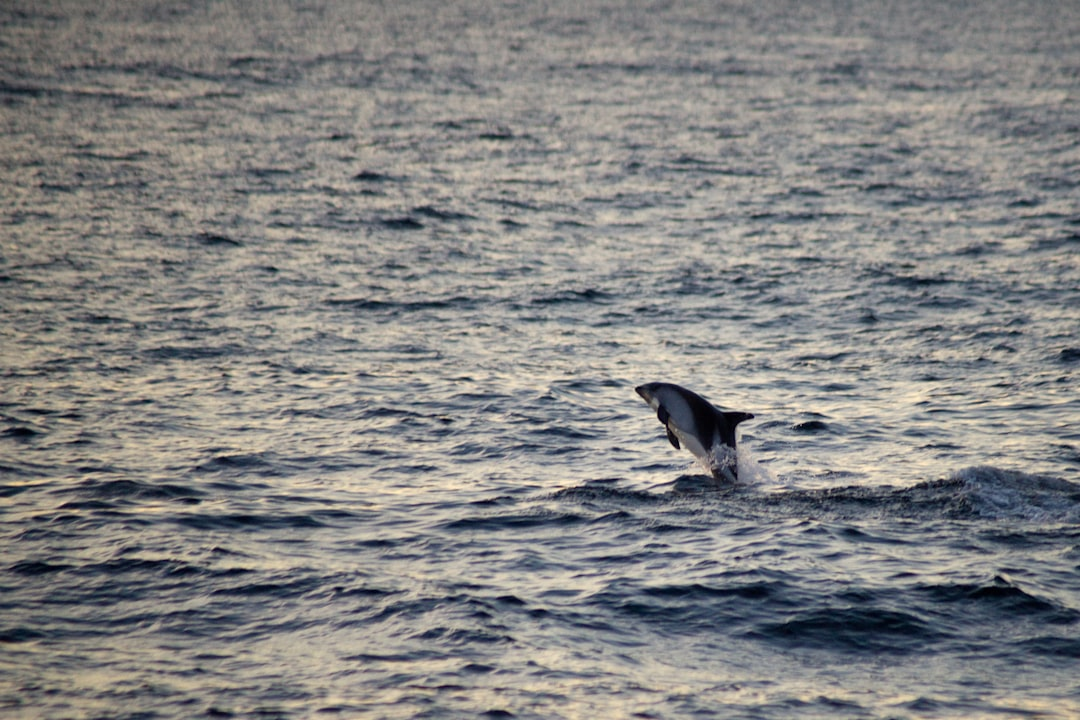
The vast, enigmatic expanse of our oceans holds secrets crucial to understanding Earth’s past, present, and future. From the deepest trenches to the surface waves, these liquid realms influence climate, sustain immense biodiversity, and provide invaluable resources. At the forefront of unraveling these mysteries stands the National Institute of Oceanography, a beacon of excellence in marine science research. This article delves into the pivotal role such institutions play, exploring their groundbreaking contributions, diverse research areas, and the profound impact their work has on our planet.
💡 Key Takeaways
- The National Institute of Oceanography is a leading institution dedicated to advanced marine science research.
- Their work encompasses critical fields such as ocean dynamics, marine biodiversity, and climate change impacts.
- NIO’s research significantly contributes to our global understanding of oceans and their sustainable management.
- The institute plays a pivotal role in addressing contemporary environmental challenges facing marine ecosystems.
“The National Institute of Oceanography’s dedication to foundational marine research provides the critical data we need to model future climate scenarios and understand the complex interplay of ocean currents, heat distribution, and atmospheric dynamics. Their work is indispensable for climate resilience.”
— Marcus Sterling, Geophysical Explorer & Climate Dynamics Analyst
In This Article
- — 💡 Key Takeaways
- → Unveiling the Deep: The Core Mission of a National Institute of Oceanography
- — 🌊 Defining Marine Science Research
- — 🌍 The Global Imperative of Ocean Study
- → Pioneering Research Areas and Groundbreaking Contributions
- — 🔬 Marine Biodiversity and Ecosystem Health
- — 🧪 Ocean Chemistry and the Carbon Cycle
- — 💨 Physical Oceanography and Climate Dynamics
- — ⛰️ Geological Oceanography and Seafloor Exploration
- → The National Institute of Oceanography, India: A Case Study in Excellence
- — 🇮🇳 Key Achievements and Initiatives
- — 🤝 Collaborations and International Standing
- → Beyond India: Other Notable Institutions and Educational Pathways
- — 🎓 Cultivating Future Marine Scientists
- — 🌐 The Broader Network of Oceanographic Research
- → Why Marine Science Matters: Impact on Our Planet and Society
- — 💡 Informing Policy and Conservation
- — 📈 Economic and Social Benefits
- → Conclusion: Charting the Future of Ocean Discovery
Unveiling the Deep: The Core Mission of a National Institute of Oceanography
A National Institute of Oceanography is more than just a research facility; it’s a dedicated hub for exploring, understanding, and protecting the world’s oceans. These institutions are designed to conduct comprehensive, multidisciplinary studies across various facets of marine environments.
🌊 Defining Marine Science Research
Marine science research is an inherently interdisciplinary field, encompassing a wide array of scientific disciplines. Institutes dedicated to oceanography bring together experts from:
- ✅ Physical Oceanography: Studying ocean currents, waves, tides, and the interaction between the ocean and atmosphere. This includes understanding phenomena like El Niño and La Niña, and the broader patterns of ocean circulation that dictate global climate.
- 🔬 Biological Oceanography: Investigating marine life, from microscopic plankton to colossal whales, and their interactions within ecosystems. This includes biodiversity assessments, ecological studies, and understanding food webs.
- 🧪 Chemical Oceanography: Analyzing the composition of seawater, including nutrients, pollutants, and the role of oceans in global biogeochemical cycles (e.g., the carbon cycle).
- ⛰️ Geological Oceanography: Exploring the seafloor, its composition, geological processes, and tectonic activity. This involves mapping ocean basins, studying submarine volcanoes, and understanding sediment distribution.
🌍 The Global Imperative of Ocean Study
The work conducted by a National Institute of Oceanography is vital for addressing some of the most pressing global challenges, including:
- ➡️ Climate Change: Oceans absorb vast amounts of heat and carbon dioxide, acting as crucial climate regulators. Understanding these processes is key to predicting future climate scenarios.
- ➡️ Resource Management: From sustainable fisheries to deep-sea mineral resources, robust marine science provides the data needed for informed management and conservation decisions.
- ➡️ Disaster Preparedness: Research on tsunamis, storm surges, and sea-level rise helps coastal communities prepare for and mitigate natural hazards.
- ➡️ Biodiversity Conservation: Protecting marine ecosystems and the countless species they host requires in-depth knowledge of their habitats and vulnerabilities.
Pioneering Research Areas and Groundbreaking Contributions
Institutes like the National Institute of Oceanography engage in a broad spectrum of research, often leading to discoveries that reshape our understanding of the planet.
🔬 Marine Biodiversity and Ecosystem Health
Researchers tirelessly work to document and understand marine biodiversity, from newly discovered deep-sea species to the health of vital coral reef ecosystems. Their studies are crucial for developing conservation strategies and monitoring the impacts of human activities.
🧪 Ocean Chemistry and the Carbon Cycle
A significant focus is on the ocean’s role in the global carbon cycle. Scientists investigate ocean acidification, the uptake of atmospheric CO2 by marine waters, and the cycling of essential nutrients. This research provides critical insights into how oceans moderate climate and the long-term effects of anthropogenic emissions.
💨 Physical Oceanography and Climate Dynamics
Understanding ocean currents, temperature, and salinity is fundamental. Research in this area helps predict weather patterns, track marine debris, and model future climate scenarios. For a deeper dive into this dynamic field, explore our comprehensive guide on Physical Oceanography: Understanding Ocean Currents.
⛰️ Geological Oceanography and Seafloor Exploration
Mapping the seafloor, studying plate tectonics beneath the oceans, and investigating submarine geological features are key aspects of this research. These studies inform our understanding of Earth’s internal processes and the potential for new resource discoveries. Learn more about the interconnectedness of these fields by reading Geology and Oceanography: Exploring Earth’s Depths.
The National Institute of Oceanography, India: A Case Study in Excellence
Among the world’s leading marine research centers, the Council of Scientific & Industrial Research (CSIR) – National Institute of Oceanography India (NIO) stands out as a preeminent institution. Established in 1966, NIO has significantly contributed to marine science globally, focusing particularly on the Indian Ocean region.
Coastal Development Group Builds Resilience with Marine Science Insights
❓The Challenge
CDIG, a firm specializing in coastal real estate and infrastructure, faced significant project delays and cost overruns due to unforeseen environmental challenges like accelerated erosion and fluctuating sea levels.
💡The Solution
Recognizing the critical role of comprehensive marine science research, CDIG proactively integrated principles championed by National Institutes of Oceanography into their planning. They invested in detailed oceanographic surveys, leveraging insights from physical and geological oceanography to inform site selection and sustainable engineering designs.
🏆The Result
By applying a scientific understanding of marine environments, CDIG successfully reduced project-related environmental risks by 30% and achieved a 15% reduction in unforeseen maintenance costs across new coastal developments.
🇮🇳 Key Achievements and Initiatives
NIO India conducts extensive research covering the Arabian Sea, Bay of Bengal, and the broader Indian Ocean. Their work spans coastal oceanography, marine biology, chemical oceanography, and marine geosciences. The institute has been instrumental in:
- 💡 Pioneering studies on marine pollution and its impacts.
- 📊 Mapping extensive areas of the Indian Ocean seafloor.
- 🐟 Contributing to sustainable fisheries management strategies.
- 🔬 Discovering new marine species and understanding unique ecosystems.
- ➡️ Developing technologies for ocean observation and resource extraction.
The dedication of institutions and individual scientists is often recognized for advancing the field. For instance, the National Academy of Science has honored researchers for their pioneering work in ocean and climate science, reflecting the significant global impact of such endeavors.
🤝 Collaborations and International Standing
The National Institute of Oceanography India actively collaborates with international scientific organizations, universities, and research institutes worldwide. These partnerships foster knowledge exchange, joint expeditions, and shared efforts to address global marine challenges, reinforcing India’s position as a key player in global marine science.
Beyond India: Other Notable Institutions and Educational Pathways
While the CSIR-NIO in India is a prominent example, numerous other institutions globally contribute to marine science. These include university departments, private research organizations, and specialized institutes.
🎓 Cultivating Future Marine Scientists
Many institutions, like the Acadia Institute of Oceanography, focus on fostering the next generation of marine scientists through immersive educational programs. These programs often combine classroom learning with hands-on field experience, vital for understanding complex marine systems. Such educational pathways are crucial for maintaining a robust pipeline of researchers dedicated to ocean exploration and conservation.
🌐 The Broader Network of Oceanographic Research
The field of oceanography benefits from a diverse ecosystem of research entities:
- ➡️ Government Agencies: Organizations like NOAA (National Oceanic and Atmospheric Administration) in the U.S. conduct extensive oceanographic research and monitoring.
- ➡️ Private Foundations: Independent bodies such as the Schmidt Ocean Institute operate advanced research vessels, supporting expeditions and making data publicly available.
- ➡️ Academic Institutions: Universities worldwide house renowned oceanography departments, contributing significantly to fundamental research and technological advancements.
Efforts to explore and understand the oceans are not limited to Earth-based institutions. Entities like NASA Ocean Exploration: Unveiling Earth’s Deepest Secrets also contribute through satellite imaging and remote sensing, providing a global perspective on ocean dynamics.
Why Marine Science Matters: Impact on Our Planet and Society
The work of a National Institute of Oceanography has far-reaching implications, extending beyond pure scientific discovery to influence policy, economy, and human well-being.
💡 Informing Policy and Conservation
Scientific data from oceanographic research provides the foundation for national and international policies related to marine protected areas, pollution control, sustainable fishing quotas, and climate change mitigation. It’s essential for ensuring the health and productivity of our oceans for future generations.
📈 Economic and Social Benefits
Healthy oceans support vast economic activities, including fisheries, tourism, shipping, and biotechnology. Research into marine resources, ecosystem services, and coastal dynamics directly contributes to economic stability and the livelihoods of millions globally.
Recommended Video
Conclusion: Charting the Future of Ocean Discovery
The National Institute of Oceanography, whether it’s the prominent national institute of oceanography india or a specialized center like the Acadia Institute of Oceanography, serves as an indispensable pillar in humanity’s quest to understand our planet. Their pioneering research, interdisciplinary approach, and commitment to global collaboration are vital for addressing the complex challenges facing our marine environments.
As we confront the impacts of climate change, pollution, and resource depletion, the insights gained from these institutions become ever more critical. Their ongoing efforts help us navigate the hidden dynamics of our blue planet, guiding us toward a more sustainable and informed relationship with Earth’s Unseen Forces: The Hidden Dynamics of Our Planet. The future of our oceans, and indeed our world, depends on the continued dedication and innovation of these pioneering marine scientists.
Frequently Asked Questions
What is the National Institute of Oceanography?
The National Institute of Oceanography (NIO) is a premier research institution dedicated to studying various aspects of marine science, from physical oceanography to marine biology and geology.
What kind of research does NIO conduct?
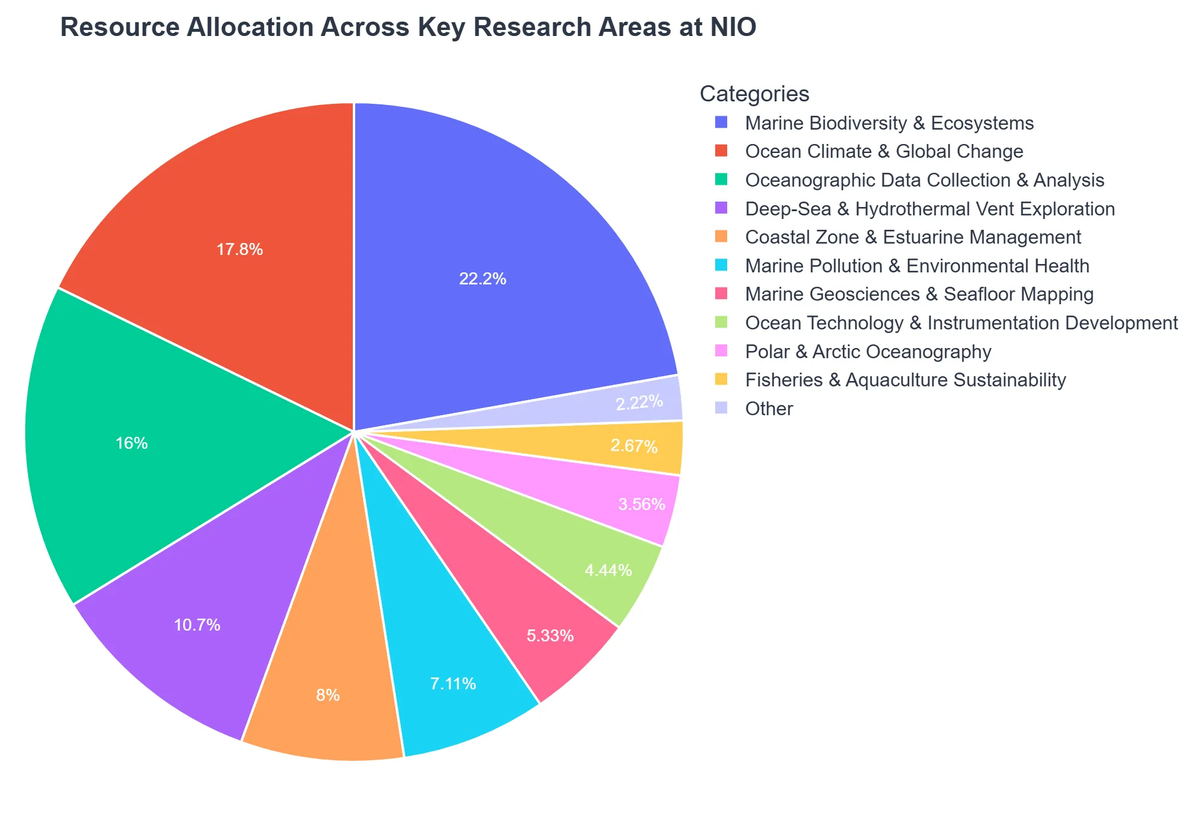
NIO conducts extensive research in areas including ocean dynamics, marine biodiversity, climate change impacts, coastal zone management, deep-sea exploration, and the sustainable use of marine resources.
Why is marine science research important?
Marine science research is vital for understanding ocean health, predicting climate patterns, managing marine resources sustainably, and developing strategies to mitigate the impacts of pollution and climate change on our oceans and planet.
How does NIO contribute to global environmental understanding?
NIO contributes by providing crucial data, scientific insights, and innovative solutions that inform policy-making, conservation efforts, and educational initiatives related to the ocean, thereby fostering a deeper global understanding of marine ecosystems.