

Understanding Biodiversity Preservation: Safeguarding Earth’s Richness
Our planet is an intricate web of life, a vast and diverse mosaic of species, ecosystems, and genetic variations. This incredible biological richness is known as biodiversity. The concept of biodiversity preservation refers to the protection, maintenance, and restoration of this variety of life on Earth. It encompasses a wide range of efforts aimed at preventing the extinction of species, protecting habitats, and ensuring the health and resilience of ecosystems.
💡 Key Takeaways
- Biodiversity is the foundation of healthy ecosystems, providing essential services like clean air and water.
- Human activities are rapidly accelerating biodiversity loss, threatening global stability and future generations.
- Effective preservation strategies require a multi-faceted approach, including habitat protection, sustainable practices, and policy changes.
- Individual actions, alongside global initiatives, are crucial for reversing the decline and fostering a resilient planet.
“Our planet’s intricate web of life, its biodiversity, is not merely a collection of species; it is the fundamental operating system for Earth’s climate stability and geological processes. Its decline is a direct threat to our very existence.”
— Dr. Marcus Sterling, PhD, Planetary Geoscientist & Climatologist
At its core, biodiversity preservation isn’t just about saving endangered animals or rare plants; it’s about safeguarding the very systems that sustain all life, including our own. It’s an acknowledgment that every species, no matter how small or seemingly insignificant, plays a role in the intricate balance of nature.
In This Article
- → Understanding Biodiversity Preservation: Safeguarding Earth’s Richness
- — 💡 Key Takeaways
- — What is Biodiversity? A Foundational Concept
- → Why Biodiversity Matters: The Pillars of Life
- — Ecosystem Services: Nature’s Free Gifts
- — Resilience and Stability
- → Major Threats to Biodiversity: A Call to Action
- — Drivers of Biodiversity Loss:
- → Strategies and Solutions for Biodiversity Preservation
- — Key Conservation Strategies:
- — Sustainable Practices and Policy:
- → The Role of Global and Local Efforts
- — Individual Actions:
- — Community and Global Initiatives:
What is Biodiversity? A Foundational Concept
To truly grasp the importance of preservation, we must first understand what biodiversity entails. It’s typically categorized into three main levels:
- ✅ Genetic Diversity: The variety of genes within a species. This is crucial for a species’ ability to adapt to changing environments, diseases, and climate shifts.
- ✅ Species Diversity: The variety of different species within an ecosystem or across the planet. This is the most commonly recognized aspect of biodiversity. For a deeper dive into the vastness of life, explore our article on Biodiversity Examples: Understanding Life’s Tapestry.
- ✅ Ecosystem Diversity: The variety of different habitats, communities, and ecological processes. This includes forests, deserts, oceans, wetlands, grasslands, and more, each with unique interactions.
Protecting this multi-faceted diversity is paramount, as a loss at any level can have cascading effects throughout the global ecosystem. Understanding Earth’s Unseen Forces: The Hidden Dynamics of Our Planet helps us appreciate the interconnectedness of our planet’s systems, of which biodiversity is a critical component.
Why Biodiversity Matters: The Pillars of Life
The value of biodiversity extends far beyond aesthetic appeal. It underpins virtually every aspect of human well-being and planetary health. Losing biodiversity means losing essential services that nature provides for free.
Ecosystem Services: Nature’s Free Gifts
Healthy ecosystems, rich in biodiversity, provide invaluable “ecosystem services” that are vital for human survival:
- ➡️ Clean Air and Water: Forests filter air, wetlands purify water, and diverse microbial communities break down pollutants.
- ➡️ Pollination: Insects, birds, and other animals pollinate crops, essential for food production. Without them, our food supply would dwindle dramatically.
- ➡️ Soil Fertility: Microorganisms and invertebrates in the soil are crucial for nutrient cycling, ensuring fertile land for agriculture.
- ➡️ Climate Regulation: Forests and oceans absorb carbon dioxide, helping to stabilize the global climate. Biodiversity is often called our strongest natural defense against climate change, as highlighted by the United Nations.
- ➡️ Disease Regulation: Diverse ecosystems can often better resist the spread of pathogens, reducing the risk of disease outbreaks.
- ➡️ Raw Materials and Medicines: Biodiversity provides timber, fibers, food, and a vast array of potential pharmaceutical compounds. Many life-saving drugs have been derived from natural organisms.
Resilience and Stability
A diverse ecosystem is a resilient one. When an ecosystem has a wide variety of species, it is better equipped to withstand disturbances like floods, droughts, or disease outbreaks. If one species is affected, others can often compensate, maintaining the overall function and stability of the system. A less diverse ecosystem is like a house of cards—remove one, and the whole structure might collapse.
Major Threats to Biodiversity: A Call to Action
Despite its critical importance, biodiversity is facing unprecedented threats, largely driven by human activities. We are currently experiencing a global extinction crisis, with species disappearing at rates far exceeding natural levels.
Drivers of Biodiversity Loss:
- 🔥 Habitat Loss and Fragmentation: This is the single greatest threat. Deforestation for agriculture, urbanization, infrastructure development, and mining destroy and fragment natural habitats, leaving species without homes or migration routes.
- ♨️ Climate Change: Rising global temperatures, altered precipitation patterns, and extreme weather events push species beyond their adaptive capacities, leading to habitat shifts, population declines, and extinctions.
- 🗑️ Pollution: Contaminants from industrial activity, agriculture, and waste disposal pollute air, water, and soil, directly harming organisms and disrupting ecosystems. For more on this, see our article on Pollution’s Impact on Biodiversity: Threats to Ecosystems.
- 🎣 Overexploitation: Unsustainable hunting, fishing, logging, and harvesting of wild species deplete populations faster than they can reproduce.
- 🦠 Invasive Alien Species: Non-native species introduced to new environments can outcompete native species, introduce diseases, or disrupt food webs, leading to declines in local biodiversity.
Strategies and Solutions for Biodiversity Preservation
Addressing the biodiversity crisis requires a multi-faceted approach involving conservation efforts, sustainable practices, policy changes, and individual actions.
Key Conservation Strategies:
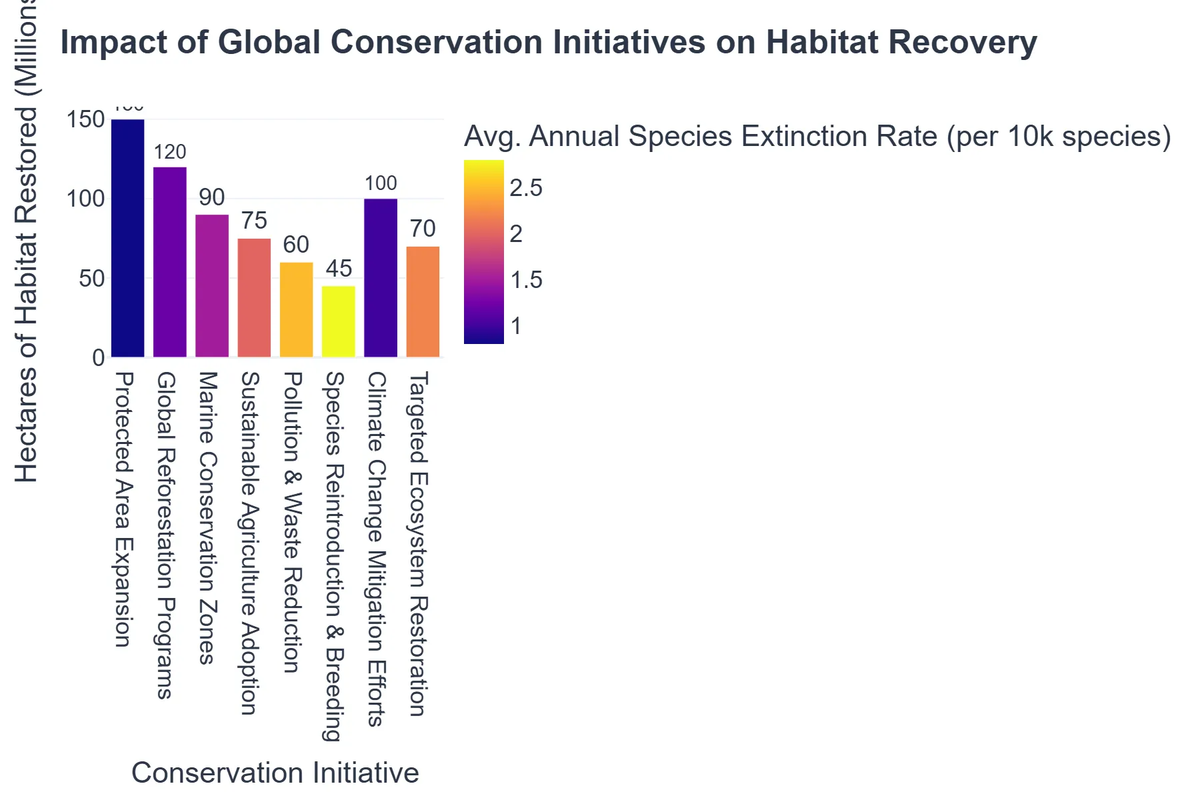
- 🌱 Protected Areas: Establishing national parks, wildlife reserves, and marine protected areas shields critical habitats and the species within them from human pressures. Identifying and preserving “biodiversity hotspots”—regions with high biodiversity facing significant threat—is a key strategy, as highlighted by Conservation International.
- 🌿 Species Protection Programs: Focused efforts to save endangered species through captive breeding, reintroduction, habitat restoration, and anti-poaching measures.
- ⭐ Restore Degraded Ecosystems: Reforestation, wetland restoration, and ecological rehabilitation projects aim to bring degraded areas back to health, increasing habitat availability.
- ⭐ Farm Biodiversity: Protecting and promoting agrobiodiversity is essential for our food security. This includes conserving traditional crop varieties and livestock breeds.
Sustainable Practices and Policy:
- 💡 Sustainable Resource Management: Implementing sustainable forestry, fisheries, and agricultural practices reduces the impact on natural ecosystems.
- 💡 Reduce Carbon Emissions: Mitigating climate change through renewable energy adoption, energy efficiency, and carbon sequestration is crucial for protecting climate-vulnerable species and ecosystems.
- 💡 Pollution Control: Stricter regulations on industrial emissions, agricultural runoff, and plastic waste are vital to prevent environmental contamination.
- 💡 Legislation and Enforcement: Strong environmental laws, international agreements (like the Convention on Biological Diversity), and effective enforcement are necessary to protect biodiversity at national and global levels.
Recommended Video
The Role of Global and Local Efforts
Biodiversity preservation is not solely the responsibility of governments or large organizations. It requires a collaborative effort from individuals, communities, and international bodies.
Individual Actions:
- ✅ Support Sustainable Consumption: Make conscious choices about the food you eat, products you buy, and energy you consume. Opt for sustainably sourced, eco-friendly options.
- ✅ Reduce Your Carbon Footprint: Drive less, conserve energy at home, and support renewable energy initiatives.
- ✅ Minimize Waste: Reduce, reuse, recycle, and compost to lessen your impact on landfills and reduce the demand for new resources.
- ✅ Educate Yourself and Others: Learn about local biodiversity and its threats, and share your knowledge with friends and family.
- ✅ Support Conservation Groups: Volunteer time or donate to reputable organizations like WWF that are actively working on the ground to protect species and habitats. Consider exploring the work of Biodiversity Warriors: Protecting Our Planet.
Community and Global Initiatives:
Local communities play a pivotal role in protecting nearby ecosystems. Indigenous communities, in particular, often hold traditional ecological knowledge vital for effective conservation. Globally, international cooperation is essential for addressing transboundary issues like climate change, illegal wildlife trade, and the protection of shared marine resources.
What is biodiversity and why is it important?
Biodiversity refers to the variety of life on Earth at all its levels, from genes to ecosystems. It is vital because it provides essential services like pollination, clean water, and climate regulation, supporting all life forms, including humans.
What are the main threats to biodiversity?
Key threats include habitat destruction, climate change, pollution, overexploitation of resources, and invasive species. These human-driven factors disrupt ecosystems and lead to species extinction at an alarming rate.
How can individuals contribute to biodiversity preservation?
Individuals can help by reducing their carbon footprint, supporting sustainable products, conserving water, planting native species, and advocating for policies that protect natural habitats and wildlife.
What is the role of protected areas in conservation?
Protected areas, such as national parks and wildlife reserves, are crucial for safeguarding critical habitats and species. They allow ecosystems to function naturally, providing refuges for endangered species and maintaining ecological balance.