


Big Data and Privacy: Navigating Ethical Considerations
In an age where data is often called the new oil, the rapid expansion of big data and privacy concerns stands at the forefront of technological and ethical discourse. From personal recommendations on streaming services to intricate predictive analytics used in healthcare, big data shapes our daily lives in countless ways. Yet, beneath its immense potential lies a complex web of ethical considerations, particularly concerning individual privacy.
💡 Key Takeaways
- Big data’s benefits often conflict with individual privacy rights.
- Ethical frameworks and regulations are crucial for responsible data handling.
- Transparency and user consent are foundational to building data trust.
- Balancing innovation with privacy protection is a critical societal challenge.
“Just as physics seeks to understand fundamental forces, we must apply a similar rigor to understanding the societal forces unleashed by big data. Our ability to innovate must be matched by our commitment to safeguard human dignity and privacy within these complex digital ecosystems.”
— Leo Garrison, Applied Physicist & Science Communicator
Understanding how data is collected, processed, and used is crucial for individuals and organizations alike. This article delves into the intricate relationship between big data and privacy, exploring the ethical dilemmas, legal frameworks, and best practices essential for responsible data stewardship. It’s a critical aspect of understanding The Science of Everyday: How the World Really Works in our data-driven world.
In This Article
- → Big Data and Privacy: Navigating Ethical Considerations
- — 💡 Key Takeaways
- → What is Big Data and Why Does Privacy Matter?
- — 📈 The Scale and Scope of Big Data
- — 🛡️ The Value and Vulnerability of Personal Data
- → The Core Ethical Dilemmas in Big Data
- — 🤝 Consent and Transparency: Knowing What You Share
- — ⚖️ Discrimination and Bias: Unintended Consequences
- — 🔒 Security vs. Utility: Balancing Access and Protection
- → Legal and Regulatory Frameworks for Data Privacy
- — 🌍 Global Regulations (e.g., GDPR, CCPA)
- — 🆕 Emerging Trends in Data Governance
- → Best Practices for Ethical Big Data Handling
- — 📏 Data Minimization and Anonymization
- — 🔒 Robust Data Security Measures
- — 🎨 Building a Culture of Privacy by Design
- → The Future of Big Data and Privacy: A Collaborative Path
- — 🛠️ Technological Solutions for Enhanced Privacy
- — 🤝 The Role of Individuals and Organizations
- → Conclusion
What is Big Data and Why Does Privacy Matter?
Big data refers to extremely large data sets that may be analyzed computationally to reveal patterns, trends, and associations, especially relating to human behavior and interactions. Its characteristics are often described by the “three Vs”: Volume, Velocity, and Variety.
📈 The Scale and Scope of Big Data
- ✅ Volume: The sheer amount of data generated daily is staggering, from social media interactions to sensor readings and financial transactions.
- ➡️ Velocity: Data streams in at unprecedented speeds, demanding real-time processing and analysis.
- 💡 Variety: Data comes in diverse forms, including structured (databases), semi-structured (XML, JSON), and unstructured (text, audio, video).
- 🔗 Veracity: A fourth ‘V’ often added, highlighting the importance of data quality and trustworthiness.
🛡️ The Value and Vulnerability of Personal Data
The insights derived from big data can drive innovation, improve public services, and personalize experiences. However, much of this data is personal data protection, often containing personally identifiable information (PII). The aggregation and analysis of seemingly innocuous data points can reveal sensitive details about individuals, making its ethical handling paramount.
When discussing PII Privacy: Protecting Personally Identifiable Information, it becomes clear that the insights gained from large datasets often come from the ability to link disparate pieces of information back to an individual. This potential for re-identification, even from anonymized datasets, underscores the inherent vulnerability and the critical need for robust privacy measures.
The Core Ethical Dilemmas in Big Data
The power of big data comes with significant ethical challenges that organizations and individuals must navigate. These dilemmas often pit the benefits of data analysis against the fundamental rights of individuals.
🤝 Consent and Transparency: Knowing What You Share
One of the foundational principles of data ethics is informed consent. However, in the context of big data, obtaining meaningful consent can be challenging:
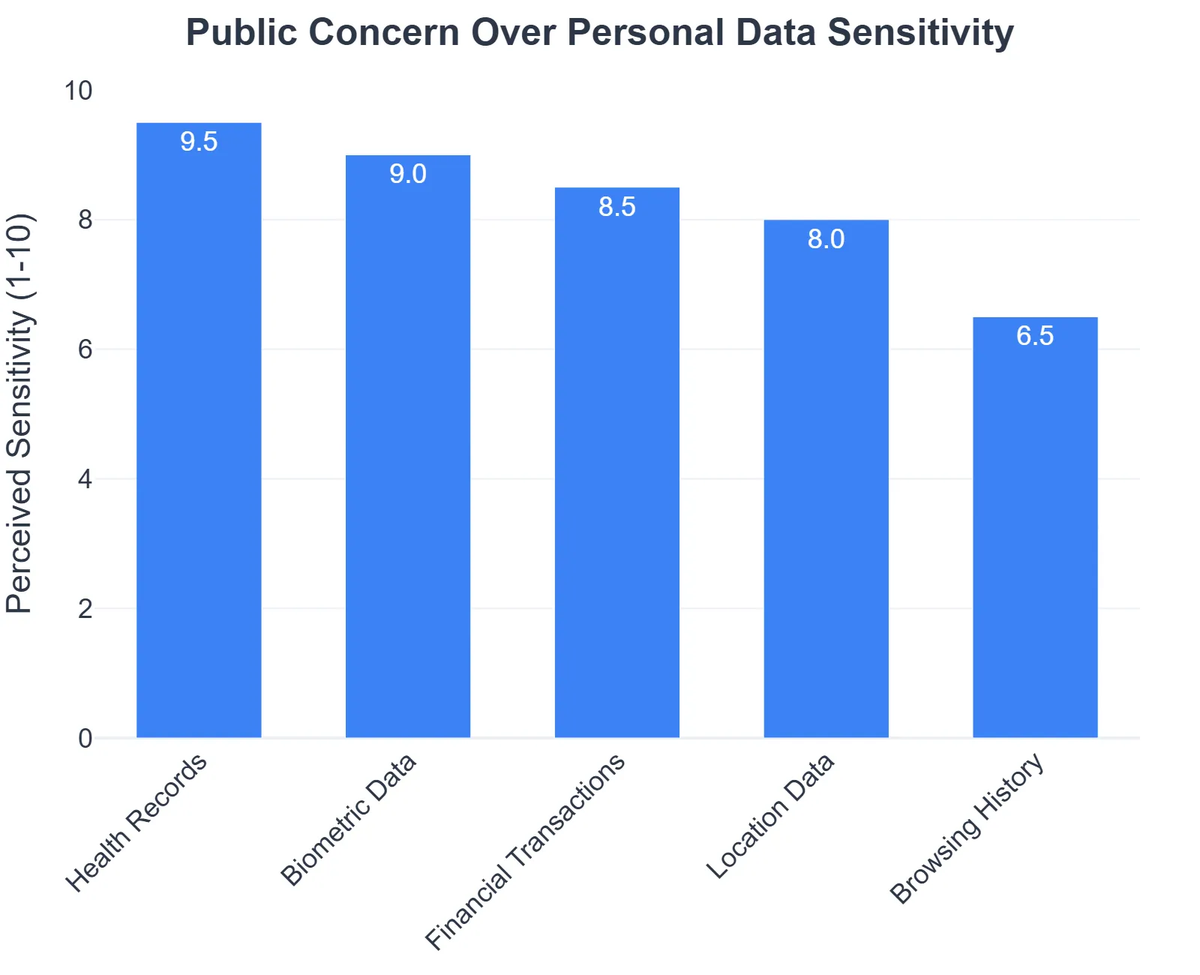
- ⚙️ Complexity of Terms: Privacy policies are often long, technical, and difficult for the average user to understand.
- 🔄 Dynamic Data Use: Data collected for one purpose may later be used for entirely different, unforeseen analyses.
- 🌐 Implicit Consent: In many online interactions, consent is implied through continued use of a service, rather than explicit agreement to specific data practices.
Transparency about data collection, storage, and usage is vital for building trust and empowering individuals to make informed decisions about their individual privacy.
⚖️ Discrimination and Bias: Unintended Consequences
Big data algorithms learn from the data they are fed. If this data reflects societal biases or historical inequities, the algorithms can perpetuate or even amplify discrimination:
- 🚫 Algorithmic Bias: Biased training data can lead to unfair outcomes in areas like loan approvals, hiring decisions, or criminal justice.
- 📉 Exclusion: Certain demographic groups might be underserved or disproportionately impacted by automated decisions.
- 🔮 Predictive Policing: Using historical crime data can lead to over-policing of certain neighborhoods, perpetuating a cycle of bias.
Addressing these biases requires careful auditing of data sets and algorithms, promoting diversity in data science teams, and implementing ethical AI principles.
🔒 Security vs. Utility: Balancing Access and Protection
There’s an inherent tension between making data accessible for analysis and protecting it from unauthorized access or misuse. The more data is shared and analyzed, the greater the risk of a breach.
Ensuring robust Privacy Breaches: Prevention, Impact, and Protection Strategies is a continuous challenge for organizations dealing with vast amounts of information. The threat from Cybersecurity’s Shadow: Unmasking Bad Actors makes this balance even more delicate.
Legal and Regulatory Frameworks for Data Privacy
To address the ethical challenges of big data, governments worldwide have enacted or are developing comprehensive legal frameworks. These regulations aim to establish clear rules for data collection, processing, and storage, empowering individuals with greater control over their personal information.
🌍 Global Regulations (e.g., GDPR, CCPA)
- 🇪🇺 General Data Protection Regulation (GDPR): Enacted by the European Union, GDPR is one of the strictest privacy and security laws globally. It mandates data protection by design and default, requires explicit consent, and grants individuals rights such as access, rectification, and erasure of their data.
- 🇺🇸 California Consumer Privacy Act (CCPA): A landmark law in the United States, CCPA provides California consumers with rights concerning their personal information, including the right to know what data is collected about them and the right to opt-out of its sale.
- 🇨🇦 Personal Information Protection and Electronic Documents Act (PIPEDA): Canada’s federal privacy law for private sector organizations.
- 🇧🇷 Lei Geral de Proteção de Dados (LGPD): Brazil’s comprehensive data protection law, heavily inspired by GDPR.
These regulations underscore the global shift towards stronger data governance and accountability in data handling.
🆕 Emerging Trends in Data Governance
- 💡 Data Localization: Requirements for certain types of data to be stored within a country’s borders.
- ➡️ Data Portability: The right for individuals to receive their personal data in a structured, commonly used, and machine-readable format and to transmit that data to another controller.
- 🔐 Privacy-Enhancing Technologies (PETs): The development and adoption of technologies like homomorphic encryption and differential privacy to protect data while enabling analysis.
- ⚖️ AI Ethics Regulations: A growing focus on ethical guidelines and regulations specifically for artificial intelligence, addressing issues like transparency, fairness, and accountability in algorithmic decision-making.
Best Practices for Ethical Big Data Handling
For organizations, navigating the ethical landscape of big data requires a proactive approach centered on responsibility and respect for individual privacy. Adopting best practices in data ethics is not just about compliance, but about building trust and ensuring sustainable innovation.
📏 Data Minimization and Anonymization
- ✅ Collect Only What’s Necessary: Organizations should only collect the data absolutely required for a specific, stated purpose.
- ➡️ Anonymization and Pseudonymization: Where possible, data should be anonymized (making re-identification impossible) or pseudonymized (replacing identifying information with artificial identifiers).
- 🗑️ Data Retention Policies: Establish clear policies for how long data is stored and ensure data is securely deleted when no longer needed.
🔒 Robust Data Security Measures
Protecting data from breaches, unauthorized access, and cyber threats is non-negotiable. This involves a multi-layered approach:
- 🔑 Encryption: Encrypt data both in transit and at rest.
- 🚨 Access Controls: Implement strict access controls and role-based permissions to ensure only authorized personnel can access sensitive data.
- 📊 Regular Audits and Monitoring: Continuously monitor data systems for suspicious activity and conduct regular security audits.
- 훈련 Employee Training: Educate all employees on data security best practices and the importance of privacy.
🎨 Building a Culture of Privacy by Design
Privacy by Design (PbD) is an approach that integrates privacy considerations into the entire lifecycle of a product or service, from its initial design to its deployment and eventual decommissioning.
- Proactive, Not Reactive: Anticipate and prevent privacy invasive events before they happen.
- Privacy as Default: Ensure that personal data is automatically protected in any IT system or business practice.
- Embedded into Design: Privacy is an integral component of systems and practices, not an add-on.
- Full Functionality: Achieve privacy without sacrificing core functionality or usability.
- End-to-End Security: Ensure robust security measures protect data throughout its entire lifecycle.
- Visibility and Transparency: Keep operations and practices visible and transparent to users and providers.
- Respect for User Privacy: Maintain a strong focus on individual interests, providing strong privacy defaults, clear notice, and empowering user-friendly options.
The Future of Big Data and Privacy: A Collaborative Path
The journey towards ethical big data use is ongoing. As technology evolves, so too will the challenges and solutions related to privacy. The future demands a collaborative effort from technologists, policymakers, organizations, and individuals.
🛠️ Technological Solutions for Enhanced Privacy
- 🔗 Federated Learning: Allows AI models to be trained on decentralized data sets without the data ever leaving the user’s device, preserving individual privacy.
- 🔒 Homomorphic Encryption: Enables computations on encrypted data without decrypting it, offering a powerful tool for privacy-preserving analytics.
- 🤖 Differential Privacy: Adds controlled “noise” to data sets to prevent the identification of individuals while still allowing for meaningful aggregate analysis.
- 🧾 Blockchain for Data Provenance: Can provide transparent and immutable records of data origin and movement, enhancing trust.
🤝 The Role of Individuals and Organizations
Individuals must remain vigilant and informed about their data privacy rights, utilizing tools and settings to manage their digital footprint. Organizations, on the other hand, must commit to transparent, ethical data practices, recognizing that responsible data collection and handling builds long-term trust and loyalty. This involves investing in robust data security infrastructure and fostering a strong ethical culture.
Understanding the implications of big data on privacy is more critical than ever. It’s a continuous learning process for everyone involved.
Recommended Video
Conclusion
The intersection of big data and privacy presents both incredible opportunities and significant challenges. While big data has the power to transform industries, improve lives, and drive innovation, its potential benefits must always be weighed against the fundamental right to individual privacy.
Navigating these ethical considerations requires a multifaceted approach: robust legal frameworks, cutting-edge technological solutions, and, most importantly, a pervasive commitment to data ethics and responsible data governance from every organization and individual. By prioritizing transparency, consent, and security, we can harness the immense power of big data while upholding the privacy that forms the bedrock of a trusting, equitable society.
Frequently Asked Questions
How do regulations like GDPR affect big data privacy?
GDPR mandates strict rules on data collection, storage, and processing, granting individuals more control over their personal data and requiring explicit consent for its use.
Can big data be used ethically?
Yes, big data can be used ethically when organizations prioritize transparency, anonymization, consent, purpose limitation, and robust security measures to protect individual privacy.
What is data anonymization?
Data anonymization is the process of removing or encrypting personally identifiable information from datasets to protect individuals’ privacy while still allowing the data to be used for analysis.