


Privacy Breaches: Prevention, Impact, and Protection Strategies
In an increasingly digital world, where personal and organizational data flows freely across networks, the threat of a privacy breach looms larger than ever. From global corporations to individual users, no entity is immune to the risks posed by unauthorized access, disclosure, or loss of information. Understanding these incidents—their causes, consequences, and how to effectively guard against them—is paramount for navigating the modern digital landscape securely. This article delves deep into the science of why and how data breaches occur, their widespread repercussions, and the robust strategies everyone, from large enterprises to private citizens, can employ to foster genuine data privacy.
💡 Key Takeaways
- Proactive prevention measures, including strong passwords and cautious online behavior, are crucial for personal and organizational privacy.
- The impact of a privacy breach extends beyond financial loss to include reputational damage, emotional distress, and potential legal consequences.
- Implementing multi-factor authentication, regularly updating software, and staying informed about phishing threats significantly enhance digital protection.
- Understanding your digital footprint and regularly reviewing privacy settings are key steps to managing and minimizing potential exposure to privacy risks.
“Just as we apply physics to understand the universe’s most complex systems, safeguarding digital privacy requires a layered, structural approach. It’s about designing resilience into our data ecosystems, not just reacting to breaches.”
— Leo Garrison, Applied Physicist & Science Communicator
We believe that understanding the intricate mechanisms behind data security is a core component of comprehending The Science of Everyday: How the World Really Works. Let’s explore how we can better protect our digital lives.
In This Article
- → Privacy Breaches: Prevention, Impact, and Protection Strategies
- — 💡 Key Takeaways
- → Understanding Privacy Breaches: What Are They?
- — 🔍 Defining a Privacy Breach
- — 💡 Common Types of Breaches
- → The Far-Reaching Impact of Privacy Breaches
- — 💰 Financial Consequences
- — 💔 Reputational Damage & Loss of Trust
- — 🏥 Individual Harm & Medical Privacy Concerns
- — ⚖️ Legal and Regulatory Ramifications
- → Proactive Prevention Strategies for Organizations
- — ⚙️ Robust Cybersecurity Measures
- — 🎯 Employee Training & Awareness
- — ✅ Data Minimization & Privacy by Design
- — 📊 Regular Audits & Vulnerability Assessments
- → Empowering Individuals: Personal Protection Strategies
- — 🔐 Strong Password Habits & Multi-Factor Authentication
- — 🌐 Understanding Your Digital Footprint
- — 🛡️ Utilizing Privacy-Enhancing Tools
- — 💬 Exercising Your Data Subject Rights
- → Navigating the Legal and Ethical Landscape of Data Privacy
- — 📜 Key Regulations & Compliance
- — 🤝 Fostering Respect for Privacy
- — 🚀 The Future of Privacy in Marketing & Big Data
- → Conclusion: A Collective Responsibility for Data Privacy
Understanding Privacy Breaches: What Are They?
A privacy breach, often synonymous with a data breach, occurs when sensitive, protected, or confidential data is accessed, copied, transmitted, viewed, stolen, or used by an individual unauthorized to do so. These incidents can range from accidental exposures to malicious cyberattacks, profoundly impacting both organizations and individuals.
🔍 Defining a Privacy Breach
- ✅ Unauthorized Access: Gaining entry to systems or data without proper permissions.
- ✅ Data Exfiltration: Illegally transferring data out of an organization’s control.
- ✅ Accidental Exposure: Unintentional disclosure due to human error, misconfigured systems, or poor processes.
- ✅ Loss or Theft: Physical devices containing data being lost or stolen.
For a comprehensive definition, Fortinet defines a data breach as a security incident in which unauthorized individuals gain access to confidential, sensitive, or protected data. (Source: Fortinet)
💡 Common Types of Breaches
- ➡️ Hacking: Exploiting system vulnerabilities (e.g., SQL injection, cross-site scripting).
- ➡️ Malware: Viruses, ransomware, spyware designed to compromise systems and steal data.
- ➡️ Phishing/Social Engineering: Tricking individuals into revealing credentials or sensitive information.
- ➡️ Insider Threats: Malicious or accidental actions by current or former employees.
- ➡️ Physical Breaches: Theft of laptops, hard drives, or documents.
The Far-Reaching Impact of Privacy Breaches
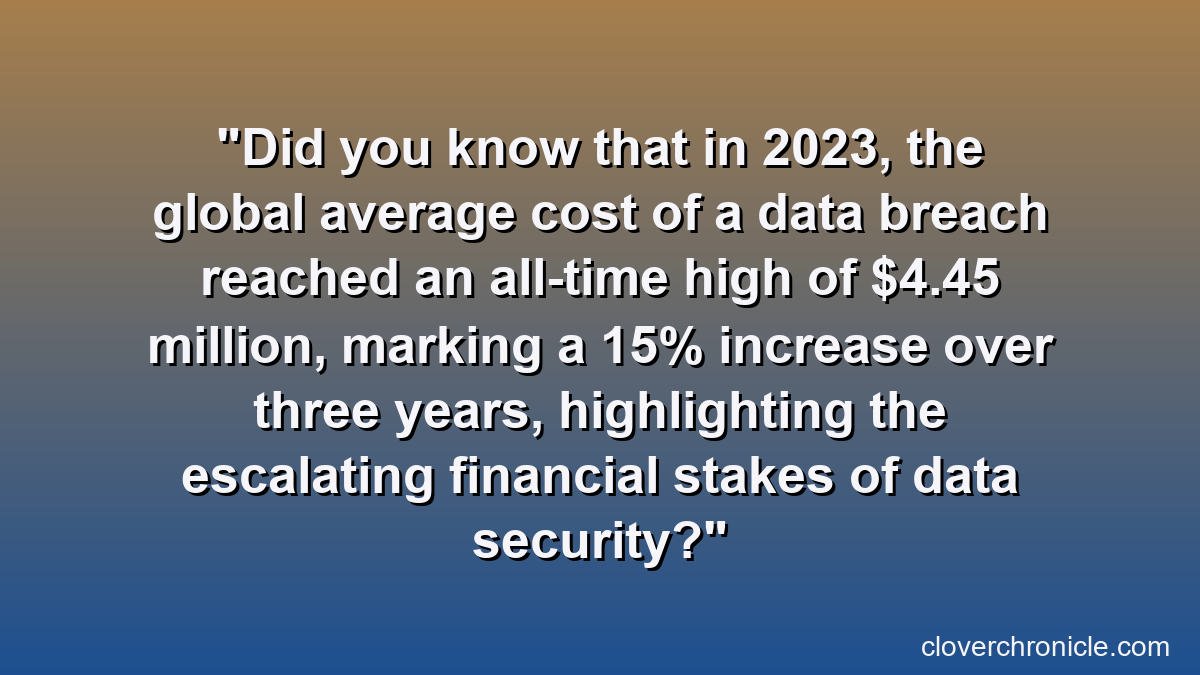
The aftermath of a privacy breach extends far beyond the immediate technical fix. It can inflict severe damage across financial, reputational, legal, and personal domains, demonstrating how gravely violating privacy can affect all involved parties.
💰 Financial Consequences
- ✅ Response Costs: Investigation, forensics, legal fees, notification expenses.
- ✅ Regulatory Fines: Penalties from supervisory authorities (e.g., GDPR, CCPA).
- ✅ Lost Revenue: Customer churn, decreased sales, business disruption.
- ✅ Litigation: Class-action lawsuits and individual claims for damages.
💔 Reputational Damage & Loss of Trust
A breach can severely erode public trust, making it difficult for organizations to retain existing customers or attract new ones. Negative publicity can have long-lasting effects on a brand’s image and market value. Maintaining a strong respect for privacy is crucial for brand integrity.
🏥 Individual Harm & Medical Privacy Concerns
For individuals, the impact can be devastating:
- ➡️ Identity Theft: Misuse of personal information for fraudulent purposes.
- ➡️ Financial Fraud: Unauthorized credit card charges, loan applications.
- ➡️ Emotional Distress: Anxiety, stress, and fear due to compromised data.
- ➡️ Medical Privacy Violations: Exposure of sensitive health records, potentially leading to discrimination or targeted scams.
Understanding the intricacies of PII Privacy: Protecting Personally Identifiable Information is essential for individuals and organizations alike.
⚖️ Legal and Regulatory Ramifications
The global regulatory landscape is increasingly stringent regarding data privacy. Laws like GDPR (Europe), CCPA (California), and HIPAA (U.S. medical privacy) impose significant obligations on how data is collected, stored, and processed. Breaches can trigger investigations, leading to substantial fines and mandatory reporting, underscoring the importance of adhering to frameworks like DPA privacy standards.
Proactive Prevention Strategies for Organizations
Preventing privacy breaches requires a multi-faceted approach, integrating technology, policy, and human awareness. Organizations must adopt a proactive stance, continuously evaluating and enhancing their security posture to be truly privacy preserving.
⚙️ Robust Cybersecurity Measures
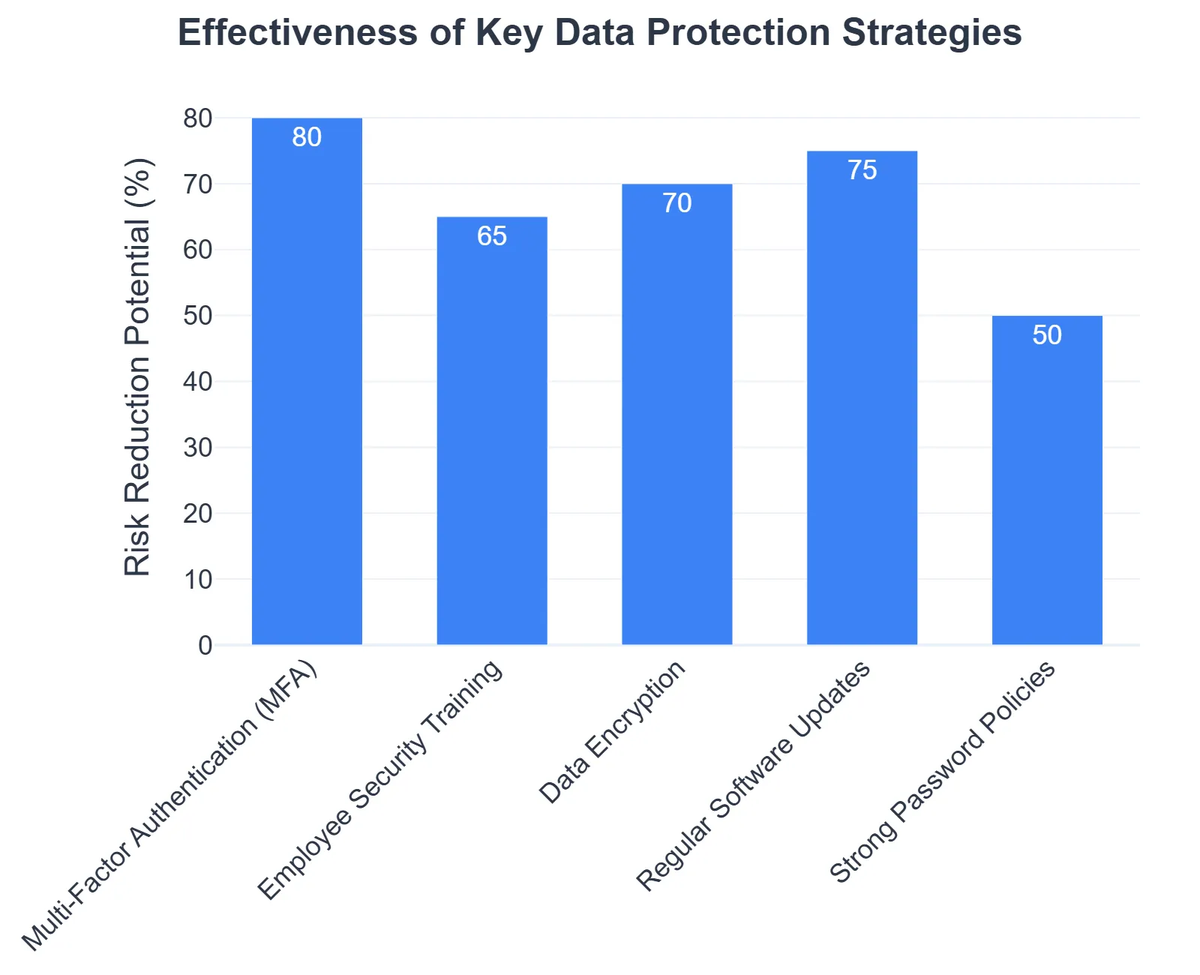
- ✅ Encryption: Encrypting data at rest and in transit.
- ✅ Firewalls & Intrusion Detection Systems (IDS): Monitoring and blocking unauthorized network access.
- ✅ Access Controls: Implementing least privilege and role-based access.
- ✅ Regular Software Updates & Patching: Addressing known vulnerabilities promptly.
- ✅ Data Loss Prevention (DLP): Tools to prevent sensitive information from leaving controlled environments.
Effective data protection strategies involve multiple components, from technical safeguards to policy implementation. (Source: Cloudian)
🎯 Employee Training & Awareness
Humans are often the weakest link in the security chain. Regular, comprehensive training can significantly reduce the risk of breaches caused by human error or social engineering.
- ➡️ Phishing Simulations: Educating employees on how to identify and report suspicious emails.
- ➡️ Security Best Practices: Training on password hygiene, safe browsing, and data handling protocols.
- ➡️ Incident Response Training: Ensuring employees know how to react in case of a suspected breach.
✅ Data Minimization & Privacy by Design
Adopting principles like data minimization (collecting only necessary data) and privacy by design (integrating privacy into systems from conception) are fundamental. This proactive approach helps to inherently limit the scope and impact of any potential breach, aligning with the goal of being truly privacy preserving.
📊 Regular Audits & Vulnerability Assessments
Consistent evaluation of security systems and processes is crucial for identifying weaknesses before they can be exploited.
- ➡️ Penetration Testing: Simulating cyberattacks to find vulnerabilities.
- ➡️ Security Audits: Reviewing security policies, controls, and configurations.
- ➡️ Vendor Security Assessments: Ensuring third-party partners adhere to security standards.
Understanding global cyber threats and potential adversaries is also vital for robust defense, as discussed in CrowdStrike Adversaries: Understanding Global Cyber Threats.
Empowering Individuals: Personal Protection Strategies
While organizations bear significant responsibility, individuals also play a critical role in safeguarding their own data. Personal vigilance and smart digital habits are key to fostering strong privacy and protection.
🔐 Strong Password Habits & Multi-Factor Authentication
- ✅ Unique, Complex Passwords: Using different strong passwords for each online account.
- ✅ Password Managers: Utilizing tools to securely store and generate complex passwords.
- ✅ Multi-Factor Authentication (MFA): Enabling MFA wherever possible to add an extra layer of security.
🌐 Understanding Your Digital Footprint
Be aware of the information you share online, from social media posts to online purchases. Every piece of data contributes to your digital footprint, which can be exploited if not carefully managed. For more detailed guidance, consider learning about Protecting Your PII: Understanding Personally Identifiable Information.
🛡️ Utilizing Privacy-Enhancing Tools
- ➡️ VPNs: Encrypting your internet connection, especially on public Wi-Fi.
- ➡️ Privacy-Focused Browsers/Search Engines: Choosing tools designed to minimize data tracking.
- ➡️ Ad Blockers & Tracker Blockers: Limiting online surveillance by advertisers.
- ➡️ App Permissions Review: Regularly checking and limiting permissions granted to mobile apps, aligning with principles like those emphasized in Apple Data and Privacy: Protecting Your Information.
💬 Exercising Your Data Subject Rights
Many modern privacy regulations grant individuals specific rights regarding their data, often referred to as Data Subject Rights (DSRs). Understanding and exercising these rights is a powerful form of personal data protection.
- ✅ Right to Access (DSAR privacy): Requesting a copy of your personal data held by an organization.
- ✅ Right to Rectification: Correcting inaccurate personal data.
- ✅ Right to Erasure (“Right to Be Forgotten”): Requesting the deletion of your personal data under certain conditions.
- ✅ Right to Object: Objecting to the processing of your personal data.
Navigating the Legal and Ethical Landscape of Data Privacy
The shift towards greater data governance highlights a global commitment to respect for privacy, influencing everything from corporate policy to privacy in marketing strategies.
📜 Key Regulations & Compliance
The proliferation of data protection regulations worldwide underscores a collective recognition of the importance of privacy. Understanding and complying with these laws is not just a legal obligation but an ethical imperative for organizations operating globally.
- ➡️ General Data Protection Regulation (GDPR): EU law setting strict rules for data processing and individual rights.
- ➡️ California Consumer Privacy Act (CCPA) / California Privacy Rights Act (CPRA): U.S. laws granting consumers more control over their personal information.
- ➡️ Health Insurance Portability and Accountability Act (HIPAA): U.S. law protecting sensitive patient health information.
- ➡️ Sector-Specific Regulations: Many industries have their own compliance requirements (e.g., PCI DSS for credit card data).
These regulations fundamentally reshape how organizations approach DPA privacy and data management.
🤝 Fostering Respect for Privacy
Beyond legal compliance, a culture of respect for privacy within organizations is crucial. This means integrating privacy considerations into every business decision, from product development to customer service. It involves transparency with users about data practices and empowering them with control over their information.
🚀 The Future of Privacy in Marketing & Big Data
As Big Data continues to grow, so do the challenges in maintaining privacy. The ethical implications of collecting, analyzing, and using vast amounts of personal data are a major discussion point. Future trends indicate a move towards more granular consent, anonymization techniques, and advanced privacy-enhancing technologies. Learn more about Big Data and Privacy: Navigating Ethical Considerations.
Recommended Video
Conclusion: A Collective Responsibility for Data Privacy
Privacy breaches represent a significant and evolving threat in our interconnected world. Their prevention, impact mitigation, and robust protection strategies are not solely the domain of cybersecurity experts or legal teams; they are a shared responsibility that demands vigilance from organizations and individuals alike. By understanding the mechanisms behind breaches, recognizing their far-reaching consequences, and proactively implementing strong defenses, we can collectively work towards a more secure and privacy preserving digital future.
Embracing a culture of data privacy is no longer optional—it’s a fundamental requirement for trust, security, and the ethical functioning of our digital society.
Frequently Asked Questions
What constitutes a privacy breach?
A privacy breach occurs when confidential, sensitive, or protected information is accessed, disclosed, altered, or destroyed without authorization, often leading to a compromise of an individual’s or organization’s data.
How can I prevent personal privacy breaches?
To prevent personal privacy breaches, utilize strong, unique passwords, enable two-factor authentication (2FA), be wary of phishing attempts, regularly update software, and carefully review privacy settings on all your online accounts and devices.
What are the common impacts of a privacy breach?
The common impacts of a privacy breach can range from identity theft and financial fraud to reputational damage, emotional distress, and potential legal and regulatory penalties for organizations involved.
Are all privacy breaches reported publicly?
No, not all privacy breaches are reported publicly. Reporting requirements vary significantly by jurisdiction, industry, and the type of data involved, though many major breaches are mandated for disclosure under various data protection laws.