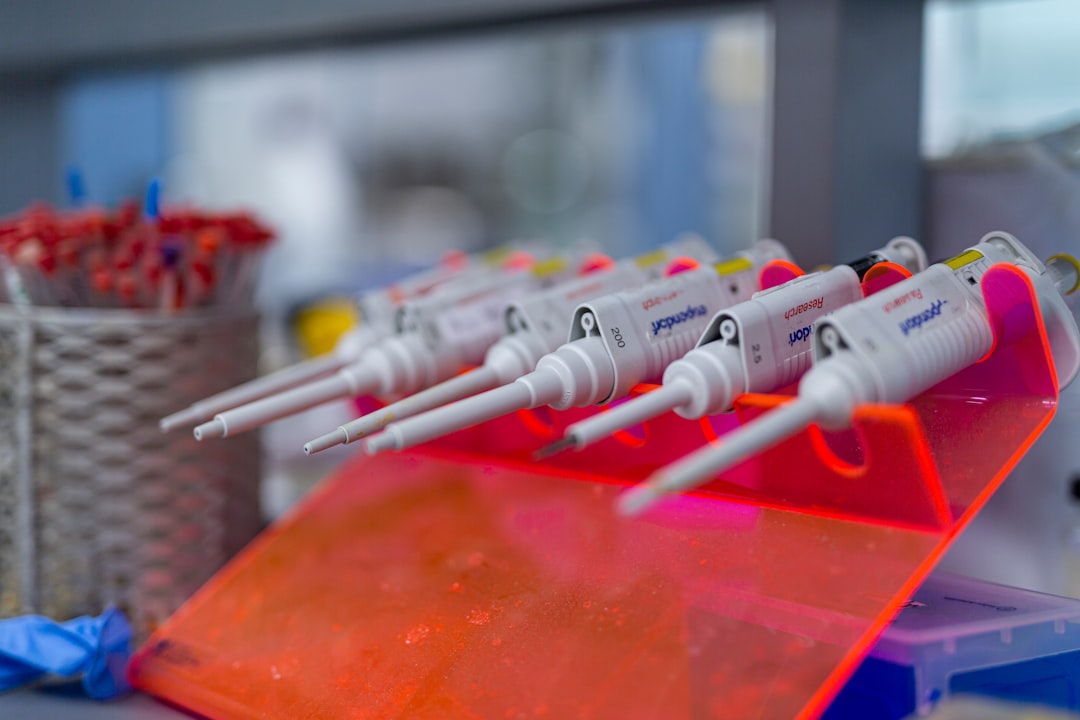
In the vast landscape of modern science, few fields hold as much promise and transformative power as GEN biotechnology. This dynamic discipline stands at the intersection of genetic engineering, molecular biology, and pharmaceutical innovation, unlocking unprecedented possibilities for human health, agriculture, and industry. From decoding the intricate blueprints of life to designing novel therapies, GEN biotechnology is fundamentally reshaping our understanding of existence and our ability to intervene in biological processes.
💡 Key Takeaways
- Genetic engineering is fundamental to developing cutting-edge biopharmaceutical drugs and therapies.
- Biotechnology advancements are rapidly transforming healthcare, agriculture, and environmental sustainability.
- Innovation in GEN Biotechnology is leading to more targeted treatments and personalized medicine approaches.
- Ethical considerations and responsible governance are crucial for the continued progress of genetic research.
“The power of GEN Biotechnology lies in its ability to harness evolution’s fundamental mechanisms, allowing us to precisely re-engineer life for unprecedented therapeutic and sustainable solutions. It’s a testament to how deeply we’re beginning to understand and responsibly guide biological potential.”
— Julian Aris, Evolutionary Biologist & Geneticist
At “The Code of Life,” we are dedicated to exploring the cutting edge of biological science. This comprehensive guide will delve deep into the world of GEN biotechnology, exploring its foundational principles, revolutionary applications in biopharmaceuticals, the cutting-edge technologies driving its progress, and the profound impact it has on our world. Prepare to embark on a journey through the molecular marvels that define the future of medicine and beyond.
In This Article
- — 💡 Key Takeaways
- → 🔬 What is GEN Biotechnology?
- — Defining GEN Biotechnology
- — Historical Context and Evolution
- → 🧬 The Power of Genetic Engineering in Biotechnology
- — Core Techniques Revolutionizing Genetic Manipulation
- — Applications Beyond Medicine
- → 💊 Biopharmaceutical Innovation: A New Era of Medicine
- — From Molecules to Miracles: The Development Pipeline
- — Key Biopharmaceutical Products and Their Impact
- → ⚙️ Key Technologies Driving GEN Biotechnology
- — Omics Technologies: Unlocking Biological Data
- — Advanced Gene Editing Tools
- — Bioprocess Engineering and Automation
- → 📈 Impact and Future of GEN Biotechnology
- — Transformative Impact on Health and Industry
- — Emerging Trends and Opportunities
- → ⚠️ Challenges and Ethical Considerations
- — Regulatory Hurdles and Public Perception
- — Ethical Dilemmas in Gene Editing
- → Conclusion: The Future Forged by GEN Biotechnology
🔬 What is GEN Biotechnology?
GEN biotechnology refers to the broad array of scientific and industrial applications that leverage biological systems, living organisms, or derivatives thereof, to develop or create different products. At its core, it encompasses the deliberate manipulation of genetic material to achieve specific outcomes, a process widely known as genetic engineering.
Defining GEN Biotechnology
- ✅ Interdisciplinary Field: GEN biotechnology integrates biology, chemistry, computer science, and engineering principles.
- ➡️ Focus on Genetic Engineering: A primary aspect is the precise alteration of an organism’s genes, enabling the creation of new traits or the suppression of undesirable ones.
- 💡 Goal-Oriented Application: Unlike basic biological research, GEN biotechnology is driven by the application of biological knowledge to solve practical problems or create valuable products.
Historical Context and Evolution
The roots of biotechnology can be traced back millennia, from selective breeding of crops to fermentation processes. However, modern GEN biotechnology truly emerged in the 1970s with the advent of recombinant DNA technology, which allowed scientists to cut and paste DNA fragments from different organisms. This breakthrough paved the way for the precise manipulations we see today, leading to rapid advancements in areas like medicine and agriculture.
🧬 The Power of Genetic Engineering in Biotechnology
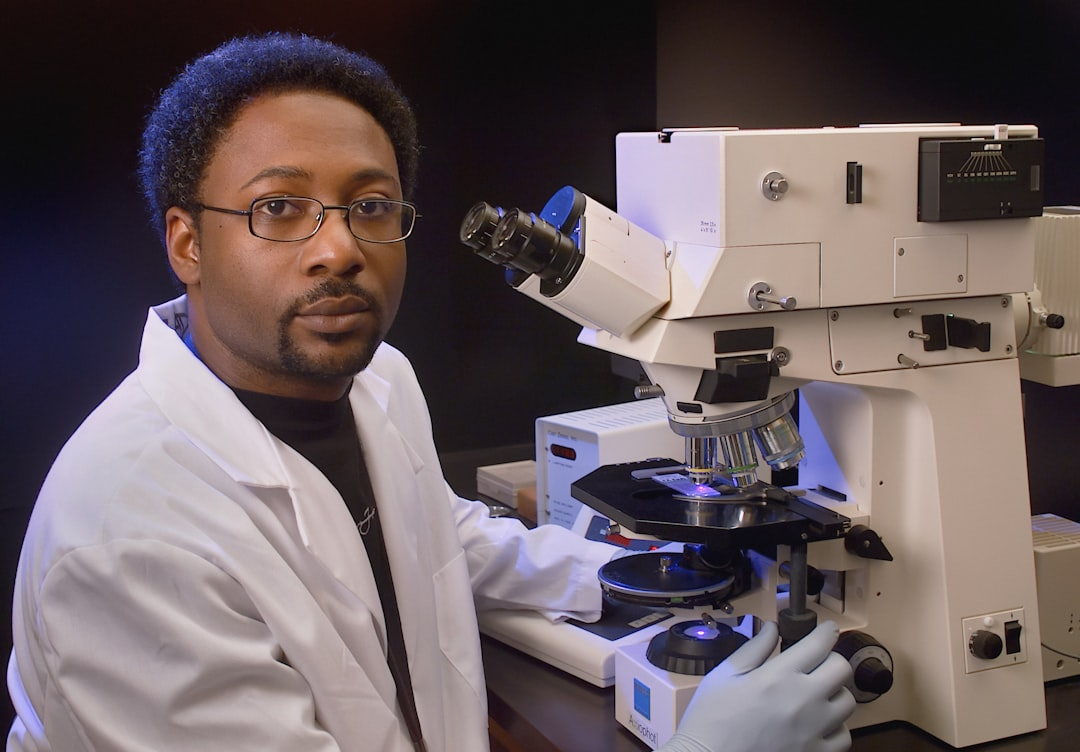
Genetic engineering is the cornerstone of modern GEN biotechnology, enabling scientists to directly modify an organism’s DNA. This ability to “edit” the very instructions of life has profound implications for a multitude of sectors.
Core Techniques Revolutionizing Genetic Manipulation
- ➡️ Recombinant DNA Technology: The original method for combining DNA from different sources, leading to the production of new proteins or genetically modified organisms (GMOs).
- 🔬 CRISPR-Cas9 System: A revolutionary gene-editing tool that allows for highly precise, efficient, and relatively easy modification of DNA sequences. This has dramatically accelerated research and therapeutic development.
- 🛠️ Gene Splicing and Synthesis: Techniques used to cut out specific genes, insert new ones, or even synthesize entirely new DNA sequences from scratch.
Applications Beyond Medicine
While often associated with medicine, genetic engineering’s reach extends much further:
- 🌱 Agriculture: Developing crops with enhanced yield, pest resistance, herbicide tolerance, or improved nutritional value. For more on this, explore Crop Biotechnology: Revolutionizing Agriculture for Food Security.
- 🏭 Industrial Biotechnology: Engineering microorganisms to produce biofuels, enzymes for industrial processes, biodegradable plastics, or novel materials.
- 🌎 Environmental Applications: Developing bacteria to clean up oil spills or degrade pollutants, and engineering plants for bioremediation.
For an in-depth understanding of how this reshaping of life’s code is achieved, consider reading our article on Genetic Engineering: Reshaping Life’s Code.
💊 Biopharmaceutical Innovation: A New Era of Medicine
Perhaps the most impactful application of GEN biotechnology lies in the realm of biopharmaceuticals. These are medicinal products manufactured in, extracted from, or semi-synthesized from biological sources. Unlike chemically synthesized drugs, biopharmaceuticals are often complex molecules, such as proteins, antibodies, or vaccines, that mimic or modulate natural biological processes.
From Molecules to Miracles: The Development Pipeline
The journey of a biopharmaceutical from concept to patient is rigorous and lengthy, driven by sophisticated biotechnological processes:
- 🧪 Target Identification: Using genomics and proteomics to identify specific genes or proteins involved in disease pathways.
- 🔬 Drug Discovery: Employing high-throughput screening and rational drug design, often aided by computational biology, to find potential therapeutic molecules. As discussed by leading innovators, Nautilus Biotechnology: Revolutionizing Proteomics and Drug Discovery plays a significant role in this space.
- 📈 Bioprocess Engineering: Scaling up the production of these complex molecules from lab bench to industrial bioreactors. This intricate process is detailed in Biotechnology and Bioprocess Engineering: From Lab to Production.
- 📊 Clinical Trials: Rigorous testing in humans to ensure safety and efficacy before regulatory approval.
Key Biopharmaceutical Products and Their Impact
Biopharmaceuticals have revolutionized treatment for numerous diseases:
- 💉 Therapeutic Proteins: Recombinant insulin for diabetes, growth hormones, and clotting factors for hemophilia.
- 🛡️ Monoclonal Antibodies (mAbs): Highly specific antibodies designed to target disease cells (e.g., cancer, autoimmune diseases) or neutralize pathogens.
- 🦠 Vaccines: Modern vaccines, including mRNA-based vaccines, leveraging genetic engineering to elicit robust immune responses against infectious diseases.
- 🧬 Gene Therapies: Correcting defective genes or introducing new genes to treat genetic disorders, offering curative potential.
The biopharma sector is a global powerhouse, with regions like Maryland, D.C., and Virginia emerging as a “Top 3” biopharma cluster, showcasing the concentration of talent and innovation in this critical field. For more insights into the industry, visit Maryland, D.C., and Virginia Top 3 Biopharma Cluster.
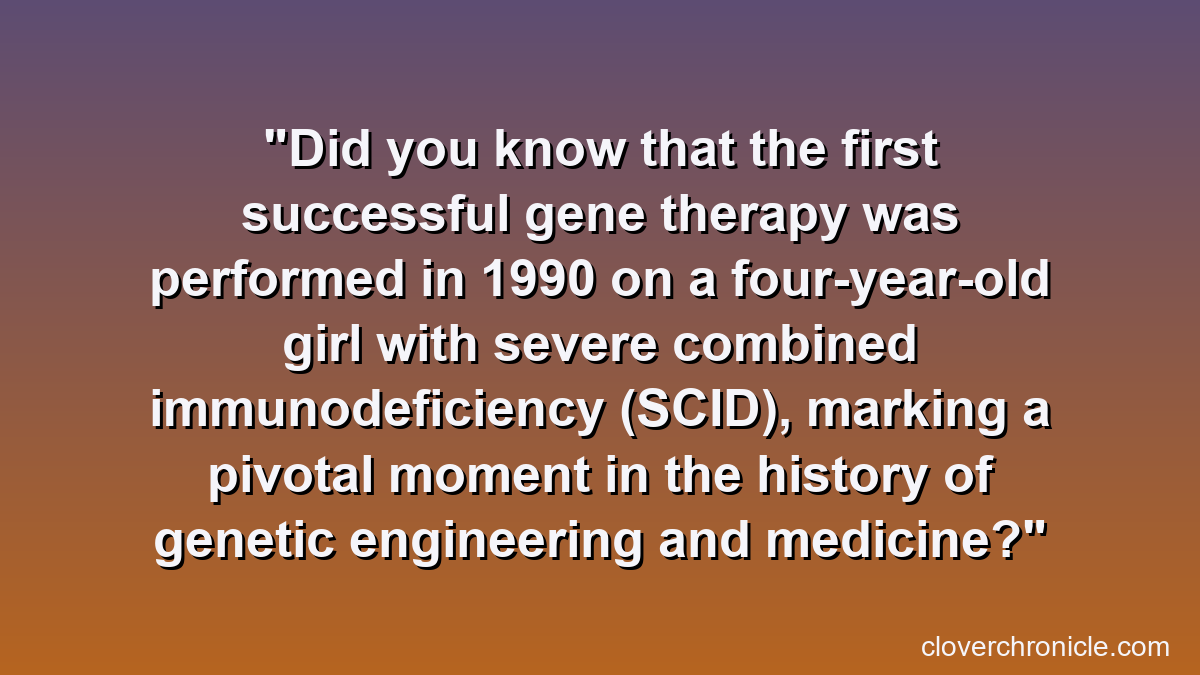
⚙️ Key Technologies Driving GEN Biotechnology
The rapid advancements in GEN biotechnology are propelled by a suite of sophisticated technologies that enable deeper insights into biological systems and more precise interventions.
Omics Technologies: Unlocking Biological Data
- 🧬 Genomics: The study of an organism’s entire set of DNA, including gene sequencing, mapping, and analysis. This provides the foundational blueprint.
- 🔬 Proteomics: The large-scale study of proteins, crucial for understanding cellular functions, disease mechanisms, and drug targets.
- 📈 Transcriptomics and Metabolomics: Analyzing RNA (gene expression) and metabolites (end products of cellular processes) to get a comprehensive picture of biological activity.
Advanced Gene Editing Tools
Beyond CRISPR, new gene editing technologies are continually emerging, offering even greater precision and versatility:
- ✂️ Base Editing: Allows for direct, irreversible chemical conversion of one DNA base pair to another without cutting the DNA double helix.
- 📏 Prime Editing: A “search-and-replace” gene editing tool that can directly write new genetic information into a target site without a double-strand break.
Bioprocess Engineering and Automation
The efficient and scalable production of biopharmaceuticals relies heavily on advanced bioprocess engineering and automation:
- 🏭 Bioreactors and Fermenters: Sophisticated vessels designed to grow cells or microorganisms under precisely controlled conditions for maximal product yield.
- 🤖 Automation and AI: Robotics and artificial intelligence are increasingly used in drug discovery, high-throughput screening, and process optimization, accelerating research and development.
📈 Impact and Future of GEN Biotechnology
The impact of GEN biotechnology is already profound, and its future promises even more revolutionary changes across various sectors, redefining human health, environmental sustainability, and industrial efficiency.
Transformative Impact on Health and Industry
- ❤️ Personalized Medicine: Tailoring medical treatments to an individual’s genetic makeup, leading to more effective and safer therapies.
- 🌍 Sustainable Solutions: Developing eco-friendly industrial processes, renewable energy sources, and sustainable agricultural practices.
- 💰 Economic Growth: The biotechnology sector is a major driver of economic growth and job creation globally, fostering innovation and investment in life sciences. For ongoing industry news and developments, Genetic Engineering and Biotechnology News (GEN) is an excellent resource.
Emerging Trends and Opportunities
The field is dynamic, with exciting trends shaping its future:
- 💡 Synthetic Biology: Designing and constructing new biological parts, devices, and systems, or re-designing existing natural biological systems for useful purposes.
- 💻 Bioinformatics and Data Science: The increasing volume of biological data necessitates advanced computational tools for analysis, modeling, and discovery.
- 🌐 Global Collaboration: Addressing complex global challenges like pandemics and climate change requires international collaboration in biotechnology research and development.
This relentless pursuit of innovation aligns perfectly with the broader mission of The Code of Life: Decoding Genetics, Evolution, and Existence, pushing the boundaries of what is possible in manipulating and understanding biological systems.
⚠️ Challenges and Ethical Considerations
Despite its immense potential, GEN biotechnology is not without its challenges and ethical complexities. Navigating these responsibly is crucial for the continued progress and public acceptance of the field.
Regulatory Hurdles and Public Perception
- 📜 Complex Regulations: The rapid pace of innovation often outpaces regulatory frameworks, leading to challenges in approving new therapies or genetically modified organisms.
- 🗣️ Public Acceptance: Concerns about safety, unforeseen long-term effects, and ethical implications can lead to public skepticism or resistance, particularly regarding germline gene editing or GMOs.
- 💰 High Costs: The development and production of biopharmaceuticals are incredibly expensive, impacting drug affordability and accessibility.
Ethical Dilemmas in Gene Editing
The ability to edit the human genome raises profound ethical questions:
- ❓ Germline vs. Somatic Editing: While somatic cell editing (affecting only the treated individual) is progressing, germline editing (affecting future generations) is highly controversial due to irreversible changes and potential societal impacts.
- ⚖️ “Designer Babies”: Concerns about using gene editing for enhancement rather than disease treatment, potentially exacerbating social inequalities.
- 🛡️ Off-target Effects: The possibility of unintended genetic changes with current gene-editing tools, emphasizing the need for extreme precision and safety.
Recommended Video
Conclusion: The Future Forged by GEN Biotechnology
GEN biotechnology stands as a testament to human ingenuity, harnessing the fundamental building blocks of life to address some of the most pressing challenges facing humanity. From revolutionizing medicine with life-saving biopharmaceuticals to offering sustainable solutions for agriculture and industry, its impact is undeniable and continues to grow.
While the path forward requires careful navigation of ethical considerations and regulatory complexities, the promise of genetic engineering and biopharmaceutical innovation is immense. As we continue to decode the intricate instructions of life, GEN biotechnology will undoubtedly remain at the forefront of scientific progress, shaping a future of improved health, environmental stewardship, and a deeper understanding of our very existence.
Frequently Asked Questions
What is GEN Biotechnology?
GEN Biotechnology refers to the application of genetic engineering principles to develop innovative products and solutions, particularly in medicine, agriculture, and industry, by manipulating organisms at the genetic level.
How does genetic engineering impact biopharmaceuticals?
Genetic engineering enables the precise manipulation of genetic material in cells and organisms to produce therapeutic proteins, antibodies, and vaccines, leading to highly effective and specific biopharmaceutical drugs that target complex diseases.
What are the main applications of modern biotechnology?
Key applications of modern biotechnology include the development of new drugs and diagnostics, improving crop yields and disease resistance in agriculture, creating sustainable biofuels, and developing innovative industrial processes.
What is the future outlook for genetic engineering?
The future of genetic engineering is promising, with ongoing research into gene therapies, CRISPR-based disease cures, advancements in synthetic biology, and the potential for new sustainable industrial practices, all while navigating ethical considerations.