

Our planet is a vibrant tapestry of life, teeming with an astonishing array of organisms, from the microscopic to the colossal. This intricate web, known as biodiversity and wildlife, is far more than just a collection of fascinating creatures and plants; it is the very foundation of healthy ecosystems, essential for human survival and well-being. Yet, this precious heritage faces unprecedented threats, highlighting an undeniable truth: the fate of biodiversity and wildlife is inextricably intertwined with our own existence.
💡 Key Takeaways
- Biodiversity is the foundation for healthy, resilient ecosystems.
- Wildlife conservation directly supports and is supported by thriving biodiversity.
- Human activities significantly impact both biodiversity and wildlife, necessitating urgent action.
- Integrated global efforts are crucial for securing the future of Earth’s natural heritage.
“The genetic tapestry of life is both fragile and remarkably resilient. Every species, every gene, is a unique chapter in Earth’s evolutionary story, and its loss is a permanent erasure, diminishing the adaptive potential for all.”
— Julian Aris, Evolutionary Biologist & Geneticist
In this comprehensive guide, we will explore the profound connection between biodiversity and wildlife conservation, delving into why their preservation is not merely an environmental concern but a fundamental imperative for a sustainable future. Understanding this “Code of Life” is crucial, as every species, every gene, and every ecosystem plays a vital role in maintaining the delicate balance of our world.
In This Article
- — 💡 Key Takeaways
- → Understanding Biodiversity: The Fabric of Life
- — 💡 What is Biodiversity?
- → The Indispensable Role of Wildlife in Ecosystems
- — ➡️ Keystone Species and Their Impact
- — 🌱 Ecosystem Services Provided by Wildlife
- → Threats to Biodiversity and Wildlife: A Crisis Unfolding
- — 🏗️ Habitat Loss and Fragmentation
- — 🌡️ Climate Change
- — ⚠️ Pollution and Overexploitation
- → Why Conservation Matters: Our Intertwined Fate
- — 🌍 Ecological Resilience and Stability
- — 💰 Economic and Health Benefits
- — 🎨 Ethical and Aesthetic Imperatives
- → Strategies for Effective Biodiversity and Wildlife Conservation
- — 🏞️ Protected Areas and Corridors
- — ⚖️ Sustainable Practices and Policy
- — 🤝 Community Engagement and Education
- → Conclusion: A Shared Future
Understanding Biodiversity: The Fabric of Life
Before we delve into conservation, it’s essential to grasp what biodiversity truly encompasses. It’s not just about the number of species; it’s about the variety of life at every level.
💡 What is Biodiversity?
Biodiversity, a portmanteau of “biological diversity,” refers to the variety of life on Earth at all its levels, from genes to ecosystems. It encompasses the diversity within species, between species, and of ecosystems. This rich variability underpins the critical ecosystem services that make our planet habitable.
- ✅ Genetic Diversity: The variation of genes within a species. This is crucial for a species’ ability to adapt to changing environments.
- ✅ Species Diversity: The variety of different species within a particular area. A high species diversity often indicates a healthy ecosystem.
- ✅ Ecosystem Diversity: The variety of different habitats, communities, and ecological processes within an area. From lush rainforests to arid deserts, each ecosystem contributes unique services.
For a more in-depth exploration, check out our article on Defining Biodiversity: A Comprehensive Guide.

The Indispensable Role of Wildlife in Ecosystems

Wildlife, from the largest whale to the smallest insect, is not merely a component of biodiversity; it is an active architect of our planet’s health. Each species plays a role, contributing to the stability and resilience of ecosystems.
➡️ Keystone Species and Their Impact
Some species, known as keystone species, have a disproportionately large effect on their natural environment relative to their abundance. Their removal can lead to a cascade of negative effects, dramatically altering the ecosystem.
- ✅ Sea Otters: By preying on sea urchins, they protect kelp forests, which are vital habitats for many marine species.
- ✅ Wolves: Their presence in Yellowstone National Park helped regulate elk populations, leading to the recovery of vegetation and river ecosystems.
- ✅ Bees: As pollinators, they are critical for the reproduction of countless plant species, including many of our food crops.
🌱 Ecosystem Services Provided by Wildlife
Wildlife contributes to a vast array of “ecosystem services” – the benefits that humans freely gain from the natural environment and from properly-functioning ecosystems.
- ✅ Pollination: Insects, birds, and bats pollinate plants, including over 75% of the world’s food crops.
- ✅ Pest Control: Birds and bats consume vast quantities of insects, reducing the need for harmful pesticides.
- ✅ Seed Dispersal: Animals help spread plant seeds, aiding forest regeneration and plant colonization of new areas.
- ✅ Nutrient Cycling: Decomposers like fungi, bacteria, and invertebrates break down organic matter, returning vital nutrients to the soil.
- ✅ Water Purification: Healthy wetlands, supported by diverse wildlife, naturally filter pollutants from water.
To understand more about these vital connections, read our piece on Ecosystem Biodiversity: The Vital Link Between Life and Environment.
Threats to Biodiversity and Wildlife: A Crisis Unfolding
Despite its critical importance, biodiversity is declining at an alarming rate, primarily due to human activities. This rapid loss represents a crisis for both nature and humanity.
Biodiversity and Wildlife Conservation: Benefits and Challenges
Pros
- ✔Maintains essential ecosystem services (clean air, water, pollination).
- ✔Supports sustainable economic activities like ecotourism and resource management.
- ✔Preserves Earth’s natural heritage and potential for scientific discovery.
- ✔Contributes to global climate change mitigation by protecting carbon sinks.
Cons
- ✖Requires significant and sustained financial investment.
- ✖Faces complex global threats like habitat loss and climate change.
- ✖Can lead to human-wildlife conflicts over resources and safety.
- ✖Success is often long-term and subject to political will and consistent funding.
🏗️ Habitat Loss and Fragmentation
The single greatest threat to biodiversity is the destruction, degradation, and fragmentation of natural habitats. As human populations expand and land use intensifies, forests are cleared, wetlands are drained, and natural areas are converted for agriculture, urban development, and infrastructure.
- ✅ Deforestation: A primary driver of habitat loss, particularly in biodiverse regions like the Amazon rainforest.
- ✅ Urban Sprawl: Expansive growth of cities encroaches on wild areas, isolating wildlife populations.
- ✅ Agricultural Expansion: Conversion of natural landscapes into monoculture farms reduces habitat complexity and connectivity.
🌡️ Climate Change
Global warming is altering ecosystems at an unprecedented pace, pushing many species to the brink. Rising temperatures, changing precipitation patterns, extreme weather events, and ocean acidification directly impact species’ survival and distribution.
- ✅ Shifting Ranges: Species are forced to migrate to new areas, often leading to competition or loss of suitable habitat.
- ✅ Extinction Risk: For species unable to adapt quickly enough, climate change poses an existential threat.
- ✅ Ocean Acidification: Harms marine life, particularly corals and shellfish, disrupting entire marine food webs.
⚠️ Pollution and Overexploitation
Pollution, from plastics in our oceans to pesticides in our soils, poisons ecosystems. Overexploitation, including unsustainable hunting, fishing, and logging, depletes populations faster than they can recover.
- ✅ Plastic Pollution: Ingested by wildlife, leading to injury and death, and breaking down into microplastics that enter the food chain.
- ✅ Chemical Pollutants: Pesticides, industrial chemicals, and heavy metals can accumulate in food chains, harming top predators.
- ✅ Poaching and Illegal Wildlife Trade: Drives many iconic species, like elephants and rhinos, to the brink of extinction.
For more details on these critical issues, refer to our article on Biodiversity Issues: Challenges and Solutions for a Sustainable Planet.
Why Conservation Matters: Our Intertwined Fate
The conservation of biodiversity and wildlife is not just about saving charismatic animals; it’s about safeguarding the very systems that sustain human life. Our well-being, economy, and culture are deeply intertwined with the health of the natural world.
🌍 Ecological Resilience and Stability
Diverse ecosystems are more resilient to disturbances like climate change, disease outbreaks, or natural disasters. Each species adds to the complexity and stability, creating a buffer against collapse.
- ✅ Disease Resistance: Genetic diversity within a species makes it less susceptible to widespread disease.
- ✅ Ecosystem Function: A variety of species ensures that essential functions, like nutrient cycling and water filtration, continue even if some species decline.
💰 Economic and Health Benefits
A healthy environment underpins numerous economic sectors and provides direct benefits to human health.
- ✅ Agriculture and Food Security: Pollinators, healthy soils, and genetic diversity in crops are fundamental to global food production.
- ✅ Ecotourism: Wildlife watching and nature-based tourism generate significant revenue for many countries.
- ✅ Medicine: Many modern medicines are derived from natural compounds found in plants, animals, and microorganisms. Protecting biodiversity is crucial for discovering future cures.
- ✅ Mental and Physical Health: Access to nature is proven to reduce stress, improve mood, and encourage physical activity.
As highlighted by an article from Yale Environment 360, “Species Solidarity: Rediscovering Our Connection to the Web of Life” underscores how our well-being is intrinsically linked to the health of all species. Learn more here: https://e360.yale.edu/features/species-solidarity-rediscovering-our-connection-to-the-web-of-life.
🎨 Ethical and Aesthetic Imperatives
Beyond the practical benefits, there’s a profound ethical responsibility to protect other life forms. Each species has intrinsic value, and future generations deserve to inherit a world as rich and diverse as the one we inherited. The beauty and wonder of nature also enrich human experience and inspire art, science, and culture.
Strategies for Effective Biodiversity and Wildlife Conservation
Addressing the biodiversity crisis requires a multi-faceted approach, combining scientific research, policy changes, community engagement, and individual actions. It’s a global challenge that demands local solutions.
🏞️ Protected Areas and Corridors
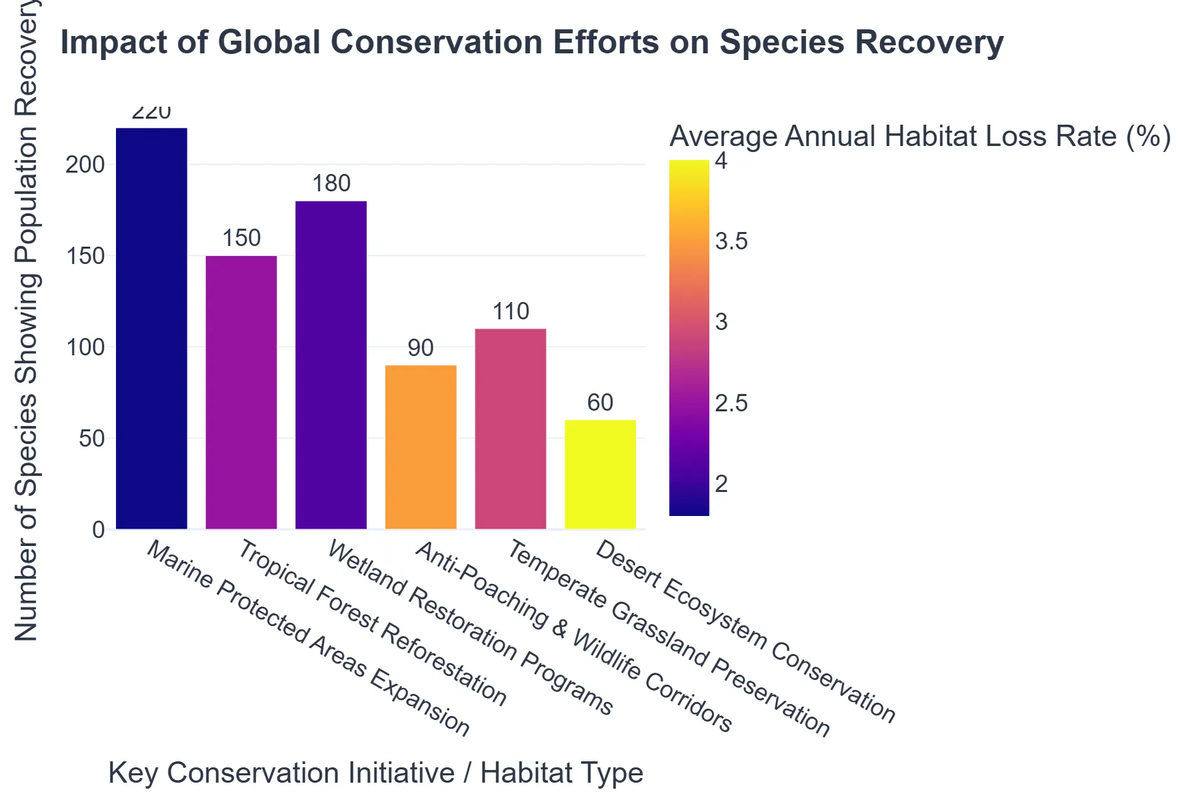
Establishing and effectively managing national parks, wildlife reserves, and marine protected areas is a cornerstone of conservation. Equally important is creating wildlife corridors that connect fragmented habitats, allowing species to move, forage, and breed.
- ✅ National Parks: Offer legal protection to critical habitats and their inhabitants.
- ✅ Marine Protected Areas (MPAs): Safeguard marine biodiversity and allow fish populations to recover.
- ✅ Ecological Corridors: Bridges, tunnels, or strips of natural habitat that connect otherwise isolated populations, crucial for genetic exchange.
⚖️ Sustainable Practices and Policy
Shifting towards sustainable practices across all sectors – from agriculture and energy to consumption and manufacturing – is vital. Strong environmental policies, international agreements, and enforcement are necessary to regulate human impact.
- ✅ Sustainable Agriculture: Practices like organic farming, agroforestry, and permaculture reduce chemical use and promote soil health.
- ✅ Renewable Energy: Transitioning from fossil fuels reduces carbon emissions, mitigating climate change’s impact on biodiversity.
- ✅ International Cooperation: Agreements like the Convention on Biological Diversity (CBD) foster global efforts to protect species and ecosystems.
Insights from experts like Catherine Machalaba, highlight the importance of approaches like One Health and Planetary Health, which recognize the deep interconnections between human, animal, and environmental health, emphasizing the need for collaborative solutions for biodiversity conservation. More on this perspective can be found via https://www.linkedin.com/posts/catherine-machalaba-08892914_onehealth-planetaryhealth-biodiversity-activity-7249116108715081728-osKq.
🤝 Community Engagement and Education
Conservation efforts are most successful when local communities are involved and empowered. Educating the public about the value of biodiversity and the threats it faces fosters a sense of responsibility and encourages conservation-minded behaviors.
- ✅ Indigenous Knowledge: Incorporating traditional ecological knowledge often provides invaluable insights into sustainable resource management.
- ✅ Citizen Science: Public participation in data collection helps monitor biodiversity and raises awareness.
- ✅ Youth Education: Engaging younger generations instills a lifelong appreciation for nature and conservation.
Understanding these intricate connections is part of a larger appreciation for The Code of Life: Decoding Genetics, Evolution, and Existence.
Recommended Video
Conclusion: A Shared Future
The story of biodiversity and wildlife conservation is a powerful narrative of interconnectedness. Every species, from the smallest microbe to the largest mammal, plays a role in the health and resilience of our planet. The threats they face are, in essence, threats to our own future – impacting our food, water, health, and economic stability.
Recognizing this deeply intertwined fate compels us to act. By embracing sustainable practices, advocating for strong conservation policies, and fostering a profound respect for the natural world, we can safeguard Earth’s incredible biodiversity. This is not just an environmental issue; it is a human issue, demanding our collective attention and commitment to ensure a thriving future for all life on Earth.
Frequently Asked Questions
Why is biodiversity important for human well-being?
Biodiversity provides essential ecosystem services like clean air and water, pollination of crops, climate regulation, and sources for medicines. It also offers cultural and recreational benefits.
What are the biggest threats to biodiversity and wildlife?
Major threats include habitat loss and degradation, climate change, pollution, invasive species, and overexploitation of resources through activities like poaching and unsustainable fishing.
How can individuals contribute to conservation efforts?
Individuals can help by supporting conservation organizations, reducing their carbon footprint, making sustainable consumer choices, participating in local conservation projects, and advocating for protective policies.