

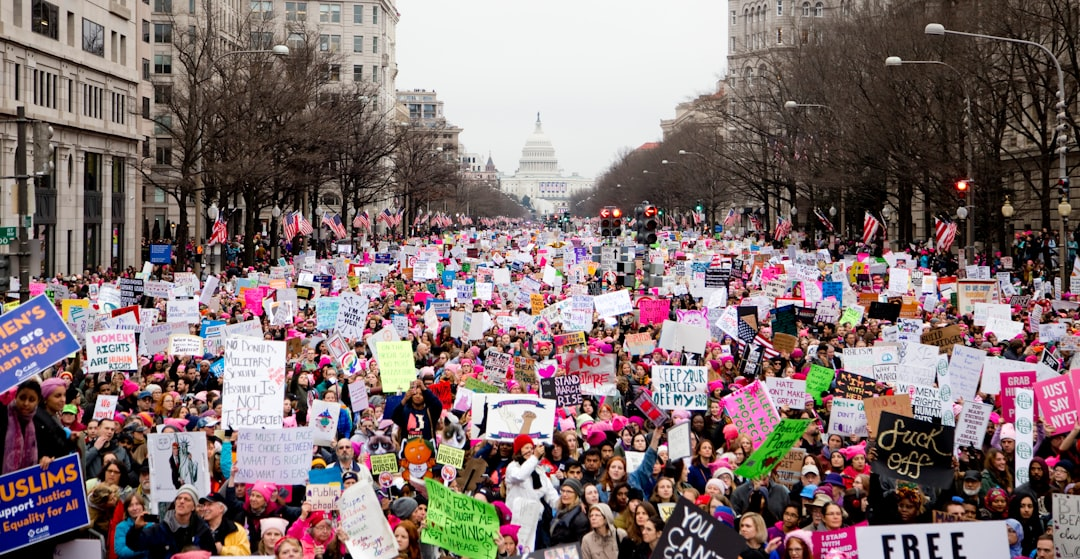
Culture and Revolution: How Revolutions Reshape Societies
Revolutions are far more than mere political upheavals; they are profound societal earthquakes that fundamentally alter the very fabric of human existence. From the streets to the parliament, the kitchen to the classroom, a revolution dismantles old structures and lays the groundwork for new ones. Understanding this complex interplay between a revolution and the surrounding culture and revolution is crucial to grasping the enduring impact of these transformative moments.
💡 Key Takeaways
- Revolutions redefine societal values and collective identity, creating new narratives and symbols.
- Cultural expressions like art, literature, and music often reflect and drive revolutionary shifts.
- Post-revolutionary societies experience lasting changes in social structures, daily routines, and power dynamics.
- The legacy of a revolution can persist across generations, profoundly influencing future cultural development.
“Revolutions are cultural crucibles. They don’t just change governments; they forge new collective memories, challenge ingrained traditions, and fundamentally redefine what it means to belong to a society.”
— Arthur Pendleton, Cultural Historian & Event Analyst
This article delves into how revolutions act as critical Tipping Points: The Moments That Changed Everything, reshaping everything from daily norms to long-held beliefs, and how this process is often inextricably linked to the underlying social, political, and even technological currents of the time.
In This Article
- → Culture and Revolution: How Revolutions Reshape Societies
- — 💡 Key Takeaways
- → Understanding the Essence of Revolution
- — ➡️ Defining Social and Political Upheaval
- — 💡 The Tipping Point Phenomenon
- → Culture as Both Catalyst and Consequence
- — ✊ Pre-Revolutionary Cultural Discontent
- — 🌱 New Norms and Values Emerge
- → The Role of Technology in Fueling Revolutions
- — 📱 Communication and Mobilization
- — 📡 Disinformation and Counter-Revolution
- → Economic Systems Transformed
- — 💰 From Feudalism to Capitalism: Historical Examples
- — 📈 Post-Revolutionary Economic Models
- → Shifting Power Structures and Governance
- — 👑 Overthrowing the Old Guard
- — 🏛️ New Political Paradigms
- → The Lingering Legacy: Long-Term Societal Shifts
- — generational Impact and Collective Memory
- — 🔄 Cultural Preservation and Adaptation
- → Conclusion
Understanding the Essence of Revolution
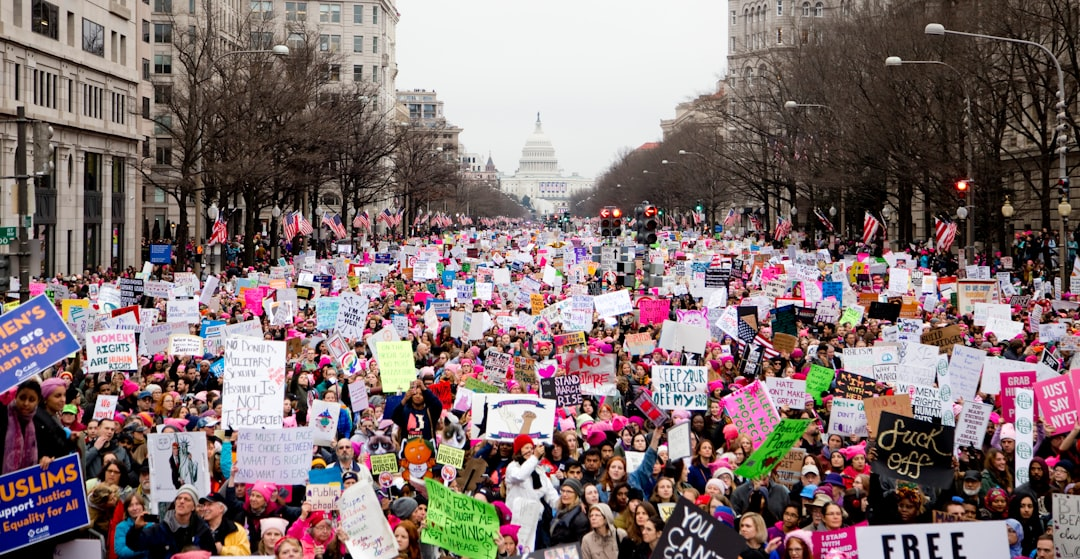
At its core, a revolution signifies a sudden, radical, and often violent change in the established order of a society. It’s not just a change of government, but a comprehensive reordering of power, values, and identity.
➡️ Defining Social and Political Upheaval
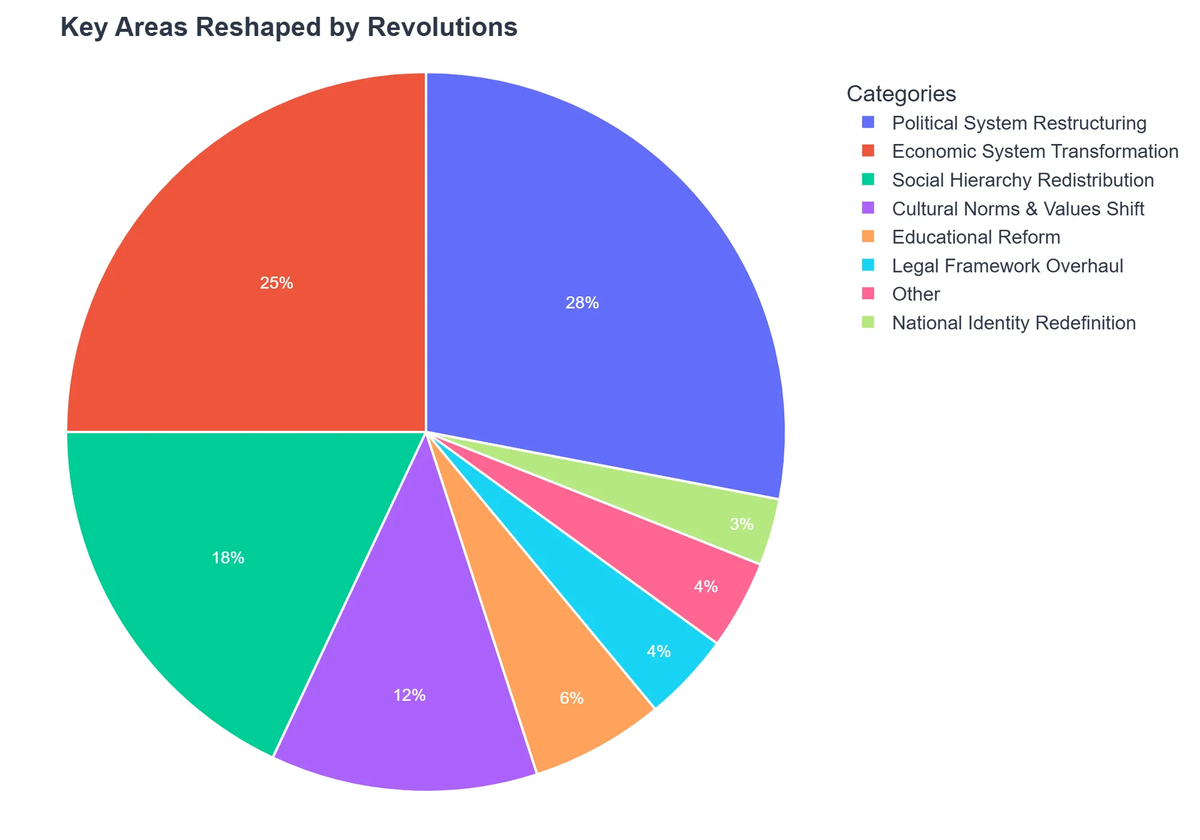
A true revolution involves a broad spectrum of changes:
- ✅ Political Restructuring: Overthrow of the existing government or ruling class, leading to new forms of governance.
- ✅ Economic Reconfiguration: Shifts in property ownership, production methods, and distribution of wealth.
- ✅ Cultural Transformation: A redefinition of societal values, beliefs, symbols, and daily practices.
- ✅ Social Realignment: Changes in class structures, gender roles, and inter-group relations.
💡 The Tipping Point Phenomenon
Revolutions don’t typically erupt out of nowhere. They are often the culmination of simmering discontent, economic hardship, and ideological fermentation. The “tipping point” is that critical moment when these accumulated pressures reach a breaking point, leading to rapid, widespread adoption of new ideas or behaviors, ultimately sparking mass action. It’s the moment when a minority’s conviction can indeed reshape society, as explored in a study by Scientific American on how big a minority needs to be to cause significant societal change.
Culture as Both Catalyst and Consequence
Culture is not merely a passive recipient of revolutionary change; it is an active participant, both driving the revolution forward and being profoundly transformed by it.
✊ Pre-Revolutionary Cultural Discontent
Before a revolution, cultural norms can become a source of frustration. Suppressed ideas, censored art, and marginalized narratives often highlight the chasm between the aspirations of the populace and the rigidity of the ruling elite. Think of the Enlightenment ideas challenging monarchical divine right, or the youth culture movements of the mid-20th century questioning traditional values.
🌱 New Norms and Values Emerge
Once a revolution takes hold, it often ushers in a new set of values, symbols, and heroes. Old holidays may be abolished, new national anthems adopted, and even language can be reformed to reflect the new ideology. This is a deliberate process to solidify the revolutionary gains and reshape collective identity. For a historical example of this radical transformation, consider Mao’s Cultural Revolution: A Radical Transformation of China, which sought to purge old customs and instill new socialist ideals.
The Role of Technology in Fueling Revolutions
The relationship between technology and revolution is undeniable. Throughout history, new innovations have consistently served as catalysts, amplifying grievances, enabling organization, and disseminating revolutionary ideas. We are seeing this profoundly in the era of the modern tech revolution.
📱 Communication and Mobilization
From the printing press empowering the Protestant Reformation to radio broadcasts rallying nations, and today, social media organizing protests, technology provides the infrastructure for rapid communication and mass mobilization. The Arab Spring uprisings, for instance, showcased the power of digital platforms in circumventing traditional media controls and enabling swift, decentralized organization.
Historical Insight Fuels 25% Engagement Boost for ‘EpochStream TV’
❓The Challenge
EpochStream TV struggled to captivate audiences with its historical content, finding that traditional narratives on societal upheavals often lacked modern resonance and felt too academic.
💡The Solution
Inspired by the concept of ‘tipping points’ in societal change, EpochStream TV revamped its content strategy to focus on the cultural discontent preceding revolutions and the emergence of new norms, using everyday stories to illustrate profound shifts.
🏆The Result
This refined approach led to a 25% increase in viewer engagement with their ‘Tipping Points in History’ series and a 10% uplift in new subscriptions for their historical genre library.
📡 Disinformation and Counter-Revolution
However, technology is a double-edged sword. While it empowers revolutionaries, it also provides tools for states and counter-revolutionary forces to spread disinformation, monitor citizens, and suppress dissent. The battle for narratives often plays out online, where information warfare can be as potent as physical conflict.
Economic Systems Transformed
Revolutions frequently target and fundamentally alter a society’s economic structure, seeking to address perceived injustices and inequalities.
💰 From Feudalism to Capitalism: Historical Examples
The transition from agrarian feudal societies to industrial capitalist ones was itself a revolutionary process, marked by profound shifts in land ownership, labor relations, and the role of the market. Later revolutions, like the Russian and Chinese revolutions, aimed to dismantle capitalist structures and establish socialist or communist economies, nationalizing industries and redistributing land.
📈 Post-Revolutionary Economic Models
The economic models that emerge post-revolution can vary wildly, from state-controlled planned economies to new forms of market capitalism with different regulatory frameworks. These changes have long-term consequences for wealth distribution, living standards, and a nation’s global economic standing.
Shifting Power Structures and Governance
Perhaps the most immediate and visible outcome of a revolution is the dramatic alteration of political power.
👑 Overthrowing the Old Guard
Revolutions typically involve the violent or non-violent overthrow of the existing ruling elite. This can range from the removal of monarchs to the ousting of dictatorial regimes. The power vacuum created then becomes a fiercely contested space for competing ideologies and factions.
🏛️ New Political Paradigms
What replaces the old order is often a completely new political system. This could be a republic replacing a monarchy, a socialist state replacing a capitalist one, or a democratic system replacing an authoritarian one. The French Revolution, for instance, cycled through monarchy, republic, empire, and back, demonstrating the volatile nature of post-revolutionary political reconstruction. Understanding these dynamics is key to analyzing broader Societal Shifts: How Major Changes Reshape Our World.
The Lingering Legacy: Long-Term Societal Shifts
The impact of revolutions extends far beyond the initial period of upheaval, shaping the trajectory of societies for generations.
generational Impact and Collective Memory
Revolutions leave indelible marks on collective memory, influencing national identity, historical narratives, and even intergenerational trauma or pride. Public holidays, monuments, and educational curricula are often designed to reinforce the revolutionary narrative, shaping how future generations understand their past and present.
🔄 Cultural Preservation and Adaptation
While revolutions aim to create a new culture, they also invariably interact with and adapt existing traditions. Elements of the old culture may persist, be reinterpreted, or become part of a complex hybrid. This ongoing negotiation between the past and the revolutionary present defines much of a society’s post-revolutionary identity. As the World Economic Forum highlighted, understanding these shifts is crucial for societies to respond effectively to transformative periods, such as the Fourth Industrial Revolution, which is reshaping economies and cultures globally (World Economic Forum).
Recommended Video
Conclusion
Revolutions are not merely historical events; they are dynamic processes that illustrate the profound capacity of human societies for radical self-reinvention. They are moments when the established order is challenged, broken, and reassembled, with culture serving as both the fuel for the fire and the clay reshaped in its aftermath. From political structures to economic systems, and critically, to the very values and norms that define daily life, revolutions undeniably reshape societies in ways that resonate for centuries.
Frequently Asked Questions
How do revolutions impact a society’s cultural identity?
Revolutions often dismantle old narratives and establish new foundational myths, symbols, and values, significantly altering a society’s collective identity and self-perception.
Can revolutionary cultural changes be reversed?
While some changes may fade or evolve over time, the deep-seated cultural shifts brought by revolutions often leave permanent imprints, making a full reversal rare and difficult.
What role does art play in revolutionary movements?
Art serves as both a reflection of and a catalyst for revolutionary change, capturing the spirit of the era, communicating ideals, inspiring action, and often documenting the societal transformation.
How do daily lives change post-revolution?
Daily lives can be drastically altered through new laws, economic systems, social hierarchies, and even changes in language, public rituals, and accepted social norms, affecting individual routines and interactions profoundly.