

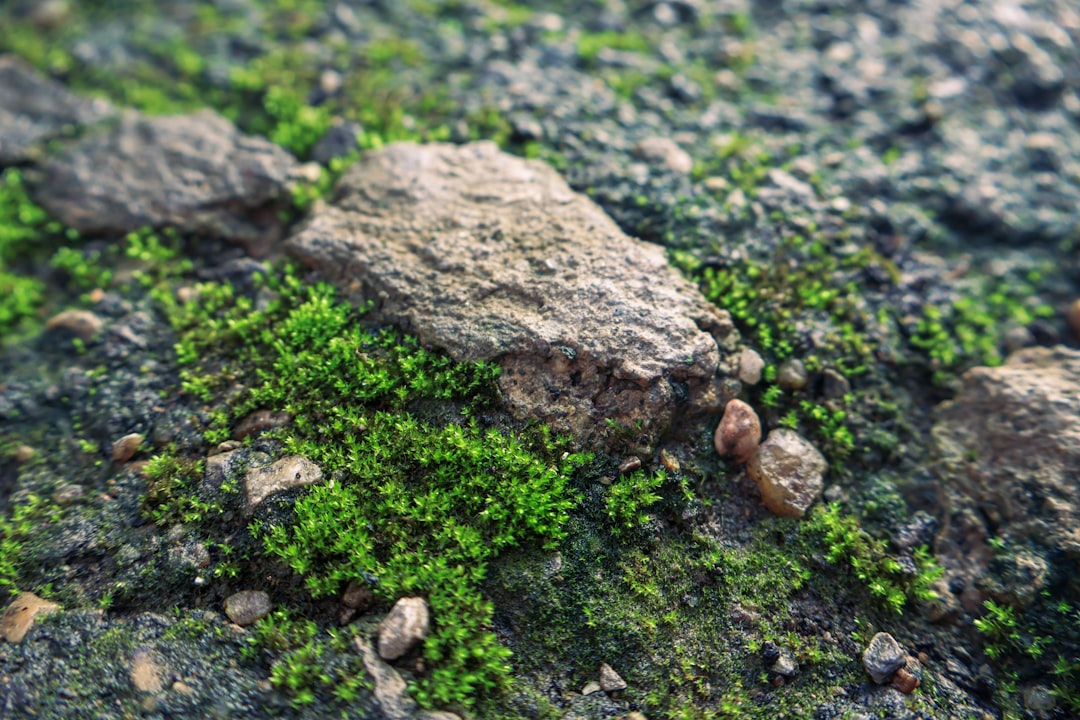
Biogeology: Where Life Meets Earth Sciences
At first glance, geology and biology might seem like distinct disciplines, one concerning the inert rocks beneath our feet and the other the vibrant tapestry of life above. Yet, look closer, and an intricate dance emerges: the living and non-living components of our planet are locked in a profound, continuous interaction. This nexus is precisely what the fascinating field of biogeology explores.
💡 Key Takeaways
- Biogeology explores the fundamental connection between living organisms and geological forces.
- Life has profoundly influenced Earth’s geological history, including the formation of rocks, minerals, and atmosphere.
- Understanding biogeological cycles is crucial for addressing modern environmental challenges like climate change.
- This field is vital for predicting future Earth system changes and the search for extraterrestrial life.
“Biogeology isn’t just about ancient history; it’s the dynamic interplay shaping our present and future climate. As a geophysicist, I see how microbial life, for instance, drives colossal shifts in carbon cycles, underscoring its pivotal role in planetary habitability and the very air we breathe.”
— Marcus Sterling, Geophysical Explorer & Climate Dynamics Analyst
Biogeology, often used interchangeably with geobiology, is the interdisciplinary study of the interactions between the Earth’s biosphere and its lithosphere, hydrosphere, and atmosphere. It delves into how biological processes influence geological formations and events, and conversely, how geological processes have shaped, and continue to shape, the evolution and distribution of life. Understanding these fundamental connections is crucial for grasping the true dynamics of our planet, a core theme we explore in <a bio"="" href="Earth's Unseen Forces: The Hidden Dynamics of Our Planet</a>.</p>
In This Article
- → Biogeology: Where Life Meets Earth Sciences
- — 💡 Key Takeaways
- — 🔭 Historical Roots and Evolution
- → Key Interactions: Where Life Shapes Earth and Earth Shapes Life
- — 🌿 Microbial Influences: The Unseen Architects
- — 🌊 Biogeochemical Cycles: Earth’s Rhythmic Breaths
- — 🌲 Biosphere-Atmosphere-Geosphere Connections: A Global System
- → Major Sub-disciplines within Biogeology
- → Why Biogeology Matters: Understanding Our Dynamic Planet
- — ✅ Climate Regulation and Change
- — ⛏️ Resource Formation and Exploration
<h2>What is Biogeology: Unpacking the Interdisciplinary Field</h2> <p>Biogeology represents a critical bridge between the biological and earth sciences. It’s not just about how life adapts to geological conditions, but how life itself is a powerful geological agent, constantly modifying the Earth’s surface and even its interior processes.</p> <h3>🧠 Defining the Core Concept</h3> <p>At its heart, biogeology seeks to understand the reciprocal relationship between the Earth’s living components (biota) and its non-living systems (geological structures, materials, and processes). This includes everything from microbial interactions with minerals to the planet-altering impacts of oxygenic photosynthesis.</p> <ul> <li>✅ <strong>Life as a Geological Force:</strong> How organisms contribute to rock formation, weathering, erosion, and nutrient cycling.</li> <li>✅ <strong>Earth Shaping Life:</strong> How geological events like volcanism, plate tectonics, and climate shifts influence the evolution and distribution of species.</li> <li>✅ <strong>Planetary Interdependence:</strong> The recognition that the Earth system is a highly interactive, co-evolving entity, where <a href=” https:=”” rel=”noopener” target=”_blank” www.nsf.gov=””>life and earth sciences are inseparable.
🔭 Historical Roots and Evolution
While the term “biogeology” might seem modern, the concept has roots dating back to early naturalists who observed the deep connections between life and the land. The field has rapidly expanded with advancements in microbiology, geochemistry, and deep-sea exploration, revealing an astonishing array of biotic-abiotic interactions that were previously unknown.
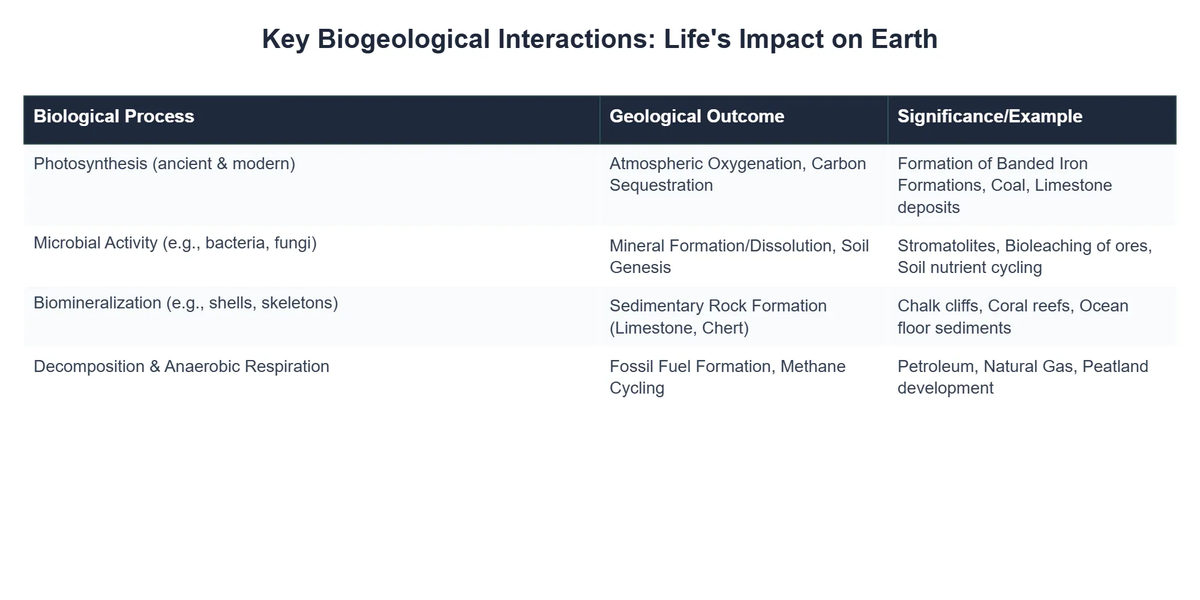
Key Interactions: Where Life Shapes Earth and Earth Shapes Life
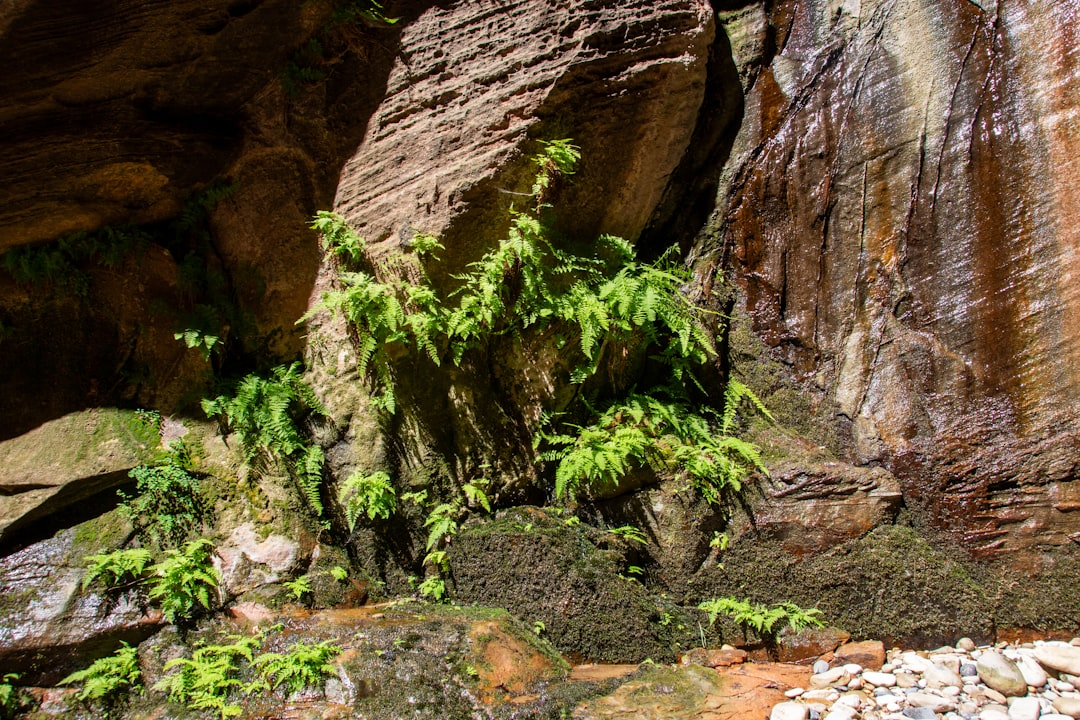
The interactions within biogeology are myriad and complex, spanning timescales from milliseconds to billions of years.
🌿 Microbial Influences: The Unseen Architects
Microorganisms, though invisible to the naked eye, are perhaps the most potent biological agents influencing geological processes. They drive many critical transformations:
- ➡️ Biomineralization: Microbes facilitate the precipitation of minerals, forming everything from iron oxides to calcium carbonates (e.g., stromatolites, some cave formations).
- ➡️ Weathering and Erosion: Lichens, fungi, and bacteria produce acids that break down rocks and minerals, contributing significantly to soil formation.
- ➡️ Nutrient Cycling: Microbial communities are central to the global cycles of elements like carbon, nitrogen, sulfur, and phosphorus, profoundly impacting the chemistry of oceans and soils.
🌊 Biogeochemical Cycles: Earth’s Rhythmic Breaths
The movement of elements through biological, geological, and chemical reservoirs is a cornerstone of biogeology. These cycles regulate Earth’s climate and support life:
- 💡 Carbon Cycle: Life plays a pivotal role, from photosynthesis drawing CO2 from the atmosphere to the burial of organic matter forming fossil fuels and limestones.
- 💡 Nitrogen Cycle: Microbes convert atmospheric nitrogen into bioavailable forms, essential for life, and release it back into the atmosphere, influencing geological nitrogen reservoirs.
- 💡 Sulfur Cycle: Microbes mediate sulfur transformations in sediments and hydrothermal vents, influencing mineral deposition and environmental acidity.
🌲 Biosphere-Atmosphere-Geosphere Connections: A Global System
The cumulative effect of biological activity has fundamentally altered Earth’s atmosphere and surface over geological time.
- 🌐 Oxygenation of Earth: The rise of oxygenic photosynthesis billions of years ago irrevocably changed the atmosphere and oceans, leading to the formation of banded iron formations and paving the way for complex life.
- 🌐 Soil Formation: The interaction of organic matter with weathered rock creates soils, the foundation for terrestrial ecosystems and a major geological reservoir.
- 🌐 Climate Regulation: Biological processes, from ocean plankton productivity to forest carbon sequestration, are critical feedback mechanisms in the Earth’s climate system.
Major Sub-disciplines within Biogeology
Biogeology is a broad field, encompassing several specialized areas of study:
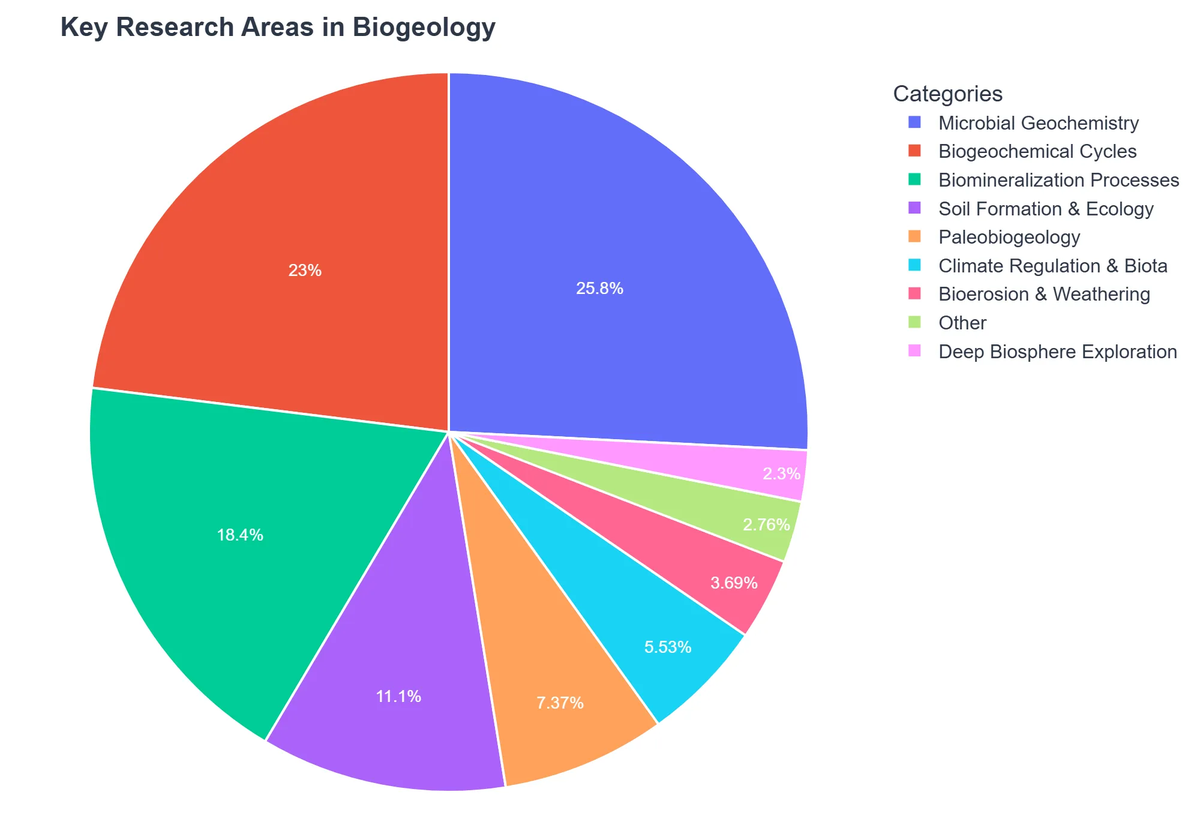
- 🔬 Geomicrobiology: Focuses on the interactions between microorganisms and geological materials and processes. It explores microbial roles in mineral dissolution, precipitation, and element cycling in diverse environments.
- 🧪 Biogeochemistry: Examines the cycling of chemical elements, mediated by biological and geological processes, through Earth’s systems (atmosphere, hydrosphere, lithosphere, biosphere).
- 🦕 Paleobiogeology: Studies the distribution and evolution of life in geological time, using fossils and rock records to understand past ecosystems and their interactions with Earth’s changing environment.
- 💧 Biological Oceanography: Explores the interactions between marine organisms and oceanographic processes, including nutrient cycling, primary productivity, and the biological pump (e.g., Old Dominion University’s program).
- ⛰️ Astrobiology: While often focused on extraterrestrial life, astrobiology heavily relies on biogeological principles to understand the conditions necessary for life to emerge and persist on other planets, often by studying Earth as a prime example.
Why Biogeology Matters: Understanding Our Dynamic Planet
The insights derived from biogeology are not merely academic; they are vital for addressing some of humanity’s most pressing challenges.
Biogeology: Advantages and Challenges
Pros
- ✔Offers a holistic understanding of Earth’s systems and life’s evolution.
- ✔Crucial for addressing complex environmental issues like climate change and pollution.
- ✔Provides insights into natural resource formation, distribution, and sustainable use.
- ✔Fosters innovative interdisciplinary research and collaboration.
Cons
- ✖Requires extensive knowledge across multiple complex scientific disciplines.
- ✖Research often demands specialized, expensive methodologies and equipment.
- ✖Integrating diverse biological and geological datasets can be highly challenging.
- ✖Developing accurate predictive models for intertwined bio-geological processes is difficult.
✅ Climate Regulation and Change
Biogeological processes are central to understanding past and future climate changes. From the role of ocean plankton in carbon sequestration to the impact of permafrost thaw on greenhouse gas emissions, biogeology provides critical data for climate models and mitigation strategies.
⛏️ Resource Formation and Exploration
Many valuable resources owe their existence to biogeological processes. For instance, the formation of fossil fuels (coal, oil, natural gas) is the result of millions of years of biological matter undergoing specific geological conditions. Similarly, many ore deposits are influenced or directly formed by microbial activity, particularly in extreme environments such as <a </a>.</li> <li>🌾 <strong>Agriculture and Soil Science:</strong> Optimizing soil health, nutrient availability, and agricultural productivity by understanding the intricate biological and geological processes within soils.</li> <li>🌊 <strong>Coastal Management:</strong> Studying how biological communities (e.g., coral reefs, mangroves) influence sedimentation, erosion, and coastal resilience.</li> </ul> <h2>Challenges and Future Directions in Biogeology</h2> <p>Despite its advancements, biogeology faces significant challenges. The complexity of natural systems, the vastness of geological timescales, and the difficulty of observing processes in extreme environments (e.g., deep subsurface, hydrothermal vents) require innovative approaches.</p> <p>Future directions include:</p> <ul> <li>➡️ Developing more sophisticated models to integrate biological and geological data.</li> <li>➡️ Exploring the deep biosphere and its role in planetary processes.</li> <li>➡️ Understanding the feedbacks between life and Earth systems in the context of rapid environmental change.</li> <li>➡️ Leveraging advancements in genomics and bioinformatics to unravel microbial roles in geological processes.</li> </ul>
Recommended Video
<h2>Conclusion: The Unbreakable Bond Between Life and Earth</h2> <p>Biogeology is more than just a scientific discipline; it’s a profound recognition of the intertwined destinies of life and our planet. It underscores that Earth is not merely a stage upon which life plays out, but an active participant, shaped and transformed by the very organisms it hosts. By embracing this holistic view, we gain unparalleled insights into our planet’s past, present, and future.</p> <p>As we navigate an era of unprecedented environmental change, the principles of <a href=” slug=”biology-geology”>biology geology, or biogeology, become increasingly vital. They equip us with the knowledge to understand climate dynamics, manage natural resources sustainably, and ultimately, appreciate the delicate balance that sustains life on Earth. The continuous exploration of these life and earth sciences will undoubtedly lead to groundbreaking discoveries and more effective solutions for our planetary challenges.
Frequently Asked Questions
Why is biogeology important?
It’s crucial for understanding how life has shaped Earth’s past, how geological systems support life, and how these interactions influence current environmental issues, including climate change.
What are some examples of biogeological processes?
Examples include the formation of sedimentary rocks from biological remains, the role of microbes in mineral formation and dissolution, and how plant life influences soil development and weathering.
How does biogeology relate to climate?
Biogeology examines how biological processes, like photosynthesis and respiration, regulate atmospheric gases (e.g., CO2), influencing global climate patterns and long-term climate stability.