Have you ever paused to wonder why we do the things we do? From the most intricate decisions to the simplest reflexes, human behavior is a complex tapestry woven from countless threads. Unraveling this complexity is the domain of behavioral biology, a fascinating field that bridges the gap between our biological makeup and the myriad ways we interact with the world.
💡 Key Takeaways
- Behavioral biology combines genetics, neuroscience, and evolutionary principles to understand human actions.
- Both innate biological factors and environmental experiences sculpt our behavioral patterns.
- Understanding behavioral biology provides insights into conditions like addiction, anxiety, and social interactions.
- Evolutionary pressures have shaped many of our fundamental behaviors for survival and reproduction.
“Behavioral biology reveals the profound connections between our neural architecture and the complex tapestry of our daily lives, showing us that every thought and action has deep biological roots.”
— Eleanor Vance, Neuroscience Communicator & Cognitive Psychologist
Behavioral biology offers profound insights into the underlying mechanisms that drive our actions, thoughts, and emotions. It’s a multidisciplinary approach that seeks to understand behavior from an evolutionary, genetic, developmental, and physiological perspective. For anyone interested in The Human Enigma: Unlocking the Secrets of Our Body and Mind, this field is an indispensable key.
In This Article
- — 💡 Key Takeaways
- → What is Behavioral Biology? The Science of Why We Act
- — Defining Behavioral Biology
- — Beyond Instinct: The Holistic View
- → The Core Pillars: Genes, Brain, Evolution, Environment
- — 🧬 The Genetic Blueprint
- — 🧠 The Neurological Orchestra
- — 📈 Evolutionary Roots of Behavior
- — 🌍 Environmental & Social Influences
- → Navigating the Nature vs. Nurture Continuum
- — An Intertwined Dance
- — Epigenetics: Beyond the Genes
- → Behavioral Biology and Its Cousins: Related Disciplines
- — Behavioral Biology vs. Psychology
- — Behavioral Biology vs. Sociology
- — Overlapping with Neuroscience & Cognitive Science
- → Real-World Applications: Understanding and Influencing Behavior
- — Improving Health & Well-being
- — Enhancing Education & Learning
- — Informing Public Policy
- → Unlocking the Human Enigma Through Behavioral Biology
- — A Continuous Journey of Discovery
- — Your Role in Understanding Human Behavior
What is Behavioral Biology? The Science of Why We Act
At its core, behavioral biology is the scientific study of the biological and evolutionary bases for behavior. It examines how our genetic inheritance, brain structure, physiological processes, and the environment coalesce to shape who we are and what we do.
Defining Behavioral Biology
Unlike purely psychological approaches that might focus on mental states, or sociological ones that emphasize social structures, behavioral biology integrates biological principles. It asks:
- ✅ How do genes influence predispositions for certain behaviors?
- ✅ What neural circuits are activated when we feel fear, joy, or aggression?
- ✅ How has evolution sculpted our behavioral patterns to enhance survival and reproduction?
- ✅ How do hormones and other biochemicals regulate our mood and actions?
This field often draws heavily from ethology (the study of animal behavior), applying similar frameworks to human beings to understand both our unique traits and our shared biological heritage with other species.
Beyond Instinct: The Holistic View
It’s a common misconception that behavioral biology reduces human action to mere instinct. On the contrary, it recognizes the profound interplay between our innate predispositions and our capacity for learning, adaptation, and complex social interactions. It acknowledges that while we are biological organisms, we are also incredibly adaptable and influenced by our experiences and culture.
The Core Pillars: Genes, Brain, Evolution, Environment

To truly grasp human behavior, behavioral biology examines four critical pillars that constantly interact and influence one another.
🧬 The Genetic Blueprint
Our genes provide the fundamental instructions for building our bodies and brains. While they don’t dictate behavior directly like a puppet master, they influence the likelihood of developing certain traits or predispositions. For instance, genetic variations can affect neurotransmitter systems, influencing mood regulation, risk-taking, or even learning styles. It’s about potential, not predestination.
🧠 The Neurological Orchestra
The brain is the command center of behavior. Neurotransmitters, hormones, brain regions, and neural pathways all play a pivotal role. Behavioral biology investigates how specific brain areas are activated during decision-making, emotional responses, or social interactions. This area often overlaps significantly with Behavioral and Cognitive Neuroscience: Bridging Brain and Behavior, exploring the intricate connections between brain function and observable actions.
📈 Evolutionary Roots of Behavior
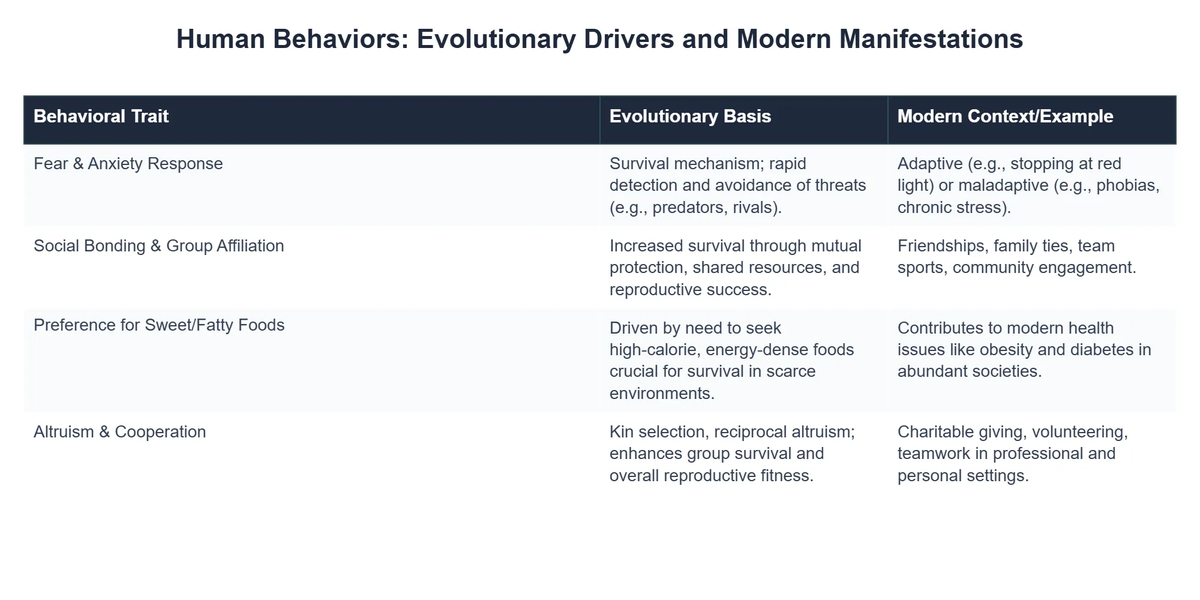
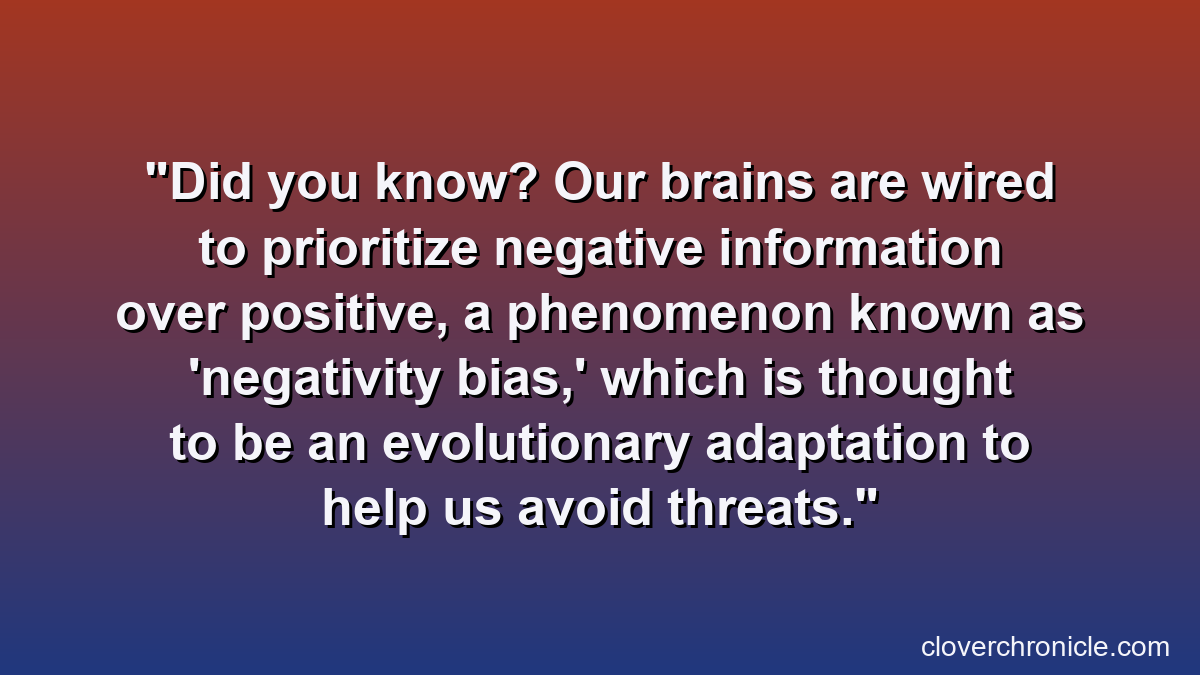
From an evolutionary perspective, many human behaviors can be understood as adaptive responses developed over millennia to enhance survival and reproduction. Behaviors like cooperation, mate selection, aggression, or even our fear responses have deep evolutionary roots. Understanding this history helps us appreciate why certain behaviors feel so ingrained.
🌍 Environmental & Social Influences
No individual exists in a vacuum. The environment, both physical and social, profoundly shapes behavior. This includes early childhood experiences, cultural norms, learned behaviors, and immediate situational cues. Behavioral biology considers how environmental stressors, nutritional factors, and social learning mechanisms interact with our biological predispositions.
Navigating the Nature vs. Nurture Continuum
The age-old debate of “nature vs. nurture” is central to understanding human behavior. Behavioral biology doesn’t see these as opposing forces but as intertwined elements.
Behavioral Biology: Strengths and Limitations
Pros
- ✔Provides a scientific foundation for understanding human actions.
- ✔Integrates insights from genetics, neuroscience, and evolution.
- ✔Helps explain universal human behaviors and individual differences.
- ✔Informs approaches to mental health and societal challenges.
Cons
- ✖Potential for reductionism, oversimplifying complex behaviors.
- ✖Risk of misinterpretation or misuse for deterministic views.
- ✖Challenges in isolating biological influences from environmental factors.
- ✖Raises ethical considerations regarding genetic predispositions.
An Intertwined Dance
Modern behavioral biology largely rejects the idea of a simple either/or scenario. Instead, it emphasizes the continuous interaction between genetic predispositions and environmental influences. Genes express themselves differently depending on environmental triggers, and environmental experiences can even alter gene expression without changing the underlying DNA sequence.
Epigenetics: Beyond the Genes
The field of epigenetics provides a compelling example of this interaction. Epigenetic changes are modifications to DNA that can turn genes “on” or “off” without altering the genetic code itself. These changes can be influenced by diet, stress, environmental toxins, and even social experiences, and can sometimes be passed down through generations. This highlights how nurture can indeed affect nature at a molecular level, offering a more nuanced view of the biological basis of behavior.
Behavioral Biology and Its Cousins: Related Disciplines
While distinct, behavioral biology shares significant common ground with several other disciplines focused on understanding human action.
Behavioral Biology vs. Psychology
Psychology broadly studies the mind and behavior. While behavioral biology often focuses on the ‘how’ and ‘why’ from a biological standpoint (e.g., specific neural pathways for emotions), psychology might delve into the cognitive processes, subjective experiences, and therapeutic interventions for those emotions. There’s considerable overlap, particularly in areas like Cognitive Science: An Introduction and physiological psychology.
Behavioral Biology vs. Sociology
Sociology examines how social structures, groups, and cultural norms influence behavior. While behavioral biology looks at biological universals and individual predispositions, sociology focuses on collective behavior and societal patterns. For example, behavioral biology might explain the biological drive for social connection, while Behavioral Sociology: How Social Context Shapes Actions would analyze how societal roles and institutions shape those connections.
Overlapping with Neuroscience & Cognitive Science
As discussed, behavioral biology heavily relies on neuroscience to understand the brain’s role in behavior. Similarly, it informs and is informed by cognitive science, which explores mental processes such as memory, perception, problem-solving, and language. The biological underpinnings of these cognitive functions are central to behavioral biological inquiry.
Real-World Applications: Understanding and Influencing Behavior
The insights gleaned from behavioral biology have far-reaching practical implications, offering new perspectives on complex challenges.
Improving Health & Well-being
- 💡 Mental Health: Understanding the genetic and neurobiological bases of conditions like depression, anxiety, or addiction can lead to more targeted pharmacological treatments and behavioral therapies.
- 💡 Stress Management: Knowing how stress impacts our physiology and behavior allows for more effective interventions, from mindfulness to exercise.
- 💡 Public Health: Insights into risk-taking behaviors, dietary choices, and social interactions can inform campaigns for healthier lifestyles.
Enhancing Education & Learning
- ➡️ Learning Styles: Recognizing biological predispositions for different learning strategies can help tailor educational approaches.
- ➡️ Developmental Stages: Understanding the biological drivers of cognitive and social development informs age-appropriate teaching methods.
Informing Public Policy
Behavioral biological principles can guide policy decisions in various sectors:
- Criminal Justice: Understanding the biological factors contributing to aggressive or impulsive behavior can inform rehabilitation programs.
- Economic Policy: Insights into risk aversion or decision-making biases can influence financial regulations.
- Environmental Conservation: Understanding human propensities for resource use or conservation can help design more effective environmental policies.
For a deeper dive into the foundations of this field, consider exploring lectures by leading experts, such as the comprehensive series on Human Behavioral Biology by Robert Sapolsky at Stanford University, which provides an excellent introduction to the multifaceted nature of the subject. You can find more information and resources at Introduction to Human Behavioral Biology – Robert Sapolsky Rocks.
Recommended Video
Unlocking the Human Enigma Through Behavioral Biology
Our journey to understand human behavior is far from over, but behavioral biology provides an incredibly powerful lens. By integrating insights from genetics, neuroscience, evolutionary biology, and environmental studies, it offers a holistic view of the forces that shape us.
A Continuous Journey of Discovery
As technology advances and research methodologies become more sophisticated, our understanding of the intricate dance between our biology and our actions continues to deepen. This dynamic field promises even more groundbreaking discoveries that will refine our self-perception and our approach to societal challenges.
Your Role in Understanding Human Behavior
Whether you’re a student, a professional, or simply a curious individual, an introduction to behavioral biology offers a profound new way to look at yourself and those around you. It equips you with a framework to appreciate the complexity of human choices, emotions, and interactions, fostering greater empathy and more effective strategies for personal growth and societal improvement.
To further explore the nuances of human behavior from a biological perspective, you might find valuable insights from video lectures, such as “1. Introduction to Human Behavioral Biology” on YouTube, available at 1. Introduction to Human Behavioral Biology – YouTube.
Frequently Asked Questions
What is behavioral biology?
Behavioral biology is a field that studies the biological and evolutionary bases for animal and human behavior, integrating concepts from genetics, neuroscience, ethology, and psychology.
How do genes influence behavior?
Genes provide the blueprint for biological structures, including the brain and nervous system, influencing predispositions to certain behaviors, learning abilities, and responses to environmental stimuli. However, environment also plays a crucial role.
What role does evolution play in human behavior?
Evolutionary principles suggest that many human behaviors, such as social cooperation, mate selection, and fear responses, have been shaped over millennia because they conferred survival or reproductive advantages to our ancestors.
Can behavioral biology help understand mental health?
Yes, by examining the biological underpinnings of conditions like depression, anxiety, or addiction, behavioral biology offers insights into potential causes and informs more effective therapeutic approaches.