

Biological Evolution: Understanding Mechanisms and Processes
Biological evolution is not merely a theory; it is the cornerstone of modern biology, explaining the astonishing diversity of life on Earth and its incredible adaptations. From the simplest single-celled organisms to complex human beings, all life shares a common ancestor and has been shaped by the ongoing process of evolution. This comprehensive guide will deep dive into the fundamental principles, the core mechanisms, and the profound implications of bio evolution, providing you with a robust understanding of how life changes over time.
💡 Key Takeaways
- Evolution is driven by several key mechanisms: natural selection, genetic drift, gene flow, and mutation.
- Natural selection favors advantageous traits, increasing their frequency in a population over generations.
- Genetic drift and gene flow introduce random changes or migrate genetic material, impacting population diversity.
- Understanding these processes reveals how life on Earth has diversified and continues to adapt.
“Evolution isn’t merely a historical event; it’s an ongoing, observable process, a dynamic interplay of genetic change and environmental pressures that continuously sculpts life’s diversity.”
— Julian Aris, Evolutionary Biologist & Geneticist
Understanding biological evolution is crucial for anyone studying life sciences, from introductory Evolution 101 to advanced ap bio evolution courses. It provides the framework for nearly every field in biology, including genetics, ecology, medicine, and even bio oceanography, revealing the interconnectedness and unity bio of all living systems.
In This Article
- → Biological Evolution: Understanding Mechanisms and Processes
- — 💡 Key Takeaways
- → What is Biological Evolution?
- → The Four Core Mechanisms of Evolution
- — 🌳 Natural Selection: The Driving Force
- — 🧬 Genetic Drift: Chance in Action
- — 🔄 Gene Flow: Connecting Populations
- — 💥 Mutation: The Ultimate Source of Variation
- → Beyond the Core: Other Evolutionary Processes
- — Coevolution and Adaptive Radiation
- — Sexual Selection
- → Compelling Evidence for Evolution
- — Fossil Record and Transitional Forms
- — Comparative Anatomy and Embryology
- — Molecular Biology and Genetics
- — Biogeography
- → The Significance of Understanding Evolution
- — Medical Advancements and Disease Resistance
- — Conservation and Biodiversity
- — Agricultural Innovation
- → Conclusion
What is Biological Evolution?

At its core, biological evolution refers to the change in heritable characteristics of biological populations over successive generations. These changes are driven by a variety of mechanisms, leading to the diversification of life from a common ancestor. It’s a continuous process that operates across vast timescales, resulting in the complex ecosystems and organisms we observe today.
Key aspects of evolution include:
- ✅ Descent with Modification: Organisms inherit traits from their ancestors, but these traits can be modified over generations.
- ➡️ Change in Allele Frequencies: Evolution is fundamentally about changes in the genetic makeup (allele frequencies) of a population over time.
- 💡 Adaptation: Through evolution, populations become better suited to their environments, leading to enhanced survival and reproduction.
The Four Core Mechanisms of Evolution
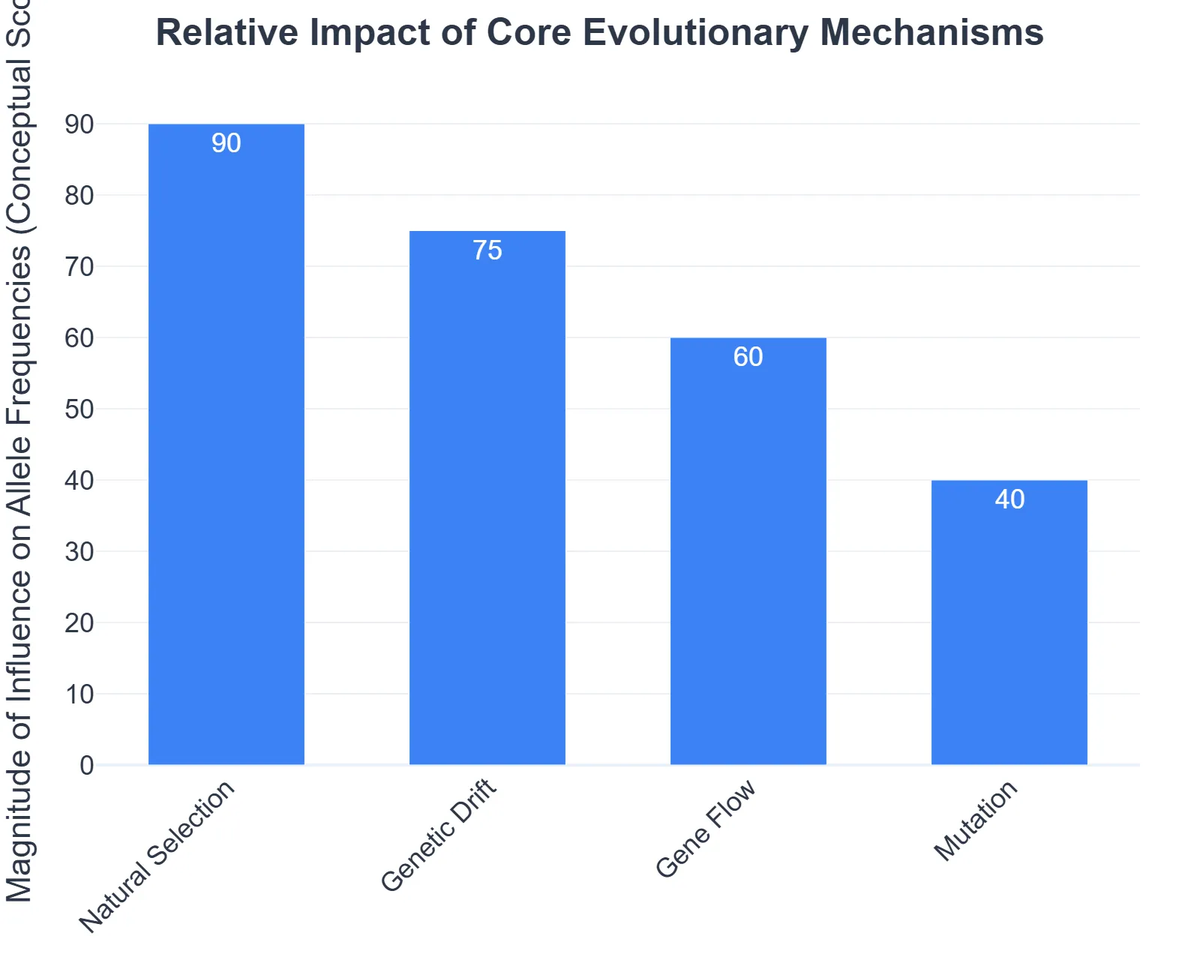
While often simplified, evolution is a complex interplay of several fundamental processes. The four primary mechanisms driving evolutionary change are natural selection, genetic drift, gene flow, and mutation. For a deeper understanding of these forces, explore our detailed article on Mechanisms of Evolution: Driving Forces of Biodiversity Explained.
🌳 Natural Selection: The Driving Force
Perhaps the most famous and widely understood mechanism, natural selection is the process by which individuals better adapted to their environment tend to survive and produce more offspring. It is often described as “survival of the fittest,” though “reproduction of the fittest” is more accurate, as it emphasizes the passing on of genes.
The core principles of natural selection:
- Variation: Individuals within a population exhibit variation in their traits.
- Heritability: Some of this variation is heritable, meaning it can be passed from parents to offspring.
- Overproduction: Populations produce more offspring than the environment can support, leading to competition for resources.
- Differential Survival and Reproduction: Individuals with advantageous heritable traits are more likely to survive and reproduce, passing those traits to the next generation.
Over time, this differential success leads to an increase in the frequency of beneficial alleles in the population, resulting in adaptation. This is why species appear so well-suited to their ecological niches.
🧬 Genetic Drift: Chance in Action
Unlike natural selection, genetic drift is a purely random process that causes changes in allele frequencies within a population. Its effects are most pronounced in small populations, where chance events can have a significant impact on the genetic makeup of the next generation.
Two common scenarios illustrate genetic drift:
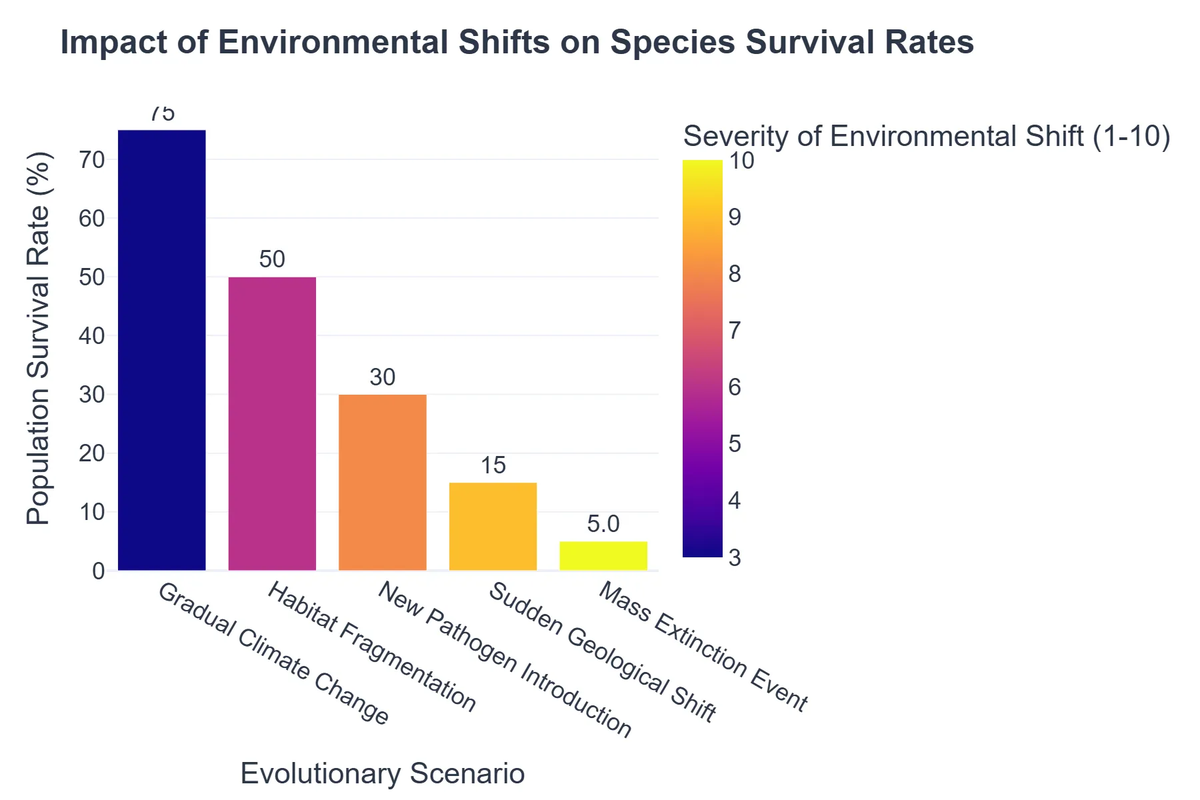
- Bottleneck Effect: A drastic reduction in population size (e.g., due to a natural disaster) can randomly eliminate certain alleles from the gene pool, regardless of their adaptive value.
- Founder Effect: When a small group of individuals colonizes a new habitat, their gene pool may not be representative of the original population, leading to different allele frequencies in the new, isolated population.
Genetic drift reduces genetic variation within a population but increases genetic differences between populations.
🔄 Gene Flow: Connecting Populations
Gene flow, also known as gene migration, is the transfer of alleles or genes from one population to another. This can happen through the movement of individuals or their gametes (e.g., pollen). Gene flow tends to reduce genetic differences between populations, making them more similar.
Biological Evolution: Benefits and Challenges of Understanding
Pros
- ✔Provides a fundamental framework for all life sciences.
- ✔Explains the diversity of life and adaptation of species.
- ✔Crucial for medical advancements and combating diseases like antibiotic resistance.
- ✔Informs agricultural practices and conservation strategies.
Cons
- ✖Can be complex and counter-intuitive, challenging common understanding.
- ✖Often misunderstood or misrepresented due to various biases and misconceptions.
- ✖Observing macroevolutionary changes directly is challenging due to long timescales.
- ✖Misapplication of evolutionary principles can lead to harmful social ideologies.
Impacts of gene flow:
- ➡️ Reduces Differentiation: Regular gene flow can prevent populations from diverging genetically, even if other evolutionary mechanisms are at play.
- 💡 Introduces New Alleles: It can introduce new genetic variation into a population, potentially providing raw material for natural selection.
💥 Mutation: The Ultimate Source of Variation
Mutations are random changes in the DNA sequence. They are the ultimate source of all new genetic variation upon which other evolutionary mechanisms can act. Without mutations, there would be no new alleles, and evolution would eventually cease.
Key points about mutations:
- ✅ Randomness: Mutations arise randomly and are not directed towards beneficial outcomes.
- ➡️ Effects: Most mutations are neutral or harmful, but a small percentage can be beneficial, providing a selective advantage.
- 💡 Heritability: Only mutations that occur in germline cells (sperm or egg cells) are heritable and can be passed on to offspring, contributing to evolutionary change.
For more on the intricate relationship between biological processes and environmental influences, consider our article on Biogeography and Evolution: Geography’s Impact.
Beyond the Core: Other Evolutionary Processes
While the four mechanisms above are foundational, other processes and patterns emerge from their interactions, shaping the trajectory of life.
Coevolution and Adaptive Radiation
Coevolution occurs when two or more species reciprocally influence each other’s evolution. This often happens in close ecological relationships, such as predator-prey dynamics, host-parasite interactions, or mutualisms. For instance, the evolution of a flower’s shape might coevolve with the beak shape of its specific pollinator.
Adaptive radiation is a rapid diversification of a single ancestral species into a multitude of new forms that are adapted to different ecological niches. This often occurs when a species colonizes a new environment with abundant resources and few competitors, like islands (e.g., Darwin’s finches in the Galapagos) or after mass extinctions that open up new opportunities.
Sexual Selection
A specific form of natural selection, sexual selection acts on an organism’s ability to obtain or successfully copulate with a mate. It often leads to the evolution of elaborate traits that may seem counterproductive to survival (e.g., a peacock’s tail), but which confer a reproductive advantage.
Two main types of sexual selection exist:
- Intrasexual Selection: Competition among individuals of the same sex for mates (e.g., male deer fighting).
- Intersexual Selection: Individuals of one sex (usually females) choose mates based on certain desirable traits (e.g., elaborate plumage in birds).
Compelling Evidence for Evolution
The evidence supporting biological evolution is vast and comes from numerous scientific disciplines, creating a cohesive and robust framework for understanding life’s history. This collective evidence forms the backbone of Biology and Evolution: A Core Scientific Understanding.
Fossil Record and Transitional Forms
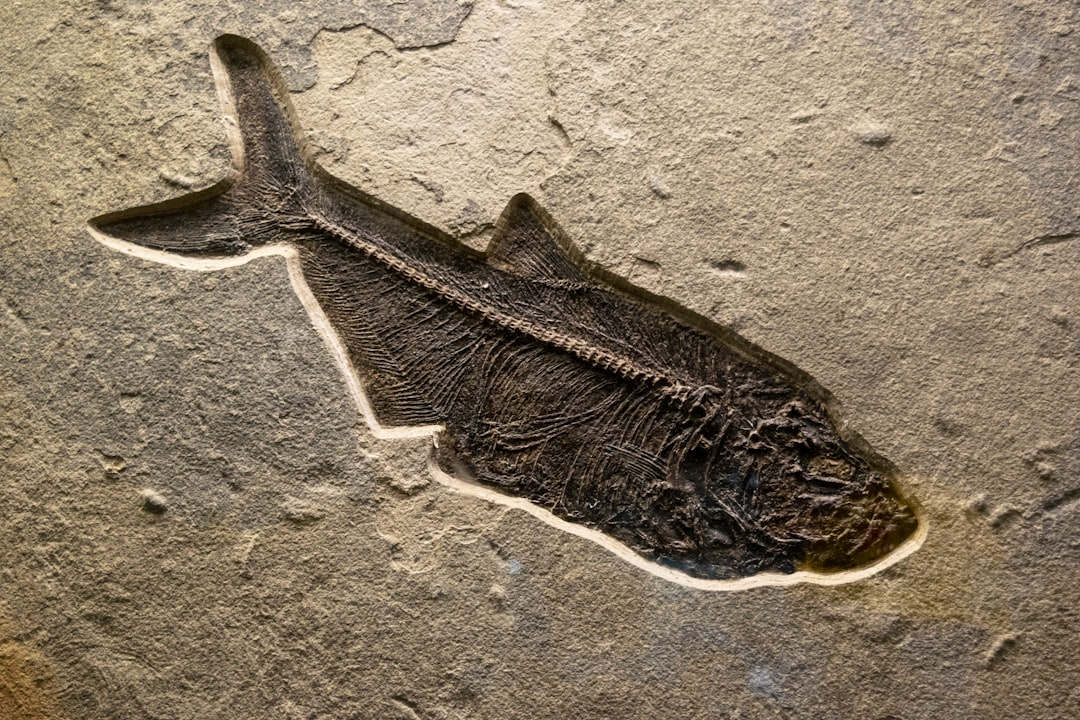
Fossils provide a tangible record of past life, showing how organisms have changed over millions of years. Transitional fossils, in particular, document the evolutionary steps between different groups of organisms, such as Archaeopteryx illustrating the link between reptiles and birds, or the fossil series of horses showing limb reduction and tooth changes over time.
Comparative Anatomy and Embryology
Similarities in the anatomical structures of different species (homologous structures), even if they serve different functions, suggest a common ancestry. For example, the forelimbs of humans, cats, whales, and bats all share a similar bone structure despite their diverse uses. Similarly, early embryonic development often reveals striking similarities across vastly different species, hinting at shared developmental pathways inherited from a common ancestor.
Molecular Biology and Genetics
At the molecular level, all life shares a universal genetic code (DNA and RNA) and fundamental biochemical pathways. The degree of similarity in DNA sequences, proteins, and genes directly correlates with evolutionary relatedness. Molecular clocks, based on the rate of accumulated genetic mutations, allow scientists to estimate when species diverged from a common ancestor, further reinforcing the evolutionary tree of life.
As noted by Stephen Wolfram, understanding “Why Does Biological Evolution Work?” involves considering minimal models for adaptive processes, linking the observable changes to underlying computational principles.
Biogeography
The geographic distribution of species provides strong evidence for evolution. Species found in certain regions of the world are often more closely related to other species in the same region than to species in distant, but environmentally similar, regions. This pattern is best explained by species evolving in specific locations and then dispersing, or by the isolation of populations leading to speciation, as explored in Geographic Distribution: Understanding Biodiversity’s Map.
The Significance of Understanding Evolution
Beyond its academic importance, a deep understanding of evolution has profound practical implications for human society and our planet, shaping our comprehension of The Code of Life: Decoding Genetics, Evolution, and Existence itself.
Medical Advancements and Disease Resistance
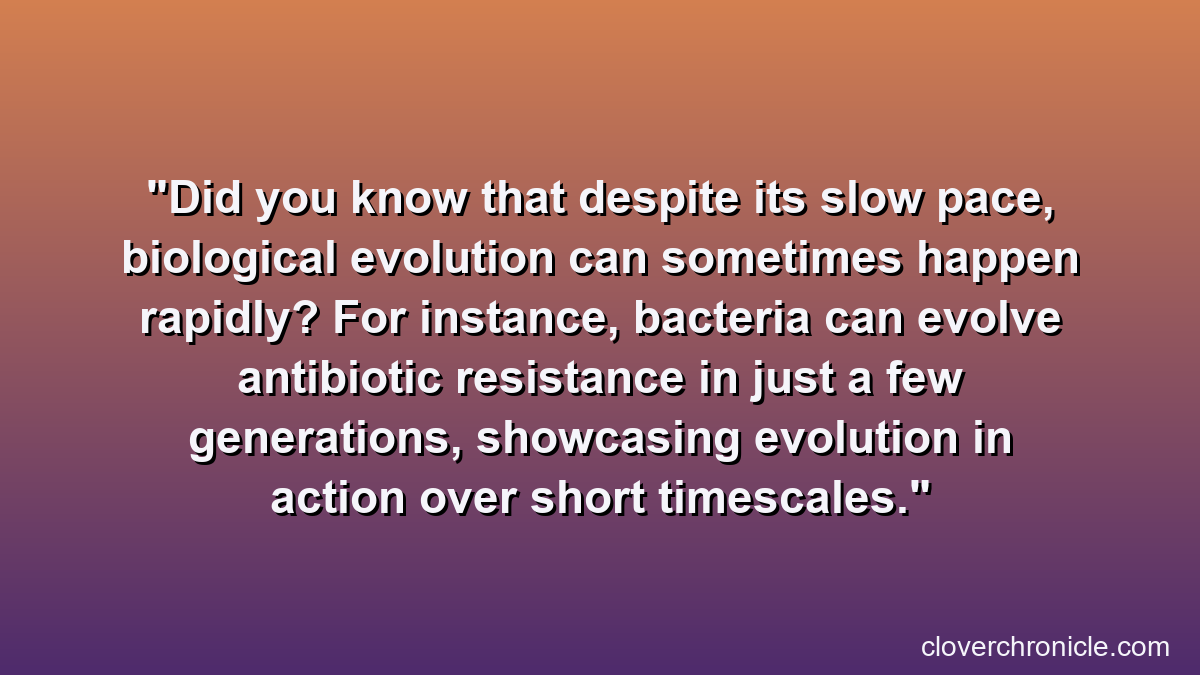
Evolutionary principles are critical in medicine. Understanding how pathogens like bacteria and viruses evolve resistance to antibiotics and antiviral drugs is essential for developing effective treatments and vaccines. The rapid evolution of the flu virus, for instance, necessitates annual vaccine updates. Our own immune systems are products of evolution, and studying the evolution of diseases helps us combat them more effectively.
Conservation and Biodiversity
Evolutionary biology provides the framework for understanding and preserving bio diversity upsc. Recognizing the evolutionary relationships among species helps prioritize conservation efforts. Understanding how species adapt to changing environments is crucial for mitigating the impacts of climate change and habitat loss. Conversely, failure to understand these processes can lead to Biodiversity Loss: Understanding Change and Drivers.
Agricultural Innovation
Evolutionary principles are applied in agriculture to develop new crop varieties with increased yields, disease resistance, and nutritional value. Understanding the evolution of pests and weeds helps in devising sustainable pest control strategies, reducing reliance on harmful chemicals.
Recommended Video
Conclusion
Biological evolution is the grand unifying theory of biology, providing an elegant and powerful explanation for the complexity and diversity of life. From the subtle shifts in gene frequencies due to genetic drift to the profound transformations driven by natural selection, the mechanisms and processes of evolution are constantly at work, shaping every living organism on Earth. Embracing this fundamental concept allows us to not only appreciate the magnificent tapestry of life but also to address critical challenges in health, conservation, and beyond. Continued exploration of evolution bio ensures a deeper comprehension of our past, present, and future.
Frequently Asked Questions
What are the main mechanisms of evolution?
The primary mechanisms are natural selection, genetic drift, gene flow (migration), and mutation.
How does natural selection lead to adaptation?
Natural selection favors individuals with traits better suited to their environment, allowing them to survive and reproduce more successfully, thus increasing the frequency of those advantageous traits in the population.
Can individuals evolve within their lifetime?
No, individuals do not evolve during their lifetime. Evolution occurs at the population level over generations, as gene frequencies change over time.