


Life on Earth is a tapestry of incredible diversity, from the smallest microbes to the largest whales. This astounding variety, known as biodiversity, hasn’t always existed in its current form. It is the product of continuous change over vast stretches of time, driven by fundamental biological processes. Understanding these transformative forces is key to grasping the very essence of life and its ongoing evolution.
💡 Key Takeaways
- Evolution is driven by multiple mechanisms, not solely natural selection.
- Genetic drift and gene flow are significant forces in shaping population genetics.
- Mutations are the ultimate source of all new genetic variation.
- These interacting mechanisms collectively explain the immense diversity of life on Earth.
“The beauty of evolution lies in its multifaceted nature; it’s a dynamic interplay of processes—selection, drift, mutation—that relentlessly sculpts life’s astonishing diversity, revealing an endless tapestry of adaptation and change.”
— Julian Aris, Evolutionary Biologist & Geneticist
In this comprehensive guide, we will unravel the primary mechanisms of evolution – the driving forces that shape species, adapt populations, and ultimately generate the rich tapestry of life we observe today. Prepare to dive deep into the genetic currents and selective pressures that have sculpted every living thing on our planet, a core concept within The Code of Life: Decoding Genetics, Evolution, and Existence.
In This Article
- — 💡 Key Takeaways
- → What Are the Core Mechanisms of Evolution?
- → Natural Selection: The Engine of Adaptation
- — ⚙️ How Natural Selection Works
- — 📈 Types of Natural Selection
- → Genetic Drift: The Role of Chance
- — 🍾 Bottleneck Effect
- — 🚀 Founder Effect
- → Gene Flow: Connecting Populations
- — 🔄 Migration and Genetic Exchange
- → Mutation: The Ultimate Source of New Variation
- — 🔬 Types of Mutations
- → Non-Random Mating: Shaping Allele Frequencies
- — 💑 Assortative Mating and Inbreeding
- → The Interplay of Mechanisms: Driving Biodiversity
- → Conclusion
What Are the Core Mechanisms of Evolution?
Evolution, in its simplest form, is the change in the heritable characteristics of biological populations over successive generations. While the concept of evolution dates back centuries, Charles Darwin and Alfred Russel Wallace formalized the concept of natural selection as a primary mechanism. However, modern evolutionary theory recognizes several distinct, yet often interacting, mechanisms that contribute to evolutionary change.
These forces act on the genetic variation within populations, influencing which traits become more common, which dwindle, and how new species emerge. Collectively, they explain the remarkable adaptations and the immense variety of life on Earth.
Natural Selection: The Engine of Adaptation
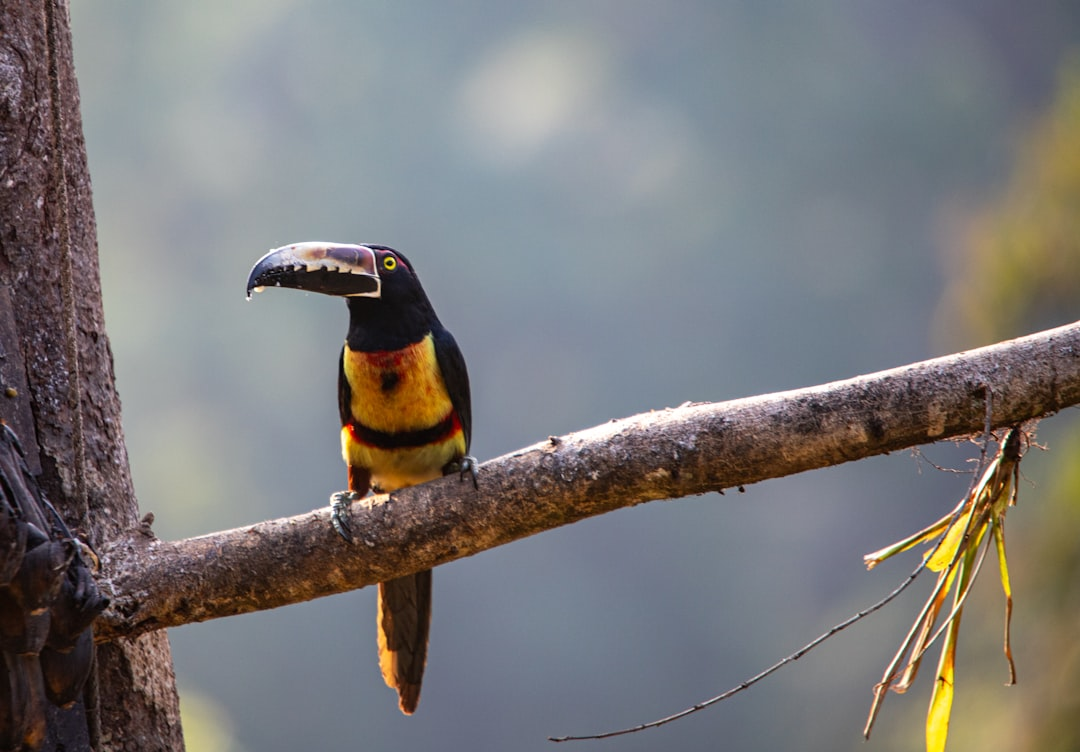
Often considered the most influential of the mechanisms of evolution, natural selection is the process by which organisms better adapted to their environment tend to survive and produce more offspring. This leads to the differential survival and reproduction of individuals with certain advantageous traits.
⚙️ How Natural Selection Works
- ✅ Variation: Individuals within a population exhibit variation in their traits. Much of this variation is heritable.
- ✅ Inheritance: These traits are passed down from parents to offspring.
- ✅ Overproduction: More offspring are produced than can possibly survive, leading to competition for resources.
- ✅ Differential Survival and Reproduction: Individuals with traits that make them better suited to their environment are more likely to survive, reproduce, and pass on those advantageous traits. Over time, these beneficial traits become more prevalent in the population.
For a detailed historical perspective on how this theory developed, explore Darwin vs. Lamarck: Contrasting Theories of Evolution.
Mechanisms of Evolution: Explaining Life’s Diversity
Pros
- ✔Provides a robust scientific explanation for life’s diversity and adaptation.
- ✔Unifies disparate biological fields under a common framework.
- ✔Offers critical insights for medicine, agriculture, and conservation efforts.
- ✔Enables understanding of species relationships and Earth’s biological history.
Cons
- ✖Complex concepts can be challenging to grasp and are often misinterpreted.
- ✖Long timescales make direct observation of macroevolutionary processes difficult.
- ✖Still active areas of research and debate on specific mechanisms or their relative importance.
- ✖Faces societal resistance or misunderstanding in some cultural contexts.
To further understand the foundational concepts of natural selection, consider insights from authoritative sources like Understanding Natural Selection: Essential Concepts and Common Misconceptions.
📈 Types of Natural Selection
- ➡️ Directional Selection: Favors individuals at one extreme of the phenotypic range, shifting the population’s average trait value over time. (e.g., evolution of antibiotic resistance in bacteria).
- ➡️ Stabilizing Selection: Favors intermediate variants, selecting against extreme phenotypes. This reduces phenotypic variation (e.g., human birth weight).
- ➡️ Disruptive Selection: Favors individuals at both extremes of the phenotypic range over intermediate phenotypes. This can lead to speciation.
- ➡️ Sexual Selection: A specific type of natural selection concerning competition for mates (intrasexual selection) or choice by mates (intersexual selection), leading to traits like vibrant plumage in birds.
Genetic Drift: The Role of Chance
Unlike natural selection, which is adaptive, genetic drift is a change in the frequency of alleles (gene variants) in a population due to random sampling of organisms. It is particularly pronounced in small populations, where chance events can have a significant impact on genetic makeup.
🍾 Bottleneck Effect
The bottleneck effect occurs when a population undergoes a drastic reduction in size due to a sudden environmental event (e.g., natural disaster, disease, habitat destruction). The surviving population may have allele frequencies that are very different from the original population, simply by chance, leading to reduced genetic diversity.
🚀 Founder Effect
The founder effect occurs when a new population is established by a very small number of individuals from a larger population. The gene pool of the new population will reflect the genetic makeup of these founders, which may not be representative of the original population, again leading to reduced genetic diversity and potentially unique allele frequencies.
Gene Flow: Connecting Populations
Gene flow, also known as migration, is the transfer of genetic material from one population to another. This occurs when individuals move between populations and interbreed, introducing new alleles or changing the frequencies of existing ones.
🔄 Migration and Genetic Exchange
- 💡 Homogenization: High rates of gene flow can make two populations more similar genetically, reducing divergence.
- 💡 Introduction of New Alleles: Gene flow can introduce novel alleles into a population, increasing its genetic variation and potentially providing new material for natural selection to act upon.
- 💡 Counteracting Drift and Selection: It can sometimes counteract the effects of genetic drift or local natural selection by reintroducing lost alleles or diluting locally adapted traits.
Mutation: The Ultimate Source of New Variation
Mutation is the ultimate source of all new genetic variation in a population. It refers to a change in the DNA sequence of an organism. While most mutations are neutral or harmful, a small fraction can be beneficial, providing the raw material upon which other evolutionary mechanisms, particularly natural selection, can act.
🔬 Types of Mutations
- ➡️ Point Mutations: Changes in a single nucleotide base (e.g., substitution, insertion, deletion).
- ➡️ Chromosomal Mutations: Larger-scale changes involving segments of chromosomes (e.g., deletions, duplications, inversions, translocations).
- ➡️ Gene Duplication: The accidental copying of an entire gene, providing a redundant copy that can then evolve new functions without harming the original. This is a significant source of evolutionary innovation.
Mutations are largely random events, meaning they do not occur because an organism “needs” them. Their fitness consequences are only determined by the environment they arise in.
Non-Random Mating: Shaping Allele Frequencies
While often grouped with the other 5 mechanisms of evolution (natural selection, genetic drift, gene flow, and mutation), non-random mating doesn’t directly change allele frequencies on its own, but it alters genotype frequencies. By affecting how alleles combine, it can influence the effectiveness of other evolutionary forces.
💑 Assortative Mating and Inbreeding
- ✅ Assortative Mating: Individuals choose mates based on their phenotype.
- 👍 Positive Assortative Mating: Individuals with similar traits tend to mate (e.g., tall people mating with tall people). This increases homozygosity for the genes controlling the trait.
- 👎 Negative Assortative Mating: Individuals with dissimilar traits tend to mate. This increases heterozygosity.
- ✅ Inbreeding: Mating between closely related individuals. This increases homozygosity across the entire genome, which can lead to the expression of harmful recessive alleles (inbreeding depression) and reduced genetic diversity.
The Interplay of Mechanisms: Driving Biodiversity
It’s crucial to understand that these mechanisms of evolution rarely act in isolation. Instead, they interact in complex ways to shape populations and drive the immense Biodiversity’s Value: Intrinsic and Economic Reasons we see on Earth. For example:
- 💡 Mutations provide the raw material, which natural selection then acts upon.
- 💡 Gene flow can counteract local adaptation driven by natural selection or the loss of genetic variation due to genetic drift.
- 💡 In small populations, genetic drift can override the effects of natural selection, especially for traits that are not under strong selective pressure.
- 💡 Non-random mating patterns can influence the rate at which natural selection or genetic drift operate by affecting allele combinations.
This dynamic interplay results in the continuous adaptation, diversification, and occasional extinction of species, ultimately sculpting the tree of life. Exploring these processes helps us understand not only past evolution but also ongoing changes, such as the adaptation of pathogens or the impacts of climate change on wild populations. For a broader view, consider reading about Biological Evolution: Understanding Mechanisms and Processes.
You can find more general information about evolution from highly reliable sources like Evolution – Wikipedia, which provides a comprehensive overview.
Recommended Video
Conclusion
The journey through the mechanisms of evolution reveals a sophisticated and dynamic system that underlies all life on Earth. From the purposeful sculpting of natural selection to the random twists of genetic drift, the vital introduction of new variation by mutation, the homogenizing effect of gene flow, and the subtle shifts caused by non-random mating, these forces work in concert. They are the invisible architects behind every adaptation, every new species, and the astonishing levels of biodiversity that grace our planet.
Understanding these fundamental processes is not just an academic exercise; it provides critical insights into conservation biology, medicine, agriculture, and our place within the grand tapestry of life.
Frequently Asked Questions
What are the main mechanisms of evolution?
The primary mechanisms of evolution include natural selection, genetic drift, gene flow, and mutation. Each contributes uniquely to changes in allele frequencies within populations over time.
How does natural selection differ from genetic drift?
Natural selection is an adaptive process where beneficial traits become more common due to survival and reproduction advantages, while genetic drift is a random process causing allele frequency changes due to chance events, particularly significant in small populations.
What is the role of mutation in evolution?
Mutations are the fundamental source of new genetic variation. While often neutral or harmful, beneficial mutations provide the raw material upon which natural selection and other evolutionary forces can act, driving long-term change.
How do these mechanisms contribute to biodiversity?
By continuously altering gene pools, promoting adaptation to diverse environments, and sometimes leading to reproductive isolation, these mechanisms collectively drive the divergence of populations and the formation of new species, creating Earth’s rich biodiversity.