Understanding Resource Geology: The Foundation of Modern Society
In a world increasingly reliant on a stable supply of raw materials and energy, the field of resource geology stands as a critical pillar. It is the specialized branch of geology focused on the discovery, exploration, development, and sustainable management of Earth’s natural assets. From the minerals that construct our homes and devices to the energy that powers our cities and the water essential for life, resource geology underpins virtually every aspect of modern civilization. This discipline blends deep understanding of geological processes with economic and environmental considerations to unearth, evaluate, and utilize the planet’s hidden bounty responsibly.
💡 Key Takeaways
- Resource geology identifies and evaluates Earth’s natural assets, crucial for industry and society.
- It encompasses the study of mineral, energy, and water resources.
- Sustainable management strategies are essential for the long-term availability of natural resources.
- Advanced geological surveys and technology are vital tools for resource exploration and assessment.
“Understanding Earth’s resource geology isn’t just about terrestrial wealth; it’s about comprehending planetary formation processes and how these resources shape civilizations, both on our world and potentially beyond.”
— Dr. Marcus Sterling, PhD, Planetary Geoscientist & Climatologist
In This Article
- → Understanding Resource Geology: The Foundation of Modern Society
- — 💡 Key Takeaways
- → The Earth’s Bounty: Key Categories of Natural Resources
- — ⚙️ Mineral Resources: The Building Blocks
- — ⚡ Energy Resources: Fueling Our World
- — 💧 Water Resources: The Essence of Life
- → The Resource Geologist’s Expedition: From Exploration to Management
- → Geological Processes: Sculpting Resource Deposits
- → The Future of Resource Geology: Innovation and Stewardship
The Earth’s Bounty: Key Categories of Natural Resources
Resource geology primarily deals with three fundamental categories of natural resources, each vital for human progress and survival.

⚙️ Mineral Resources: The Building Blocks
Mineral resources encompass a vast array of solid materials extracted from the Earth’s crust. These are non-renewable, forming over geological timescales, and are crucial for manufacturing, infrastructure, and technology.
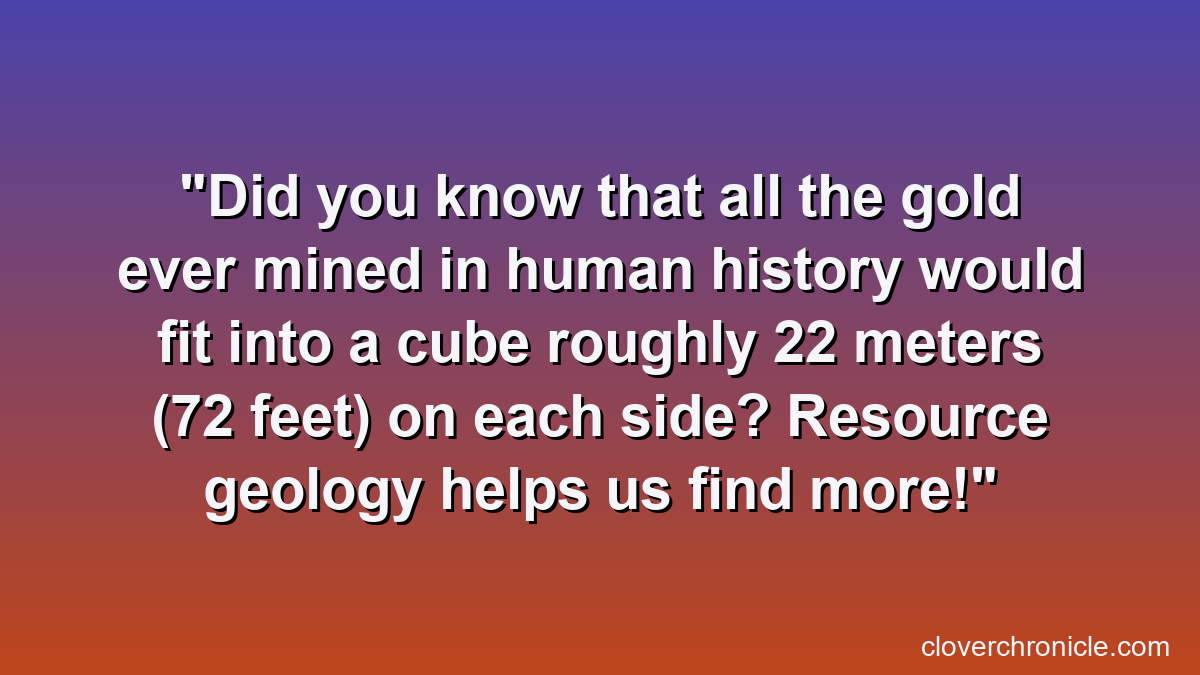
- ✅ Metallic Minerals: These include base metals like copper, lead, and zinc; ferrous metals such as iron and manganese; and precious metals like gold, silver, and platinum. They are essential for electronics, construction, and jewelry.
- ✅ Industrial Minerals: Non-metallic minerals used in various industrial applications, including construction (sand, gravel, limestone), chemicals (salt, gypsum), and ceramics (clays).
- ✅ Precious Gems: Diamonds, rubies, emeralds, and sapphires, valued for their beauty and rarity.
The formation of mineral deposits is a complex process driven by tectonic activity, magmatism, hydrothermal circulation, and sedimentary processes, often concentrating valuable elements into economic deposits.
⚡ Energy Resources: Fueling Our World
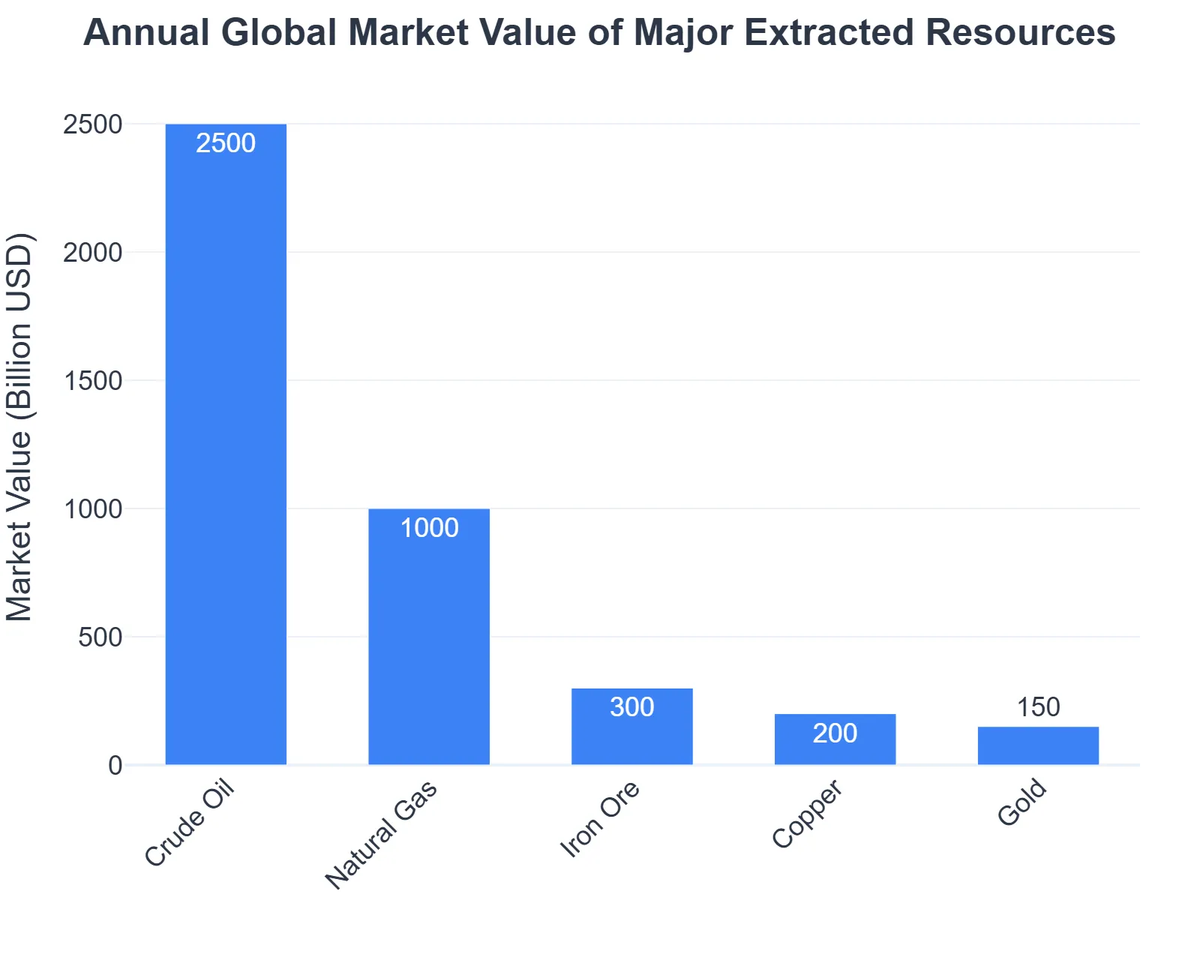
Energy resources are the raw materials converted into power for electricity, transportation, heating, and industrial processes. The quest for these resources drives much of global exploration.
- ✅ Fossil Fuels: Coal, petroleum (oil), and natural gas are formed from the organic remains of ancient plants and animals, buried and transformed under immense heat and pressure over millions of years. These remain the dominant source of global energy, despite their environmental impact. Learn more about the specialists in this field in our article on Oil Geologist: Exploring Earth’s Energy Resources.
- ✅ Uranium: A critical metallic element used as fuel in nuclear power plants, providing a low-carbon energy alternative.
- ✅ Geothermal Energy: Harnessing the Earth’s internal heat, often in volcanically active regions, to generate electricity or directly for heating.
Resource geologists play a pivotal role in identifying and assessing the potential of these vast subterranean reservoirs, applying advanced seismic imaging and drilling techniques.
Resource Geology: Benefits and Challenges
Pros
- ✔Enables discovery and secure supply of critical natural resources.
- ✔Drives economic growth, employment, and technological innovation.
- ✔Advances scientific understanding of Earth’s geological processes and resource formation.
- ✔Provides essential raw materials for infrastructure, energy, and modern society.
Cons
- ✖Significant environmental degradation and ecological disruption from extraction.
- ✖Risk of resource depletion and unsustainable practices for non-renewable assets.
- ✖Potential for social conflicts, community displacement, and economic instability.
- ✖High capital investment and inherent risks associated with exploration and development.
💧 Water Resources: The Essence of Life
While often overlooked in discussions of “resources” alongside minerals and energy, water is perhaps the most vital. Resource geology, specifically hydrogeology, is instrumental in understanding, locating, and managing both surface water and groundwater resources.
- ✅ Surface Water: Lakes, rivers, and reservoirs, which are recharged by precipitation and snowmelt.
- ✅ Groundwater: Water stored in underground aquifers, which are geological formations permeable enough to yield significant quantities of water. Understanding the properties of these aquifers – their porosity, permeability, and recharge rates – is critical for sustainable extraction. For insights into the uppermost layers of the Earth where many water sources reside, explore Surficial Geology: Unearthing Earth’s Top Layer Secrets.
Managing water resources involves assessing water quality, monitoring depletion rates, and protecting against contamination, all of which require a deep understanding of geological and hydrological principles.
EonTech’s Strategic Advantage: Leveraging Resource Geology for Supply Chain Stability
❓The Challenge
EonTech Innovations faced unpredictable supply chain disruptions for critical rare earth minerals, leading to significant production delays and escalating costs due to a lack of deep insight into geological resource availability.
💡The Solution
By integrating principles of resource geology, EonTech partnered with geological experts to conduct a comprehensive global assessment of mineral deposit potential. This enabled them to strategically identify and diversify new, stable sources, understanding the unique geological contexts and long-term sustainability of each.
🏆The Result
Within 12 months, EonTech reduced raw material-related production delays by 65% and achieved a 15% reduction in unit manufacturing costs through optimized sourcing.
The Resource Geologist’s Expedition: From Exploration to Management
The work of a resource geologist is multifaceted, spanning the entire lifecycle of a natural resource, from initial discovery to responsible closure and reclamation. This often involves applying principles discussed in Earth’s Unseen Forces: The Hidden Dynamics of Our Planet.
- ✅ Exploration: This phase employs a variety of techniques to identify potential deposits. It includes geological mapping, geochemical sampling of soils and rocks, geophysical surveys (measuring magnetic, gravity, or electrical properties of the Earth), and remote sensing technologies like satellite imagery.
- ✅ Resource Estimation: Once a potential deposit is found, extensive drilling and sampling are conducted to determine the size, grade, and quality of the resource. This data is used to calculate the economic viability and classify the deposit as a “resource” or a “reserve” (economically minable).
- ✅ Mine or Well Planning & Development: Geologists provide crucial data for designing safe and efficient extraction operations, including geotechnical assessments for slope stability in mines or reservoir characteristics for oil and gas wells.
- ✅ Environmental & Sustainability Focus: A modern resource geologist is also deeply involved in minimizing environmental impact, ensuring regulatory compliance, and planning for site reclamation after extraction ceases. This includes managing water quality, waste disposal, and biodiversity protection.
A solid foundation in geological principles is paramount for this career path, often beginning with comprehensive university programs. For example, many aspiring geologists pursue degrees like those offered at [Online Geology Degree | Bachelor’s In Geology | UF Online](https://ufonline.ufl.edu/degrees/undergraduate/geology/).
Geological Processes: Sculpting Resource Deposits
The distribution and concentration of Earth’s natural resources are direct consequences of vast, long-term geological processes. Understanding these mechanisms is key to successful exploration and management.
- ✅ Plate Tectonics: The movement of Earth’s lithospheric plates is a primary driver of resource formation. Subduction zones are linked to significant copper, gold, and lead-zinc deposits, while divergent boundaries can host massive sulfide deposits.
- ✅ Magmatism & Hydrothermal Activity: Molten rock (magma) rising from the mantle can carry and concentrate valuable metals. As magma cools, hot, mineral-rich fluids (hydrothermal solutions) can escape, depositing ore minerals in veins and disseminated deposits (e.g., porphyry copper deposits, gold veins).
- ✅ Sedimentary Processes: The erosion, transport, and deposition of sediments play a crucial role. Coal, oil, and natural gas form in sedimentary basins. Iron ore deposits (banded iron formations) and many industrial minerals (like potash and salt from evaporites) are also products of sedimentary processes.
- ✅ Weathering & Erosion: The breakdown of rocks at the Earth’s surface can concentrate valuable minerals. Placer deposits of gold, diamonds, and tin are formed when weathering releases resistant heavy minerals, which are then concentrated by flowing water. Residual deposits like bauxite (the primary ore of aluminum) form through intense chemical weathering of rocks.
- ✅ Groundwater Flow: The movement of groundwater through permeable rocks dissolves and redeposits minerals, forming various ore bodies (e.g., uranium roll-front deposits) and shaping the availability and quality of water resources.
These processes collectively define the planet’s resource endowment. For a broader perspective on the availability and types of resources shaped by these geological forces, refer to our comprehensive guide on Earth’s Natural Resources: A Guide to Our Planet’s Vital Assets.
Recommended Video
The Future of Resource Geology: Innovation and Stewardship
As global populations grow and technological demands intensify, the field of resource geology faces increasing complexity and critical challenges. The focus is shifting towards more sustainable practices and innovative solutions.
- ✅ Depletion and Discovery: Many easily accessible surface deposits have been exploited. Future resource geology will increasingly involve exploring deeper targets, more remote regions, and unconventional deposits, requiring advanced techniques.
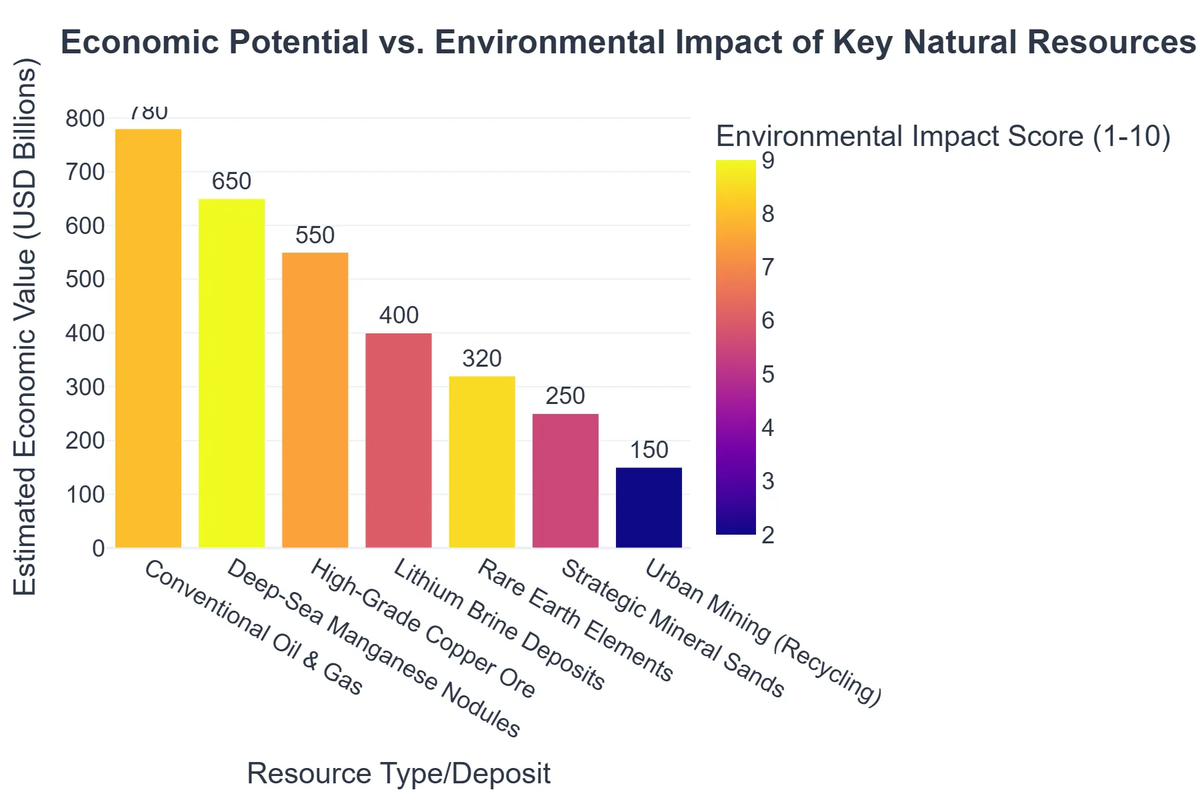
- ✅ Critical Minerals: The demand for “critical minerals” (e.g., lithium, cobalt, rare earth elements) essential for renewable energy technologies and electronics is surging, driving new exploration efforts.
- ✅ Environmental Stewardship: Modern resource geology places a strong emphasis on minimizing the environmental footprint of extraction, promoting responsible sourcing, and ensuring effective reclamation of disturbed lands. This often involves working with detailed geographical and resource maps, such as those provided by agencies like the [Map Resources | Department of Natural Resources](https://dnr.wa.gov/data-dashboards-business-and-reports/map-resources).
- ✅ Technological Advancements: The integration of artificial intelligence (AI), machine learning, big data analytics, and advanced remote sensing is revolutionizing how resources are discovered, assessed, and managed, making exploration more efficient and targeted.
- ✅ Circular Economy: Resource geologists are increasingly involved in promoting a circular economy model, where materials are reused, recycled, and repurposed to reduce the reliance on new extraction.
The future of resource geology lies in balancing humanity’s need for natural assets with the imperative to protect our planet. It requires continuous innovation, interdisciplinary collaboration, and a profound commitment to sustainable practices.
What is resource geology?
Resource geology is the scientific study of Earth’s natural materials, including minerals, fossil fuels, and water, focusing on their discovery, assessment, and sustainable management for human use.
Why is resource geology important?
It is critical for ensuring a stable supply of essential materials and energy resources needed for economic development, technological advancement, and daily life, while promoting responsible extraction.
What career paths are open to resource geologists?
Career paths include roles as exploration geologists, mining engineers, environmental consultants, hydrogeologists, petroleum geologists, and resource policy advisors.
How does resource geology contribute to sustainability?
Resource geology guides responsible extraction, promotes efficient use, and supports the development of recycling and alternative resource strategies, aiming to minimize environmental impact and conserve finite resources.